Appliances · Buying Guide
Best Coffee Grinders for Sale to Upgrade Your Daily Brew Routine
Finding the right equipment to process whole coffee beans at home transforms how you experience your morning cup. Different models rely on varying mechanisms, from spinning blades to precision burrs, to break down beans into usable grounds. Understanding your daily volume needs helps narrow down the vast selection of coffee grinders for sale on the market today.
Whether you prefer a compact blade device for quick spice milling or a structured burr mill with multiple settings for specialized brewing methods, matching features to your kitchen space matters. Reviewing physical dimensions, power specifications, and capacity ratings ensures you select a device that fits seamlessly into your daily routine without taking up excessive counter room.
As an Amazon Associate, StacyLaughs earns from qualifying purchases.
Buying guide
Evaluating Blade Versus Burr Mechanisms
Choosing between a traditional blade grinder and a modern burr mill represents a primary decision when browsing coffee grinders for sale. Blade models use spinning metal edges to chop beans into varying particle sizes rapidly. This style often suits general kitchen tasks, including breaking down dry herbs, grains, or whole spices alongside coffee beans for everyday use.
Burr mills, conversely, crush beans between two revolving surfaces to produce a uniform particle size. This consistent output promotes even extraction during the brewing process, preventing the mix of fine dust and large chunks that can occasionally lead to weak or bitter flavors in your finished cup of coffee. Selecting the right mechanism depends on your preferred brewing style and flavor expectations.
Understanding Hopper Capacity and Batch Sizes
The physical capacity of a bean hopper determines how many servings you can prepare in a single operating cycle. Smaller models with compact capacities work exceptionally well for individuals or small households that prefer grinding fresh beans for a single mug each morning. These units occupy minimal counter space while meeting basic daily requirements easily.
Larger capacity hoppers and grinding chambers support multi-person households, office settings, or hosting events where multiple cups are needed simultaneously. Selecting a device with a generous chamber reduces the need for repeated loading cycles when preparing coffee for a group, saving time during busy morning routines and simplifying kitchen tasks for daily users.
Adjusting Grind Settings for Specific Brew Methods
Different coffee beverages require distinct particle sizes to extract optimal flavors from roasted beans successfully. Fine settings are typically required for espresso preparation, where water passes quickly through tightly packed grounds. Coarser settings suit immersion methods like French press or cold brew, where larger particles prevent over-extraction and muddy sludge formation in the final cup.
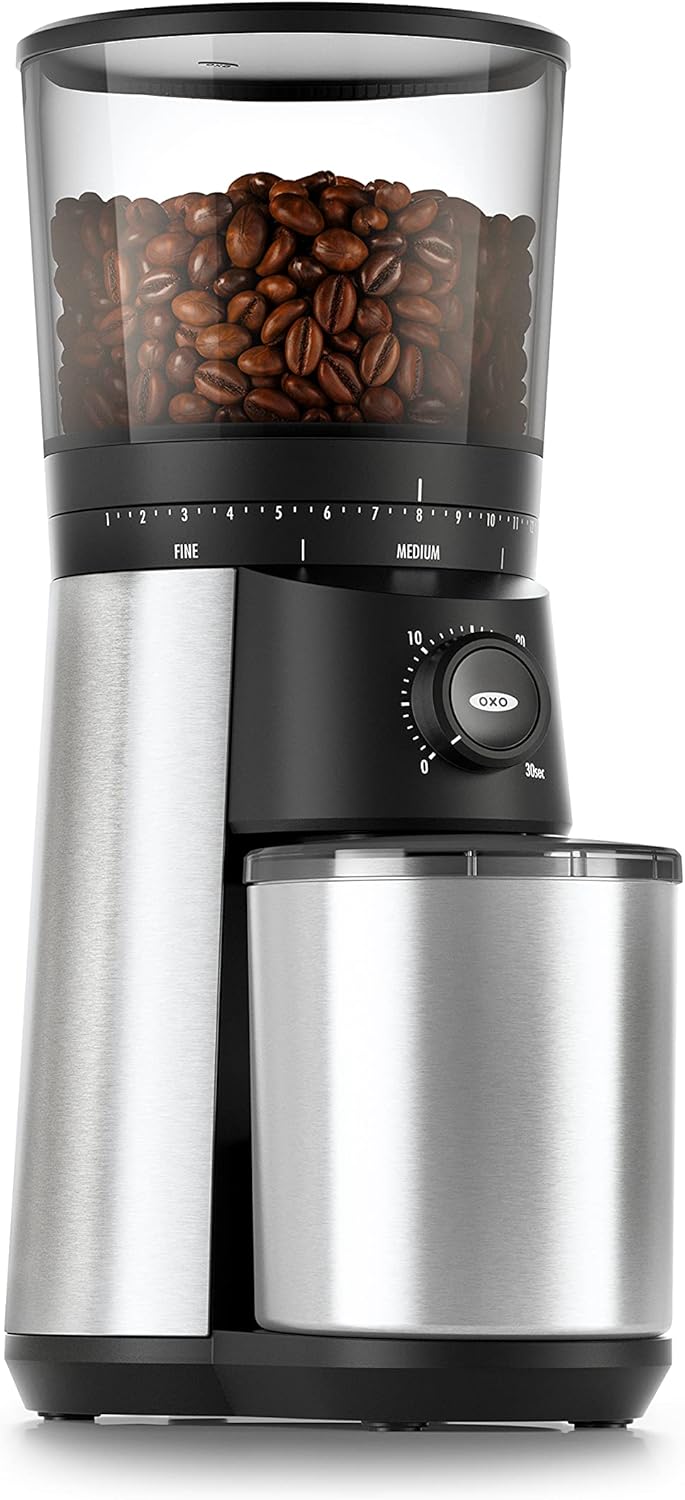
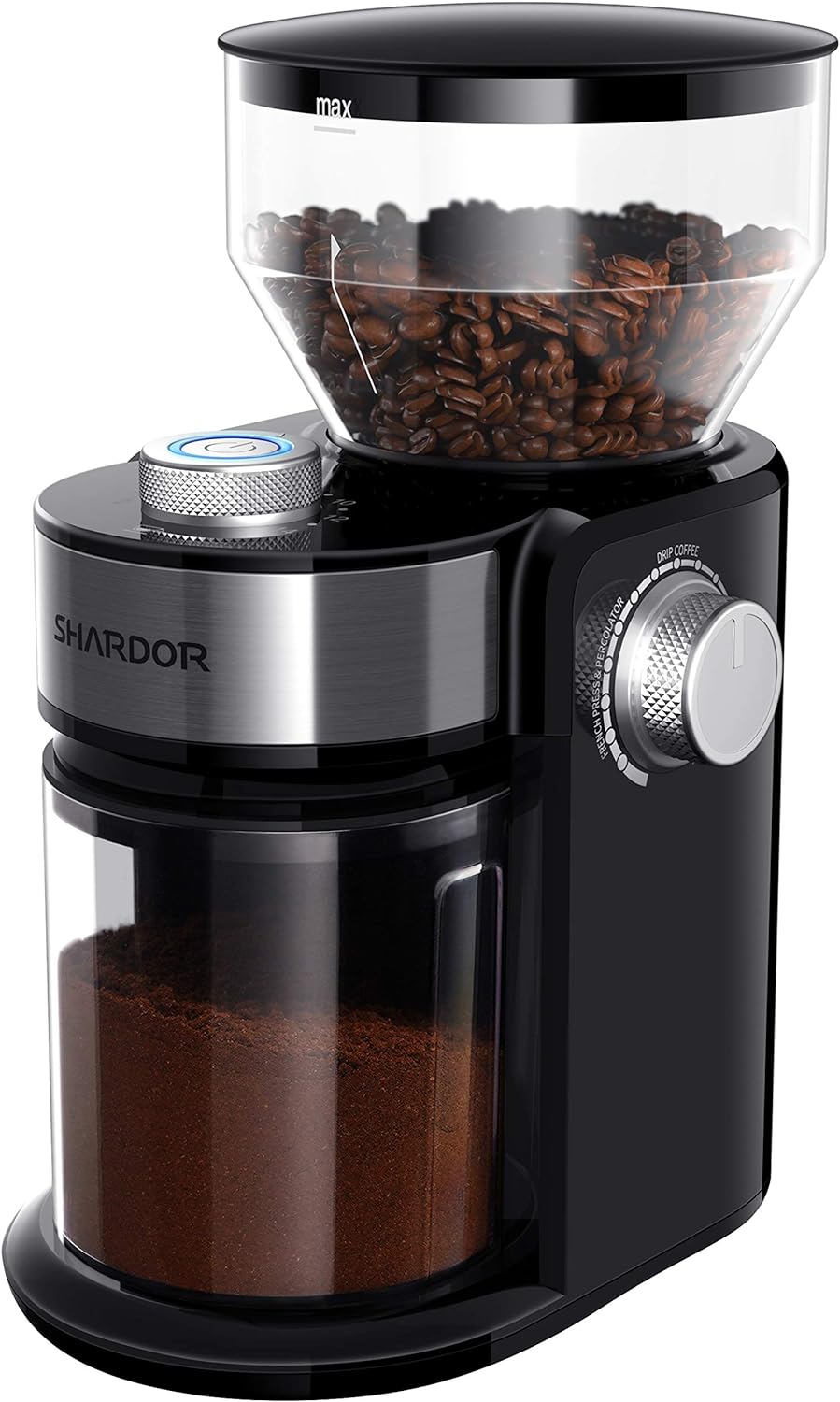
Many advanced grinders feature multiple numbered steps or fine micro-adjustments to dial in the exact coarseness you need for your preferred style of coffee. Reviewing the complete range of available settings ensures the equipment can easily adapt if you enjoy switching between espresso, drip, pour-over, and immersion brewing methods throughout the week.
Assessing Countertop Dimensions and Cabinet Fit
Kitchen counter space is often at a premium, making external dimensions an important factor when selecting a grinder for your home. Compact models fit easily underneath standard wall cabinets, leaving plenty of vertical clearance for comfortable daily operation. Measuring your available kitchen space and vertical clearance before purchasing helps prevent storage issues and awkward placement.
Taller or wider units offer greater capacity and robust internal motors but require careful placement to ensure they slide beneath upper cabinets or sit comfortably on open kitchen surfaces. Evaluating the physical footprint of each appliance helps you maintain an organized workspace while accommodating your preferred coffee preparation tools without adding unnecessary countertop clutter.
Safety Mechanisms and Operational Controls
Modern coffee grinders incorporate various safety designs to protect users during routine daily operation. Lid-locking mechanisms and dual interlocks ensure that the internal blades or burrs cannot spin unless the hopper and grinding chamber are securely fastened in their proper place. These safety features prevent accidental spills or unwanted contact with moving parts.
Push-button controls, automatic shut-off timers, and simple switches make operating these appliances straightforward for anyone in the household. Timed grinding functions allow users to select a specific number of cups and let the machine stop automatically, reducing the need for manual monitoring during the cycle and preventing accidental overfilling or messy powder scattering on surrounding kitchen surfaces.
Maintenance and Cleaning Practicalities
Regular cleaning keeps your coffee grinder functioning smoothly and preserves the fresh taste of your roasted beans over time. Removable bean hoppers, detachable grinding chambers, and included cleaning accessories simplify the routine maintenance process significantly. Clearing out residual micro-grounds prevents stale buildup from negatively affecting future batches of brewed coffee.
Following manufacturer guidelines for washing removable components and brushing out burrs ensures long-term reliability and consistent performance. Durable stainless steel materials and anti-static collection containers also help reduce messy cling, making it easier to transfer fresh grounds directly into your filter or brewer without leaving a dusty powder trail behind on surrounding kitchen surfaces during transfer.
Frequently asked questions
What is the difference between blade and burr coffee grinders?
Blade grinders use a spinning metal blade to chop coffee beans into varying sizes, which works well for quick tasks and general spice milling. Burr grinders crush beans between two rotating surfaces, producing a uniform particle size that promotes even extraction during brewing. Burr mills generally offer much more consistent results for specialized coffee preparation methods, whereas traditional blade models provide a simpler, more compact approach for multi-purpose kitchen use and everyday grinding needs.
How do I choose the right grind setting for my brew method?
Selecting the correct grind setting depends entirely on how you plan to brew your coffee. Fine settings are ideal for espresso because tightly packed grounds slow down water flow for rich extraction. Medium settings suit standard drip coffee makers, while coarse settings work best for French press and cold brew methods, where large particles prevent over-extraction and bitter tastes. Experimenting with your grinder's numbered steps helps you find the optimal flavor balance for your preferred style.
Can I use a coffee grinder for spices and herbs?
Many electric blade grinders and certain compact models are specifically designed to handle dry herbs, grains, and whole spices alongside coffee beans. Manufacturers often note multi-purpose capabilities for these devices, allowing you to prep ingredients for cooking as well as morning beverages. However, burr grinders designed exclusively for coffee beans may require careful cleaning if used outside their intended purpose to prevent flavor transfer between spices and your daily brew.
How do safety lock mechanisms work on electric grinders?
Safety lock mechanisms are built into electric grinders to prevent accidental operation and injuries. Most systems require both the bean hopper and the grinding chamber or lid to be correctly seated and securely locked into place before the motor can engage. This dual interlock design ensures that spinning blades or burrs cannot activate while components are open or misaligned, protecting the user and containing loose beans during the grinding cycle.
What is the best way to clean and maintain an electric coffee grinder?
Maintaining your grinder involves following manufacturer instructions for regular cleaning and debris removal. Many models include specialized brushes to sweep away residual micro-grounds from the burrs or blades. Removable hoppers and chambers can often be wiped down or washed according to the provided guidelines. Regularly clearing out old grounds prevents stale oil buildup, preserves mechanical performance, and ensures every batch of coffee tastes fresh and clean.