Appliances · Buying Guide
Best Coffee Puck Knock Box Options for Home Baristas
Managing spent coffee grounds efficiently is essential for keeping a clean and organized espresso station at home or in a small office setting. A dedicated coffee puck knock box provides a sturdy, designated receptacle to empty portafilters quickly between shots without constantly walking back and forth to the main kitchen trash bin during your morning brewing routine.
Selecting the right container involves evaluating physical dimensions, material durability, capacity needs, and stability features. Options range from compact stainless steel models to high-capacity ABS designs featuring specialized knock bars built to absorb impact, minimize operating noise, and protect your expensive portafilter equipment during frequent daily use.
As an Amazon Associate, StacyLaughs earns from qualifying purchases.
Buying guide
Evaluating Material Construction
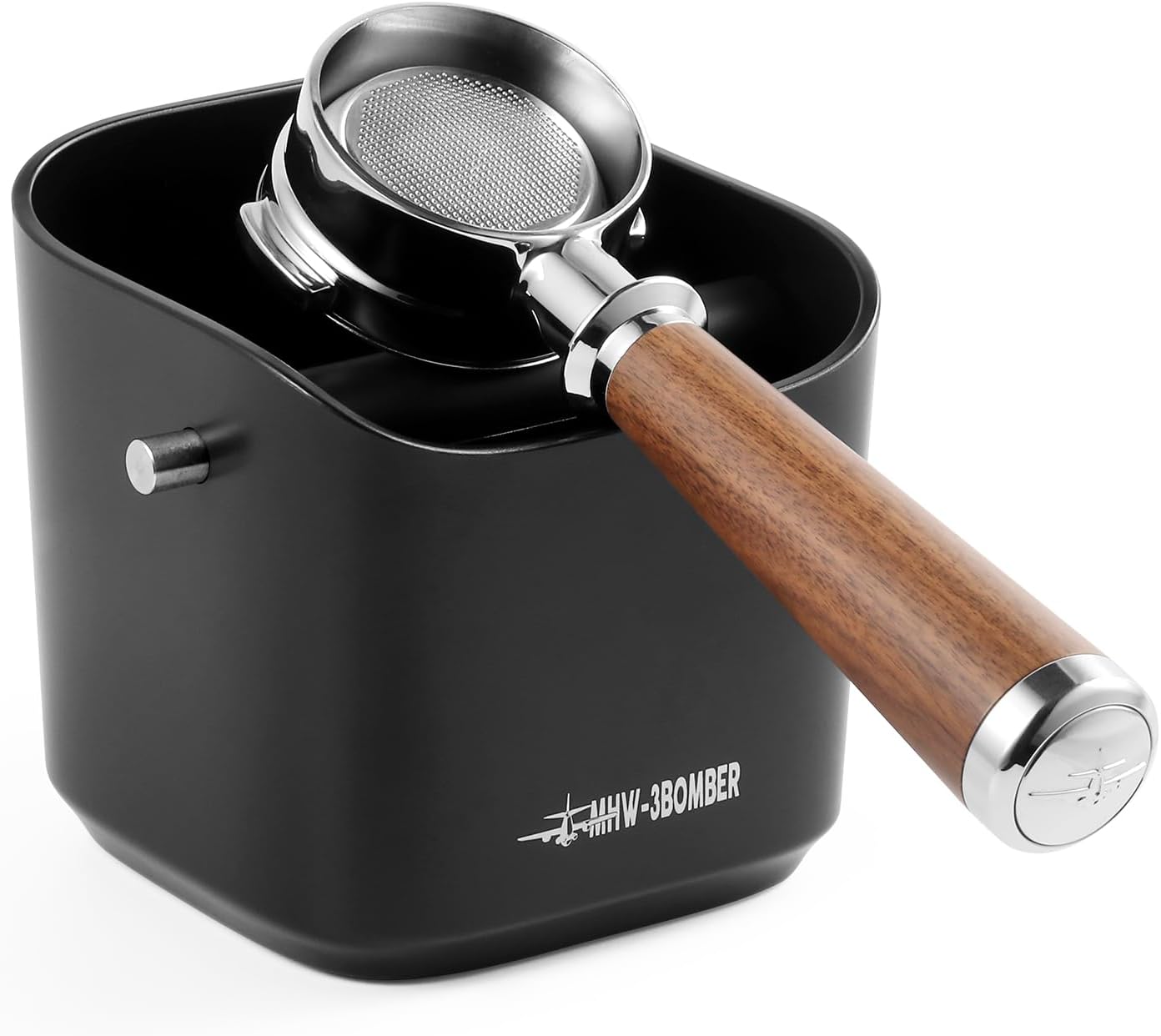
Choosing the right material for your knock box impacts both durability and daily maintenance. Options typically feature thick ABS plastics, stainless steel exteriors, or combinations of steel paired with solid walnut wood bases. Plastic models offer lightweight handling and easy dishwasher-safe cleanup routines.
Metal and wood alternatives provide a heavier, more premium aesthetic that elevates your coffee bar display. Consider how often you want to clean the unit and whether you prefer modern metallic finishes or traditional warm wood grain accents for your specific kitchen layout.
Assessing Capacity and Size
Container capacity dictates how frequently you must empty spent coffee grounds during your daily brewing routine. Compact models holding under a liter fit neatly beneath low-clearance espresso machines but require frequent trips to the trash bin. Larger 1.2 to 1.3-liter containers hold numerous double-shot pucks effortlessly.
Multi-person households or busy environments benefit greatly from increased volumetric storage to minimize interruptions. Measure your available countertop space and under-machine clearance carefully before selecting a larger capacity model to ensure a seamless fit within your specific coffee preparation area.
Understanding Knock Bar Mechanics
The knock bar absorbs the primary physical impact when you strike your portafilter to eject spent grounds. Look for bars featuring flexible rubber exteriors supported by robust steel or reinforced cores. These materials prevent cracking while significantly dampening harsh metal-on-metal noise during early morning brewing sessions.
Removable bar designs simplify the interior cleaning process significantly by allowing unobstructed access to the vessel walls. Check whether the housing features secure side notches or wrap-around grooves to keep the bar firmly locked in place during forceful downward strikes.
Stability and Countertop Protection
Knocking out compressed espresso pucks requires a stable receptacle that will not slide, wobble, or tip over. Rubberized bottom rings, full-coverage base pads, or weighted metal structures help anchor the container firmly to your countertop surface. This stability protects your tabletop from scratches and impact marks.
Anti-slip properties are especially critical when working on smooth stone or laminate countertops during fast-paced preparation routines. Prioritize models equipped with silicone corner feet or weighted bases to maintain a secure stationary position under heavy operational force.
Splash Control and Interior Geometry
Spent coffee grounds can scatter widely if a container features a flat or overly shallow opening design. Slanted mouths, deep grooves, and three-quarter wrap-around walls help capture flying debris effectively. These geometric features keep your surrounding kitchen counter clean and minimize cleanup time after every shot.
Front-positioned knock bars also alter the internal clearance, giving your portafilter extra room to maneuver without hitting container walls. Evaluate your striking angle and habits to determine whether an angled or deep-groove interior profile best suits your personal workflow.
Maintenance and Cleanup Convenience
Daily upkeep varies depending on the materials and internal design of your selected knock box. Plastic models often allow for direct dishwasher cleaning or quick water rinses without disassembly. Conversely, units featuring wooden bases demand careful hand washing to preserve natural finishes over time.
Some larger capacity options accommodate disposable liner bags, offering an alternative disposal method that reduces the need for frequent washing. Assess your willingness to perform hand maintenance versus your desire for simple dishwasher-safe convenience when making your final purchasing decision.
Frequently asked questions
How often should I empty my coffee puck knock box?
The frequency of emptying your knock box depends directly on its volumetric capacity and how many espresso shots you pull daily. Smaller compact containers holding under a liter usually require emptying after a few double-shot preparations to prevent overflowing. Larger 1.2 to 1.3-liter bins easily accommodate twenty or more pucks, making them ideal for multi-person households or busy office settings. Prompt disposal also prevents moisture buildup and unpleasant odors from developing inside enclosed plastic or metal vessels over time.
Can I wash my knock box in a household dishwasher?
Dishwasher safety depends entirely on the specific materials used in your chosen knock box model. Units constructed from high-quality ABS plastic or stainless steel housings typically allow for safe rinsing or dishwasher cycles once the rubber knock bar is removed. However, models featuring natural wood elements, such as solid walnut bases, strictly require careful hand washing. Exposing wood components to high dishwasher temperatures and prolonged moisture causes warping, cracking, or severe finish damage, so always check manufacturer care guidelines.
Why is a rubber-coated knock bar important?
A rubber-coated knock bar serves two critical functions during daily espresso preparation: noise reduction and equipment protection. Striking a metal portafilter against an unprotected bar generates a loud, disruptive clatter that can wake household members. Furthermore, a resilient rubber exterior absorbs the kinetic shock of repeated impacts, shielding your expensive portafilter basket and handle from dents or structural wear. Many quality bars also feature internal steel or reinforced cores to maintain structural rigidity under heavy strikes.
Do I need a knock box with a non-slip base?
A non-slip base is highly recommended because ejecting a compressed espresso puck requires a firm, downward striking motion. Without rubber rings, silicone corner pads, or weighted foundations, lightweight containers can easily slide, wobble, or tip over across smooth laminate or stone countertops. Non-slip features anchor the receptacle securely in place, ensuring a stable and mess-free experience while simultaneously protecting your delicate countertop surfaces from scratches, scuffs, and heavy impact damage during use.
Are liner bags necessary for using a coffee knock box?
Liner bags are completely optional accessories rather than mandatory requirements for operating a knock box. Some larger capacity models include disposable liners to offer a quick-cleanup alternative for busy users. Inserting a liner helps keep the inner vessel cleaner, reducing the frequency of deep washing routines. However, you can easily use the container directly without any bags by simply dumping the accumulated grounds into a trash can and rinsing the vessel out with water when needed.