Appliances · Buying Guide
Best Coffee Roaster For Sale Choices For Custom Home Brewing
Finding the right coffee roaster for sale can completely transform how you enjoy your daily brew by bringing fresh roasting directly into your home kitchen. Whether you prefer experimenting with different roast profiles or simply want to enjoy beans roasted right before grinding, selecting a dedicated machine makes the entire process accessible and straightforward.
The modern marketplace offers various models ranging from compact electric drums to versatile gas-powered units featuring quartz glass windows. Each configuration provides distinct controls for temperature, batch capacity, and visual monitoring, allowing you to tailor your roasting routine to match your kitchen space, preferred batch sizes, and desired flavor depth.
As an Amazon Associate, StacyLaughs earns from qualifying purchases.
Buying guide
Evaluating Batch Capacity And Household Needs
Selecting the correct batch capacity ensures your coffee roaster adequately meets daily consumption habits without generating unnecessary extra work or wasting green beans. Smaller units processing around two hundred grams fit individuals or low-volume households seeking ultra-fresh cups. Larger machines handling up to five hundred grams support heavier routines, reducing how often you need to run baking cycles throughout the week.
Always evaluate how quickly your household drinks coffee when comparing options on the market. If you enjoy sharing fresh brews or entertaining guests frequently, a higher-capacity drum prevents you from constantly managing back-to-back roasts. Conversely, if you prefer experimenting with different single-origin beans in small quantities, compact models offer better flexibility to change flavors without committing large amounts of green coffee to a single test batch.
Understanding Heat Sources And Power Requirements
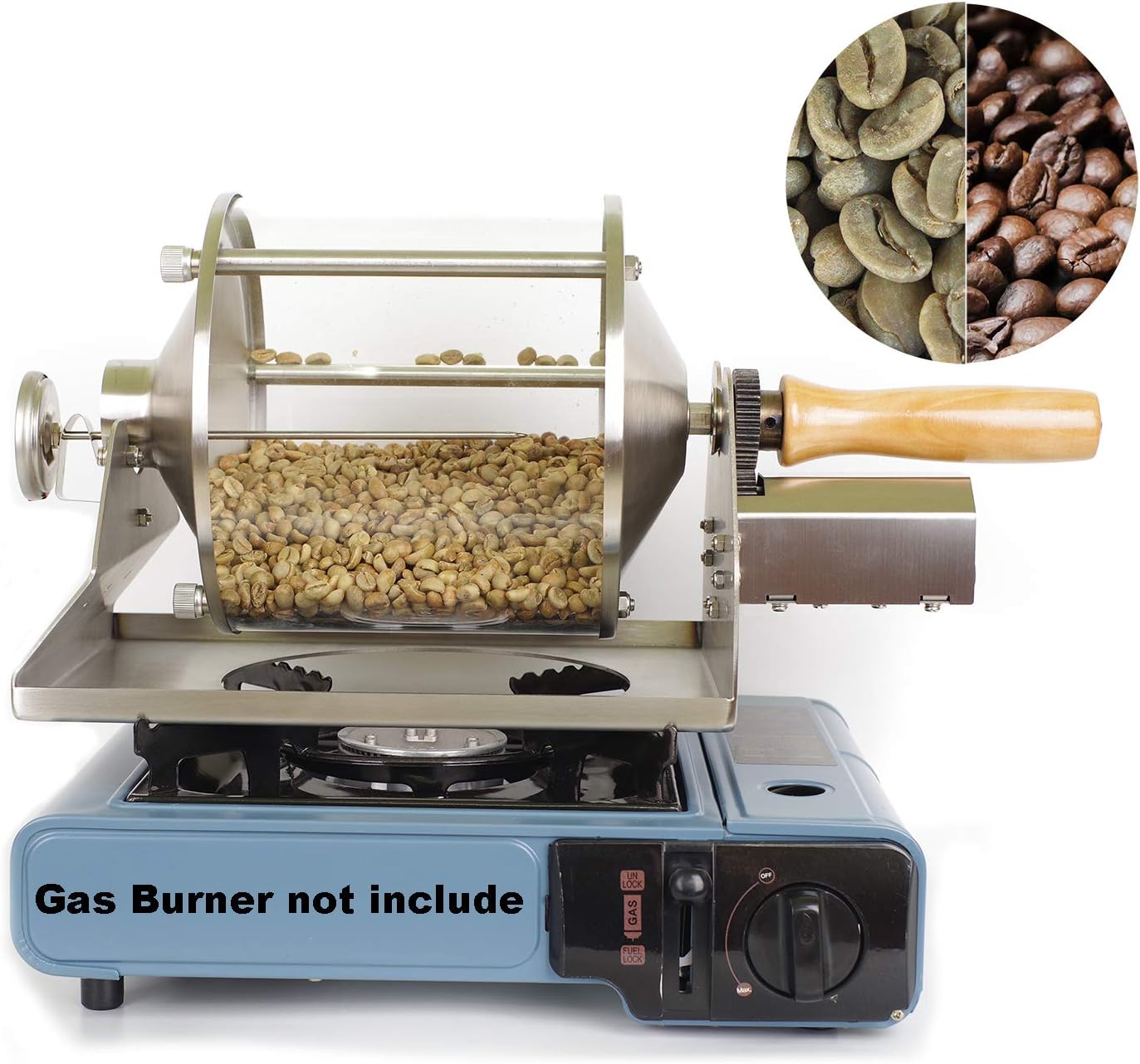
Coffee roasters utilize different heating methods, ranging from internal electric elements to external gas burners. Electric models plug directly into standard kitchen outlets, offering convenient indoor operation with integrated temperature controls. Gas-powered roasters often feature quartz glass drums paired with external burners, delivering traditional heat control that appeals to hobbyists seeking authentic manual roasting experiences.
When choosing a machine, consider your kitchen setup and available counter space. Electric units eliminate the need for secondary burner equipment, making them simpler to operate on standard countertops. However, gas setups provide direct visual and thermal feedback through manual valve adjustments. Assessing your comfort level with different power sources helps ensure a smooth, enjoyable daily roasting routine without unexpected kitchen modifications.
Monitoring And Control Feature Options
Modern coffee roasters offer varying levels of technological control, from simple manual operation to advanced multi-stage automated programs. Entry-level machines allow you to manage heat and airflow directly by observing bean color changes and listening for popping sounds. Advanced smart roasters incorporate digital displays, temperature sensors, rate-of-rise tracking, and preset profiles that simplify consistent replication of your favorite roast styles.
Deciding between automated and manual features depends entirely on your personal roasting philosophy. Beginners often benefit from automated cycles that manage temperature curves safely, reducing the steep learning curve associated with green coffee. Experienced enthusiasts usually prefer manual override options to tweak airflow, firepower, and cooling times precisely. Matching these control levels to your experience prevents frustration and enhances your long-term satisfaction.
Managing Indoor Smoke And Chaff Collection
Roasting coffee naturally produces smoke, chaff, and distinct aromas that require effective management, especially during indoor kitchen sessions. Many electric drum roasters incorporate built-in air purifiers or specialized chaff collectors to capture loose bean skins and filter exhaust before release. These features significantly reduce indoor smoke output, keeping your kitchen environment comfortable and clean during medium and dark roasting cycles.
If your chosen machine lacks advanced built-in smoke purification, proper room ventilation becomes essential for a pleasant experience. Units utilizing hot air roasting paired with efficient chaff bins generally excel at minimizing indoor haze. Reviewing how each model handles byproduct collection helps you maintain clean surroundings, protecting your cabinets and walls from lingering oils and smoke residue over years of regular use.
Material Construction And Durability Factors
The materials used in a coffee roaster directly influence its heat retention, longevity, and ease of routine cleaning. Premium models frequently combine robust stainless steel frames with quartz glass drums, allowing clear visibility while standing up to high operating temperatures. Other units utilize durable plastic housings or specialized nonstick interior pans designed to handle regular thermal cycles during daily food and bean roasting tasks.
Assessing construction quality helps you select a machine capable of withstanding frequent heating and cooling phases. Stainless steel components typically offer superior resistance to wear and simplify maintenance after messy roasting sessions. While plastic housings reduce overall weight and cost, they demand careful handling around hot surfaces. Balancing material durability with your cleaning preferences ensures your investment remains reliable over countless batches.
Multi-Purpose Versatility Versus Dedicated Roasting
Some home roasting appliances are engineered exclusively for green coffee beans, while others offer versatile functionality that extends to roasting peanuts, popcorn, and nuts. Dedicated coffee machines focus on precise thermal dynamics tailored specifically to bean development, optimizing airflow and drum speed for consistent flavor extraction. Conversely, multi-purpose roasters provide greater flexibility if you enjoy preparing various roasted snacks alongside your weekly coffee batch.
Choosing between a single-purpose roaster and a versatile appliance depends on your household snacking habits and culinary interests. If you only plan to roast coffee, dedicated units deliver specialized performance without compromise. However, households looking to maximize counter space appreciate multi-functional machines that handle multiple roasting applications. Evaluating your primary goals ensures you select an appliance that genuinely fits your lifestyle.
Frequently asked questions
What is the recommended batch size for home coffee roasters?
Most home coffee roasters feature recommended batch capacities ranging from two hundred to five hundred grams, depending on the specific machine design. Sticking within the manufacturer's suggested capacity ensures that green beans tumble evenly and receive balanced heat transfer throughout the roasting cycle. Overloading the drum restricts airflow and leads to uneven roasting results where outer layers burn before inner beans develop properly. Checking your household daily consumption helps determine whether a smaller two-hundred-gram capacity or a larger five-hundred-gram model best fits your routine.
Can I roast alternative foods like peanuts or popcorn in an electric coffee roaster?
Certain electric roasters are explicitly designed for multi-purpose use, featuring nonstick pans and versatile heating settings capable of handling peanuts, popcorn, and various nuts alongside green coffee beans. However, many specialized smart roasters and drum units are strictly engineered exclusively for green coffee processing. It is vital to review manufacturer specifications before attempting to roast alternative foods to prevent damaging internal components or voiding operational guidelines. Selecting a verified multi-purpose model ensures safe performance across all your favorite snacks.
How do electric roasters manage smoke during indoor use?
Electric coffee roasters manage smoke through various integrated mechanisms, including built-in air purifiers, specialized chaff collectors, and advanced hot air roasting systems. Units equipped with internal purifiers clean smoke and dust before discharging exhaust air into your kitchen space. Other models rely on efficient chaff bins to capture loose bean skins that cause burning odors during high-temperature cycles. Operating your machine near adequate kitchen ventilation further ensures a clean environment during darker roasts.
What is the difference between auto and manual roasting modes?
Automatic roasting modes utilize pre-programmed temperature curves and managed baking cycles to simplify the process, making them ideal for beginners exploring home roasting. These modes handle heat adjustments automatically to ensure balanced flavor development without requiring constant supervision. Manual modes grant full control over firepower, airflow, and timing, allowing experienced users to experiment with custom profiles. Choosing between these modes depends on your comfort level with monitoring bean color and popping sounds.
Why is quartz glass or transparent window viewing important?
Quartz glass drums and transparent double-layer viewing windows allow you to monitor the physical transformation of coffee beans in real-time throughout the roasting cycle. Watching beans transition from green to yellow, brown, and finally reaching their first or second crack provides crucial visual feedback for determining the exact moment to stop heating. This direct visual monitoring helps you achieve consistent roast levels tailored to your personal taste preferences, eliminating guesswork during operation.