Appliances · Buying Guide
Best Coffee Roasters Reddit Recommendations for Home and Commercial Roasting
Exploring online community discussions regarding home coffee roasting frequently leads enthusiasts to seek dependable equipment capable of transforming raw green beans into a flavorful morning brew. Finding the ideal setup requires careful evaluation of batch capacity, heating mechanisms, and general operating convenience within your home kitchen or small workspace environment.
Whether you are currently upgrading from basic stovetop methods or outfitting a dedicated commercial counter, understanding the distinct physical designs and functional features of modern electric and gas roasters helps ensure a practical investment. Each system offers unique advantages tailored to specific roasting styles, bean types, and volume demands without unnecessary complications.
As an Amazon Associate, StacyLaughs earns from qualifying purchases.
Buying guide
Evaluating Batch Capacity Requirements
Choosing the correct batch capacity is essential when selecting a coffee roaster for your home kitchen or growing business environment. Smaller home-oriented machines typically handle between two hundred and three hundred grams per session, which perfectly suits daily personal consumption and experimental roast profiling without cluttering your limited counter space or consuming excessive power.
In contrast, heavier commercial models process several pounds of green beans at once to easily meet high-volume cafe demands. Matching your equipment size to your typical weekly consumption prevents unnecessary operational downtime while ensuring fresh coffee supplies remain readily available without requiring exhausting, repetitive daily roasting routines or constant reloading cycles throughout the week.
Understanding Heating Mechanisms and Power
Heating performance dictates how efficiently raw green beans reach critical temperatures for proper flavor development during sessions. Modern electric systems offer straightforward plug-and-play convenience with integrated heating elements and high wattage ratings designed for consistent indoor operation across various ambient room conditions without requiring complex outdoor hookups or specialized utility lines.
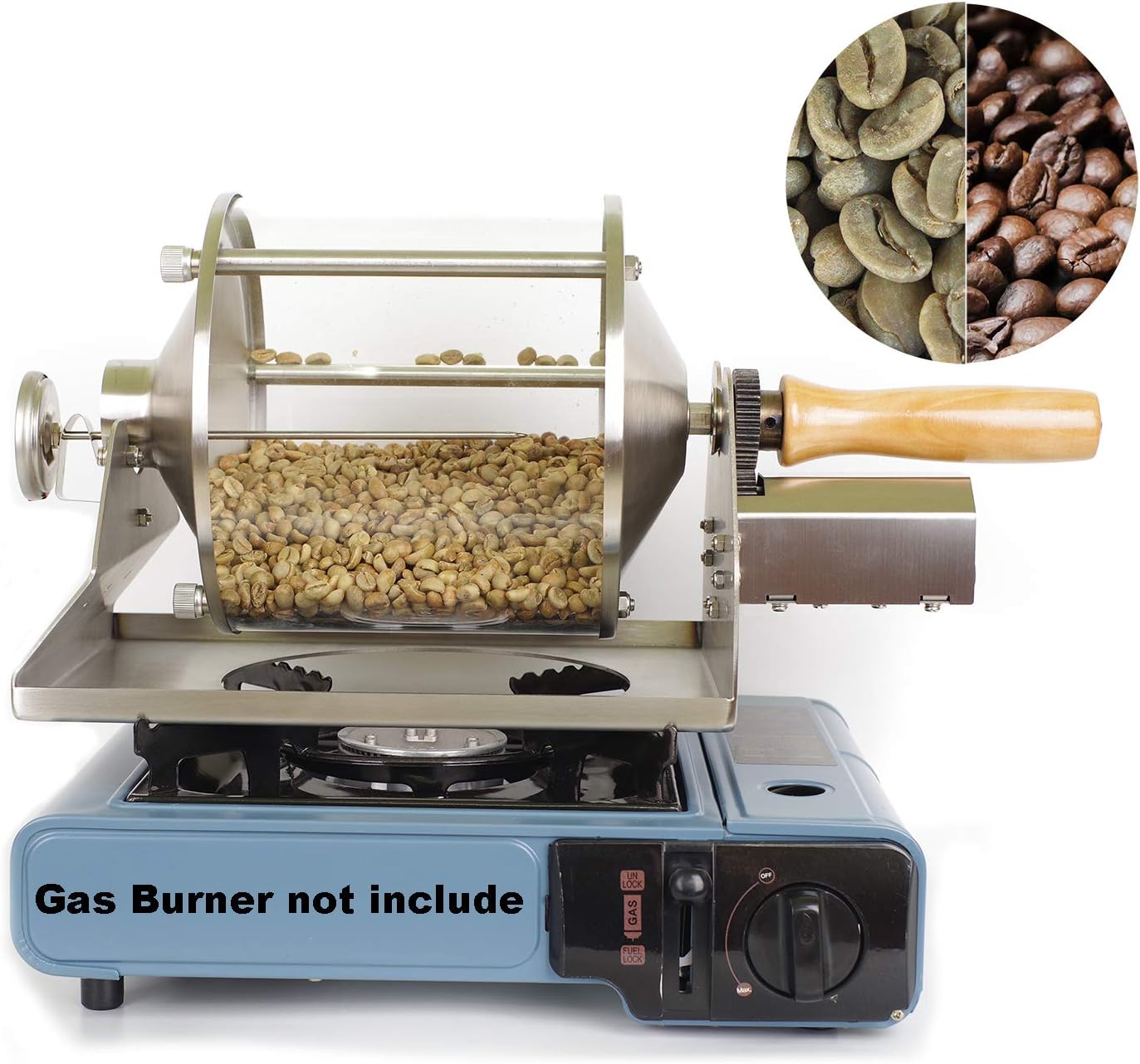
Gas-powered alternatives rely on external burners paired with rotating glass drums, offering traditional thermal control for experienced operators who enjoy hands-on adjustments. Evaluating whether you prefer automated electric heating elements or manual gas flame management ensures your roasting workflow matches your personal comfort level and kitchen safety requirements every single time you process beans.
Material Construction and Durability
The materials used in a roaster impact its structural longevity, daily maintenance requirements, and overall thermal retention properties across sessions. Heavy stainless steel construction naturally resists corrosion, rust, and high-temperature dry burning, making it ideal for continuous commercial use and effortless residue cleaning after messy roasting sessions involving loose oils and chaff accumulation.
Meanwhile, quartz glass windows and transparent drums provide exceptional visual monitoring of coffee bean color transformation from raw green to dark roasts. Balancing robust metal frames with viewing panels ensures you can closely monitor progress while relying on durable, long-lasting structural components that withstand daily heat exposure without degrading over time.
Temperature Control and Programming Features
Precise temperature management is vital for achieving consistent flavor profiles across different green bean types and desired roast levels every single time. Advanced digital panels and microcomputers provide wide temperature ranges and programmable timers, enabling repeatable results for light, medium, and dark roasts without guesswork or erratic heat fluctuations during operation.
Simpler manual models require closer user supervision but offer immediate tactical feedback during the active roast cycle. Selecting between automated digital controls and hands-on adjustments depends entirely on how much precision and automation you want to incorporate into your regular coffee roasting routines at home or in the professional shop.
Smoke Management and Air Quality
Roasting green coffee naturally produces smoke, steam, and loose chaff, making proper ventilation an essential factor for indoor kitchen use today. Machines equipped with efficient chaff collectors and specialized hot air roasting systems help minimize smoke output significantly, keeping your indoor air clear and breathable during active roasting sessions without requiring outdoor setup.
Evaluating how a roaster handles these burning byproducts ensures a pleasant user experience without setting off sensitive household smoke alarms. Reviewing built-in air filtration features or planning for strategic placement near kitchen exhaust hoods prevents smoke accumulation in smaller residential spaces or enclosed studio apartments where natural air circulation is limited.
Maintenance and Cleanup Simplicity
Regular cleaning keeps coffee roasting equipment operating smoothly and prevents old residual oils from altering fresh bean flavors over extended time periods. Removable inner drums, accessible chaff trays, and smooth metal surfaces simplify the removal of burnt residue, significantly reducing the downtime required between back-to-back roasting batches in busy home or commercial environments.
Choosing a machine with straightforward disassembly features encourages consistent maintenance habits over months of heavy daily use. Prioritizing designs that allow thorough surface wiping, easy washing, and debris disposal protects your hardware investment and ensures every roasted batch tastes clean and uncontaminated by previous roasting sessions or oil buildup accumulating inside.
Frequently asked questions
Can I roast things other than coffee beans in these home roasters?
Many electric and commercial roasters feature multifunctional designs that handle various nuts and grains. Models built for home use often accommodate peanuts and popcorn alongside green coffee beans, expanding their utility. However, you should always check the manufacturer specifications to ensure compatibility before attempting to roast non-coffee items. Commercial units frequently process chestnuts, sunflower seeds, and walnuts, creating additional revenue streams or snack options. Always follow guidelines regarding maximum batch limits and cleaning instructions after processing oily foods like peanuts.
How do I choose between an electric roaster and a gas-powered machine?
Choosing between electric and gas roasters depends on your workspace setup and personal roasting preferences. Electric models offer plug-and-play convenience with digital displays, programmable timers, and automated heating elements that make them ideal for indoor kitchen environments. In contrast, gas-powered machines utilize external burners and quartz glass drums, providing traditional manual control and clear visual oversight for experienced enthusiasts. If you prefer push-button operation and indoor simplicity, electric roasters are best. If you enjoy hands-on flame adjustments and traditional aesthetics, gas options suit you well.
How much green coffee can I roast in a single batch?
Batch capacities vary significantly depending on the specific machine model and its intended application. Smaller home roasters typically handle between two hundred and three hundred grams of green coffee per batch, which supplies enough beans for daily personal use. Mid-sized or commercial units scale up production to several pounds per run, accommodating busy cafes and roasting studios. Overloading any roaster beyond its recommended capacity can lead to uneven heating and poor roast development, so it is important to follow the manufacturer guidelines for every session.
Do home coffee roasters produce a lot of smoke during operation?
Roasting green coffee naturally generates smoke, steam, and loose chaff as the beans heat up and shed their outer layers. Many modern home roasters incorporate efficient chaff collectors and hot air roasting systems to minimize smoke output during indoor use. Even with these features, operating near a kitchen exhaust hood or in a well-ventilated space is recommended to prevent smoke accumulation. Models with sealed glass windows also help contain byproducts, ensuring a cleaner environment while letting you monitor bean color changes throughout the roasting cycle safely.
What maintenance is required to keep a coffee roaster running properly?
Proper maintenance involves regular cleaning of the inner drum, chaff collector, and exterior surfaces to prevent oil buildup and burnt residue accumulation. Many stainless steel roasters feature removable drums and accessible trays that simplify the cleaning process between batches. You should wipe down internal chambers and empty chaff bins frequently to maintain optimal airflow and heating performance. Following manufacturer guidelines for cleaning ensures your equipment remains hygienic, prevents flavor cross-contamination between different bean types, and protects your hardware investment over years of use.