Appliances · Buying Guide
Best Cold Brew Coffee Refrigerator Pitchers for Home Kitchens
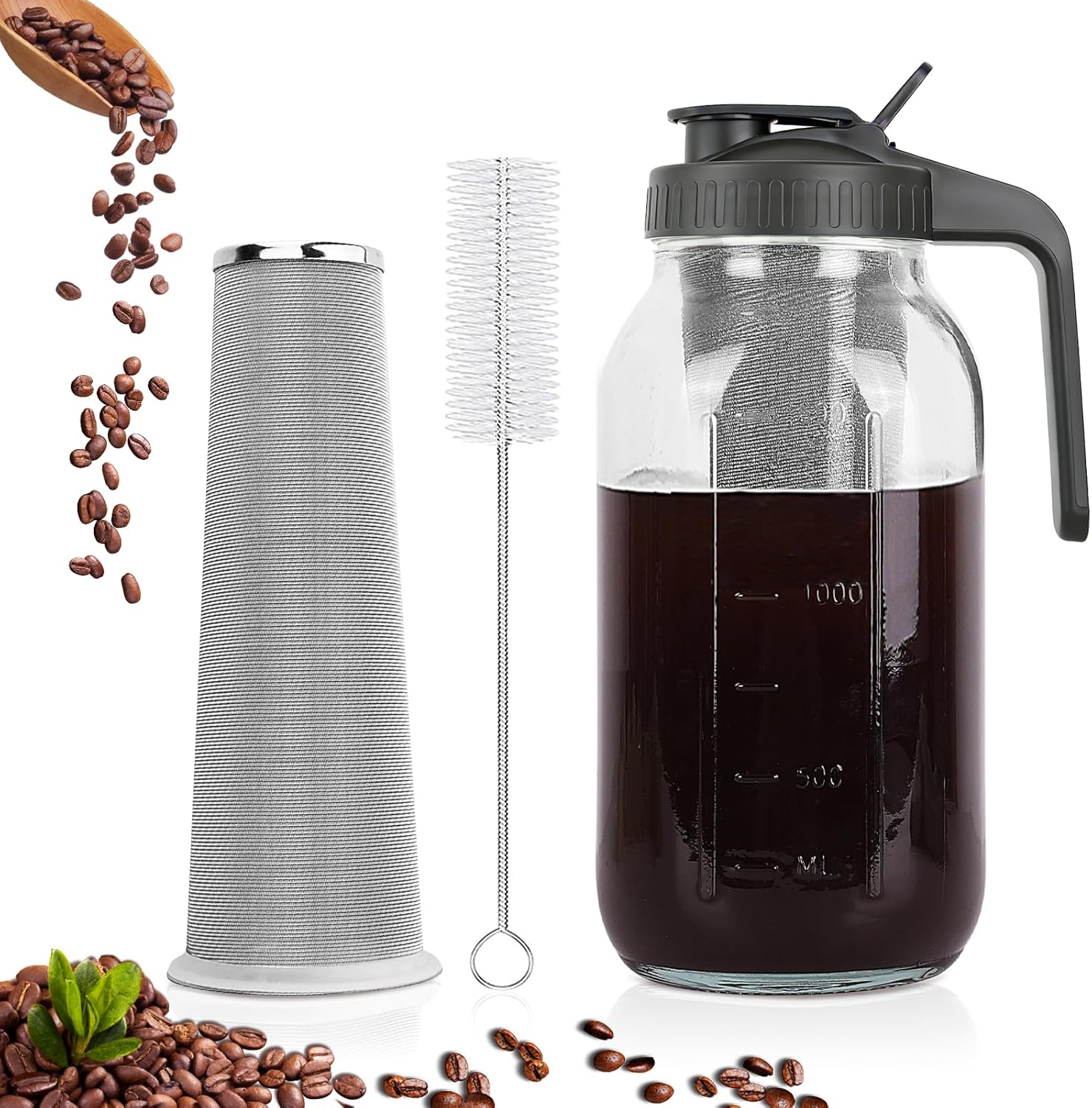
Making cold brew coffee at home requires a reliable glass pitcher designed to fit efficiently inside standard refrigerator spaces while steeping grounds securely. These dedicated containers combine fine mesh stainless steel filters with durable glass construction to produce smooth, concentrated coffee extracts without messy sediment or unwanted grounds entering your final drink.
Selecting the right refrigerator-friendly cold brew maker depends heavily on batch size, available shelf space, and preferred dispensing styles, ranging from traditional top-pour spouts to integrated countertop spigots. Exploring these specific design features helps match your daily beverage habits and kitchen layout to a practical brewing vessel that simplifies routine maintenance and daily cold beverage preparation.
As an Amazon Associate, StacyLaughs earns from qualifying purchases.
Buying guide
Glass Material and Thermal Safety
Selecting a suitable cold brew refrigerator pitcher begins with carefully evaluating the glass body construction. Most quality brewing units utilize heavy-duty soda-lime glass or similar thick glass materials engineered to resist daily kitchen wear while maintaining pure beverage flavors. Unlike plastic alternatives, glass preserves the delicate taste profiles of your coffee or tea without absorbing lingering food odors from surrounding items stored inside crowded household refrigerators.
Thermal limits require close attention during routine cleaning and brewing preparation. Because traditional glass vessels can crack under extreme thermal shock, users must always avoid pouring boiling water directly into unheated containers. Following specific manufacturer temperature guidelines prevents structural damage, protects the glass integrity, and ensures long-term safety when transitioning between room temperature counters and chilled refrigerator environments.
Filter Construction and Mesh Density
The internal filter serves as the core component for achieving a smooth, sediment-free cold brew extract. Premium makers feature stainless steel filters equipped with fine mesh weaves ranging from one hundred to one hundred sixty microns, or precise hole patterns. This dense construction effectively traps fine coffee grounds inside the basket while allowing water to circulate fully, extracting rich flavors without letting unwanted grit pass into your final beverage.
Removable filter baskets also add substantial versatility to your pitcher. When you finish brewing your coffee batch, you can easily take out the stainless steel insert and repurpose the main glass container for storing other homemade drinks like iced tea, lemonade, or fruit infusions. Choosing a model with a durable, easy-to-clean metal filter simplifies maintenance and extends the overall utility of your kitchen setup.
Capacity and Refrigerator Space
Determining the correct capacity requires balancing your household daily consumption against available refrigerator storage space. Sixty-four-ounce pitchers offer a compact footprint that fits comfortably on standard shelves or inside refrigerator doors, making them ideal for single users or couples. Conversely, one-gallon dispensers provide massive volume suitable for large families or frequent gatherings, though they demand considerably more vertical and horizontal clearance inside your appliance.
Evaluating your available shelf dimensions before purchasing prevents storage frustrations later. Taller spigot-equipped dispensers require adequate height for both the container and the glass placed underneath the spigot. Measuring your refrigerator interior carefully ensures that your chosen cold brew maker rests securely without forcing you to rearrange all your other groceries and refrigerated food items.
Dispensing Mechanisms and Lids
The choice between a traditional top-pour lid and an integrated bottom spigot significantly impacts your daily serving routine. Pour-spout lids feature secure flip-caps and silicone sealing rings that allow you to lift the pitcher and pour directly into a glass. These designs maintain an airtight seal during storage, preventing spills if the container shifts or lies sideways on a refrigerator shelf.
Spigot dispensers eliminate the need to lift heavy containers, allowing you to fill cups directly while the pitcher remains parked on the shelf. Models with built-in silicone vents help balance internal pressure for smoother liquid flow. However, spigot systems require periodic cleaning around gaskets and valves to prevent sticky residue buildup and ensure reliable, drip-free dispensing over months of daily use.
Handle Design and Ergonomics
Handling a heavy glass pitcher filled with water and wet coffee grounds requires a secure, comfortable grip. Look for containers featuring ergonomically thickened handles designed to distribute weight evenly across your hand. A sturdy handle prevents hand fatigue and gives you confident control when lifting a fully loaded sixty-four-ounce jar from a deep refrigerator shelf onto your kitchen counter.
Integrated handle construction must withstand regular movement and the swinging motion required to mix settled ingredients. Well-anchored handles prevent structural deformation and lower the risk of accidental drops. Ensuring the handle offers sufficient clearance for your fingers makes daily transport much safer, especially when dealing with heavy glass vessels filled with cold liquids and dense metal filter assemblies.
Cleaning and Routine Maintenance
Maintaining a clean cold brew system ensures your coffee consistently tastes fresh and free from stale residues. Wide-mouth glass jars make it significantly easier to reach inside with a sponge or cleaning brush to scrub away stubborn coffee oils. Many components, including stainless steel filters and glass carafes, feature dishwasher-safe construction, though hand washing with mild soapy water provides a thorough clean for intricate parts.
Regular inspection of silicone gaskets, seals, and spigot connections prevents unexpected leaks and maintains proper airtight performance. Taking apart removable parts during cleaning prevents flavor transfer between different beverages like tea and coffee. Following manufacturer maintenance guidance keeps your equipment hygienic and ensures your refrigerator cold brew maker remains a reliable kitchen staple for years.
Frequently asked questions
How long should I steep cold brew coffee in a refrigerator pitcher?
Steeping times typically range between twelve to twenty-four hours depending on your preferred coffee strength and grind size, though some specialized fast-brewing models extract rich flavors in four to six hours. Placing the filled pitcher inside your refrigerator slows down extraction compared to room-temperature brewing, resulting in a smoother, less acidic concentrate. Always consult the specific user manual for your chosen pitcher model to determine exact steeping recommendations, as filter mesh density and bean coarseness heavily influence the final extraction speed.
Can I store milk or other beverages in these glass pitchers?
Yes, these glass pitchers function as versatile storage containers for various homemade beverages once you remove the stainless steel filter basket. You can use them to store iced tea, sun tea, lemonade, fruit-infused water, or milk. The food-grade soda-lime glass and airtight silicone-sealed lids help isolate flavors and prevent refrigerator odors from contaminating your drinks. However, when storing perishable items like milk, ensure you clean and sanitize the glass jar frequently according to standard food safety practices.
Why is there sediment at the bottom of my cold brew glass?
Finding minor sediment usually results from using an extra-fine coffee grind that slips through the stainless steel filter mesh, especially if the filter features a one hundred or one hundred sixty micron weave. While these metal filters catch the vast majority of grounds, microscopic particles can occasionally pass into the liquid. To minimize sediment, choose a coarser grind size specifically recommended for cold brew extraction, and avoid shaking or agitating the pitcher aggressively right before pouring your drink.
Are these glass pitchers safe to place on refrigerator door shelves?
Many compact sixty-four-ounce glass pitchers feature slim profiles engineered specifically to fit inside standard refrigerator door shelves, maximizing your available storage space. However, larger one-gallon dispensers possess wider dimensions that require flat interior refrigerator shelves rather than narrow door bins. Always measure your refrigerator door clearance and the outer diameter of the pitcher before purchasing to ensure a secure fit that prevents tipping or door closing obstructions during daily kitchen use.
How do I prevent leaks from spigot-equipped cold brew dispensers?
Preventing leaks in spigot dispensers requires careful initial assembly and periodic maintenance of the sealing gaskets. Models featuring I-shaped silicone gaskets help reduce metal-to-glass friction and create a tight seal when installing the spigot. Ensure that all washers and nuts are tightened snugly without applying excessive force that could stress the glass. Additionally, opening the top lid or silicone vent before operating the spigot balances internal pressure, supporting smooth pouring while maintaining a secure, drip-free seal during refrigerator storage.