Appliances · Buying Guide
Best Cold Brew With Ground Coffee Makers For Smooth Homemade Iced Drinks
Making cold brew with ground coffee at home gives you full control over strength and flavor without visiting a cafe daily. Whether you prefer a bold concentrate or a lighter ready-to-drink iced beverage, using fresh coffee grounds creates a smooth, low-acid cup. Dedicated cold brew makers simplify the steeping and filtering process using structured mesh baskets and glass carafes.
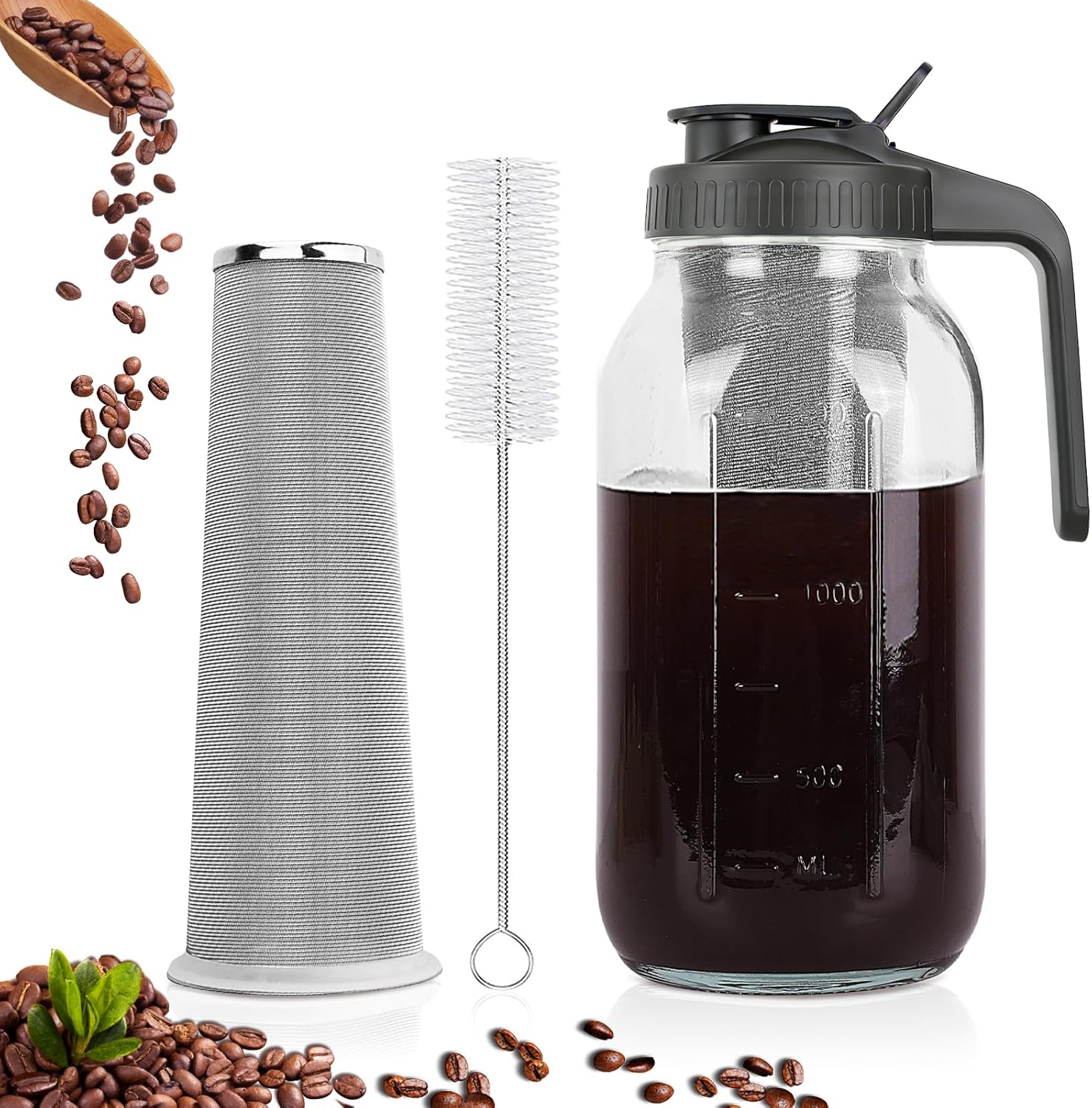
Choosing the right pitcher or brewing system depends on your counter space, preferred batch size, and cleaning routine. Some models feature large mason jar designs with fine metal filters, while others use specialized release valves or heatproof glass. Exploring the available options helps you match your daily routine with a brewer that keeps preparation straightforward and mess-free.
As an Amazon Associate, StacyLaughs earns from qualifying purchases.
Buying guide
Selecting the Right Capacity
Choosing the appropriate capacity for your cold brew system depends entirely on your daily consumption habits and household size. Smaller thirty-two ounce units produce concentrated batches that require dilution with water or milk before serving. These compact options fit easily into refrigerator doors and crowded shelf spaces without demanding excessive room.
Larger sixty-four ounce pitchers accommodate higher volume needs, making them ideal for families or individuals who drink multiple cups daily. However, these larger glass containers require more vertical or horizontal space inside your refrigerator. Matching your typical weekly consumption to the right vessel size ensures you always have refreshing beverages ready without running out prematurely or wasting leftover coffee.
Understanding Filter Mesh Densities
The filter mesh density plays a vital role in determining the clarity and texture of your homemade cold brew coffee. Stainless steel filters typically feature weaves ranging from one hundred to one hundred sixty microns. A denser weave effectively prevents fine coffee grounds from passing into the liquid, ensuring a smooth and pleasant drinking experience.
While paper filters trap virtually all sediment, reusable metal mesh filters let beneficial aromatic oils pass through into your final beverage. Selecting a model with high-quality stainless steel construction ensures durability over hundreds of brewing cycles. Cleaning these metal filters is straightforward, provided you rinse away residual grounds promptly after emptying the container.
Glass Material and Thermal Safety
Glass is the preferred material for cold brew carafes because it preserves pure beverage flavors without absorbing odors or stains. Many standard pitchers utilize heavy-duty soda-lime glass, which offers a solid hand-feel and lasting durability. However, soda lime glass requires careful handling to prevent damage from sudden temperature shifts or direct hot-to-cold liquid transfers.
Borosilicate glass provides enhanced resistance to thermal shock, making it a reliable choice for versatile kitchen glassware applications. Regardless of the specific glass type, following manufacturer guidelines regarding water temperature limits prevents accidental cracking. Inspecting your pitcher for minor flaws before filling protects your kitchen surfaces and ensures safe daily operation.
Lid Seals and Leak Prevention
A secure lid mechanism is essential when you store your cold brew pitcher inside a busy refrigerator environment. Models featuring silicone sealing rings and airtight flip-top spouts allow you to store jars horizontally without risking messy leaks. This tight seal also prevents unwanted food odors from the refrigerator from contaminating your delicate coffee brew.
When evaluating lid designs, check whether the flip cap stays securely open during pouring to prevent frustrating drips and splashes. Sturdy plastic or silicone components that disassemble easily allow for thorough cleaning around the sealing ring. Prioritizing a well-engineered lid ensures your refrigerator remains clean and your stored beverages stay fresh for days.
Cleaning and Maintenance Routines
Regular cleaning keeps your cold brew equipment functioning properly and prevents stale coffee oils from altering subsequent batches. Many glass pitchers and stainless steel filters feature dishwasher-safe construction for effortless cleanup after a long steeping cycle. Wide-mouth designs allow you to reach inside easily with a sponge or brush when stubborn residues accumulate.
Removable filter baskets and modular valve components simplify the deep-cleaning process by letting you wash each part independently. Avoid using harsh abrasive scrubbers that might scratch glass surfaces or warp delicate metal mesh screens over extended periods. Following manufacturer maintenance guidance preserves the longevity of your coffee maker and ensures consistently great beverage flavors every single morning.
Grinds and Extraction Control
Making cold brew with ground coffee allows you to experiment with different grind sizes to customize your flavor profile. Coarser grinds produce a lighter, cleaner cup, while finer grinds yield a stronger extraction with more body. Using specialized brewing mechanisms like rainmaker tops or control valves ensures even water distribution across all coffee particles.
Allowing coffee grounds to steep for twelve to twenty-four hours achieves optimal flavor extraction without developing excessive bitterness. Adjusting your steep times and coffee-to-water ratios gives you total creative control over the final concentrate strength. Mastering these simple variables transforms basic kitchen ingredients into exceptional cafe-quality iced beverages right at home every day.
Frequently asked questions
How long should I steep ground coffee for cold brew?
Steep your ground coffee for anywhere between twelve to twenty-four hours inside the refrigerator for optimal flavor extraction. Shorter steeping times around twelve hours yield a milder brew, while extending the process toward twenty-four hours creates a bolder, stronger concentrate. Leaving the grounds in contact with water for too long beyond this window can occasionally introduce unwanted bitterness, so monitoring your timer is helpful. Experimenting with different durations allows you to find your preferred strength.
What grind size is best for making cold brew?
A medium-coarse to coarse grind size is generally recommended for making cold brew coffee with standard mesh filters. Coarse coffee grounds prevent excessive sediment from slipping through the metal mesh and help maintain a smooth, clean texture in your final beverage. Using a grind that resembles coarse sand ensures water extracts the rich flavors evenly without over-extracting bitter compounds. If you notice too much sediment, try adjusting your coffee grinder coarser.
Can I use boiling water in a glass cold brew pitcher?
You must check the manufacturer guidelines for your specific glass pitcher, as many soda-lime glass containers have strict temperature limits. Pouring boiling water directly into cold glass can cause thermal shock and crack the material. Most cold brew systems are designed for cold or room temperature water extraction inside the refrigerator. If hot water is required for any prep steps, let it cool down significantly or use a heatproof borosilicate glass model.
How do I clean fine mesh stainless steel coffee filters?
Cleaning fine mesh stainless steel filters is straightforward if you rinse away spent coffee grounds immediately after emptying the container. You can tap the filter gently to release packed grounds and then wash it with warm soapy water. Many filters are dishwasher-safe, allowing for effortless maintenance alongside your glass carafe. Avoid using harsh metal scouring pads that could warp the delicate wire mesh and compromise its ability to trap fine coffee particles effectively.
Do I need to dilute cold brew coffee concentrate?
Whether you need to dilute your cold brew depends on the brewing system and your personal taste preferences. Systems that produce a concentrated brew yield a potent liquid that is typically diluted with an equal amount of water, milk, or plant-based alternatives before drinking. Ready-to-drink pitchers brew milder beverages that can be poured and served directly over ice without extra mixing. Always check your specific brewer's instructions to determine whether you have made a ready-to-drink beverage or a concentrated base.