Appliances · Buying Guide
Best Methods to Froth Milk Without Frother Appliances at Home
Exploring ways to froth milk without traditional frother setups opens up diverse options for coffee lovers and home cooks. Various handheld devices, motorized pitchers, and multi-speed tools offer alternative ways to achieve creamy textures for lattes, cappuccinos, and hot chocolates directly in your kitchen. Choosing the right equipment depends on your preferred drink styles, counter space availability, and desired cleanup routines.
When evaluating these alternatives, understanding the physical design, power source, and included attachments helps align your purchase with daily habits. From battery-operated battery wands to countertop jugs with ceramic or stainless steel interiors, each design brings distinct practical suitability to your daily routine. Reviewing these specifications ensures you select an option that fits your storage space and beverage preferences seamlessly.
As an Amazon Associate, StacyLaughs earns from qualifying purchases.
Buying guide
Evaluating Power Sources and Motor Performance
Selecting the right power source dictates how and where you prepare your beverages. Battery-powered handheld wands offer maximum portability, allowing you to mix drinks anywhere without worrying about electrical cord placement. Rechargeable lithium battery models eliminate disposable cell waste while providing consistent motor speeds across multiple sessions. Corded electric countertop models rely on higher wattage outputs to drive internal heating elements and motorized whisks simultaneously.
Evaluating motor performance involves looking at speed settings and continuous operation limits. Multi-speed handheld mixers give you direct control over liquid agitation, helping reduce splashing when working with shallow containers. Countertop appliances automate the entire process, maintaining steady rotation speeds alongside controlled heating cycles. Matching the power configuration to your kitchen layout ensures effortless daily use.
Understanding Capacity and Volume Requirements
Capacity specifications determine how many beverages you can prepare in a single cycle. Countertop frothers and steamers feature distinct maximum fill lines for heating liquids versus frothing foam. Models supporting higher heating capacities let you warm plain milk or hot chocolate in larger batches when foam is unnecessary. Frothing capacities are typically smaller because milk expands significantly as air incorporates into the liquid during agitation.
Assessing your household size helps clarify whether a compact pitcher or a high-capacity jug fits your lifestyle. Single-user setups benefit from smaller chambers that heat up quickly and minimize leftover waste. Larger households or frequent hosts should look for appliances with expanded heating thresholds to reduce preparation time. Always check the manufacturer fill guidelines to prevent overflow and ensure proper texture development.
Comparing Material Types and Interior Coatings
Material selection influences both the durability and the maintenance routine of your equipment. Stainless steel components offer robust structural integrity and resist corrosion during daily washing. Ceramic interior coatings provide non-stick properties that prevent milk residue from adhering to the walls during heated cycles. Glass and durable plastic configurations offer lightweight alternatives with distinct visual aesthetics on your kitchen counter.
Consider how each material interacts with your cleaning habits before making a purchase. Stainless steel jugs often tolerate dishwasher placement for effortless sanitation after heavy use. Ceramic-coated interiors generally require gentle hand washing to preserve the non-stick surface over years of service. Reviewing these construction details ensures your chosen device withstands frequent daily beverage preparation.
Analyzing Cleaning and Maintenance Guidelines
Proper maintenance extends the lifespan of your kitchen tools and keeps beverage preparation hygienic. Handheld wands often clean in seconds by running the rotating metal shaft in warm water. Countertop machines with detachable jugs allow you to lift the container away from the electrical base for safe rinsing. Following manufacturer instructions prevents water damage to sensitive heating bases and internal electrical components.
Pay close attention to specified cleaning methods, such as whether parts are dishwasher safe or restricted to hand washing. Non-stick interior coatings benefit from soft sponges and mild detergents to prevent scratching. Keeping maintenance requirements aligned with your schedule guarantees that daily cleanup remains quick and hassle-free.
Reviewing Included Attachments and Accessory Options
Versatility often depends on the variety of accessories included in the package. Some handheld mixers feature multiple interchangeable whisks designed for specific tasks like frothing milk, beating eggs, or mixing protein powders. Countertop appliances rely on specialized internal stirring paddles optimized for creating dense foam, light foam, or gentle warming without excessive bubbles.
Storage accessories such as countertop stands and travel cases add practical value for organized kitchens and mobile users. A dedicated stand keeps handheld wands accessible while complementing other countertop coffee accessories. Evaluating the included components helps you determine if a device can handle multiple culinary tasks beyond basic milk preparation.
Balancing Counter Space and Storage Practicality
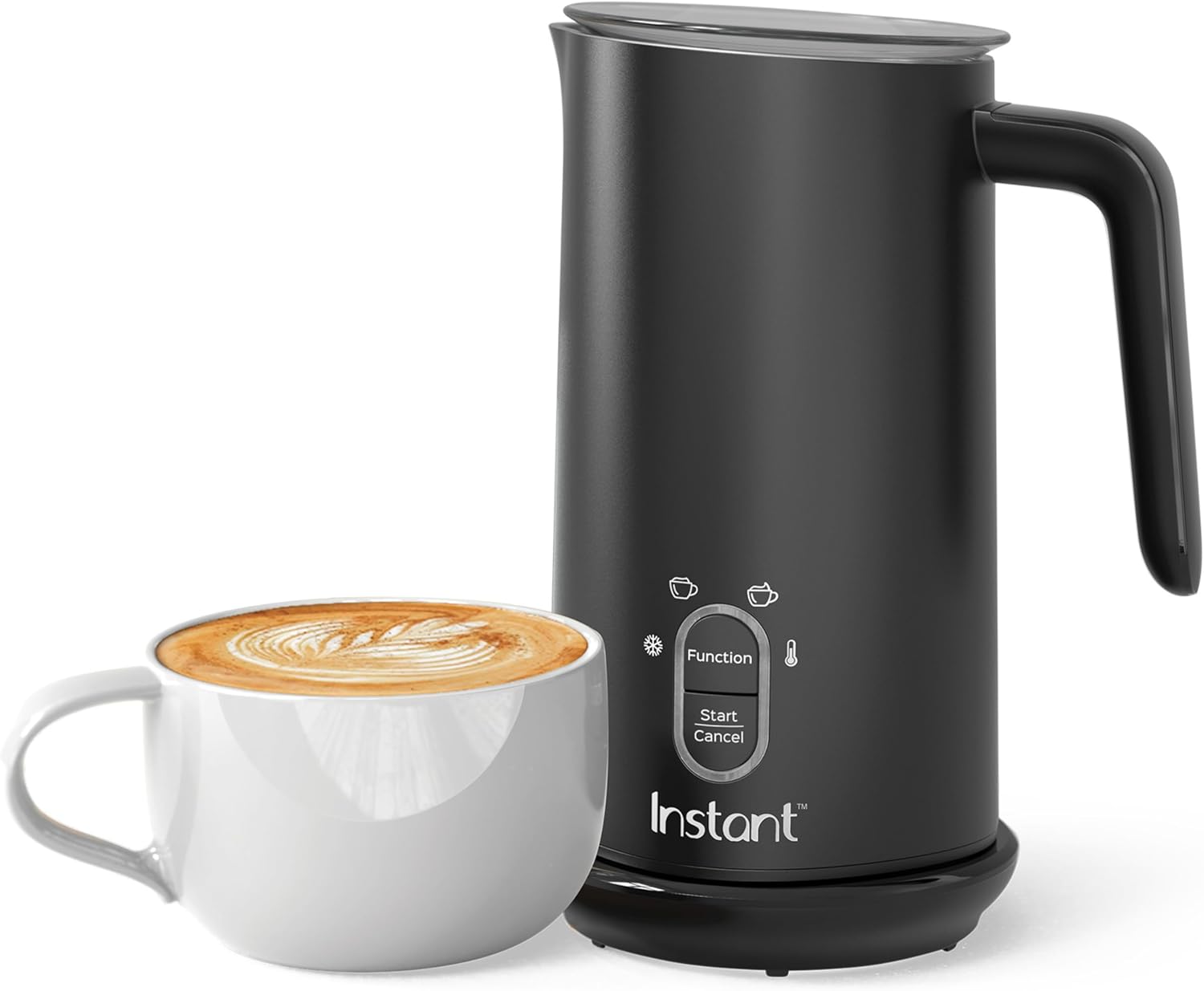
Kitchen footprint is a vital consideration for anyone with limited counter space. Handheld battery wands take up virtually no permanent surface area, slipping easily into a standard kitchen drawer or resting neatly on a compact stand. Countertop pitchers require dedicated space near an electrical outlet, making them more permanent fixtures in your coffee station layout.
Assess your available storage before investing in larger multi-function appliances. If drawer space is at a premium, a sleek countertop jug with a clean profile blends well alongside espresso machines and grinders. Balancing physical dimensions with your kitchen layout ensures your workspace remains functional and clutter-free.
Frequently asked questions
Can I use plant-based milks with these frothing devices?
Yes, many devices accommodate various dairy alternatives such as soy, almond, cashew, hazelnut, and oat milk. Results can vary depending on the protein and fat content of the specific plant-based beverage. Experimenting with different brands helps you find the option that produces your preferred foam consistency. Always follow the manufacturer guidelines regarding maximum fill lines and temperature settings when working with non-dairy liquids.
What is the difference between hot and cold frothing modes?
Hot frothing modes activate internal heating elements while spinning the whisk or paddle to warm and texture the milk simultaneously. Cold frothing modes agitate chilled or room-temperature milk without adding heat, creating a refreshing foam layer ideal for iced coffees and cold brews. Selecting the appropriate mode depends entirely on the specific temperature profile of the beverage you wish to create at home.
How do I clean my electric milk frother safely?
Cleaning methods depend on the specific construction of your device. Detachable stainless steel jugs and dishwasher-safe pitchers can be washed according to manufacturer instructions, often supporting machine or sink washing. Electrical heating bases must never be immersed in water and should be wiped clean with a damp cloth. Handheld wands typically clean quickly by spinning the attachment in warm running water.
Do I need special batteries for handheld frother wands?
Many battery-powered handheld frothers operate on standard AA batteries, and some models include the initial set in the package. Rechargeable units feature built-in lithium batteries that connect to charging cables, eliminating the need to buy replacement disposable cells. Checking the specifications of your chosen model clarifies the power requirements before you start using the device.
Why does milk temperature matter for frothing results?
Starting with properly chilled dairy milk helps achieve thicker and creamier foam during agitation. Whole milk with adequate fat content provides the necessary structural proteins to stabilize the bubbles formed by the frother. Following specific temperature recommendations ensures optimal foam development across both manual wands and automated countertop appliances.