Appliances · Buying Guide
Best Glass Loose Leaf Tea Infuser Options for Every Brewing Style
Enjoying loose leaf tea requires the right equipment to let flavors fully develop while keeping leaves out of your final cup. Glass loose leaf tea infusers offer a clear view of the brewing process, allowing you to watch colors deepen and tea leaves expand naturally during steeping. Using transparent vessels helps monitor the strength of green, black, or herbal blends easily.
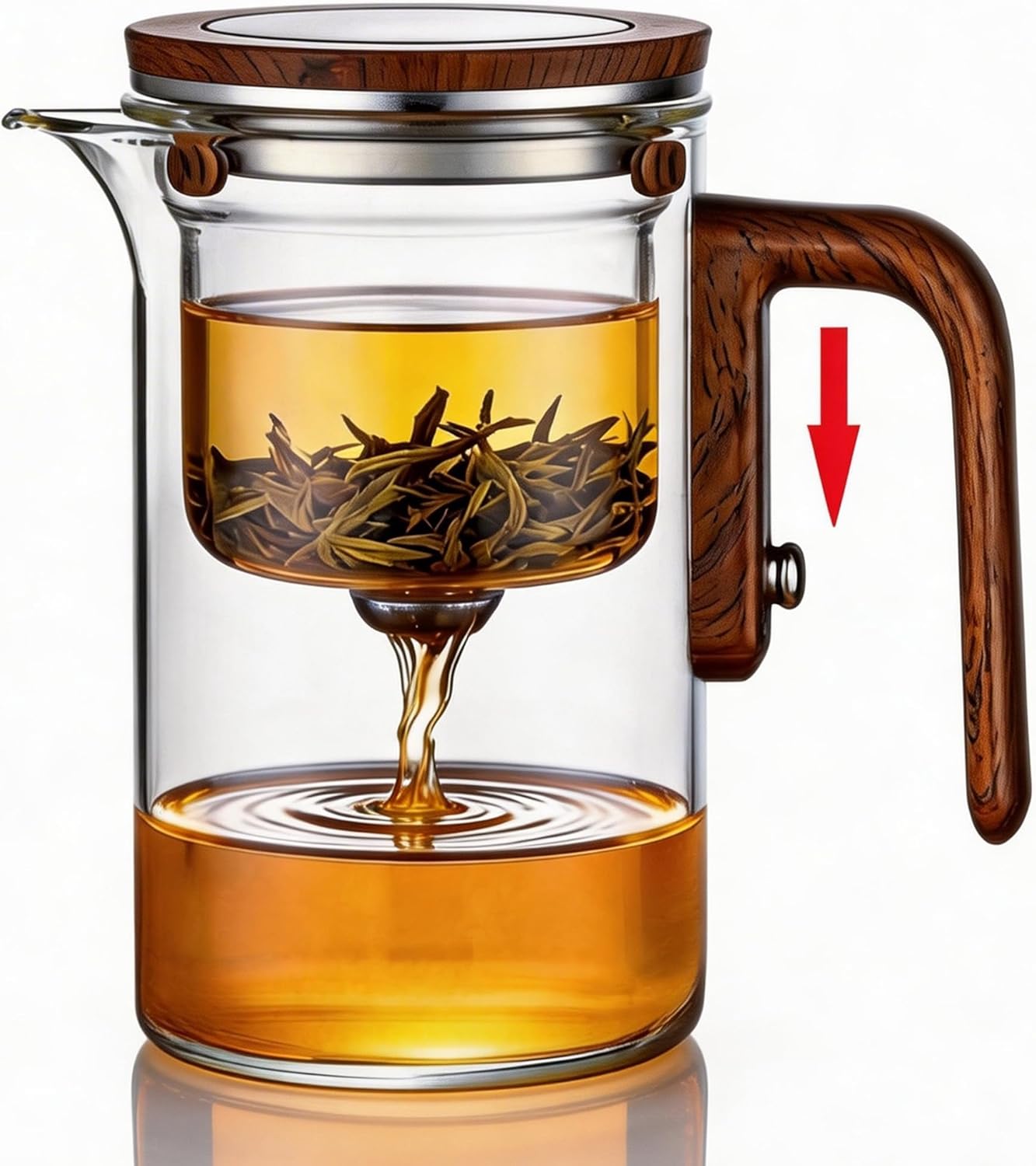
Whether you prefer a traditional teapot style, a direct cup-top strainer, or a specialized vessel featuring an integrated dispensing valve, borosilicate glass materials ensure pure tastes without absorbing unwanted odors or flavors. Selecting the right design depends entirely on your daily routine, preferred batch size, and specific brewing preferences for daily use.
As an Amazon Associate, StacyLaughs earns from qualifying purchases.
Buying guide
Material Composition and Thermal Durability
Choosing a glass infuser begins with examining the exact material composition. High borosilicate glass provides superior resistance to thermal shock compared to standard glass types, making it highly suitable for boiling water applications. This specialized material resists cracking when transitioning between different temperatures, ensuring reliable performance during daily tea preparation routines in busy home kitchens.
Look for sturdy rims and heavy-duty construction that withstands daily washing and handling. Selecting durable borosilicate variants ensures your tea infuser maintains visual clarity and resists scratching over extended periods of regular kitchen use. Evaluating these baseline structural factors helps prevent premature wear and supports long-term kitchen utility across various black, green, or herbal beverage types.
Capacity and Serving Size Requirements
Evaluating capacity requirements ensures your tea infuser matches your daily drinking habits. Smaller options holding around seventeen ounces serve single mugs efficiently, whereas larger twenty-seven ounce models accommodate multiple cups or small gatherings. Consider whether you typically brew tea for just yourself or plan to share servings with family members and guests during afternoon socializing.
Matching vessel volume to your typical consumption prevents the need for constant refilling or wasting unused brewed liquid. Keep in mind that internal infuser baskets occupy some internal space, reducing the actual liquid volume relative to total vessel size. Assessing these dimensional factors guarantees a practical fit for your household beverage routine.
Infuser Mechanism and Brewing Control
Different infuser designs offer varying degrees of control over the steeping process. Traditional basket infusers allow loose leaves to float freely, while magnetic release chambers and bottom valves stop extraction instantly. Selecting a mechanism depends on how precisely you wish to manage steeping duration to prevent bitter flavors in delicate green or black teas.
Consider whether you prefer manual removal of an internal strainer basket or automated valve triggers that drain liquid into a mug. Each brewing style alters your interaction with the tea leaves, influencing both cleanup ease and flavor consistency. Reviewing these mechanical options helps align your equipment with your preferred tea preparation habits.
Cleaning and Maintenance Convenience
Maintaining your glass tea infuser involves regular washing of removable filters, lids, and glass chambers. Multi-piece designs offer thorough access for cleaning out spent leaves, though they require handling additional components during routine maintenance tasks. Smooth glass surfaces and removable stainless steel mesh filters generally simplify the cleanup process after daily use.
Check whether the vessel features wide openings that accommodate hand washing or dishwasher compatibility for added convenience. Minimizing crevices where tea residue can accumulate keeps your equipment hygienic and preserves pure flavor profiles for subsequent brews. Prioritizing easy maintenance ensures your infuser remains a functional part of your kitchen routine.
Stovetop Compatibility Versus Standalone Vessels
Determine whether you need a vessel that heats water directly on a stovetop burner or a standalone steeper designed for pre-boiled water. Stovetop-safe glass kettles combine boiling and steeping duties into one convenient piece of equipment, reducing counter clutter. Standalone infusers require a separate kettle or boiling source but often feature specialized internal mechanisms.
Assess your kitchen setup and heating sources before choosing between a dual-purpose kettle and a dedicated infuser vessel. Stovetop models require careful temperature monitoring and heat-resistant glass construction, while standalone steepers focus entirely on the filtration and pouring experience. Aligning the vessel type with your boiling method ensures smooth operation.
Pouring Ergonomics and Lid Security
Pouring performance depends heavily on spout design, handle comfort, and secure lid mechanisms. Precision-engineered spouts prevent messy drips on tables, while integrated silicone rings or locking lids help keep components secure when tilting the vessel at steep angles. Evaluating these ergonomic details enhances safety and reduces spills during serving.
Handle materials, whether borosilicate glass, stainless steel, or faux wood grain, influence your grip stability when lifting a full pot of hot tea. Ensuring that lids remain firmly attached during high-angle pouring prevents accidental splashes. Testing or reviewing these physical attributes contributes to a more pleasant beverage-serving experience.
Frequently asked questions
Can glass loose leaf tea infusers be used on stovetops?
Stovetop compatibility depends entirely on the specific model's design and manufacturer specifications. While certain glass teapots are engineered to function as both a kettle and a steeper for direct heating on burners, many specialized infusers, magnetic chambers, and stick strainers are intended strictly for hot water poured from a separate source. Always verify whether the vessel is rated for direct thermal heating before placing it on any cooking element to avoid glass breakage.
How do I prevent loose tea leaves from escaping into my cup?
Preventing loose leaves from entering your cup relies on using infusers with fine stainless steel mesh filters or precision-engineered strainer baskets that match the leaf grade you are steeping. For very fine herbal blends or powdered teas, ensure the mesh screen is pressed evenly into place or select a vessel with a tight valve mechanism. Proper assembly of internal components creates a secure barrier that traps spent leaves while allowing flavorful liquid to pass through freely.
Are glass tea infusers difficult to clean after use?
Cleaning glass tea infusers is generally straightforward because smooth glass surfaces do not absorb odors, stains, or lingering flavors from tea leaves. Most models feature removable stainless steel mesh filters, detachable chambers, or wide openings that allow you to rinse out spent leaves easily with water. While multi-piece units require disassembling a few components for thorough washing, their detachable parts ensure that tea residue can be cleared out completely without heavy scrubbing.
What capacity should I choose for daily loose leaf tea brewing?
Selecting the appropriate capacity depends on how many cups of tea you typically consume in a single sitting. Smaller vessels holding around seventeen to twenty ounces work well for single large mugs or individual portions. If you frequently serve guests or prefer multiple cups throughout your morning routine, larger twenty-four to twenty-seven ounce models provide sufficient volume. Keep in mind that internal infuser baskets occupy space, slightly reducing the total liquid volume available per brew.
Do glass infusers alter the taste of specialty teas?
High-quality borosilicate glass infusers are non-porous and chemically inert, meaning they do not impart off-flavors, odors, or toxins into your tea. This neutral material allows delicate green teas, robust black teas, and complex herbal blends to express their true flavors without interference. Unlike plastic or reactive metal containers, clean glass maintains the absolute purity of your beverage from the first steep to the final drop.