Appliances · Buying Guide
Best Glass Tea Infuser Teapot Options for Loose Leaf Brewing
Finding the right glass tea infuser teapot can completely transform your daily routine, turning a simple hot beverage into a mindful ritual. Whether you enjoy delicate green teas, robust black blends, or vibrant herbal infusions, having the correct vessel matters. Clear glass teapots allow you to watch the leaves unfurl, adding a visual element to your kitchen or office desk.
Modern designs range from compact models built for single servings to large pitchers capable of hosting family gatherings. Many options feature removable stainless steel strainers, heat-resistant borosilicate bodies, and specialized pouring spouts. By understanding your specific brewing habits and preferred batch sizes, you can easily select a reliable pot that fits your lifestyle without unnecessary complications.
As an Amazon Associate, StacyLaughs earns from qualifying purchases.
Buying guide
Material Quality and Thermal Resistance
Selecting a glass tea infuser teapot starts with examining the glass material. High borosilicate glass handles extreme temperature swings without cracking. Whether pouring boiling water into a cold pot or storing cold brew in the refrigerator, borosilicate compositions provide essential reliability. Avoid standard glass variants lacking thermal shock resistance, as they pose risks during sudden heat changes.
Beyond safety, quality glass ensures tea retains pure flavor without absorbing lingering odors or stains. Unlike plastic alternatives, clear glass lets you monitor color changes and watch blooming flowers unfurl. Look for explicit mentions of food-grade, lead-free construction. Investing in a robust borosilicate body guarantees long-term durability, ensuring your teapot withstands frequent washing and continuous heating cycles.
Infuser Type and Mesh Density
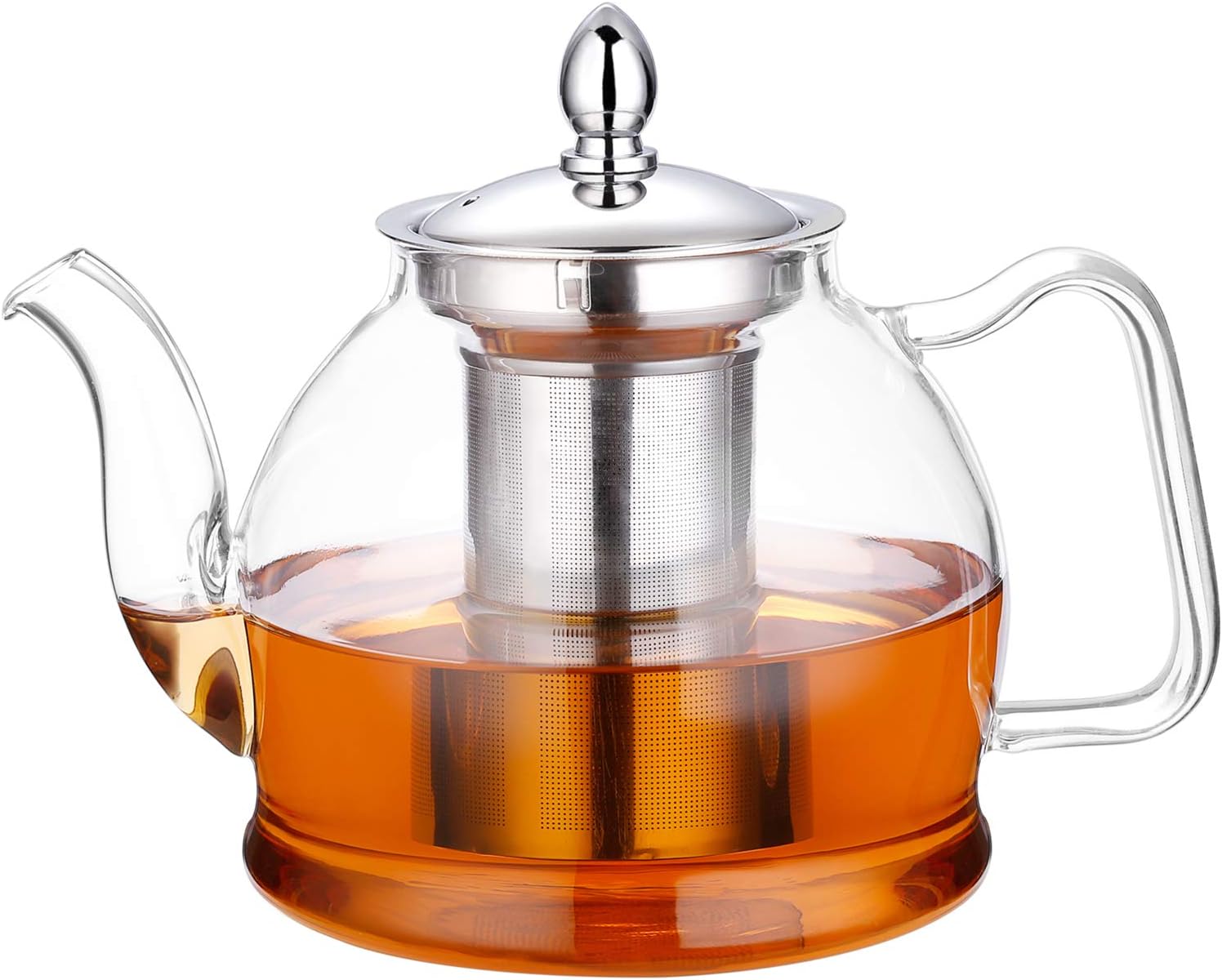
The infuser basket is the heart of any loose leaf teapot, determining how cleanly your beverage brews. Stainless steel infusers, particularly those made from 18/8 or 18/10 grades, offer exceptional durability and corrosion resistance. An ultra-fine mesh design is vital for trapping tiny leaf fragments and herbal dust, keeping your final cup smooth and sediment-free. Removable baskets also make discarding spent leaves much faster.
Consider whether you prefer a deep infuser basket that allows leaves to expand fully or a shallow strainer. Deep baskets give loose oolongs and large black tea leaves the room they need to release their full flavor profiles. Ensure the mesh basket fits securely against the lid and rim, preventing loose debris from slipping into the liquid chamber while you pour your morning cup.
Capacity and Daily Volume Needs
Matching the teapot capacity to your daily drinking habits prevents constant refilling or wasted liquid. Smaller models holding around twenty to twenty-four ounces suit individual users or couples sharing a quick morning cup. If you regularly host guests or work in an office setting, larger pitchers holding fifty ounces provide enough volume to serve multiple people without pausing to reheat water or repack fresh loose tea leaves.
Keep in mind that advertised capacity often reflects total vessel volume rather than usable brewing space once the infuser is inserted. Account for this slight reduction when calculating how many standard cups your chosen pot can produce. Choosing the correct size ensures your teapot remains practical for your specific routine, balancing counter footprint against the number of servings you need during busy daily schedules.
Stovetop Compatibility Versus Specialty Brewers
Stovetop safety is a major factor depending on how you prefer to heat your water. Many borosilicate glass teapots can be placed directly on gas or electric ceramic burners, doubling as a kettle to boil water from scratch. This all-in-one capability streamlines your kitchen workflow by eliminating the need for a separate water heating appliance. Always check manufacturer guidelines regarding burner temperature limits and induction stove restrictions.
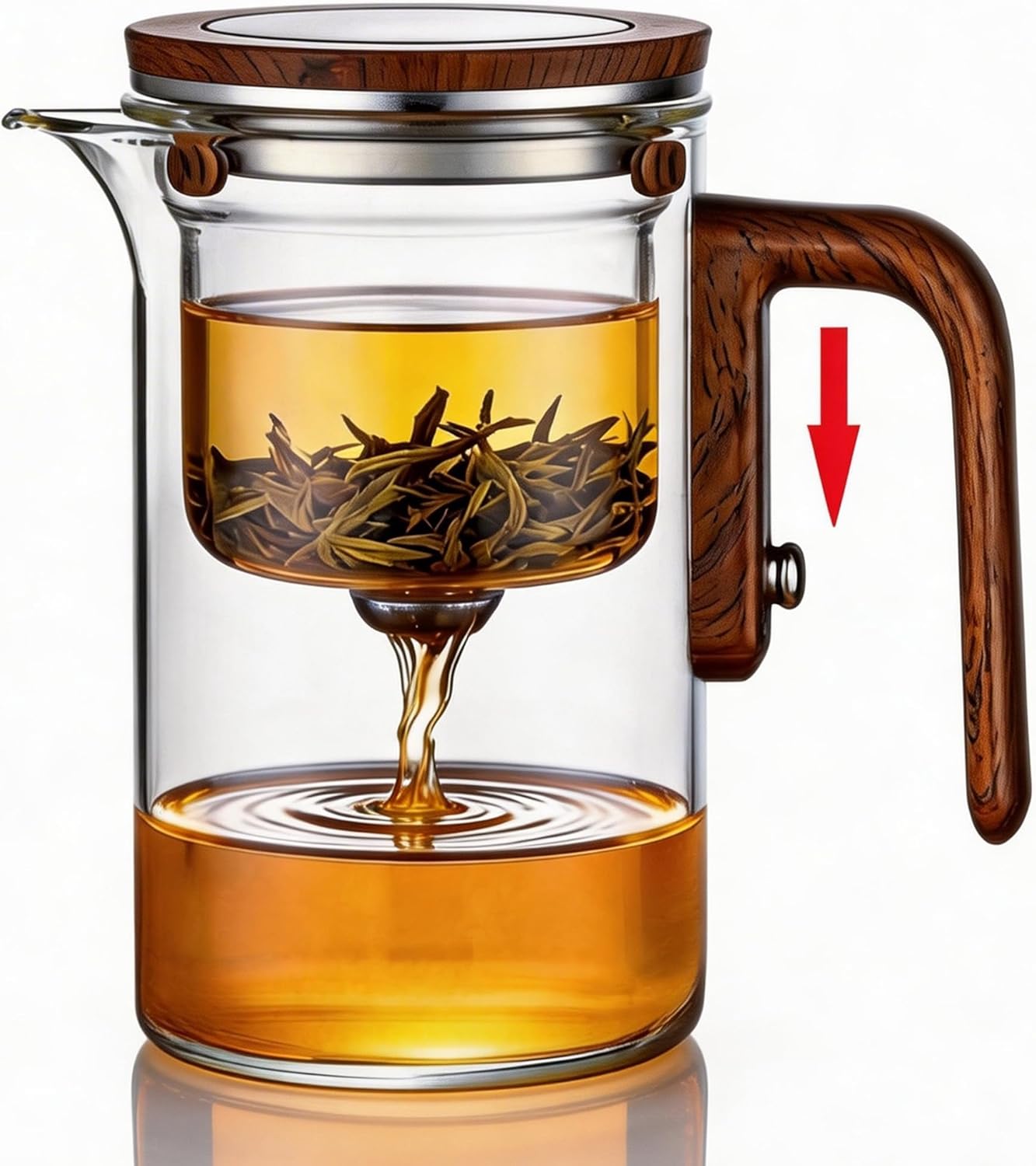
Conversely, specialty brewers featuring internal magnetic valves or complex separation mechanisms are strictly designed for hot water pouring rather than direct burner use. While these models require a separate kettle, they offer advanced control over steeping times, preventing bitter over-extraction. Weigh the convenience of direct stovetop heating against the precise brewing control offered by specialty designs to find the best match for your kitchen setup.
Spout Design and Pouring Comfort
A well-designed spout prevents messy drips and erratic splashing that can ruin tabletops during tea service. Spouts styled like eagle beaks or precision-engineered curves deliver a smooth, continuous stream of liquid. Ergonomic handles are equally important, providing a secure, comfortable grip that reduces wrist strain when lifting a heavy, fully filled pot. Look for balanced weight distribution to ensure stable, confident pouring every single time.
Handle materials also impact your daily experience. Faux wood grain, heat-resistant plastics, and smooth glass loops offer different tactile sensations and thermal insulation properties. Ensure the handle stays cool to the touch during use and attaches securely to the glass body. Testing or reviewing handle ergonomics helps prevent accidental slips, ensuring you can pour hot tea safely for family and friends during social gatherings.
Cleaning and Maintenance Practicalities
Maintaining a glass teapot should be straightforward to ensure long-term hygiene and visual clarity. Models featuring wide mouths allow you to reach inside easily with a sponge for thorough hand washing. Detachable multi-piece components simplify cleaning by letting you wash the infuser, lid, and pot separately. While many glass pots are dishwasher safe, hand washing often reduces the risk of accidental chips caused by crowded racks.
Pay attention to intricate parts like magnetic release valves or narrow strainer meshes, which may trap fine tea residue over time. Regular rinsing prevents staining and keeps your teapot looking crystal clear. Following manufacturer maintenance guidance preserves the integrity of silicone seals, stainless steel mesh, and borosilicate glass surfaces, ensuring your tea infuser teapot remains a reliable kitchen staple for years to come.
Frequently asked questions
Can I put a glass tea infuser teapot directly on my kitchen stove?
Whether you can place your teapot directly on a stove depends entirely on the specific model's manufacturing specifications. Many borosilicate glass teapots are engineered to be stovetop safe for gas and electric ceramic burners, allowing you to boil water right inside the pot. However, certain specialty brewing models with internal magnetic mechanisms or complex plastic components are strictly meant for hot water pouring and cannot handle direct burner heat. Always verify the manufacturer product details before placing any glass pot on a heating element.
How do I prevent loose tea leaves from escaping into my cup?
Preventing loose leaves from entering your cup relies on using an infuser with high mesh density. Most quality teapots feature removable stainless steel infusers with ultra-fine mesh or perforated walls designed to trap fine leaf particles and herbal dust. When steeping very powdery teas, selecting a pot with a fine mesh basket significantly reduces sediment. Additionally, ensuring the infuser fits snugly against the pot rim prevents floating debris from bypassing the strainer during pouring.
Are glass teapots safe to clean in an automatic dishwasher?
Many glass teapots and their stainless steel infuser components are labeled as dishwasher safe, but practical suitability varies by model. Placing glass in an automated dishwasher can sometimes lead to accidental chips or cracks from shifting against other dishes during wash cycles. Manufacturers often recommend gentle hand washing using warm soapy water and a soft sponge, especially for pots with delicate spouts or specialized internal mechanisms. Hand washing also helps maintain the sparkling clarity of the glass exterior.
What size glass tea infuser teapot should I buy for daily use?
Selecting the right teapot capacity depends on how many people you plan to serve regularly. Smaller pots holding twenty to twenty-four ounces are ideal for single users or couples who enjoy one or two cups at a time. If you frequently entertain guests, host office meetings, or drink large quantities throughout the day, larger pitchers holding fifty ounces or more provide sufficient volume. Keep in mind that infusers take up a small portion of internal space.
Why is borosilicate glass used for tea infuser kettles?
Borosilicate glass is widely used because it offers superior thermal shock resistance compared to ordinary soda-lime glass. This specialized material can withstand wide temperature variations, allowing it to transition safely from refrigerator storage or cold tap water to hot stovetop burners or boiling infusions without cracking. Additionally, borosilicate glass is non-porous and lead-free, ensuring it does not absorb lingering tea odors or flavors, thereby preserving the pure taste of every fresh brew you make.