Appliances · Buying Guide
Best Green Coffee Bean Distributors for Extracts and Whole Beans
Sourcing unroasted green coffee beans requires careful consideration of the differences between raw agricultural seeds, concentrated liquid drops, standardized powders, and ready-to-take dietary capsules. Green coffee bean distributors offer diverse formats to suit individual daily wellness routines, ranging from hands-on home roasting projects to convenient supplementation options that fit seamlessly into busy schedules without requiring extra preparation steps.
Navigating these selections depends heavily on your preferred preparation method, desired caffeine levels, and ingredient transparency. Whether you prefer the complete control of raw whole beans for roasting or the portability of standardized extracts, evaluating each product profile helps align your choice with everyday lifestyle preferences, equipment availability, and personal daily habits.
As an Amazon Associate, StacyLaughs earns from qualifying purchases.
Buying guide
Understanding Extract Formats
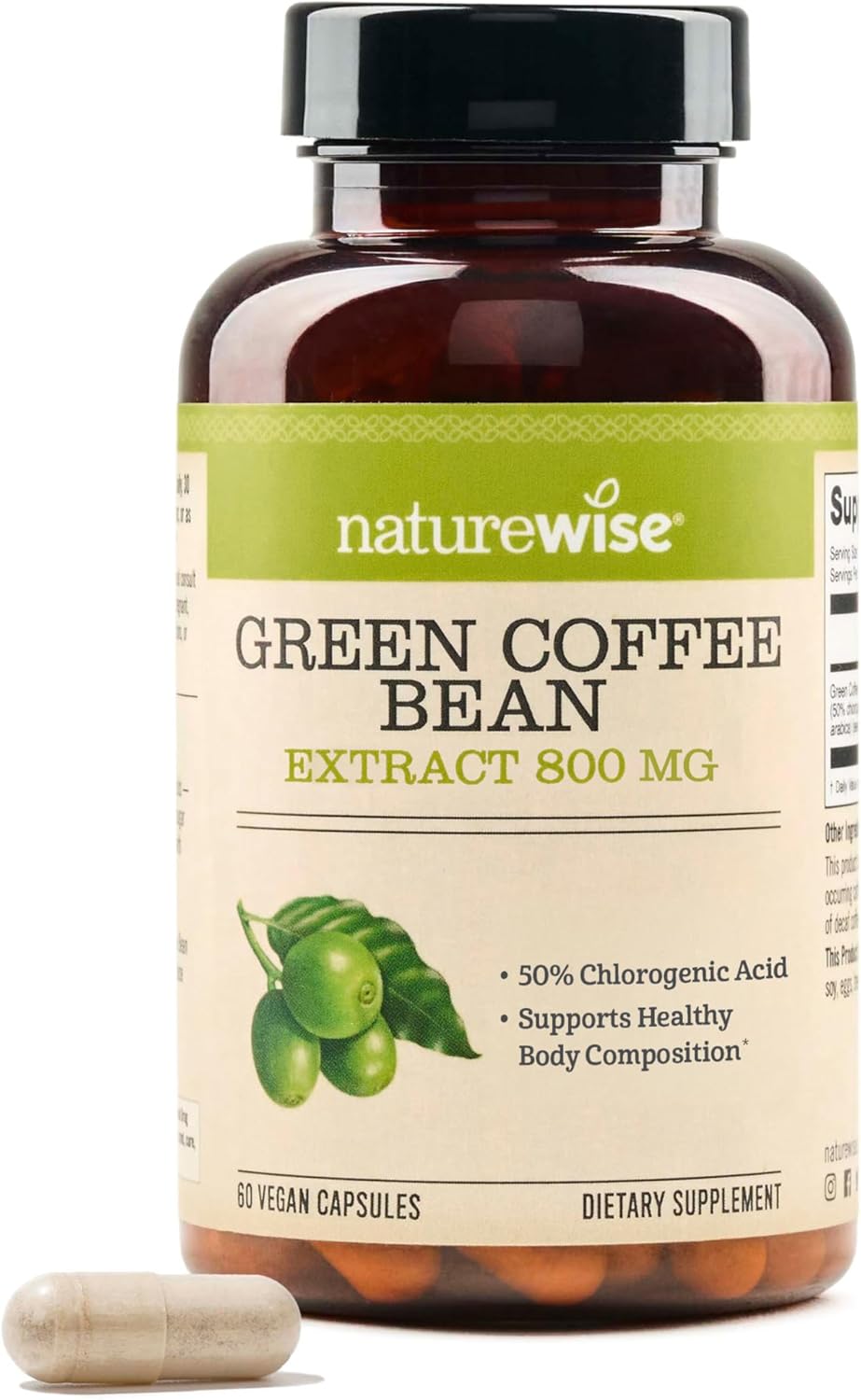
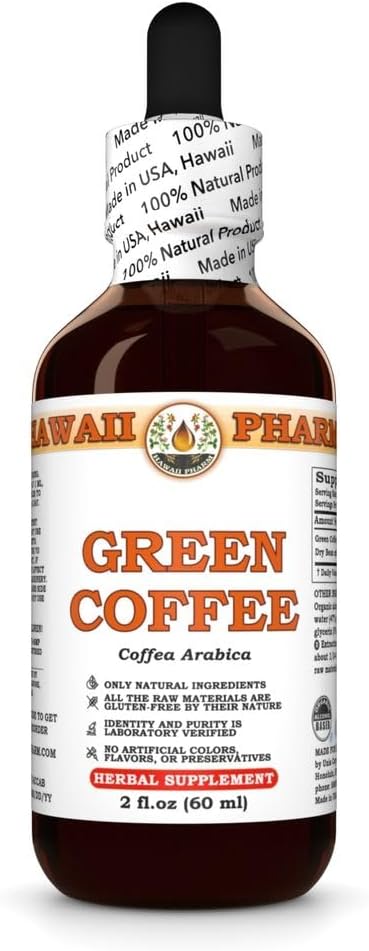
Choosing the right green coffee bean product begins with evaluating how different formats fit your lifestyle. Capsules provide pre-measured convenience for busy schedules, eliminating preparation steps entirely. Powders offer adjustable serving sizes that blend easily into daily beverages, while liquid tinctures deliver rapid absorption through simple dropper applications.
Raw whole beans serve an entirely different purpose, targeting coffee enthusiasts who enjoy home roasting. Identifying your preferred consumption style ensures you select a distributor offering the most practical format for your everyday routine, avoiding items that require unwanted preparation steps or specialized equipment you do not own.
Evaluating Chlorogenic Acid Potency
Chlorogenic acid is widely recognized as the primary active antioxidant component found naturally in unroasted coffee seeds. Many standard extracts guarantee a specific concentration, often around fifty percent, to ensure consistent potency across batches. Reviewing these standardization percentages helps you understand the strength of the botanical extract before making a final purchase decision.
Higher standardization levels generally mean a more concentrated product, though raw whole beans and unstandardized powders present natural variations. Consider whether your wellness goals require precise standardized percentages or if a traditional whole-plant extract profile better suits your personal approach to daily herbal supplementation.
Managing Caffeine Content and Sensitivities
Although green coffee beans contain natural caffeine, the processing method significantly impacts the final stimulant level in each serving. Extracts often feature low or controlled caffeine amounts, delivering a mild energy lift without heavy jitters. Reviewing product specifications helps sensitive individuals find options that align comfortably with their personal caffeine tolerance.
Raw whole beans retain the full natural caffeine profile of the coffee plant, which changes considerably during home roasting. Matching the caffeine concentration of your chosen product to your daily stimulant preferences ensures a comfortable experience that avoids unwanted sleep disruption or jittery side effects.
Assessing Ingredient Transparency and Purity
Ingredient purity is a vital consideration when selecting green coffee bean distributors for daily use. Look for products that clearly list their botanical sources, extraction solvents, and any carrier ingredients like maltodextrin. Transparent labeling ensures you know exactly what additives or auxiliary components are included in your supplement formulation.
Quality testing standards, such as cGMP compliance and USP heavy metal checks, provide additional reassurance regarding manufacturing safety. Prioritizing brands that share detailed quality control information helps you avoid unnecessary fillers and select reliable products built on rigorous manufacturing practices.
Determining Practical Preparation and Storage
Practical usability extends beyond initial purchase considerations into your daily preparation and storage habits. Powders and liquids require measuring tools and careful handling to prevent messy spills on kitchen counters. Capsules offer mess-free portability, while bulk raw beans demand dedicated pantry space for long-term preservation.
Evaluate your kitchen setup and available storage conditions before committing to a specific product type. Choosing a format that matches your tolerance for daily preparation routines ensures long-term satisfaction and prevents unused containers from lingering in your pantry.
Sourcing Direct and Agricultural Origins
The origin of green coffee beans plays a meaningful role in overall product quality and authenticity. Distributors who source directly from international farmers, cooperatives, or specialized estates often provide greater transparency regarding agricultural practices. This direct relationship can highlight unique regional flavor profiles and specialty-grade standards.
Whether you are purchasing raw beans for roasting or extracts derived from specific regional seeds, origin details matter. Investigating where and how the raw plant material is harvested helps support ethical sourcing while connecting you to exceptional coffee-growing regions around the world.
Frequently asked questions
What is the difference between green coffee bean extract and regular roasted coffee?
Green coffee beans are raw, unroasted seeds of the coffee plant, whereas regular coffee beans undergo high-temperature roasting before brewing. The roasting process alters the chemical composition of the seed and reduces the natural concentration of chlorogenic acids. Green coffee bean extract preserves these unroasted plant compounds, offering a different sensory and nutritional profile. Additionally, green coffee extracts are typically consumed as concentrated supplements, powders, or liquid tinctures rather than brewed as a standard hot morning beverage.
Do green coffee bean extracts contain caffeine?
Yes, green coffee bean extracts naturally contain caffeine, though the amount varies widely depending on the specific product formulation and processing method. Some concentrated extract powders feature very low caffeine levels, while encapsulated supplements may provide a small, controlled amount per serving designed to offer gentle energy support without heavy jitters. If you are sensitive to stimulants, reviewing the specific caffeine disclosures on the product label helps you select a formulation that matches your daily tolerance level.
How should I store green coffee bean powders and extracts?
Proper storage is essential to maintain the freshness and potency of green coffee bean powders, liquids, and extracts over time. Most manufacturers recommend keeping these botanical products in a cool, dark, and dry place away from direct sunlight, moisture, and heat sources. Loose powders and liquid tincture bottles should be tightly sealed after each use to prevent clumping or contamination. Following these basic environmental guidelines protects the integrity of the natural plant compounds throughout the product lifespan.
Can I use green coffee bean extract powder in beverages?
Many green coffee bean extract powders are formulated to be easily water-soluble, allowing you to mix them directly into daily shakes, smoothies, water, or favorite juices. Some unflavored powders are designed specifically for flexible beverage integration without altering your drink's primary flavor profile too dramatically. However, you should always check the manufacturer instructions to ensure the specific powder is intended for liquid mixing and to determine the proper serving ratio for your daily routine.
What equipment do I need if I buy raw green coffee beans?
Purchasing raw, unroasted green coffee beans in bulk requires specialized home roasting equipment, such as a dedicated coffee roaster, popcorn popper, or cast-iron skillet, along with proper ventilation. Unlike pre-made supplements or soluble powders, raw beans cannot be consumed directly and must undergo high-temperature roasting to develop drinkable flavors and aromas. You will also need airtight storage containers to keep your freshly roasted beans fresh and appropriate grinding equipment to prepare them before final beverage brewing.