Appliances · Buying Guide

Best Green Coffee Beans For Roasting: Top Origins and Flavors Explored

Roasting your own coffee at home opens up an entirely new dimension of flavor, freshness, and precise control over your daily morning brew. By starting with raw, unroasted green coffee beans for roasting, you determine the exact roast profile, ranging from light and bright to dark and rich, ensuring peak freshness in every single cup you pour.

Sourcing single-origin beans from renowned high-altitude growing regions allows home roasters to experience distinctive regional characteristics, such as lively citrus acidity, delicate floral aromas, and rich buttery bodies. Exploring these diverse global selections transforms a standard kitchen routine into an engaging culinary craft that highlights unique terroir and meticulous processing methods.

As an Amazon Associate, StacyLaughs earns from qualifying purchases.

Smokin Beans Tanzania Peaberry Unroasted Green Coffee Beans 5-Lb
#1 Best Overall

Smokin Beans Tanzania Peaberry Unroasted Green Coffee Beans 5-Lb

This five-pound bag features high-altitude Tanzania Peaberry Arabica beans grown in nutrient-dense red volcanic soils at 1,750 meters above sea level. Washed and sun-dried at the Tembo Mill, these beans offer a lively citrus acidity, fragrant aroma, and buttery body. Expect tasting notes of lime, cherry, and fresh cranberry with a clean black tea finish, providing a complex flavor profile for dedicated home roasters.

Best for Large-batch high-altitude peaberry roasting

Lively citrus acidityPeaberry grade coffeeHigh altitude grownWashed processing methodHand-picked sun-dried
View on Amazon →

What stands out

  • Grown at 1,750 meters in volcanic soils, promoting slow cherry maturation and enhanced flavor complexity.
  • Washed processing method delivers a clean black tea finish complemented by lively citrus acidity.
  • Substantial five-pound bulk quantity easily supports multiple roasting sessions for dedicated enthusiast home roasters.

What to consider

  • The five-pound total package size requires adequate long-term storage space in your pantry to maintain bean freshness between roasting sessions.
  • Peaberry grading and high-altitude washed processing produce a lively citrus acidity that may overshadow traditional low-acid flavor preferences.
Key specifications

The practical verdict

Best for home roasters seeking a complex, high-altitude African single-origin with vibrant fruit notes and a clean finish. Avoid if you prefer low-acidity profiles or only need small trial amounts. The main trade-off is managing a large five-pound package size while adapting your roasting profile to highlight the distinct lime and cherry acidity inherent in these volcanic soil peaberry beans.

#2
Smokin Beans Rwanda AA Kopakaki Unroasted Green Coffee Beans 5-Lb
Rwandan Bourbon Release

Smokin Beans Rwanda AA Kopakaki Unroasted Green Coffee Beans 5-Lb

Best for Premium Rwandan pour-over roasting

Sourced from the Karongi District near Lake Kivu, these Red Bourbon Arabica beans are grown at 1,700 meters in rich volcanic soil. Sun-dried on raised African beds by the Misoza Kopakaki cooperative, this washed coffee delivers bright acidity and delicate notes of lemonade, cranberry, peach, caramel, and black tea. It offers a 12-month storage potential for green coffee enthusiasts who enjoy pour-over preparation styles.

What stands out

  • Grown at 1,700 meters elevation in nutrient-rich volcanic soils by the Misoza Kopakaki cooperative.
  • Traditional sun-drying on raised African beds ensures uniform drying for delicate flavor development.
  • Features a versatile twelve-month green coffee storage potential before you begin your roasting process.

What to consider

  • The five-pound quantity demands dedicated cool and dry storage space to preserve the delicate lemonade and peach flavor nuances over time.
  • Bright acidity and delicate fruit notes require careful temperature management during roasting to avoid scorching the nuanced Red Bourbon beans.
Key specifications

The practical verdict

Best for coffee hobbyists looking to roast delicate Red Bourbon beans with bright citrus and caramel flavor notes. Avoid if you require dark, heavy-bodied profiles without acidity. The primary trade-off involves balancing the five-pound volume against your storage capacity while carefully monitoring heat application to preserve the subtle lemonade and peach characteristics during the roasting process.

#3
Smokin Beans Tanzania AA Unroasted Green Coffee Beans 5-Lb
Tanzanian AA Bulk Bag

Smokin Beans Tanzania AA Unroasted Green Coffee Beans 5-Lb

Best for High-altitude Tanzanian AA roasting

Cultivated in the high-altitude highlands of Tanzania, these AA grade Bourbon and Kent varietal beans benefit from cool mountain temperatures that slow cherry maturation. Hand-picked, sun-dried, and sorted at Tembo Mill in red volcanic soils, this five-pound unroasted coffee features a bright citrus acidity, floral aroma, and buttery body with notes of black tea, burgundy, cranberry, and milk chocolate.

What stands out

  • High-altitude 1,750-meter growing conditions in red volcanic soils allow coffee cherries to mature slowly.
  • AA grade sorting at Tembo Mill ensures consistent bean size for even heat distribution during roasting.
  • Generous five-pound packaging provides ample raw material for experimenting with multiple distinct roast profiles.

What to consider

  • Handling a five-pound bag of unroasted coffee requires finding suitable airtight containers to maintain green bean quality over several months.
  • The prominent floral aroma and bright citrus acidity demand precise heat control to prevent muting the milk chocolate finish.
Key specifications

The practical verdict

Best for home roasters wanting a balanced, high-altitude African bean with rich chocolate and berry notes. Avoid if you prefer earthy, low-acid flavor profiles. The key trade-off is storing a substantial five-pound quantity while fine-tuning your roasting technique to balance the bright citrus acidity against the comforting milk chocolate and buttery body.

#4
Smokin Beans Burundi Washed Arabica Unroasted Green Coffee Beans 2-Lb
Burundian Washed Selection

Smokin Beans Burundi Washed Arabica Unroasted Green Coffee Beans 2-Lb

Best for Smaller batch Burundian roasting

Hailing from the Kawa Bururi region known for its cooler climate, these washed Arabica beans are harvested at 1,700 meters by the Kawa Zamurabe mill. Featuring Bourbon varietals, this two-pound package delivers high acidity, medium body, and high sweetness. Tasting notes include citrus floral elements, black tea body character, orange berry, and fresh pear, providing a complex profile for home roasting enthusiasts.

What stands out

  • Cooler climate conditions in the Kawa Bururi region allow beans to absorb greater nutrient density.
  • Washed processing highlights citrus floral notes, fresh pear, and a distinct black tea body character.
  • Manageable two-pound package size allows for quicker rotation and freshness through your home roasting inventory.

What to consider

  • The two-pound package size limits the total volume available if you prefer roasting large batches for daily consumption.
  • High acidity and delicate orange berry notes require attentive heat monitoring to prevent developing an overly sharp cup.
Key specifications

The practical verdict

Best for home roasters seeking a smaller two-pound batch of high-altitude African beans with complex pear and floral notes. Avoid if you need massive bulk quantities or low-acid flavors. The main trade-off is managing a smaller total bean supply while applying precise temperature control to capture the vibrant citrus floral characteristics without unwanted sharpness.

#5
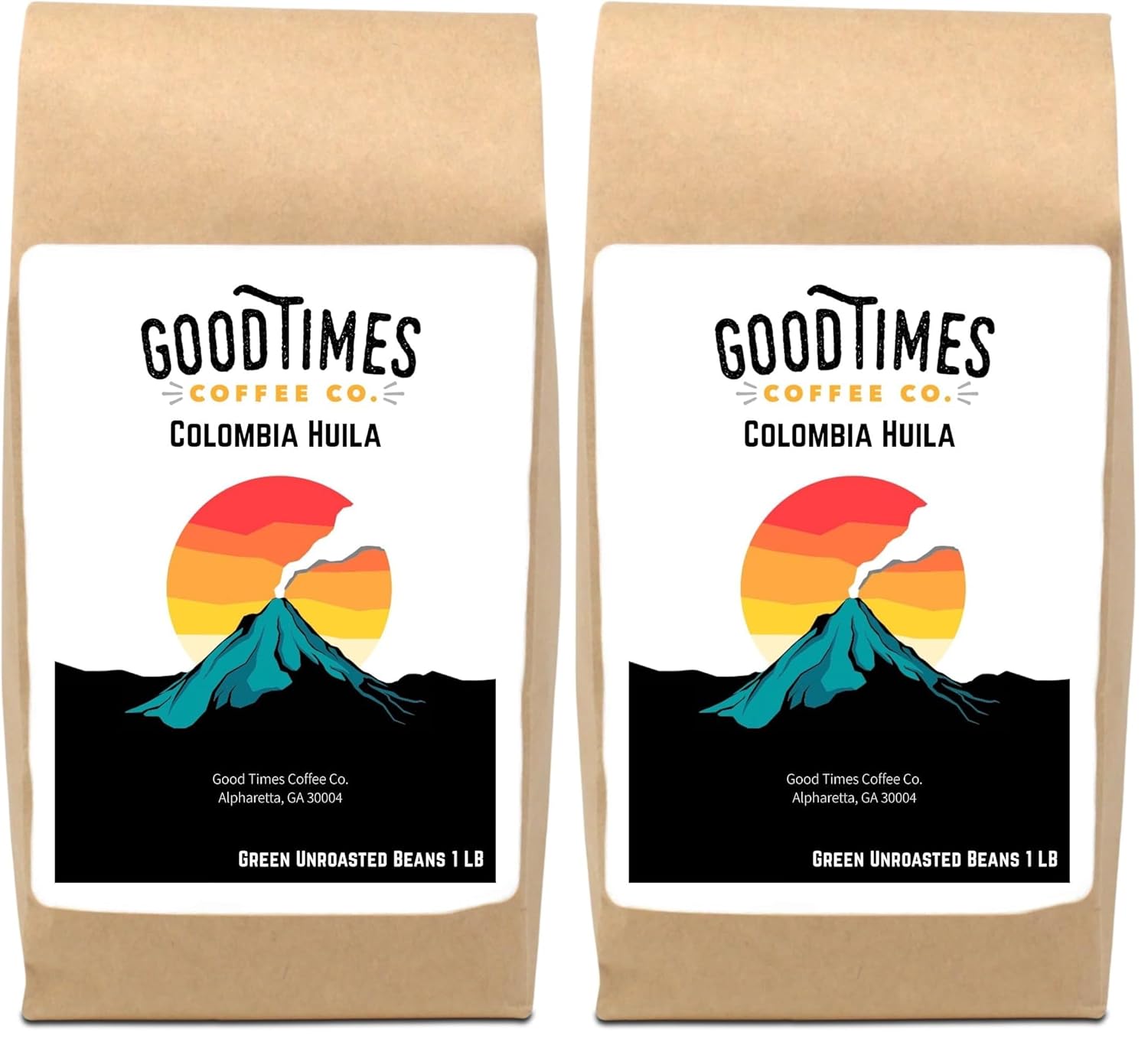
Good Times Coffee Company Colombian Huila Green Coffee Beans 2-Lb
Colombian Huila Micro-Roast

Good Times Coffee Company Colombian Huila Green Coffee Beans 2-Lb

Best for Colombian micro-lot home roasting

Hand-selected from the newest harvest at the San Isidro Farm in Colombia, these unroasted beans are grown at an altitude of 5,250 feet. Utilizing traditional shade, manual selection, and sun-drying, this pack of two one-pound bags offers a smooth, balanced cup. Aromas of vanilla and caramel combine with citrus fruit notes and medium citrus acidity, bringing authentic micro-roasting directly to your home.

What stands out

  • Grown at an elevated 5,250 feet using traditional shade methods at the San Isidro Farm.
  • Divided into two separate one-pound bags to help preserve green bean freshness between roasting days.
  • Traditional sun-drying and manual selection processes ensure careful, dedicated attention to raw bean quality.

What to consider

  • Divided one-pound bags offer less total volume per purchase compared to large commercial bulk five-pound packaging options available elsewhere.
  • Medium citrus acidity and caramel sweetness demand precise degassing periods of forty-eight hours after roasting for optimal balance.
Key specifications

The practical verdict

Best for home roasters wanting a manageable two-pack of high-altitude Colombian beans with sweet vanilla and caramel notes. Avoid if you require massive bulk quantities for high-frequency roasting setups. The primary trade-off is balancing the smaller one-pound bag format against the need to allow forty-eight hours of degassing for a smooth, balanced cup.

Buying guide

Understanding Altitude and Terroir

Altitude plays a fundamental and direct role in the development of unroasted green coffee beans. High-altitude growing regions, often exceeding 1,500 meters above sea level, expose coffee cherries to cooler ambient temperatures. This unique environment causes the coffee cherries to mature at a much slower rate, allowing the beans to develop denser cellular structures and significantly greater overall flavor complexity.

When browsing options for your home roasting setup, paying attention to specific geographic origins like volcanic highlands reveals how local soil composition impacts the final cup. Volcanic soils enrich the coffee plants with essential minerals, resulting in distinct tasting notes ranging from bright citrus fruits to rich milk chocolate and floral aromas.

Evaluating Bean Processing Methods

The method used to process harvested coffee cherries significantly alters the final flavor profile of your roast. Washed processing involves removing the cherry pulp and fermenting the beans in water before drying. This technique typically highlights clean finishes, vibrant clarity, and bright acidity, making it a popular choice for lovers of delicate pour-over coffees.

Conversely, traditional sun-drying methods and manual selection practices preserve unique regional traits embedded in the bean. Understanding whether a coffee uses a washed approach or alternative harvesting techniques helps you anticipate how the bean will react inside your home roaster. Matching the processing style to your preferred flavor clarity ensures a more satisfying brewing experience.

Managing Green Coffee Storage

Raw green coffee beans offer impressive storage potential when kept in proper conditions. Unlike roasted coffee that loses flavor rapidly, unroasted beans can maintain their core characteristics for many months if protected from extreme temperature fluctuations, direct sunlight, and excessive humidity. Keeping your inventory in cool, dry pantry spaces preserves the raw integrity of the harvest.

Utilizing airtight storage containers and dedicated pantry bins further shields your unroasted supply from environmental moisture and competing kitchen odors. When buying larger bulk quantities, planning your storage setup carefully ensures that the beans remain fresh and viable across numerous roasting sessions, preventing premature aging before you apply heat in your home roaster.

Selecting Bag Sizes and Quantities

Choosing the right package size depends directly on your personal roasting frequency and overall consumption habits. One-pound and two-pound bags offer a manageable quantity for hobbyists who enjoy experimenting with different single-origin varieties without committing to a massive supply. These smaller formats allow you to rotate through distinct regional offerings quickly, keeping your home inventory fresh and diverse.

On the other hand, five-pound bulk bags provide a steady supply for enthusiastic roasters who process coffee on a regular weekly basis. However, larger volumes require dedicated storage space and careful inventory management to ensure every batch is roasted efficiently before the twelve-month green storage window begins to close on you.

Monitoring Acidity and Flavor Profiles

Navigating flavor descriptions requires understanding how bean origin translates into acidity and body in your cup. Beans grown in high-altitude volcanic regions frequently exhibit bright citrus acidity, lively fruit notes, and fragrant floral aromas. If you enjoy a crisp, refreshing morning brew with notes of lemon, cranberry, or peach, selecting high-acid washed beans will align with your palate.

Alternatively, understanding your personal tolerance for acidity helps you avoid flavor profiles that might taste overly sharp or tart. Paying close attention to detailed tasting notes like milk chocolate, caramel, and buttery body allows you to balance vibrant fruit characteristics with comforting, smooth sweetness during both the roasting and the subsequent degassing process.

Perfecting Roast Development Stages

Taking raw green coffee beans and transforming them into a finished roast gives you absolute authority over the flavor outcome. Different origins react uniquely to applied heat, requiring careful observation of color changes and sound cues like first crack. Mastering these visual and auditory milestones helps you highlight specific attributes like vanilla aromas or chocolate finishes.

Additionally, allowing your freshly roasted beans to rest and degas for at least forty-eight hours is a crucial final step for achieving overall flavor balance. This mandatory resting period lets excess carbon dioxide safely escape, resulting in a significantly smoother, more refined cup of coffee that properly showcases the distinct regional character of your green beans.

Frequently asked questions

What is the difference between green coffee beans and roasted coffee beans?

Green coffee beans are the raw, unroasted seeds extracted directly from ripe coffee cherries. They are structurally dense, pale green or yellowish in appearance, and completely lack the traditional brown color, aroma, and flavor associated with brewed coffee until thermal energy is applied. Roasting transforms these raw agricultural seeds through a complex series of chemical and physical reactions, developing the soluble compounds, dark color, and aromatic oils necessary to properly brew a standard cup of coffee.

How long can I store unroasted green coffee beans before roasting?

Unroasted green coffee beans boast a remarkable storage potential compared to already-roasted coffee products. When kept in stable, cool, and dry pantry environments away from direct sunlight and excessive humidity, green coffee can maintain its core structural quality for up to twelve full months. Protecting the raw beans in sealed, airtight containers prevents premature aging and preserves their natural moisture content, ensuring you can enjoy consistent, high-quality roasting results over an extended period of time.

Do I need specialized equipment to roast green coffee beans at home?

Roasting green coffee beans at home can be accomplished using various methods ranging from specialized countertop home roasters to traditional household tools like cast-iron skillets or popcorn poppers. The primary requirement is having a reliable way to apply controlled heat while agitating the beans to ensure even roasting. Regardless of the heating method you choose, monitoring temperature changes and listening for the audible cracking sounds is essential for achieving your desired roast profile.

Why is letting freshly roasted coffee beans rest important?

Letting freshly roasted coffee beans rest and degas for at least forty-eight hours is a critical step in the home roasting process. During the intense heat of roasting, coffee beans build up a significant amount of excess carbon dioxide gas inside their cellular structure. Allowing these gases to escape through proper degassing prevents trapped carbon dioxide from interfering with extraction during brewing, resulting in a much smoother, sweeter, and more balanced cup of coffee.

How does coffee bean origin affect the final roasted flavor?

The geographic origin of green coffee beans heavily influences their distinct flavor profile due to variations in local climate, soil composition, and growing altitude. Beans cultivated in high-altitude volcanic soils often develop vibrant citrus acidity, complex fruit tasting notes, and floral aromas. In contrast, other regions might yield earthier or more chocolate-forward characteristics. Understanding these regional distinctions helps home roasters select beans that match their preferred taste preferences and brewing styles.

Final thoughts

Exploring the fascinating world of unroasted green coffee beans for roasting brings an unmatched level of personal freshness and complete customization to your daily coffee routine. By selecting exceptional single-origin beans sourced from renowned high-altitude volcanic regions, you gain direct control over how distinct flavors, bright acidity, and delicate aromas develop inside your home roaster.

Whether you choose vibrant African peaberries, delicate washed Bourbons, or balanced South American micro-lots, embracing the craft of home roasting transforms ordinary coffee preparation into an engaging, deeply rewarding pursuit that highlights unique global terroirs and manual processing methods.