Appliances · Buying Guide
Best Grind Coffee Beans Without Grinder Solutions

Preparing a flavorful cup of coffee starts with freshly processed beans, prompting many home enthusiasts to look beyond standard countertop appliances. When you want to explore ways to grind coffee beans without a traditional electric grinder, compact manual hand cranks and streamlined blade devices offer practical alternatives. These tools give you direct control over your morning routine, letting you break down whole beans into uniform particles whether you are at home, in an office, or traveling outdoors.
Selecting the proper device depends heavily on your daily brewing volume, available counter space, and whether you prefer manual winding or push-button electric convenience. Understanding the physical design, capacity limits, and mechanism types of each option helps you match a grinder to your specific kitchen or travel habits. By examining these dedicated compact solutions, you can easily transition from pre-ground bags to fresh daily extraction without unnecessary clutter.
As an Amazon Associate, StacyLaughs earns from qualifying purchases.
Buying guide
Grinding Mechanism Types
Choosing between burr and blade systems fundamentally alters how your coffee beans break down before brewing. Burr grinders crush beans evenly between two revolving surfaces, producing uniform particles that extract flavor evenly across every cup. Blade models rely on spinning metal edges to chop beans haphazardly, creating a varied mix of fine dust and larger chunks.
If you prefer consistent pour-over or espresso extractions, burr mechanisms provide superior control over particle size. Blade grinders work well for general multi-purpose tasks like chopping spices or preparing bulk brews where strict particle uniformity matters less. Assessing your preferred brewing style helps determine which internal mechanism aligns with your daily flavor expectations.
Capacity and Batch Volume
Matching the chamber capacity of your grinding tool to your household consumption prevents unnecessary repetition during busy mornings. Smaller manual hand units typically hold around thirty grams of beans, suiting individual drinkers or travel packing. Larger manual devices expand this threshold up to sixty grams, while electric models can process enough material for twelve cups at once.
Think about how many people you serve daily and whether you prefer grinding fresh portions for every single cup. High-volume hoppers accommodate big batches instantly but take up more physical space on your kitchen counter. Balancing batch capacity with your standard routine ensures you spend less time reloading chambers and more time enjoying your favorite brew.
Adjustment Precision
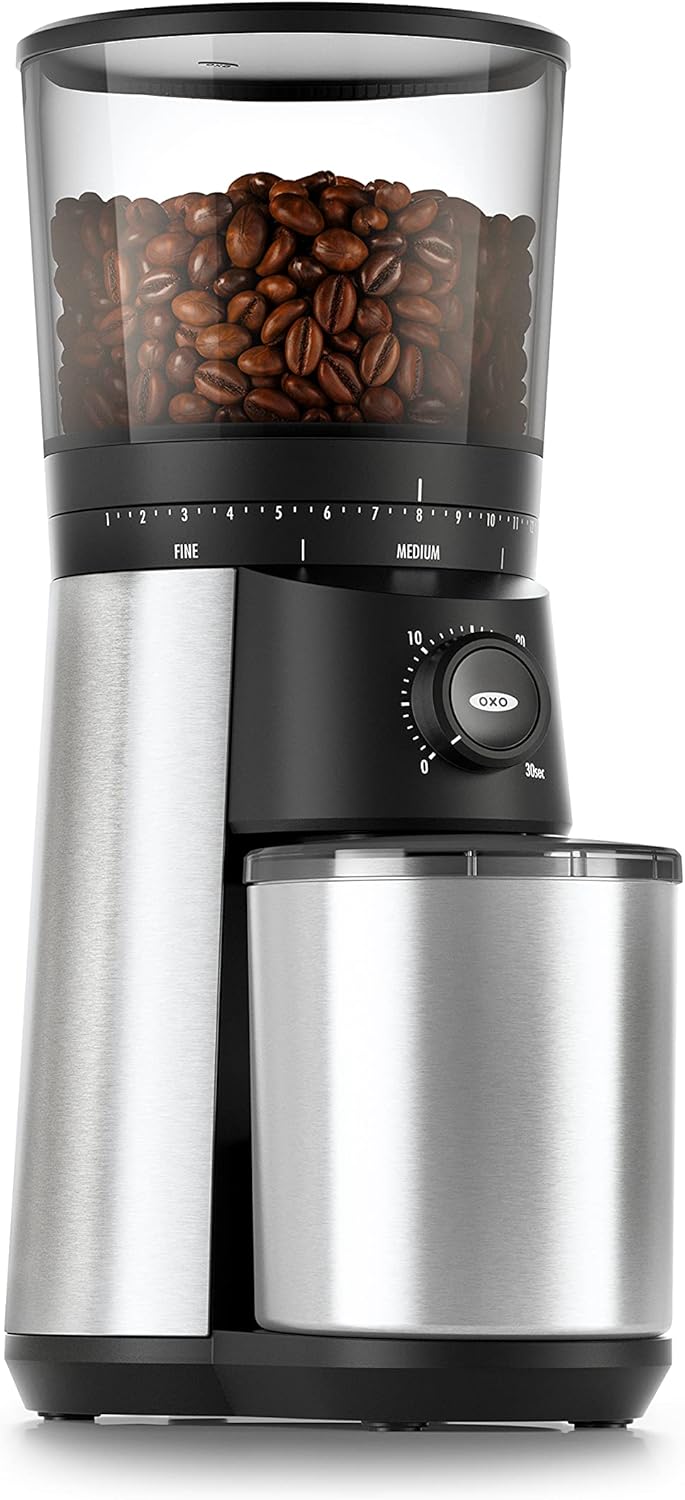
The level of control you have over grind fineness dictates how successfully you can dial in different brewing methods. Advanced grinders feature dozens of external steps or micro-adjustments, letting you transition smoothly from ultra-fine espresso powders to coarse French press granules. Simpler devices offer basic push-button timing or limited steps, which restricts your ability to fine-tune extraction rates.
If you enjoy experimenting with specialty beans and diverse extraction techniques, investing in a model with precise incremental settings is essential. Casual drinkers who rely on standard drip makers may find basic adjustment tiers entirely sufficient. Reviewing the available settings helps you match the equipment capability to your culinary ambitions.
Portability and Power Sources
Deciding where you plan to process your coffee beans dictates whether you need a manual hand-crank tool or an electric appliance. Manual grinders require physical winding but operate entirely independently of electrical outlets, making them ideal companions for camping trips, offices, and travel. Electric models offer effortless push-button automation but tie your routine to indoor wall sockets.
Travelers and remote enthusiasts benefit greatly from lightweight, compact manual builds that slip easily into luggage without tangling cords. Home-bound coffee lovers prioritize stationary motorized convenience for fast, fatigue-free morning preparations. Evaluating your typical environment clarifies whether manual mobility or electric speed serves you best.
Maintenance and Cleanup
Regular upkeep keeps your grinding equipment functioning smoothly and prevents old oils from altering the taste of fresh beans. Many electric models feature removable dishwasher-safe stainless steel bowls that simplify washing away residue. Manual ceramic or steel burr units often rely on dry brushes to clear out stray grounds without introducing moisture.
Reviewing manufacturer cleaning guidelines helps you maintain product longevity and avoid accidental flavor contamination. Some devices require careful dry wiping to protect internal components, while others tolerate full liquid washing safely. Selecting a maintenance routine that fits your lifestyle ensures your grinder stays clean with minimal hassle.
Countertop Footprint and Storage
Available kitchen space heavily influences the physical dimensions and storage style of the grinding tool you select. Compact blade units and slim manual hand grinders tuck easily into drawers or small cupboards when not in use. Larger electric burr systems featuring tall hoppers demand dedicated countertop territory and careful clearance checks under wall cabinets.
Assess your kitchen layout and available storage zones before purchasing a bulky appliance that might clutter limited work surfaces. Hidden cord storage features and sleek vertical designs help mitigate spatial challenges in tight kitchens. Choosing a size that complements your environment keeps your preparation area organized and functional.
Frequently asked questions
Can I process coffee beans without a traditional electric grinder?
Yes, you can process coffee beans using alternative manual tools like hand-crank grinders or compact mechanical devices. Manual grinders use ceramic or stainless steel burrs operated by a hand crank, allowing you to break down whole beans into consistent particles without needing an electrical power source. These portable tools are especially popular for travel, camping, or everyday kitchen routines where counter space is limited. While manual winding requires physical effort, it gives you complete control over the process.
What is the difference between burr and blade grinders?
Burr grinders crush coffee beans between two revolving surfaces, producing uniform particle sizes that ensure even extraction and balanced flavor in your cup. Blade grinders use spinning metal blades to chop beans into random sizes, creating a mixture of fine dust and coarse chunks. While blade grinders are often faster and versatile enough for spices, burr systems are generally preferred by coffee enthusiasts who require precise control over grind consistency for specialized brewing methods.
How do I clean a manual coffee grinder properly?
Cleaning a manual coffee grinder typically involves disassembling the main parts, such as the handle, lid, and burr chamber, according to manufacturer instructions. Many manual grinders recommend using a dry cleaning brush or a dry cloth to sweep away leftover grounds and oils. Water is often discouraged for ceramic or metal burrs because trapped moisture can impact future coffee flavor or cause wear. Regular dry maintenance keeps your grinder operating efficiently without risking internal damage.
Are electric coffee grinders suitable for grinding spices?
Many electric blade grinders are designed to handle both coffee beans and dry herbs, seeds, or spices, offering versatile functionality in the kitchen. However, if you use the same device for strong spices like peppercorns, lingering oils and aromas can transfer to your coffee beans unless the grinding bowl is thoroughly cleaned between tasks. Dedicated spice users often prefer models with removable, dishwasher-safe stainless steel bowls to prevent flavor crossover and simplify cleanup after processing fragrant ingredients.
Why does grind size matter for coffee extraction?
Grind size directly dictates how fast water extracts soluble flavors from coffee grounds during the brewing process. Finer grinds increase surface area, making them ideal for quick-extraction methods like espresso where water passes through tightly packed beds rapidly. Coarser grinds slow down water flow, preventing over-extraction in longer immersion methods like French press or cold brew. Using a grinder with precise adjustable settings allows you to dial in the ideal particle size for your specific brewing equipment.