Appliances · Buying Guide
Best Knock Box for Coffee Grounds: Top Picks for Clean Counters
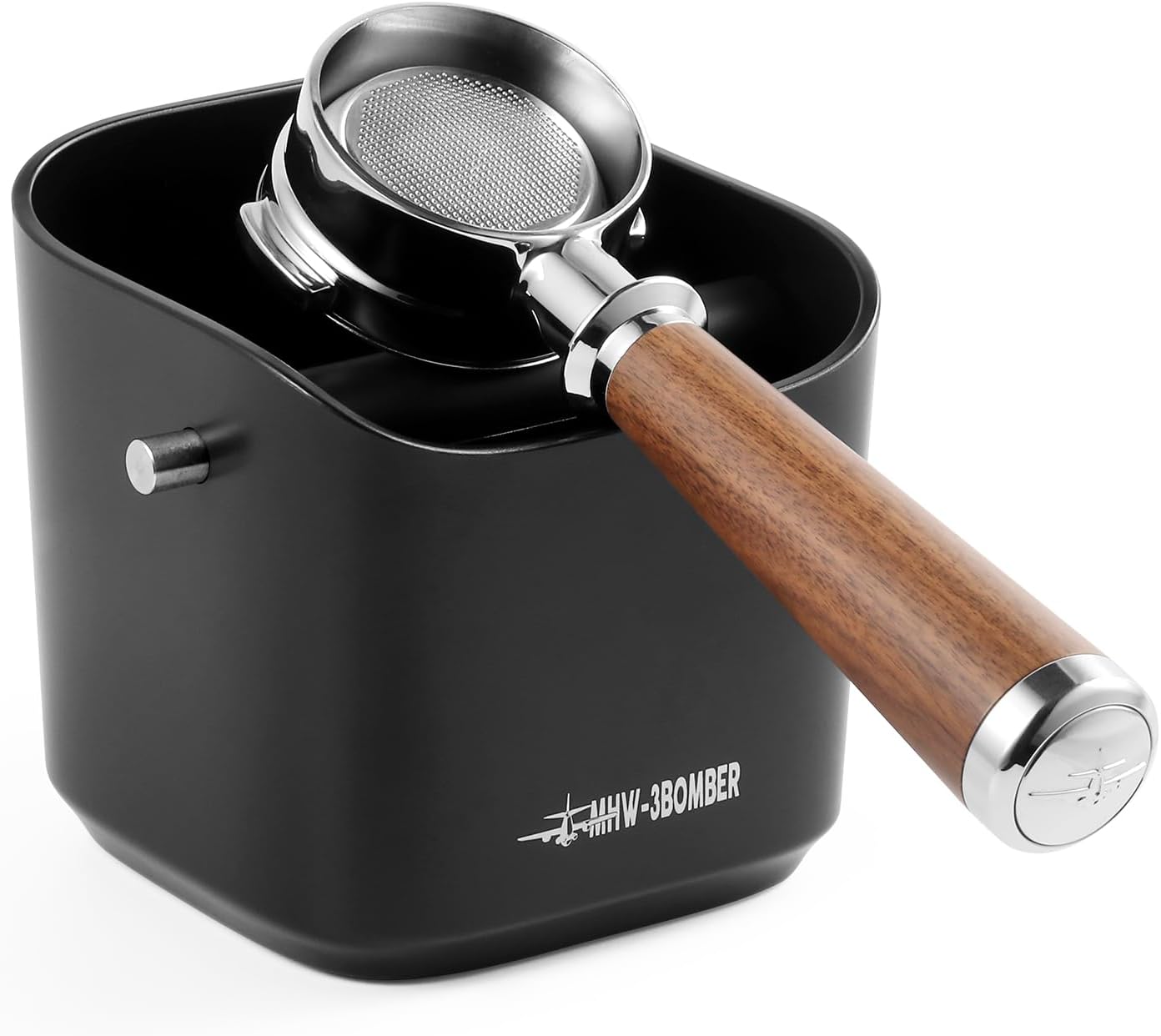
Managing spent coffee grounds efficiently helps keep a clean, tidy home coffee bar setup. A dedicated knock box for coffee grounds allows home baristas to quickly empty portafilters without walking to the kitchen trash bin. These containers feature removable rubber-coated knock bars and non-slip bases designed to absorb impact and minimize countertop noise during daily brewing routines.
Selecting the right container depends on available counter space, preferred cleaning methods, and how many espresso shots you pull between emptying cycles. Some models prioritize compact footprints for storage, while others offer larger capacities or integrated lids. Understanding structural differences, such as weighted walnut bases versus lightweight plastic housings, helps match a specific model to your kitchen workflow and practical space requirements.
As an Amazon Associate, StacyLaughs earns from qualifying purchases.
Buying guide
Material Selection and Durability
Choosing the correct material for your knock box significantly affects both long-term durability and daily maintenance routines. Stainless steel models offer high structural strength, resisting heavy impacts from metal portafilters without warping or cracking. ABS plastic versions provide lightweight handling, lower price points, and often allow for simple dishwasher cleaning without rusting concerns. Evaluating your kitchen habits helps determine whether metal or synthetic builds fit best.
Wooden bases paired with metal or steel bins introduce a distinct aesthetic appeal for home coffee stations while adding stabilizing weight. However, natural wood requires careful wiping rather than full submersion in water to prevent swelling or finish degradation over extended periods of daily kitchen use. Balancing visual preferences with practical cleaning requirements ensures long-term satisfaction with your coffee accessory purchase.
Capacity and Emptying Frequency
Capacity plays a central role in how often you must empty spent coffee grounds during your daily brewing routine. Smaller compact containers holding under ten pucks fit easily under low-profile espresso machines but require frequent trips to the main trash bin. High-capacity models holding fifteen to twenty-five pucks reduce cleanup interruptions for multi-drink households.
Matching container volume to your daily consumption prevents overflowing grounds on your countertop. If you pull multiple shots daily for family or guests, opting for a spacious one-liter or larger barrel saves considerable time. Conversely, single-user setups can prioritize minimal counter footprints over massive internal storage volumes.
Stability and Base Design
Maintaining stability during forceful portafilter strikes prevents frustrating wobbling or tipping across slick kitchen countertops. Weighted bases featuring rubber rings or silicone anti-slip pads absorb the sudden mechanical shock of knocking out packed espresso pucks securely. These dampening features also protect delicate stone or laminate surfaces from accidental scratching during operation.
Lightweight plastic units rely on wider base footprints or rubberized bottom rings to stay anchored during fast-paced brewing sessions. Heavy weighted wooden or thick metal bases achieve stability through sheer mass, keeping the container locked in position. Assessing your countertop material helps determine whether you need a rubberized ring or a heavy weighted base.
Noise Reduction and Knock Bars
The sharp sound of a metal portafilter striking an unpadded bar can create disruptive noise in early morning household environments. Selecting knock boxes equipped with thick rubber-coated knock bars significantly dampens impact sounds, creating a much quieter coffee-making routine. This cushioning rubber exterior also shields both the metal rod and your expensive filter basket from accidental edge chipping or scratching.
Removable knock bars offer a distinct practical advantage by letting users slide out the rubber sleeve for thorough cleaning. Some advanced designs incorporate internal rubber linings along the inner barrel walls to further absorb vibration and sound waves. Prioritizing these acoustic dampening features ensures your daily espresso preparation remains peaceful, quiet, and pleasant for everyone nearby.
Countertop Footprint and Cabinet Fit
Measuring your available kitchen space ensures your chosen knock box fits comfortably beneath your espresso machine group head or alongside your grinder. Compact square or round designs with heights under six inches slide effortlessly under most standard brewing equipment setups. Evaluating vertical clearance prevents frustrating placement conflicts on crowded coffee bars or inside cabinets.
Wider barrels provide larger openings to catch stray grounds effectively but consume valuable surface area on small kitchen countertops. Consider your daily workflow and storage habits to decide whether a tucked-away under-machine unit or a prominent countertop display station works best for your specific kitchen layout and spatial constraints.
Cleaning and Maintenance Ease
Regular cleaning prevents coffee oil buildup and unpleasant residual odors inside your grounds container. Models featuring detachable knock bars and smooth interior walls allow for quick rinsing under the tap after every single use. Some ABS plastic bins offer dishwasher safety for effortless sanitization without requiring tedious manual scrubbing.
Bins constructed with natural wood components require careful manual wiping to protect vulnerable wooden finishes from water damage during daily maintenance routines. Understanding these specific upkeep demands ensures your coffee accessory remains hygienic and visually appealing over years of regular service. Choosing an easily accessible interior design streamlines your post-brewing kitchen cleanup significantly.
Frequently asked questions
How often should I empty my coffee grounds knock box?
Emptying frequency depends entirely on the capacity of your container and how many espresso drinks you prepare each day. Smaller compact bins holding under ten pucks typically need to be emptied daily to prevent odors or moisture accumulation. Larger models holding fifteen to twenty-five pucks can accommodate multiple days of brewing for average households before requiring a trip to the trash bin. Regularly emptying the container prevents stale coffee smells and maintains a clean station.
Can I put my espresso knock box in the dishwasher?
Dishwasher compatibility depends strictly on the specific materials used in your knock box construction. Models built entirely from durable ABS plastics or stainless steel bodies without wooden bases often feature dishwasher-safe designs for easy sanitization. However, containers featuring natural wood components, such as walnut bases, must never be submerged or placed in a dishwasher because water exposure ruins wooden finishes. Always consult manufacturer guidelines before washing.
What purpose does the rubber knock bar serve?
The rubber knock bar serves two critical functions during espresso puck disposal: noise reduction and portafilter protection. Striking a metal portafilter against a hard metal or unpadded bar produces a sharp, disruptive sound in home environments. A thick rubber exterior absorbs the kinetic impact energy, drastically lowering operational noise. Additionally, the soft cushioning material prevents chipping, denting, or scratching the delicate edges of your expensive stainless steel filter basket.
How do I prevent coffee grounds from splashing onto my counter?
Splash prevention relies heavily on the internal geometry and design features of your knock box. Many modern containers incorporate angled interiors, slanted mouths, or high three-quarter wrap-around walls that physically block flying debris during forceful portafilter strikes. Choosing a model with a deep groove and enlarged opening ensures that loose coffee grounds fall cleanly straight down into the collection bucket rather than scattering across your clean kitchen countertops.
Are stainless steel knock boxes better than plastic ones?
Neither material is universally superior; instead, each offers distinct practical advantages depending on your specific preferences. Stainless steel containers provide exceptional structural durability, heavy-duty impact resistance, and a sleek modern aesthetic for your coffee station. Plastic ABS models offer lightweight handling, lower price points, and easier maintenance like dishwasher compatibility. Your choice should balance your desired countertop look, weight requirements, and preferred cleaning methods for maximum long-term satisfaction.