Appliances · Buying Guide
Best Mill City Coffee Roaster Alternatives for Home Bean Roasting
Finding reliable alternatives to a commercial mill city coffee roaster can transform how you experience fresh coffee at home. Many enthusiasts want robust control over temperature, batch size, and roasting profiles without stepping up to heavy commercial hardware. Home roasting machines bridge this gap by bringing adjustable heat and efficient designs right to your kitchen counter.
Whether you prefer electric heating systems with digital displays or manual gas burner setups with glass drums, the market offers diverse choices. Exploring these options helps you select a machine matching your space, batch volume, and preferred roast level. Each model provides unique features designed to handle green beans, nuts, and grains efficiently.
As an Amazon Associate, StacyLaughs earns from qualifying purchases.
Buying guide
Heating Power and Wattage Requirements
Selecting the right heating power is essential for achieving proper roast levels at home. Electric models typically range from 1000 to 1200 watts, supplying enough thermal energy to heat green beans efficiently. Higher wattage supports faster temperature escalation, helping dense coffee beans reach the first and second cracks without stalling during the roasting process. Consistent thermal performance prevents uneven flavors and ensures every batch develops properly from start to finish.
When evaluating these machines, consider your kitchen electrical capacity and counter placement carefully. Powerful heating elements demand stable circuits, especially during extended baking cycles. Gas-powered alternatives rely on external burners instead of built-in coils, offering a different thermal dynamic for users who prefer open-flame control. Matching the power source to your cooking space ensures safe operation and reliable daily roasting results without unexpected electrical overloads.
Batch Capacity and Daily Output
Evaluating batch capacity helps align your roaster with your weekly coffee consumption habits. Most home units handle between 200 and 500 grams per batch, striking a balance between freshness and efficiency. Roasting smaller quantities ensures you always have freshly prepared beans on hand without overproducing. Overloading a drum or chamber beyond recommended limits restricts airflow and heat distribution, leading to scorched or unevenly roasted beans.
Larger capacity machines can process up to 750 grams, suiting households that consume coffee rapidly or entertain frequently. However, larger batches require more powerful motors and precise stirring mechanisms to maintain consistency. Reviewing your typical consumption rate prevents purchasing an undersized unit or struggling with a machine that exceeds your practical storage and processing needs.
Material Construction and Durability
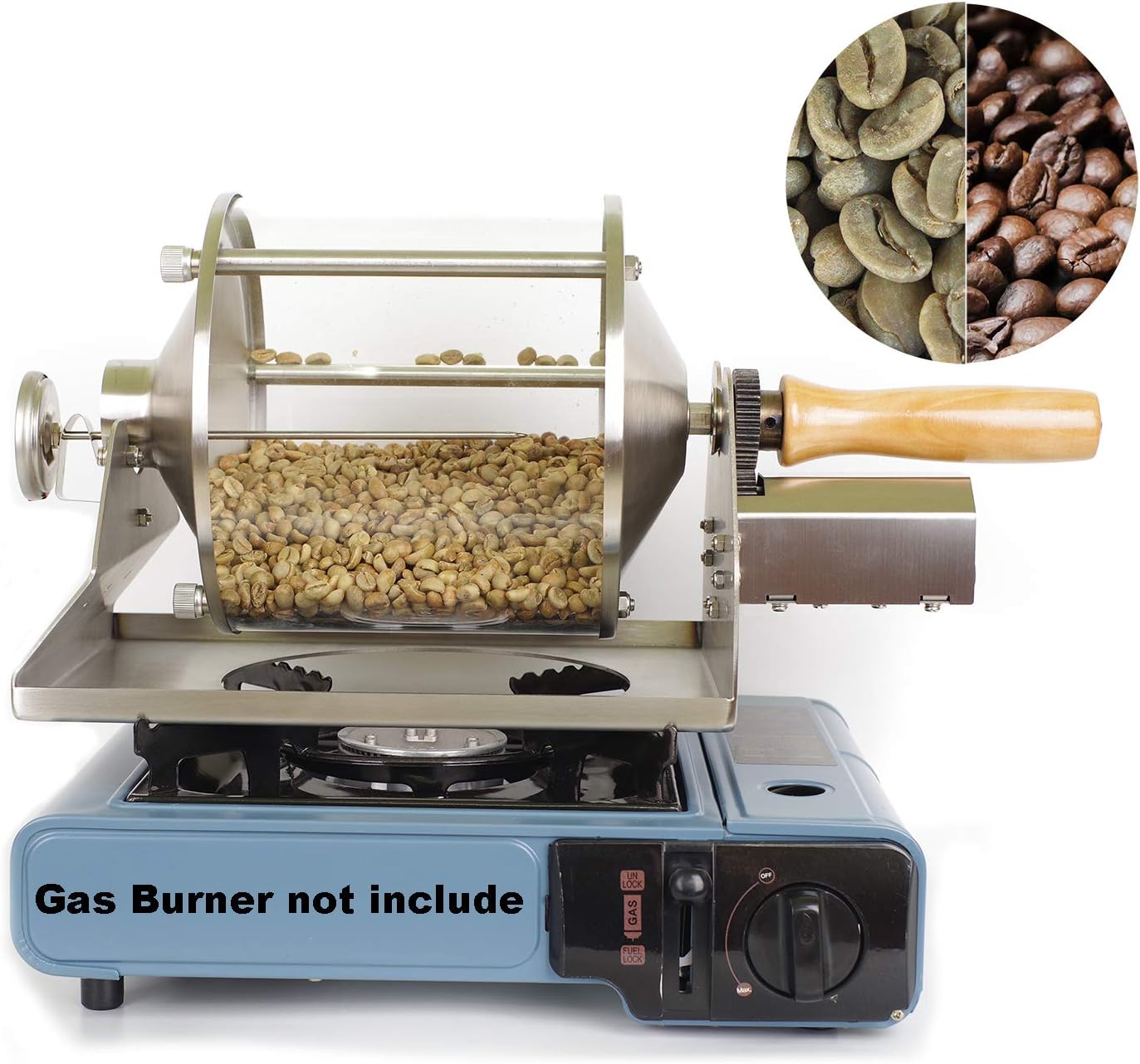
Material construction directly influences the longevity, heat retention, and cleaning ease of your roaster. Stainless steel and quartz glass combinations provide exceptional durability and allow direct visual monitoring of bean color changes. Quartz drums withstand high thermal stress while offering a classic aesthetic for traditional roasting setups. These materials resist rust and handle frequent temperature shifts reliably over years of continuous use.
Alternative models utilize food-grade Teflon coatings over honeycomb bases or high-impact plastic exteriors to reduce weight and simplify maintenance. Non-stick surfaces prevent residue buildup from oils and chaff, making post-roasting cleanup much faster. Assessing the exterior and interior shell materials helps you choose a machine that withstands regular thermal cycling while matching your preference for metallic robustness or lightweight convenience.
Visibility and Monitoring Features
Observing the bean transformation from green to dark roast is a crucial part of the craft. Transparent glass lids, quartz drums, and double-layer observation windows let you monitor color shifts and smoke levels in real time. Being able to watch the first and second cracks visually ensures you can stop the roasting cycle at your exact preferred flavor profile without guessing.
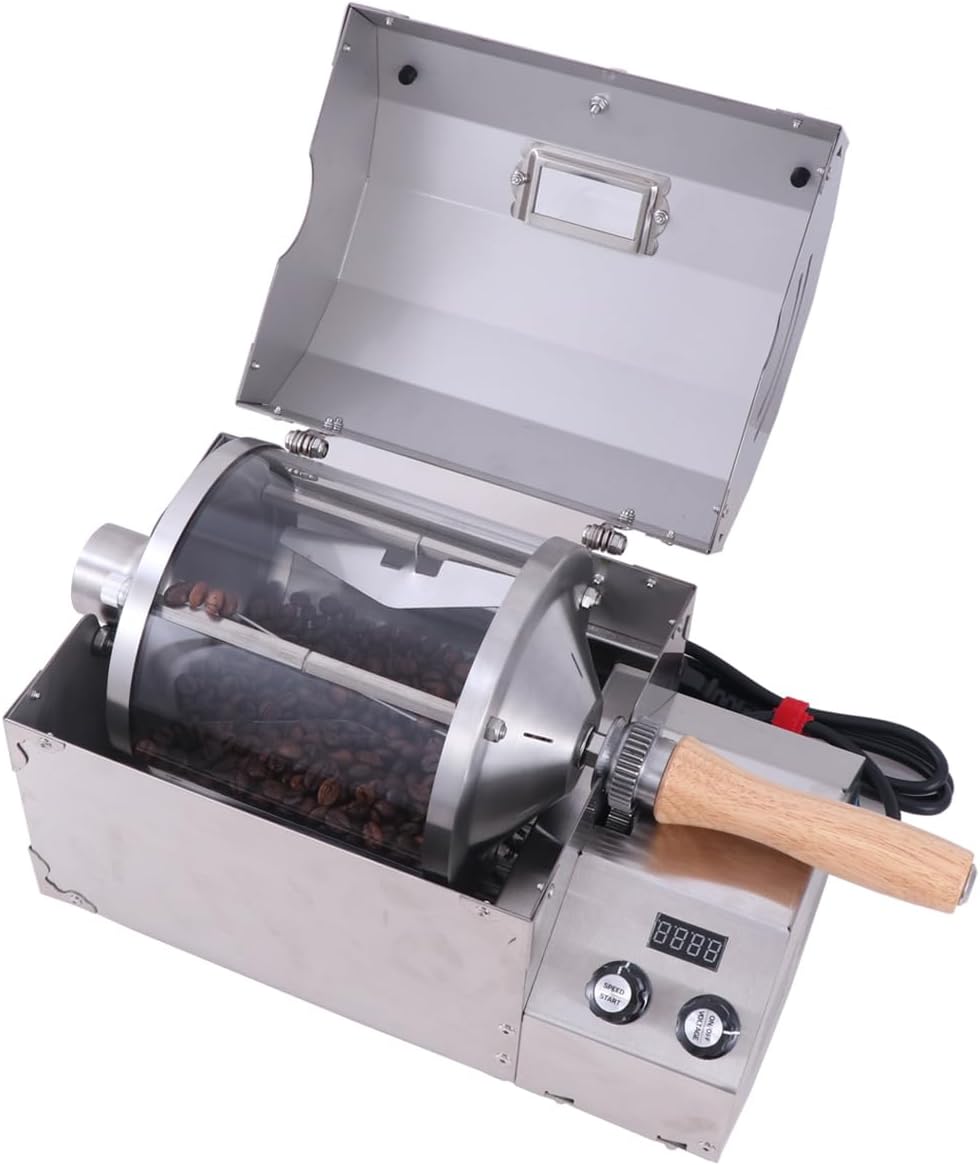
Some advanced electric models complement visual monitoring with digital displays, timers, and automatic cooling cycles. These features eliminate guesswork by tracking exact temperatures in Celsius or Fahrenheit. Balancing transparent viewing windows with digital controls helps you decide whether you prefer a hands-on sensory roasting experience or a guided, technology-assisted workflow in your kitchen.
Versatility Beyond Coffee Beans
Many household roasting machines offer multi-use capabilities that extend well beyond green coffee beans. Versatile appliances can efficiently roast peanuts, chestnuts, almonds, popcorn, and various grains. Choosing a multi-purpose machine maximizes your kitchen investment by providing an appliance that handles snacks and baking ingredients alongside your daily coffee supply. This flexibility is ideal for households that enjoy preparing homemade toasted nuts and fresh popcorn regularly.
Conversely, specialized roasters engineered strictly for green coffee beans often omit multi-food versatility in favor of precision performance. These dedicated units focus exclusively on optimizing airflow, chaff collection, and roast profile development for coffee enthusiasts. Consider whether you need an all-around snack roaster or a dedicated coffee machine before making your final selection to ensure it matches your culinary routines and storage space.
Maintenance and Chaff Management
Managing chaff and residue is an important part of owning a coffee roasting machine. During roasting, the outer skin of the green bean sheds, producing light paper-like particles that must be collected or expelled. Units equipped with efficient chaff collectors keep your workspace clean and reduce smoke accumulation during high-temperature roasting sessions. Proper chaff containment prevents blockages and maintains steady airflow throughout the chamber.
Cleaning ease depends heavily on interior coatings and removable parts. Non-stick Teflon layers and stainless steel surfaces prevent burnt oils from adhering stubbornly to the walls. Following manufacturer cleaning guidelines ensures your roaster stays in top condition, preventing rancid oil buildup that could negatively impact the flavor of subsequent batches of freshly roasted coffee beans.
Frequently asked questions
Can I roast foods other than coffee beans in these machines?
Yes, several home roasters feature versatile designs that accommodate peanuts, popcorn, chestnuts, grains, and dried fruits. Models with adjustable temperatures and non-stick pans work exceptionally well for multiple snack-roasting tasks. However, specialized machines built strictly for green coffee beans should not be used for oily nuts or grains to prevent residue buildup and mechanical issues. Always check the manufacturer specifications to confirm whether your chosen model supports multi-use roasting before processing alternative food items in your kitchen.
What is the ideal batch size for home coffee roasters?
The recommended batch size for most compact home roasters typically ranges between 300 and 500 grams. Staying within this optimal capacity range ensures balanced thermal distribution and proper airflow across every bean during the roasting cycle. Overloading the machine beyond its stated capacity can restrict movement, resulting in uneven heating, scorched beans, or stalled development. Matching your daily consumption to these batch volumes helps maintain consistent flavor and quality across all your home-roasted coffee supplies.
How do manual gas roasters compare to electric roasters?
Manual gas roasters rely on external burners for heat and utilize a motor to rotate quartz glass drums, offering a traditional, hands-on roasting experience. In contrast, electric roasters feature built-in heating elements ranging from 1000 to 1200 watts, providing plug-and-play convenience with adjustable temperature controls. Gas setups allow direct flame observation and tactile adjustment, while electric models offer automated heating consistency and integrated timers that simplify everyday operation for beginners and busy enthusiasts alike.
Do home coffee roasters produce a lot of smoke?
Smoke production during coffee roasting varies depending on the machine design and the roast level you select. Advanced models equipped with efficient chaff collectors and enclosed chambers help minimize smoke output during operation. However, reaching dark roast levels naturally generates more smoke regardless of the machine. It is always best to operate your coffee roaster in a well-ventilated kitchen area or near an exhaust fan to keep indoor air clean and comfortable.
How should I clean and maintain my electric coffee roaster?
Maintenance involves regular cleaning of the interior chamber, stirring rods, and chaff collectors after the machine has fully cooled down. Non-stick Teflon layers and stainless steel surfaces simplify wiping away accumulated oils and residue. Following manufacturer guidelines for cleaning prevents rancid oil buildup that can alter future coffee flavors. Never submerge electrical bases in water, and ensure all parts are completely dry before storing or operating the appliance for your next roasting session.