Appliances · Buying Guide
Best non toxic coffee grinder options for fresh home brewing
Choosing a reliable coffee grinder involves looking closely at physical materials like stainless steel blades, ceramic burrs, and durable grinding bowls. Whether you prefer a compact manual hand-crank model for travel or an electric appliance with a larger bean capacity for daily home use, finding the right build depends entirely on your daily brewing routine and available kitchen space.
Mechanical designs vary widely across available options, ranging from simple push-button blade systems to precise conical burr grinders featuring multiple physical adjustment steps. Reviewing the exact dimensions, power sources, and component materials helps clarify which grinder fits your kitchen countertop or packing list without guessing about how it operates.
As an Amazon Associate, StacyLaughs earns from qualifying purchases.
Buying guide
Evaluating Burr Versus Blade Mechanics
Selecting a coffee grinder starts with understanding the fundamental mechanical differences between rotating burr systems and fast-spinning metal blades. Blade grinders use sharp metal edges to chop beans into smaller particles rapidly. While simple to operate via basic push-button controls, they rely entirely on run duration rather than exact physical spacing to determine final particle size.
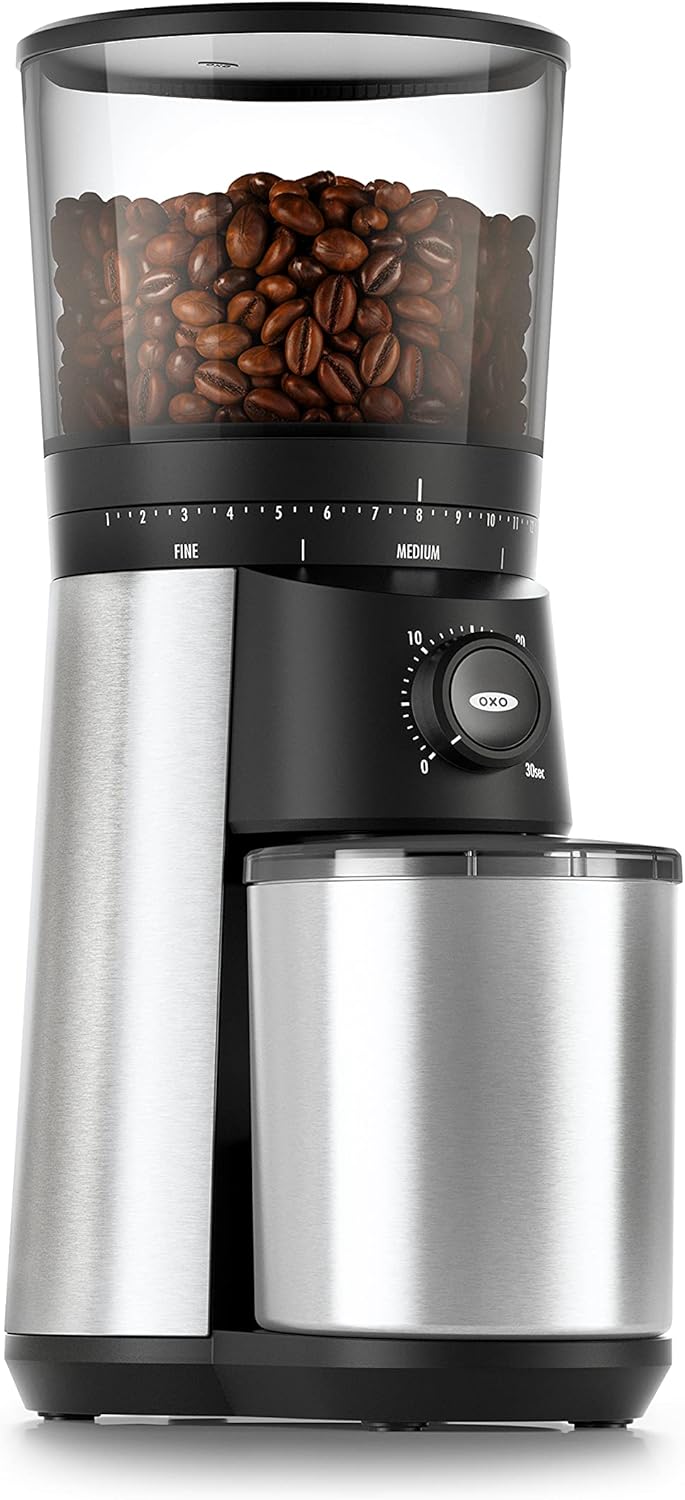
Conical burr grinders use two revolving abrasive surfaces to crush coffee beans to a uniform dimension. This structured mechanical approach allows for precise calibration, letting you shift smoothly from coarse French press grounds to ultra-fine espresso powders. Matching the internal mechanism to your preferred coffee style ensures consistent extraction across every single batch you brew in your kitchen.
Understanding Capacity and Physical Footprint
Bean capacity directly dictates how much coffee you can process in a single cycle. Compact models hold a few ounces suitable for individual servings, while larger hoppers store up to ten or twelve ounces of whole beans. Matching hopper volume to your household consumption prevents the need for constant refilling during busy mornings.
External dimensions and vertical heights also determine where the appliance can live on your kitchen counter. Taller machines require careful measurement of overhead cabinet clearances before purchase. Evaluating your available counter space alongside daily batch sizes ensures the chosen grinder integrates smoothly into your kitchen layout without causing crowding or storage issues.
Power Sources and Operational Control
Modern coffee grinders rely on different power sources, ranging from standard electric wall outlets to manual hand cranks. Electric models use internal motors with wattages typically between 100 and 150 watts to drive blades or burrs automatically. These systems offer fast processing speeds and require minimal physical effort during your busy morning routines at home.
Manual hand-crank grinders eliminate electrical cords and batteries entirely, making them ideal companions for camping trips and outdoor travel. They rely completely on human rotation to turn internal burrs, offering a quieter grinding experience without mechanical motor noise. Choosing between electric power and manual operation depends on whether you prioritize countertop speed or total portable convenience.
Grind Setting Adjustments and Coarseness
The number of grind settings dictates how versatile the appliance is for different brewing styles. Basic models feature fixed consistency or limited steps, while advanced burr grinders offer anywhere from fifteen to thirty main settings, sometimes supplemented by additional micro-adjustments. These physical variations let you dial in exact coarseness levels for your preferred recipes.
Fine coffee grinds are essential for espresso machines, whereas coarser particles suit French press and cold brew methods. Selecting a grinder with an adequate adjustment range ensures you can experiment easily with multiple brewing techniques without buying separate equipment for each specific coffee preparation style you enjoy at home.
Material Construction and Component Durability
Material choices heavily influence the longevity and daily maintenance routines of your coffee grinder. Stainless steel bowls and sharp blades resist wear and handle dry coffee beans, spices, or grains efficiently. Ceramic burrs offer alternative hardness characteristics, often designed to last through extended daily use cycles without wearing down prematurely under normal kitchen operating conditions.
Removable components, such as detachable grinding bowls or lift-off upper burrs, simplify the cleaning process significantly after daily use. Including dedicated cleaning brushes helps sweep away residual coffee dust from tight internal crevices. Prioritizing durable metal or ceramic construction ensures the appliance withstands frequent use while remaining simple to maintain over time.
Safety Mechanisms and Operational Protections
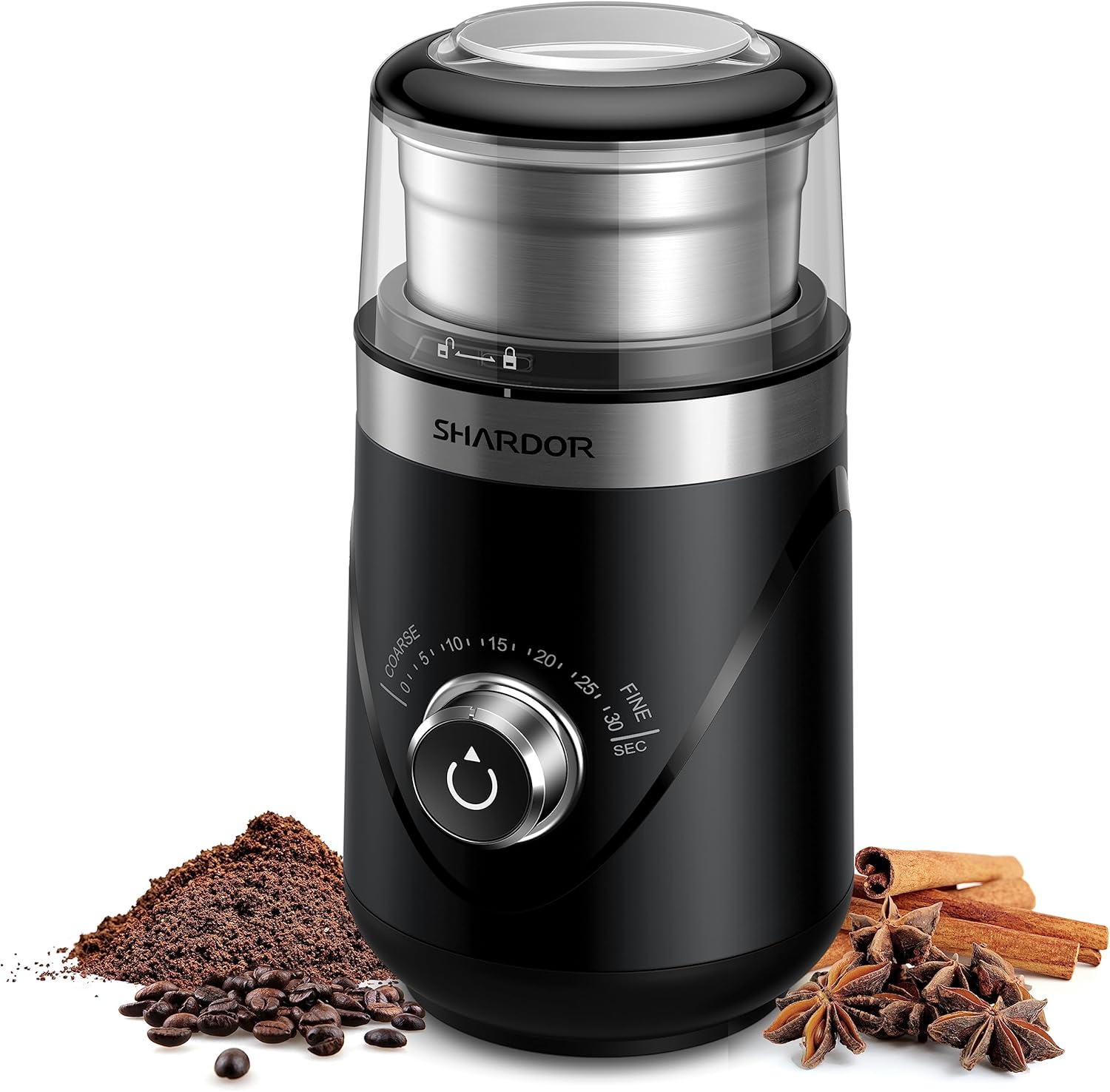
Safety features are essential when operating high-speed motorized kitchen appliances in busy households. Many electric grinders incorporate strict lid-locking mechanisms that prevent the motor from engaging unless the cover is secured tightly. This physical safeguard stops accidental blade exposure during active grinding cycles, protecting users from direct contact with moving parts in the grinding bowl.
Advanced burr models often include extra internal safeguards like mechanical friction clutches and built-in overheating protection systems. These protective measures prevent gear damage if small foreign objects are accidentally introduced with the coffee beans, while thermal cutoffs extend the overall lifespan of the internal motor during frequent daily grinding tasks.
Frequently asked questions
What is the difference between blade and burr coffee grinders?
Blade grinders use fast-spinning metal edges to chop beans into smaller particles, operating similarly to a small blender. They rely on timing your button press to determine how fine the grounds become. In contrast, burr grinders use two abrasive surfaces to crush beans to a uniform size. This structured crushing action produces much more consistent particle dimensions, which leads to more balanced flavor extraction across different brewing methods like espresso or French press.
Can electric coffee grinders be used for spices and herbs?
Certain electric grinders equipped with stainless steel bowls and blades are specifically designed to handle dry ingredients like spices, seeds, and grains alongside coffee beans. For example, models featuring removable stainless steel bowls allow you to mill peppercorns or flaxseed between coffee batches. However, you must always verify manufacturer guidelines, as some burr grinders are strictly engineered for whole coffee beans and can suffer mechanical damage if used with oily or wet herbs.
How do manual hand-crank coffee grinders work?
Manual hand-crank coffee grinders operate entirely without electricity, cords, or batteries, relying instead on human rotation. You place whole beans into the top hopper and turn the handle manually to rotate internal ceramic or metal burrs. This mechanical rotation crushes the beans gradually against the burr assembly. Because they generate minimal noise and require no power source, hand-crank grinders offer high portability for camping trips, hiking excursions, and traveling coffee enthusiasts.
Why are grind settings important for different brewing methods?
Different brewing techniques require specific particle sizes to extract optimal flavors from coffee beans. Fine grinds expose more surface area, making them ideal for high-pressure espresso machines where water passes through quickly. Coarser settings leave larger particles, which prevent over-extraction and bitterness in French press or cold brew systems. Grinders offering multiple adjustment steps allow you to fine-tune these particle dimensions easily to match your preferred coffee maker without purchasing separate specialized equipment.
What maintenance is required to keep a coffee grinder clean?
Regular cleaning keeps your coffee grinder functioning smoothly and prevents old oil buildup from affecting your coffee's flavor. Many models include dedicated cleaning brushes to sweep away residual grounds from burrs, bowls, and internal crevices. Removable bowls and upper burrs can typically be hand washed with mild soap and water, though you should always follow manufacturer maintenance instructions regarding dishwasher safety, waterproofing limits, and electrical component care before washing any part.