Appliances · Buying Guide
Best roest coffee roaster price choices for home green beans
Finding the right equipment to roast green coffee beans at home involves understanding what different machines offer for your kitchen setup. Exploring options that match your budget and capacity needs helps ensure you can enjoy fresh coffee without unnecessary complications during daily preparation, letting you experiment with various roast profiles and flavor developments right in your own kitchen space.
Different roasting designs use varying power sources, heating elements, and capacities to handle small batches of beans effectively. Reviewing these electric and gas-powered choices lets you compare practical features, batch sizes, and physical dimensions before making a final purchasing decision for your routine, ensuring your chosen device accommodates your preferred quantities and countertop space requirements.
As an Amazon Associate, StacyLaughs earns from qualifying purchases.
Buying guide
Choosing the Right Roasting Capacity
Selecting an appropriate batch size ensures your green coffee beans receive balanced heat distribution without overloading the heating chamber. Most home machines recommend roasting between 300 and 500 grams per batch to achieve consistent flavor development and proper crack timing. Smaller quantities prevent overcrowding, allowing each bean to circulate freely against the heating surface or stirring mechanism.
Larger machines can hold higher raw weights, but pushing past recommended limits often leads to uneven roasting results and temperature drops. Consider how frequently you drink coffee and your storage capacity when evaluating batch sizes. Matching your weekly consumption habits to a compatible machine capacity prevents stale beans and streamlines your home roasting routine effectively.
Electric Heating Versus Gas Power Sources
Power sources dictate how you set up and operate your coffee roaster within your living space. Electric models plug directly into standard kitchen outlets, offering straightforward temperature adjustments and integrated heating elements. These units often feature digital displays or built-in timers, making them accessible for indoor kitchen use without requiring complex external equipment setups.
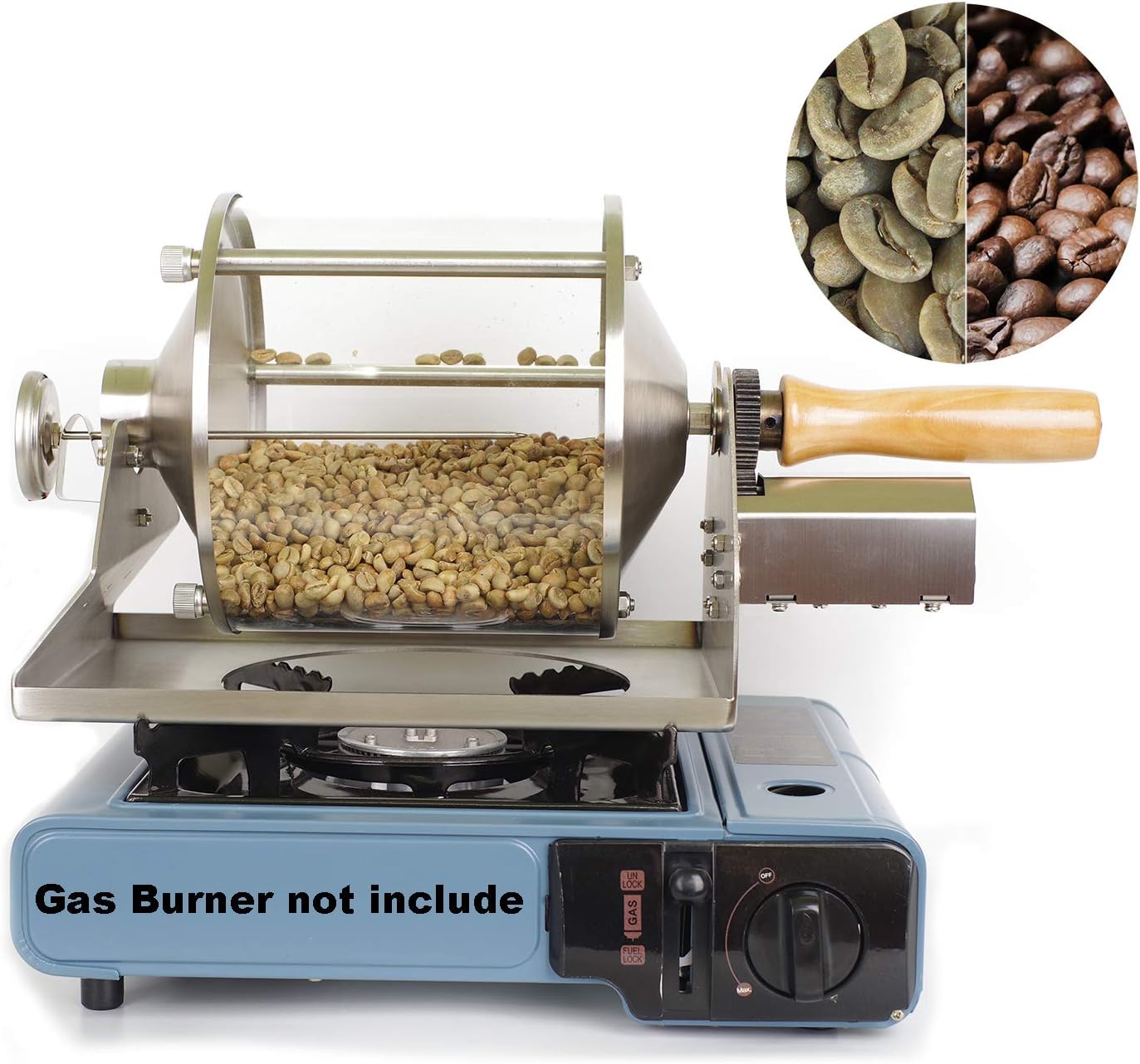
Gas-powered roasters typically rely on external burners, providing direct flame control and traditional physical interaction during the roasting cycle. While gas setups require careful ventilation management and burner positioning, they appeal to enthusiasts who appreciate hands-on mechanical control. Evaluating your kitchen layout and safety preferences helps determine whether an electric plug-in unit or a gas-compatible drum fits your lifestyle.
Temperature Control and Profile Flexibility
Precise temperature management allows you to guide green coffee beans through various development stages, from drying phases to the first and second cracks. Roasters equipped with adjustable thermostats give you the freedom to explore light, medium, and dark roast profiles. Being able to fine-tune heat levels ensures you can adapt to different bean densities and moisture contents.
Fixed-temperature appliances offer simplicity, but they lack the versatility needed for experimenting with specialty single-origin beans. Digital interfaces with clear Celsius or Fahrenheit readouts make replicating successful batches much easier over time. Prioritizing flexible temperature settings empowers you to refine your roasting technique and achieve consistent flavor notes with every single batch you process.
Monitoring Visibility and Drum Design
Observing color changes and smelling aroma shifts during roasting helps you decide exactly when to stop the cycle. Transparent lids and glass observation windows let you keep a close eye on the beans without releasing heat prematurely. Quartz glass drums provide a clear view from all angles, letting you track physical transformations in real time.
Solid opaque chambers require you to rely solely on listening for cracks or timing the process, which can challenge beginners. When evaluating design materials, consider how easily you can view the interior and whether the lid includes ventilation holes to release moisture and chaff. Clear observation points significantly improve your confidence throughout each stage of the home roasting process.
Cleaning and Maintenance Practicalities
Coffee roasting naturally produces chaff, natural oils, and residue that accumulate inside the chamber over repeated use. Non-stick coatings and honeycomb bases help prevent stubborn burnt buildup, making routine wipe-downs much simpler after the machine cools down completely. Choosing a roaster with accessible interiors ensures you can maintain hygiene without spending excessive time scrubbing delicate internal surfaces.
Removable lids, built-in chaff collectors, and smooth inner walls also simplify post-roasting cleanup tasks significantly. Always allow heating elements and pans to cool down fully before attempting any maintenance procedures, following manufacturer guidance carefully. Prioritizing easy-to-clean designs protects your investment and keeps your equipment functioning smoothly for countless roasting sessions ahead in your kitchen.
Multi-Functional Applications Beyond Coffee
Many home roasting machines offer versatility that extends far beyond processing green coffee beans. These appliances can frequently handle peanuts, chestnuts, soybeans, popcorn, and various dried fruits with similar efficiency. Purchasing a multi-functional roaster maximizes the value of your countertop space by providing an appliance that serves multiple snack preparation needs in your household.
If you plan to roast nuts or pop corn regularly, check the manufacturer guidelines to ensure the heating mechanism and bowl shape accommodate those foods. Dedicated coffee-only roasters may feature specialized airflow or chaff management systems optimized exclusively for beans. Evaluating whether you want a single-purpose device or an all-purpose roaster helps align your purchase with your daily culinary habits.
Frequently asked questions
Can I roast green coffee beans in any of these machines?
Most of these roasting machines are specifically designed to handle green coffee beans, while some models also accommodate nuts, popcorn, and grains. For instance, specialized smart roasters focus strictly on green beans, whereas electric batch roasters often feature versatile multi-use capabilities. Always review the manufacturer specifications to confirm whether a device is built exclusively for coffee or if it supports alternative food items like peanuts and soybeans safely.
How long does a typical home coffee roasting session take?
Roasting duration varies depending on the machine's power rating, heating source, and batch size. Electric roasters with powerful 1200W heating systems typically complete a batch within twenty minutes, depending on your target roast level. Gas-powered quartz drum roasters require careful manual observation, where you control the heat application until you hear the first or second crack. Monitoring the process closely ensures you achieve your desired flavor profile.
What is the best batch size for home coffee roasters?
Although some machines advertise maximum capacities between 400 and 800 grams, most manufacturers recommend roasting between 300 and 500 grams per batch for optimal results. Keeping safely within this recommended weight range ensures even heat distribution across all beans and prevents overcrowding inside the heating chamber. Exceeding recommended batch limits can easily lead to uneven roasting, inconsistent flavor development, and extended processing times that compromise the final taste and aroma of your roasted coffee.
How do I clean and maintain my electric coffee roaster?
Maintaining your electric coffee roaster involves clearing out accumulated chaff, natural oils, and residue after every single use. Many units feature non-stick honeycomb bases or removable lids that simplify wiping down the interior once the machine cools down completely. Always follow manufacturer guidelines regarding cleaning methods and avoid abrasive scrubbers that could damage delicate interior coatings. Regular maintenance prevents burnt buildup and ensures reliable heating performance during future roasting sessions.
Do I need a chaff collector when roasting coffee at home?
Chaff is the papery skin that sheds off green coffee beans as they heat and roast. While some simpler models use vented lids to release airflow naturally, advanced smart roasters include dedicated chaff collectors or low-smoke designs to capture this debris. Having an effective way to manage chaff helps keep your kitchen clean and reduces smoke during indoor roasting. Consider your kitchen ventilation setup when choosing between open-lid models and enclosed systems.