Appliances · Buying Guide
Best Coffee Grinders for Home Kitchens and Fresh Brewing
Finding the right equipment to grind coffee beans at home transforms a simple morning routine into a deeply flavorful experience. Whether you prefer a quick single cup using a basic drip machine or a specialized brew method like a French press, selecting the ideal device depends heavily on your kitchen space, daily habits, and preferred brewing style.
The current market features diverse options ranging from compact blade models designed for quick daily operation to advanced burr grinders equipped with multiple precise grind settings. Examining these specific choices helps you understand how different internal mechanisms, bean capacities, and safety features match your preparation needs, cleanup preferences, and available countertop dimensions for your home kitchen setup.
As an Amazon Associate, StacyLaughs earns from qualifying purchases.
Buying guide
Blade Versus Burr Grinding Mechanisms
Understanding the core internal mechanism is the most important step when selecting a coffee grinder for your home kitchen. Blade models use spinning metal blades to chop beans into smaller particles. They offer rapid operation and a compact physical footprint, making them ideal for quick single batches or multi-purpose spice grinding.
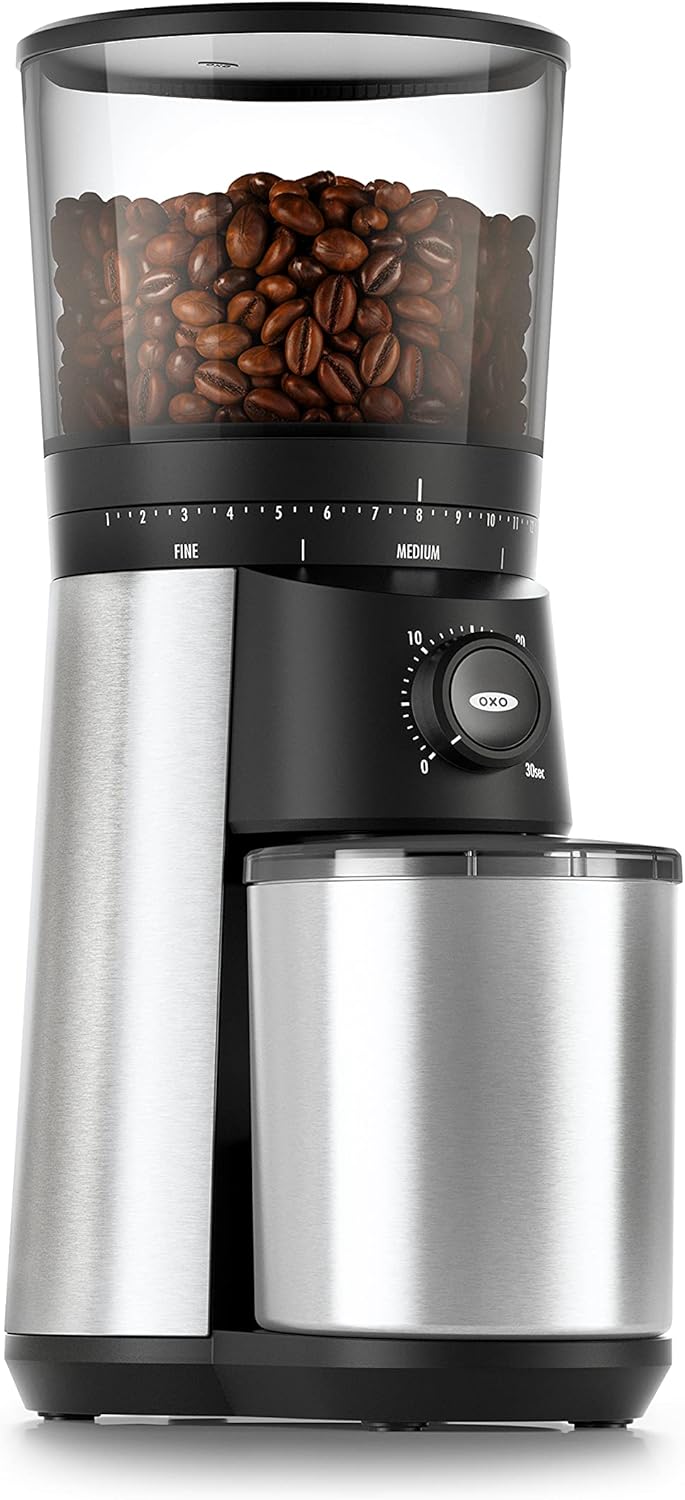
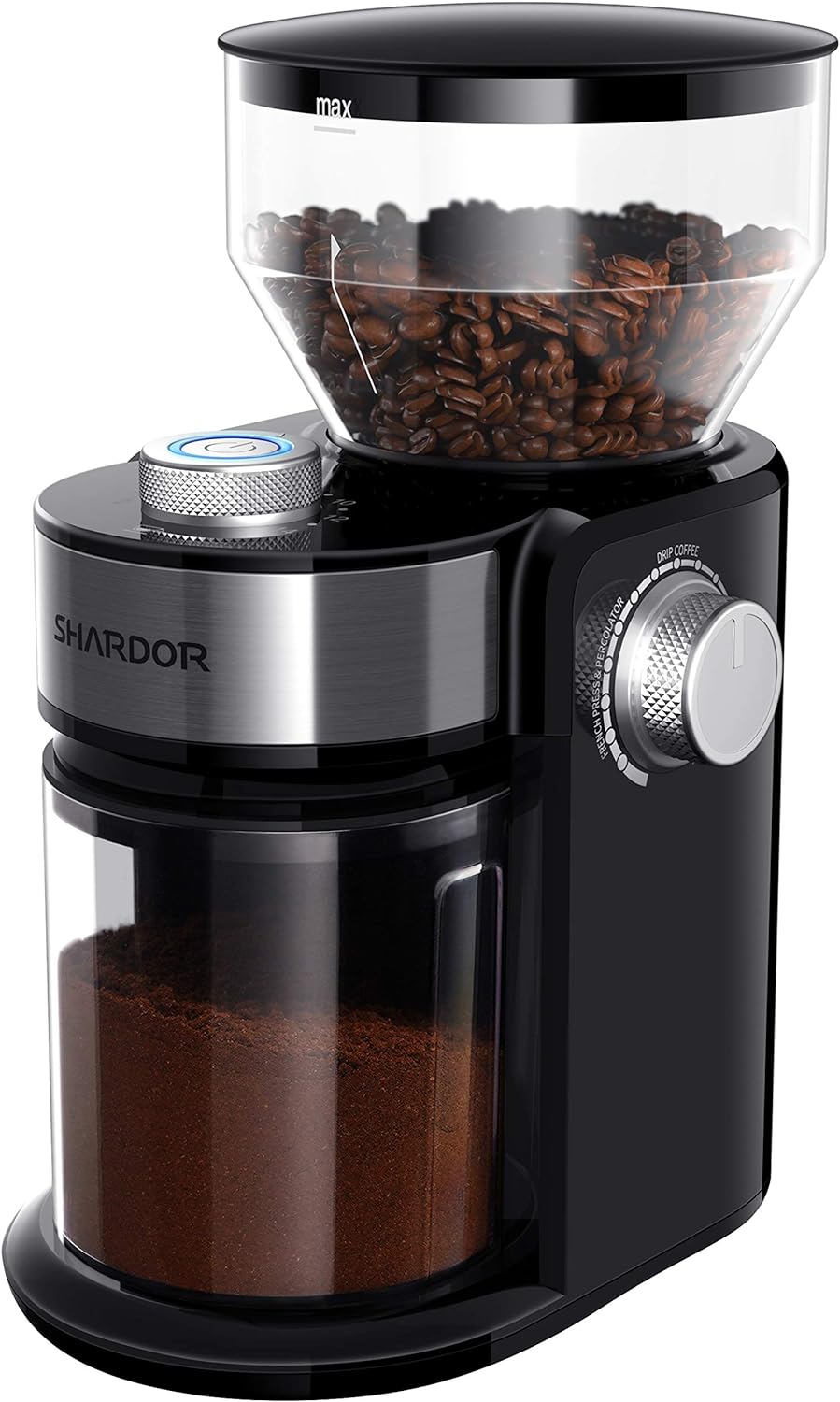
Burr grinders feature two revolving abrasive surfaces that crush beans to a uniform size rather than randomly chopping them. This uniform particle size prevents bitter extraction issues and delivers a balanced flavor profile. While burr systems involve a larger appliance size and higher maintenance, they excel at delivering precise extraction control for discerning coffee enthusiasts.
Evaluating Bean Hopper and Chamber Capacity
Capacity dictates how many coffee beans you can load at once and how many grounds the machine can store before emptying. Small blade grinders typically hold fractional cup amounts suited for immediate brewing sessions. In contrast, larger burr mills feature expansive hoppers holding eight to twelve ounces of whole beans for extended daily use.
Matching capacity to your daily household consumption prevents constant reloading while avoiding stale beans sitting exposed in the hopper. If you brew multiple pots daily or host guests regularly, a high-capacity chamber accommodating up to thirty-two cups of grounds provides significant convenience. Single-user households can prioritize compact bowls that minimize kitchen counter clutter.
Grind Settings and Micro-Adjustments
The variety of grind settings available directly influences which brewing methods you can successfully explore at home. Basic grinders offer broad coarse-to-fine switches or single-speed push-button controls. Advanced burr mills provide anywhere from fifteen to eighteen main settings, frequently supplemented by additional micro-adjustments designed for precise extraction parameters across diverse coffee recipes.
Fine settings are essential for producing tight espresso grounds that resist water flow properly during high-pressure brewing. Coarse settings prevent bitter over-extraction when preparing French press or cold brew coffee. Carefully assessing your preferred brewing beverages ensures you choose a machine with enough granularity to handle your daily recipes with absolute consistency.
Countertop Space and Physical Dimensions
Kitchen counter space is a valuable commodity, making the physical dimensions of a coffee grinder an essential purchasing factor. Compact blade models usually have a small circular or square footprint, taking up minimal vertical and horizontal surface area. They easily tuck into crowded kitchen corners or storage spaces when not actively in use.
Dedicated burr grinders often feature taller housings and wider hopper assemblies to accommodate internal electric motors and bean storage. Before purchasing a burr mill, measure your vertical cabinet clearance to ensure the appliance fits comfortably beneath upper kitchen shelves. Evaluating your layout prevents storage frustration and ensures seamless daily accessibility for morning routines.
Safety Interlocks and Operational Controls
Modern electric coffee grinders incorporate various safety mechanisms to protect users during daily operation. Lid-locking features on blade models prevent the motor from engaging unless the cover is securely positioned, stopping accidental spills or contact with spinning blades. Burr grinders often use dual safety interlocks requiring both the hopper and chamber to lock.
Operational controls range from simple push-button switches to automated electric timers and cup selector dials. One-touch operation offers immediate manual control over grind duration, while timed auto-shutoff dials let you set a specific cup count and walk away. Choosing the right control style depends on whether you prefer hands-free automation or direct manual oversight.
Cleaning and Maintenance Requirements
Regular cleaning keeps your coffee grinder functioning properly and ensures that residual oils do not turn rancid over time. Some electric models feature removable dishwasher-safe grinding bowls that simplify washing away leftover bean fragments and kitchen spices. Other units include specialized cleaning brushes designed to sweep out stubborn micro-grounds from tight internal chambers.
Burr grinding systems require periodic manual maintenance to clear fine coffee dust from the burrs and housing components. Following manufacturer maintenance guidelines preserves motor performance and prevents mechanical clogging. Evaluating how easily a machine disassembles for routine upkeep helps you maintain long-term flavor clarity and appliance longevity in your busy home kitchen.
Frequently asked questions
What is the difference between blade and burr coffee grinders?
Blade coffee grinders use spinning metal blades to chop whole beans into smaller pieces, offering a fast and straightforward approach for single batches. However, chopping creates uneven particle sizes that can lead to inconsistent extraction. Burr grinders use two revolving abrasive surfaces to crush beans to a uniform particle size. This even crushing preserves essential oils and ensures balanced extraction across your entire brew, making burr mills the preferred choice for specialized extraction methods like espresso and French press.
Can I use a coffee grinder for spices and herbs?
Many compact electric blade grinders are explicitly designed to handle coffee beans alongside dry herbs, spices, grains, and seeds. Removable stainless steel bowls make it easy to process savory ingredients without transferring unwanted flavors to your morning brew if cleaned thoroughly between uses. However, dedicated burr grinders with complex internal hoppers and narrow passages are generally restricted to grinding coffee beans to prevent damage and oil buildup in sensitive mechanisms.
How do I clean my electric coffee grinder?
Cleaning requirements depend entirely on the specific appliance design and manufacturer guidelines. Models featuring removable stainless steel bowls allow you to wash the grinding chamber directly in a dishwasher or by hand. Units with integrated burrs typically require you to remove the hopper and use an included cleaning brush to sweep away residual coffee dust and micro-grounds from the internal burrs, ensuring smooth operation and fresh-tasting brews over extended periods.
Why do some coffee grinders feature safety interlock systems?
Safety interlock systems are engineered to protect users from accidental injuries and prevent messy bean spills during operation. Lid-locking mechanisms on blade grinders ensure the motor will not start unless the cover is fully secured in place. Burr grinders frequently employ dual safety interlocks that require both the bean hopper and the ground chamber to be locked correctly before power flows to the heavy-duty motor, preventing unsecured parts from shifting.
How many grind settings do I actually need?
The number of grind settings you require depends on the variety of brewing methods you enjoy at home. If you primarily brew standard drip coffee, a basic grinder with a single setting or broad coarse-to-fine control is usually sufficient. If you enjoy experimenting with espresso, pour-over, and French press, a burr mill offering fifteen to eighteen distinct settings plus micro-adjustments provides the granular control necessary to achieve proper extraction for each distinct beverage style.