Appliances · Buying Guide
Best Tea Coffee Sugar Storage Containers for Your Kitchen Counter
Finding the right storage setup for daily kitchen staples helps keep countertops tidy and ingredients neatly organized. Selecting appropriate containers involves matching your available counter space with the exact physical dimensions and capacities of each jar. Material choices like ceramic, stoneware, and metal each bring distinct tactile qualities, weights, and daily cleaning routines to your kitchen space.
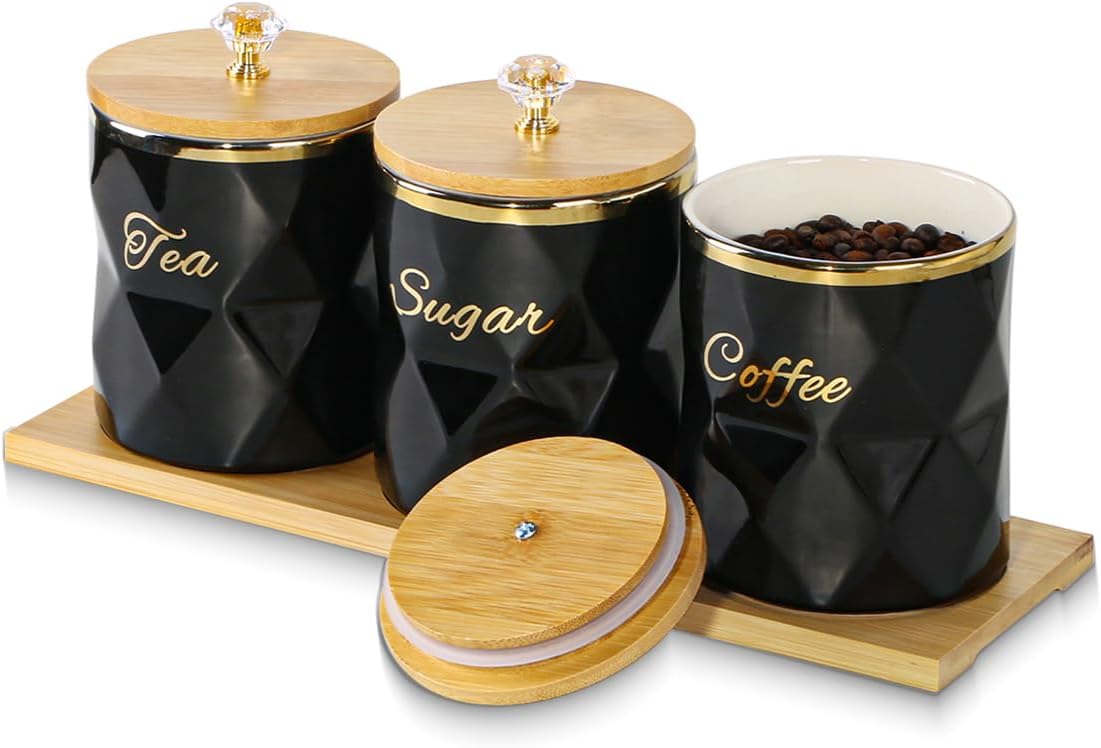
Whether you prefer matching bamboo trays for effortless transport between the pantry and table, or varied jar heights tailored to specific ingredient volumes, a thoughtful storage set streamlines morning routines. Reviewing capacities, lid sealing mechanisms, and included accessories ensures the chosen canisters fit your household habits without taking up excess room.
As an Amazon Associate, StacyLaughs earns from qualifying purchases.
Buying guide
Selecting Material Types
Choosing the correct material for your tea, coffee, and sugar storage containers depends heavily on your daily kitchen routine and aesthetic preferences. Ceramic and stoneware options provide a heavy, stable base that resists tipping over during hurried morning coffee preparation. These smooth finishes also prevent flavor transfer, ensuring sensitive ingredients like loose-leaf tea retain their original profiles without absorbing unwanted tastes from the container walls over extended periods of storage time.
Metal alternatives offer rugged durability against accidental kitchen bumps, making them exceptionally suitable for bustling household environments where dropped items are a common concern. Each material demands specific cleaning care, with dishwasher-safe ceramic bodies contrasting against hand-wash-only wooden lids and metal surfaces. Evaluating how often you want to clean your storage vessels helps determine whether stoneware or metal best fits your household lifestyle.
Evaluating Countertop Footprints
Countertop space is frequently at a premium in modern kitchens, making physical dimensions an essential purchasing criterion to review carefully before buying any storage set. Taller canisters maximize vertical room while occupying a minimal horizontal surface area, though they may occasionally conflict with low-hanging upper cabinets during everyday placement near your coffee machine. Checking exact height specifications ensures your containers sit comfortably without awkward tilting or forcing.
Conversely, wider jars require more expansive counter layouts but offer lower profiles that slide easily underneath overhead shelving units. Measuring your available vertical and horizontal clearance before selecting a set prevents frustrating placement issues and keeps your coffee preparation area functional and tidy. Assessing tray widths also helps determine whether bundled sets will fit alongside your existing appliances.
Understanding Capacity Needs
Matching container volumes to your actual consumption rates prevents constant restocking or wasted counter space in your pantry. Smaller eighteen to twenty-three ounce jars work wonderfully for specialty tea bags or gourmet coffee beans used in moderate daily quantities by single users or couples. Selecting these modest volumes keeps your ingredients fresh by reducing the total air trapped inside partially filled containers between morning routines.
Larger thirty-three ounce containers or multi-pound storage jars accommodate bulk household baking staples, reducing the frequency of pantry trips for busy families. Assessing how quickly you go through specific dry goods ensures your selected storage set matches your household demands without leaving excess powder spilling over during hurried scooping tasks. Balancing jar capacity with your family size creates an efficient kitchen workflow.
Evaluating Lid Seals and Freshness
Airtight seals play a vital role in preserving the aroma and flavor of coffee beans and loose-leaf teas. Rubber and silicone sealing rings create a tight barrier against ambient kitchen humidity, protecting dry ingredients like sugar from clumping together over time. These physical barriers ensure that your morning coffee maintains its rich taste from the first scoop to the last.
Friction-fit bamboo lids offer a natural closure style, though they require proper alignment to maintain their protective seal against air exposure. Reviewing how lids attach and lock helps determine how effectively your stored staples remain fresh between uses. Choosing between clamped silicone gaskets and simple friction lids depends on your preference for ease of opening versus maximum seal security.
Convenience Features and Accessories
Included accessories such as matching serving trays and dedicated spoons add notable practical value to kitchen canister sets. Serving trays allow you to lift multiple jars simultaneously, streamlining movement between the pantry, countertop, and dining table without juggling individual items. This consolidated storage keeps stray containers from wandering across different kitchen zones.
Integrated lid handles provide a secure grip when opening rubber-gasketed covers during busy cooking sessions when your hands might be slightly damp. Examining these extra design elements helps you choose a set that enhances everyday convenience around the kitchen workspace. Having matching spoons included also eliminates the need to hunt through drawers for measuring utensils every time you brew a fresh cup of tea.
Cleaning and Maintenance Protocols
Proper maintenance ensures your storage containers remain hygienic and retain their attractive exterior appearance over years of daily kitchen use. Ceramic and stoneware bodies typically wipe clean easily with a damp cloth, while many glazed versions tolerate dishwasher cycles for thorough sanitization after holding powdery baking ingredients like flour and sugar.
Wooden and bamboo lids generally require careful hand-washing and prompt drying to prevent moisture warping and preserve their natural wood finishes over time. Following manufacturer care guidelines guarantees that your storage investment stays looking polished and functions reliably through countless daily openings. Neglecting proper lid drying can compromise the wood integrity, making routine upkeep an essential habit for long-term durability.
Frequently asked questions
Do ceramic canisters keep coffee and sugar fresh?
Ceramic canisters equipped with silicone or rubber sealing rings help block ambient air and kitchen moisture from reaching your dry ingredients effectively. While the ceramic material itself is durable and non-porous, the actual freshness protection depends heavily on whether the lid features a tight gasket seal. Paired with a proper sealing ring, these containers create a dependable barrier that keeps coffee grounds and sugar protected between daily uses, provided you press the lid firmly into place every single time.
Can I put wooden or bamboo lids in the dishwasher?
Manufacturer care guidelines universally recommend hand-washing wooden and bamboo lids rather than putting them through an automated dishwasher cycle. High heat and prolonged exposure to standing water inside a dishwasher can cause natural wood to warp, crack, or lose its smooth finish. Instead, you should wipe the lids clean with a damp cloth and dry them promptly with a towel to maintain their proper fit and extend their lifespan alongside your ceramic or metal canister bodies.
How do I choose between metal and ceramic storage jars?
Choosing between metal and ceramic storage jars comes down to counter aesthetics, weight preferences, and durability considerations in your kitchen. Metal canisters provide rugged, drop-resistant durability and a classic farmhouse look, making them resilient against accidental bumps on busy counters. Ceramic and stoneware alternatives offer a heavier, stable base that resists tipping, along with diverse exterior finishes and crackle-glaze textures. Evaluate your household activity level and decor style to determine which material best suits your daily routine.
Are canister sets easy to transport between the counter and table?
Whether a canister set is easy to move depends heavily on whether it includes a dedicated serving tray with cut-out handles. Sets that feature solid bamboo trays with ergonomic side slots allow you to lift all three jars simultaneously and carry them effortlessly between the pantry, coffee bar, and dining table. Canisters sold individually without a tray require you to carry each jar one by one, which takes extra effort during morning coffee service or entertaining guests.
What size canister do I need for standard coffee bags?
Standard coffee bags typically hold around eight to twelve ounces of grounds or whole beans, making containers with twenty to thirty-three ounce capacities ideal choices. An eighteen or twenty-ounce jar comfortably fits standard ground coffee quantities while leaving enough headspace for easy scooping. If you purchase bulk coffee beans, larger thirty-three ounce metal canisters or capacity-matched stoneware jars provide the extra volume necessary to store your entire bag without overflowing onto the kitchen counter.