Appliances · Buying Guide
Best Teavana Tea Maker Glass Options for Loose Leaf Brewing
Finding the right vessel to steep loose-leaf tea transforms a daily routine into an enjoyable ritual. Glass tea makers and modern infuser pots allow you to watch the leaves expand and release their rich aromas. Whether you prefer a compact personal mug or a larger vessel for sharing, clear designs let you monitor the strength of your brew visually.
Selecting the ideal setup depends on your preferred brewing capacity, countertop space, and how you like to separate the leaves from the water. From magnetic release mechanisms to electric temperature-controlled heating bases, various features simplify the steeping process. Evaluating these practical design elements helps you choose a suitable tea maker for your kitchen or office desk.
As an Amazon Associate, StacyLaughs earns from qualifying purchases.
Buying guide
Capacity and Serving Size
Choosing the correct capacity ensures your glass tea maker matches your daily drinking habits and household size. Solo drinkers working at an office desk often prefer compact mugs holding around seventeen ounces of liquid. These smaller glass vessels heat quickly and fit easily into limited work areas without creating unnecessary countertop clutter.
Larger households or social gatherings require higher capacities ranging from twenty ounces up to nearly two quarts in total volume. Selecting a multi-cup teapot allows you to prepare enough flavorful tea for several people at once, eliminating the need for repeated boiling cycles during afternoon tea time or family dinners or office meetings.
Material Composition and Durability
Borosilicate glass remains a popular choice for tea makers because it resists thermal shock and safely handles boiling water temperatures. This high-grade material prevents lingering stains or unpleasant odors from previous brews, ensuring every fresh batch of loose-leaf tea tastes pure and clean without unwanted chemical interference or flavor alterations over extended time.
Alternative materials like BPA-free Tritan offer shatterproof durability for users who prefer drop-resistant construction over traditional glass aesthetics in busy households. Evaluating whether you prioritize classic glass transparency or rugged polymer strength helps narrow down suitable options for your active kitchen or office environment where accidental bumps happen on a regular daily basis.
Infuser Design and Leaf Separation
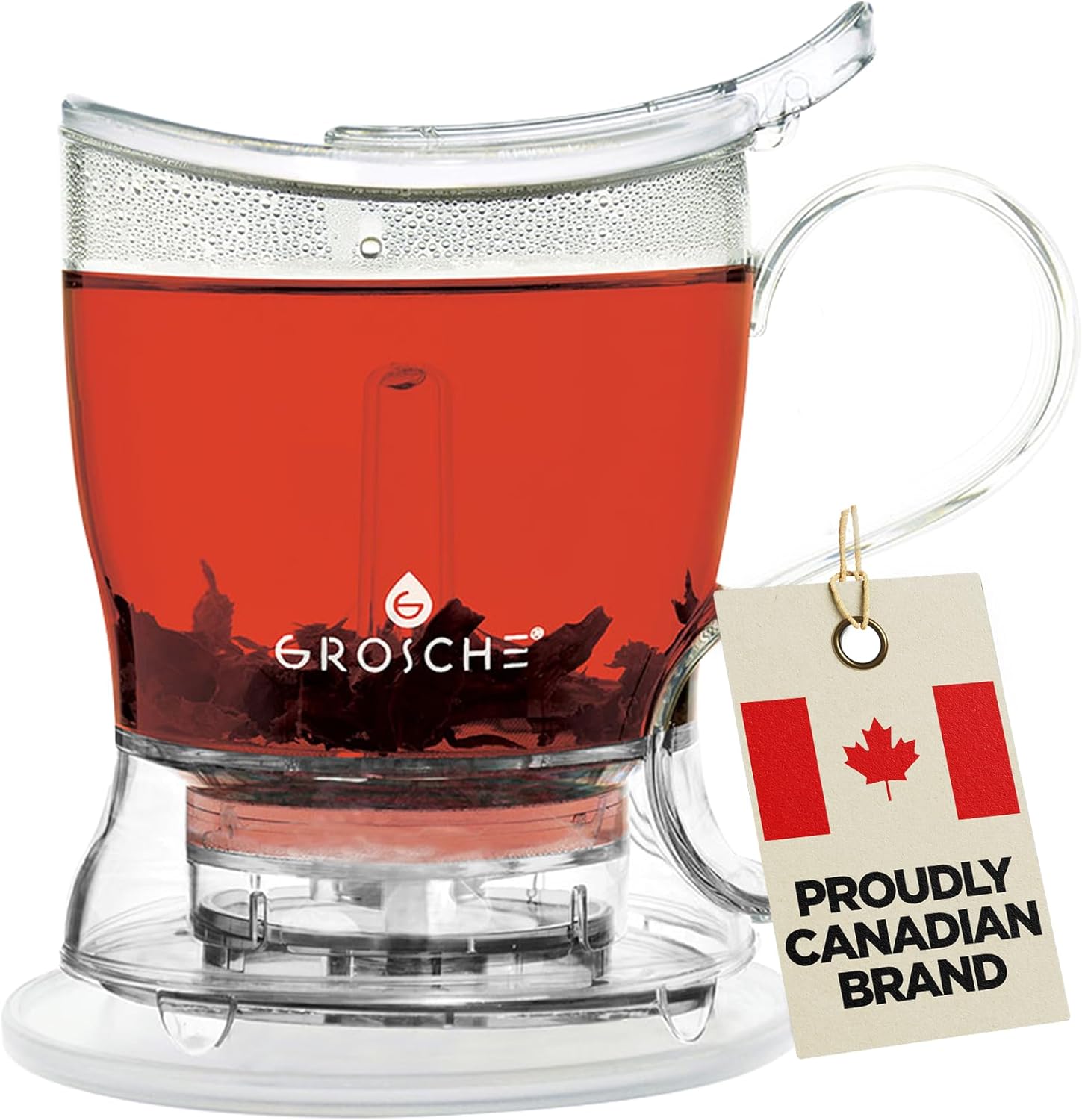
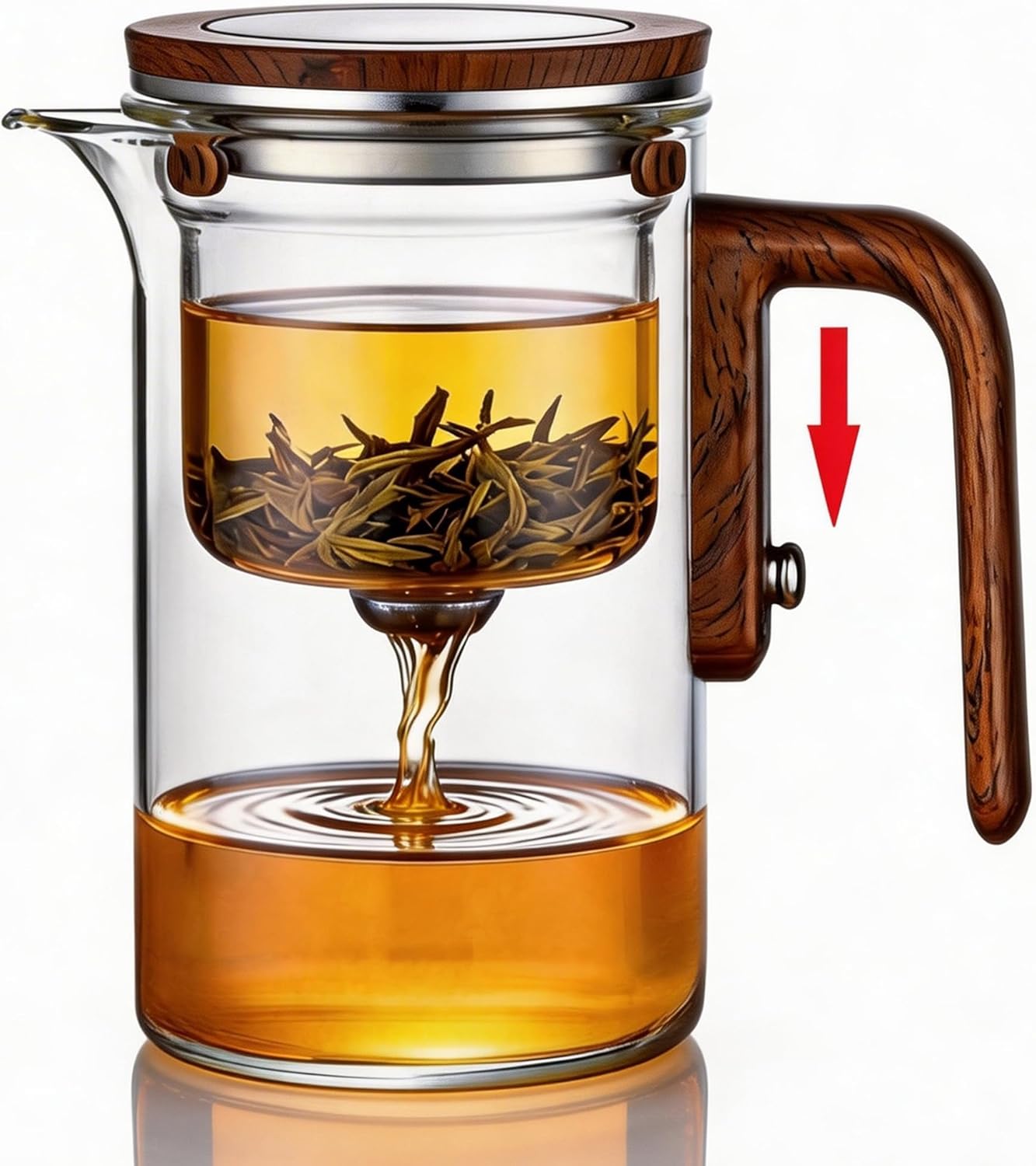
The mechanism used to separate loose leaves from water significantly impacts your daily brewing experience and overall flavor control. Bottom-dispensing designs let you release brewed liquid instantly into a cup, while magnetic release valves stop over-steeping with a single press of a button to preserve delicate green or black tea flavor profiles consistently every single time.
Other models rely on traditional stainless steel mesh strainers or removable glass baskets that lift out manually after steeping finishes completely. Consider which separation method aligns with your personal patience level and desire for mechanical automation during busy mornings when you want a fast cup of tea without experiencing harsh bitter tannins at all.
Temperature Control and Heat Sources
Some glass tea makers require an external heat source like a separate kettle or stove, while advanced electric models feature built-in heating elements and variable temperature presets. Adjustable settings allow you to heat water to exact temperatures ranging from 160 to 212 degrees Fahrenheit for specialized loose-leaf green or white tea blends without any guesswork.
Understanding these heating requirements helps prevent accidental thermal damage to delicate borosilicate glass bodies or attached plastic components during daily use. Always verify whether a specific teapot model is stovetop compatible before placing it directly on a hot burner element to ensure completely safe daily operation in your home kitchen or office pantry environment.
Ease of Cleaning and Maintenance
Keeping your tea maker clean preserves flavor purity and prevents unsightly residue buildup from tannin-rich tea leaves over extended periods of daily use. Wide-mouth openings and detachable multi-piece components make washing interior glass or polymer surfaces much easier after a long day of steeping your favorite loose-leaf herbal or black tea varieties at home.
Some models support convenient dishwasher cleaning, while others require careful hand washing to protect delicate glass bodies or specialized internal mechanisms like magnetic release valves. Following manufacturer maintenance guidelines ensures long-lasting performance and hygienic daily tea preparation for you and your frequent household guests throughout the entire year without any issues.
Countertop Footprint and Storage
Countertop space is often limited in home kitchens and office pantries, making the physical footprint of your tea maker an important daily consideration for prospective buyers. Compact mugs and small manual teapots take up minimal room and store easily inside standard kitchen cabinets when not in active use during busy weekdays and quiet weekend mornings.
Electric kettles and larger multi-component brewing systems require more permanent surface area near an accessible electrical outlet on your kitchen wall. Assess your available counter space before purchasing a larger appliance to ensure it fits comfortably without interfering with other daily kitchen tasks like food preparation or morning coffee brewing sessions at home throughout the entire year.
Frequently asked questions
Can I put my glass tea maker directly on a gas or electric stovetop?
Whether a tea maker can go on a stovetop depends entirely on its specific construction materials and manufacturer guidelines. Some borosilicate glass teapots and mugs are designed to withstand direct heat from gas or electric stovetops safely, while others are strictly meant for hot water pouring only. For example, glass cups with thick borosilicate construction may support stovetop heating, whereas magnetic release glass teapots are typically designated for hot water steeping only. Always review the manufacturer specifications before placing any tea vessel on a burner to prevent thermal cracking.
How do I prevent loose tea leaves from becoming overly bitter during steeping?
Preventing bitterness relies heavily on controlling extraction time and separating the leaves from the water promptly when your preferred strength is reached. Tea makers featuring magnetic release mechanisms or bottom-dispensing valves allow you to halt the steeping process instantly with a simple press or lever action. If you are using a standard infuser basket or mug strainer, lifting the removable mesh or glass basket out of the liquid immediately stops the brewing action, preventing the leaves from releasing excess tannins into your hot beverage.
Are glass tea makers difficult to clean after brewing blooming or herbal teas?
Cleaning a glass tea maker is generally straightforward, especially if the model features a wide mouth and detachable components. Removable stainless steel infusers, glass baskets, and multi-piece strainer systems allow you to discard spent leaves quickly and wash interior surfaces thoroughly. While some glass teapots and mugs are labeled as dishwasher safe for convenient cleanup, others with specialized mechanisms or faux wood handles may require gentle hand washing. Checking the manufacturer care instructions helps maintain your tea maker in excellent condition.
What is the advantage of using borosilicate glass over traditional materials?
Borosilicate glass offers exceptional resistance to thermal shock, meaning it can safely handle rapid temperature transitions from boiling water to cooler ambient conditions without cracking. Unlike standard glass or plastic alternatives, high-grade borosilicate glass does not absorb or retain lingering odors, stains, or flavors from previous tea batches. This ensures that every cup of green, black, or herbal tea tastes pure and true to its original flavor profile. Additionally, clear glass lets you visually monitor the brewing strength easily.
How do I choose between a manual glass teapot and an electric tea kettle?
Choosing between a manual glass teapot and an electric tea kettle depends on your brewing routine and available kitchen space. Manual teapots and personal infuser mugs give you tactile control over loose leaves and are easy to store on standard shelves. In contrast, electric kettles with variable temperature control and rapid boiling features provide motorized convenience, allowing you to heat water and steep full pots efficiently without needing a separate stove or microwave. Consider your counter space and preferences.