Appliances · Buying Guide
Best Options For The Grind Coffee Bar Setup At Home
Setting up a dedicated home coffee station involves carefully balancing available counter space, grinding precision, and overall brewing versatility. Whether you prefer the convenience of a quick pod or the satisfying ritual of pulling a manual espresso shot, selecting the right equipment transforms your daily kitchen routine into an effortless, high-quality café experience right at home without unnecessary complications.
Modern espresso machines and multi-functional coffee makers bring sophisticated technological features directly to your kitchen countertop. By evaluating built-in conical burr grinders, professional pressure capabilities, temperature controls, and automated self-cleaning functions, you can curate a personalized coffee bar setup tailored precisely to your favorite roast profiles, flavor preferences, and busy morning schedule every single day.
As an Amazon Associate, StacyLaughs earns from qualifying purchases.
Buying guide
Evaluating Built-In Grinders And Burr Types
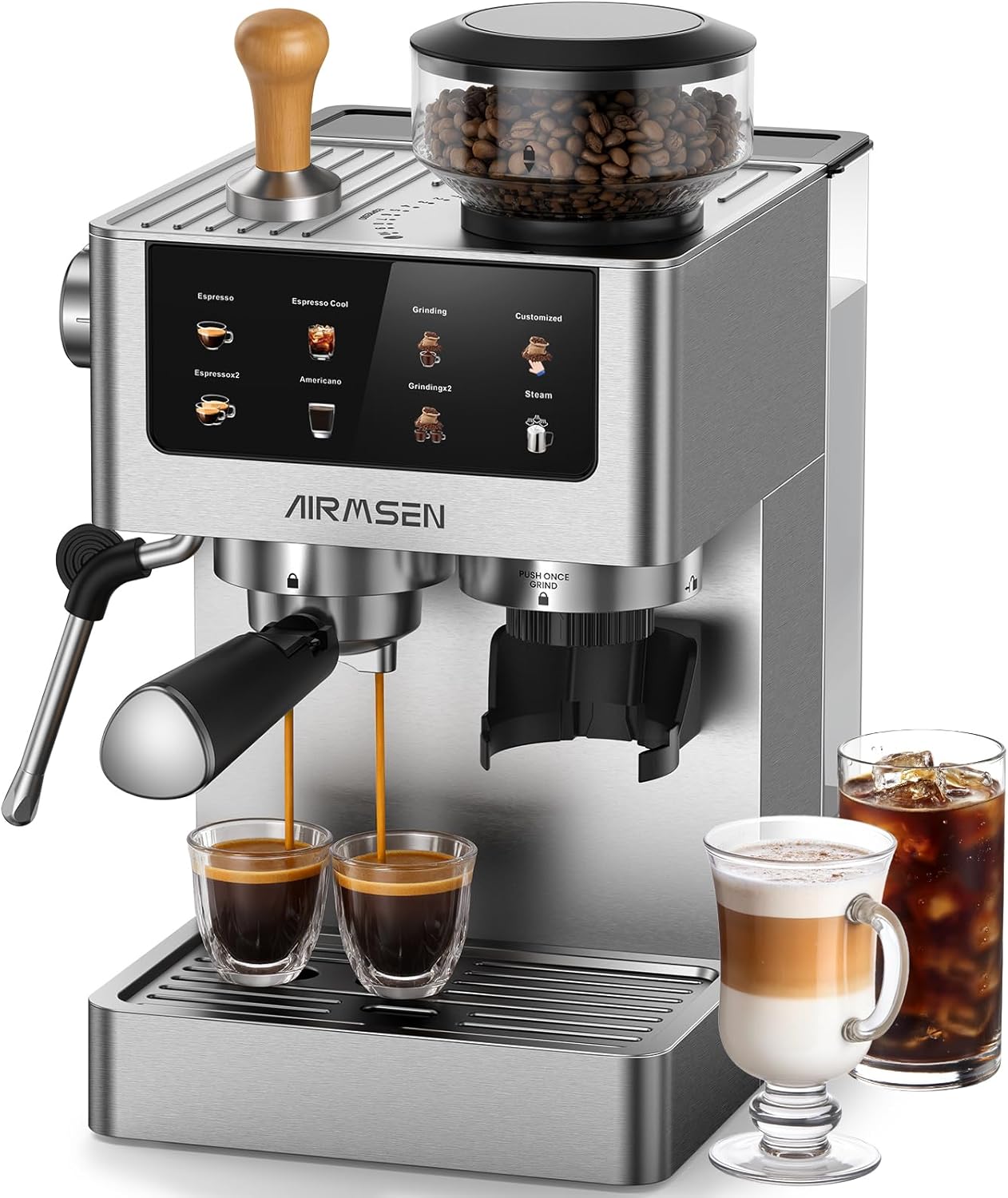
Choosing a coffee bar setup with an integrated grinder streamlines your morning routine by delivering fresh coffee grounds directly into your portafilter. Conical burr grinders crush coffee beans evenly rather than chopping them, which helps preserve delicate aromatic oils and ensures a more uniform extraction. When comparing different models, look closely at the number of available grind settings, as a wider selection allows you to fine-tune extractions for various roast profiles.
Maintenance is another critical factor when evaluating built-in grinding mechanisms. Removable burrs and anti-static technologies significantly reduce daily cleanup time by preventing messy powder buildup and bean jams. Integrated units save counter space compared to separate appliances but require periodic cleaning. Follow manufacturer guidelines for clearing residual grounds to keep your daily workflow running smoothly every single day.
Understanding Pressure Systems And Extraction Quality
Water pressure plays a fundamental role in extracting rich flavors, aromatic oils, and a thick crema from your coffee grounds. Many modern home espresso machines utilize a twenty-bar professional pump system paired with pre-infusion technology to evenly wet the grounds before full extraction begins. This pre-infusion step helps minimize channeling and promotes a balanced flavor profile across single and double shots.
While high pump pressure is a valuable specification, it works in tandem with water temperature and grind consistency. Ensuring your machine maintains stable thermal management prevents burnt or sour extractions. Look for models featuring precise temperature control systems to guarantee your water hits the ideal brewing zone consistently. Pairing proper pressure with correct tamping technique yields café-quality results at home.
Balancing Countertop Space And Physical Dimensions
Kitchen counter space is often at a premium, making the physical dimensions and footprint of your coffee bar setup a vital purchasing consideration. Slim, space-saving espresso machines are engineered to fit neatly underneath standard kitchen cabinets without cluttering your preparation area. These compact designs are ideal for smaller kitchens or apartments where every square inch matters.
Conversely, larger multi-format coffee centers or high-capacity machines require a broader countertop surface area to accommodate dual brewing systems and larger water tanks. Before making a final selection, measure your available depth, width, and overhead clearance to ensure the appliance fits comfortably. Choosing a machine that matches your spatial limits prevents daily operational friction and keeps your kitchen looking organized and accessible.
Evaluating Water Tank Capacity And Refill Frequency
The size of a machine's removable water tank directly dictates how frequently you will need to stop and refill it during busy mornings. Larger water reservoirs, ranging from 1.8 to 2.3 liters, support multiple consecutive brewing and steaming sessions without interruption. These high-capacity tanks are particularly beneficial for multi-user households or individuals who prepare several milk-based drinks throughout the day.
Smaller water tanks contribute to a slimmer overall appliance profile, making them a great fit for compact kitchens, but they necessitate more frequent maintenance refills. When deciding between capacity and a compact footprint, consider your daily consumption habits. Choosing a tank size that aligns with your household output ensures you spend less time managing water levels and more time enjoying your favorite beverages.
Portafilter Versatility And Capsule Compatibility
Portafilter design significantly impacts your daily coffee preparation routine and overall beverage flexibility. Traditional stainless steel portafilters allow you to use freshly ground coffee for authentic espresso extraction, while specialized capsule portafilters accommodate popular single-serve pods such as Nespresso OriginalLine formats. Selecting a machine with interchangeable portafilters gives you the freedom to switch between fresh-ground rituals and rapid pod convenience on busy mornings.
Additionally, consider portafilter sizing if you plan to upgrade your accessories down the line. Standard fifty-one millimeter baskets work well for home setups, whereas larger commercial sizes require specific grounds dosing. Evaluating these compatibility factors ensures your coffee bar setup accommodates your preferred brewing methods without frustrating hardware limitations or incompatible accessories.
Cleaning Features And Automated Maintenance Options
Maintaining a clean espresso machine is essential for preserving coffee flavor and ensuring long-term appliance durability. Many modern coffee bars include automated descaling programs, auto-clean functions, and removable parts designed to simplify daily upkeep. Features like anti-static grinding technology and hopper air blowers also help minimize stray coffee powder mess around your workstation.
Following manufacturer maintenance guidance protects your investment and prevents mineral buildup from affecting water flow and heating performance. Removable steam wands and tool-free burr removal systems make rinsing away milk residue and coffee oils quick and effortless. Prioritizing machines with user-friendly cleaning features ensures your coffee station remains hygienic and ready for action with minimal manual effort.
Frequently asked questions
What should I look for when choosing a coffee bar setup with a built-in grinder?
When selecting an all-in-one coffee bar setup featuring an integrated grinder, prioritize the type of burr mechanism and the number of available grind settings. Conical stainless steel burrs are highly regarded for crushing coffee beans evenly rather than pulverizing them, which preserves essential flavor oils. Look for models offering at least ten to thirty grind settings to ensure you can adequately adjust your extraction for light, medium, or dark roasts. Additionally, check for anti-static technology and removable burrs to simplify routine cleaning tasks.
Can I use single-serve pods in these espresso machines?
Compatibility with single-serve pods depends entirely on the specific machine design and included portafilters. Some advanced compact espresso models feature interchangeable portafilters that specifically accommodate Nespresso OriginalLine capsules alongside traditional stainless steel ground coffee baskets. However, other machines focus exclusively on fresh whole beans or integrate multi-format brewing systems that support pod formats like K-Cups. Always review the manufacturer specifications to verify whether a particular machine supports your preferred capsule ecosystem before making a final purchasing decision.
How important is water tank capacity for a home coffee station?
Water tank capacity is a crucial factor that directly determines how often you must refill the machine during busy routines. Larger tanks holding between 1.8 and 2.3 liters support multiple consecutive brewing and milk frothing sessions, making them ideal for multi-user households or frequent coffee drinkers. Conversely, compact machines with smaller tanks around 1.1 to 1.5 liters help save valuable countertop space in smaller kitchens but require more frequent refills. Assess your daily coffee output to find the right balance between space and water storage.
What role does pump pressure play in home espresso extraction?
Professional pump pressure, commonly rated around 20 bars in modern home espresso makers, works alongside heating elements and pre-infusion technology to extract rich flavors and thick crema from your coffee grounds. High-pressure systems ensure water is forced evenly through packed coffee pucks, reducing channeling and unlocking complex aromatic notes. While pressure alone does not guarantee a perfect cup, combining a robust pump with stable temperature control and proper grind size significantly enhances overall beverage quality and consistency.
How do I maintain and clean an espresso machine with a grinder?
Proper maintenance requires following manufacturer guidelines regarding automated descaling programs, auto-clean functions, and daily rinsing routines. Many modern machines feature removable conical burrs that can be cleaned quickly without special tools, preventing stuck grounds and bitter residue. You should also regularly flush the steam wand after frothing milk to prevent sticky blockages. Utilizing models with anti-static grinding technology and accessible water tanks further streamlines your routine cleanup, keeping your home coffee station hygienic and fully operational.