Appliances · Buying Guide
Best Wholesale Coffee Bean Distributors and Bulk Packaging Essentials
Finding reliable wholesale coffee bean distributors requires carefully evaluating packaging integrity, roast profiles, and volume capacities. Whether you run a local cafe, manage a roasting operation, or package specialty beans for retail shelves, having the right materials ensures product freshness remains completely intact during transport and storage across various commercial distribution channels.
This overview examines a curated selection of bulk coffee packaging solutions and roasted whole bean supplies. By analyzing specific capacity ratings, multi-layer barrier materials, origin details, and one-way degassing valve designs, commercial buyers can easily align their operational workflows with practical inventory options suited for heavy daily demands.
As an Amazon Associate, StacyLaughs earns from qualifying purchases.
Buying guide
Evaluating Capacity and Volume Needs
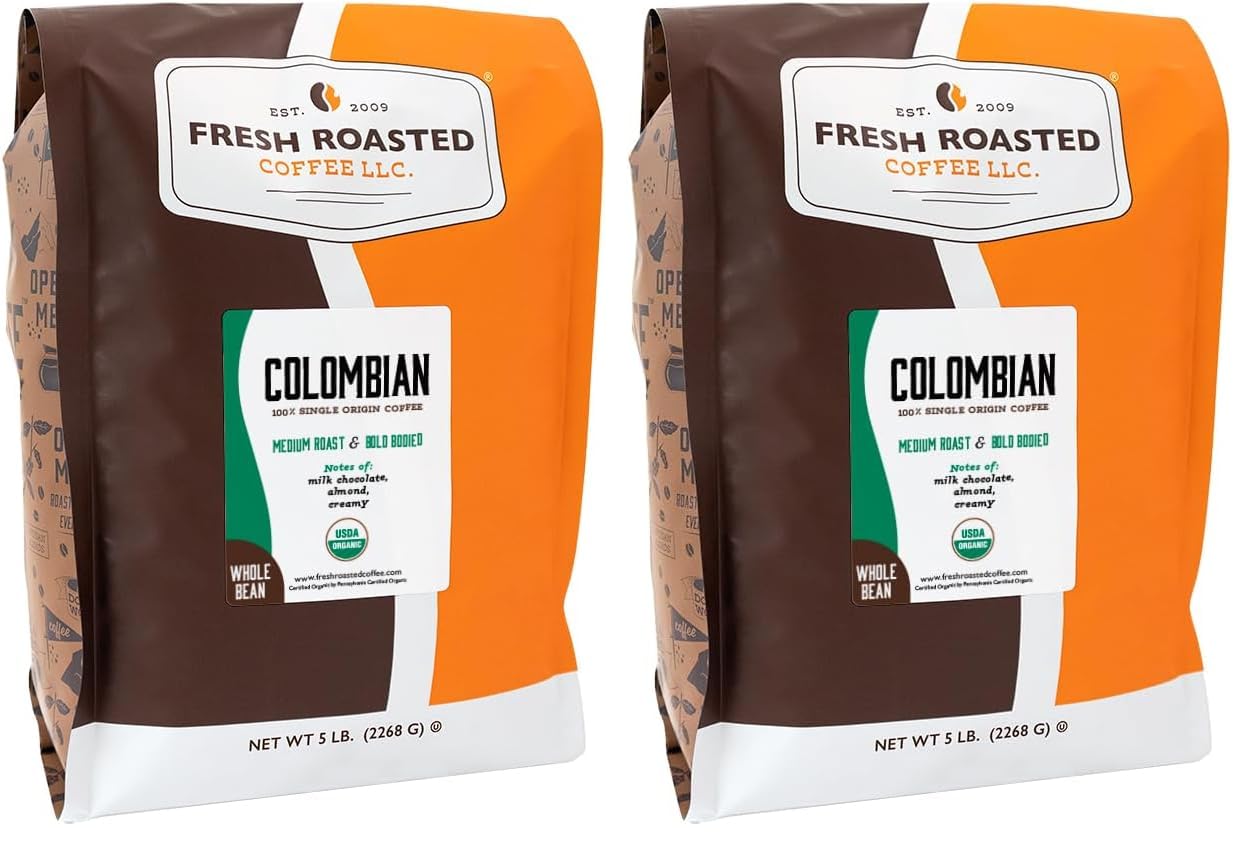
Choosing the correct volume capacity is essential when selecting bulk coffee packaging or wholesale bean supplies. Commercial operations and small businesses often require larger formats, such as 2.5 kg or 5 lb bags, to reduce packaging waste and streamline inventory management. Smaller households or specialty cafes might prefer split multi-packs that balance bulk savings with manageable daily storage requirements.
Evaluating your consumption rate helps determine whether a two-pack or three-pack configuration makes the most sense. Large containers minimize frequent restocking trips but demand dedicated pantry or shelf space. Matching your storage footprint to your actual brewing volume prevents stale beans and optimizes daily kitchen workflows without creating unnecessary clutter.
Understanding Barrier Materials and Protection
Protecting roasted coffee beans from environmental elements requires robust multi-layer barrier materials. High-barrier packaging options often combine matte MOPP, aluminum foil, and food-grade PE layers to block harmful light, moisture, and ambient odors. These composite structures ensure that wholesale coffee beans maintain their original flavor integrity and aromatic qualities during extended storage and long-distance transport across various distribution channels.
When storing bulk quantities, poor material construction can allow moisture or light to degrade the beans prematurely. Selecting packaging designed with thick, opaque barrier walls safeguards your investment against environmental degradation and flavor loss. Checking material specifications ensures that your chosen storage bags provide adequate defense for long-term freshness preservation.
The Role of One-Way Degassing Valves
Freshly roasted coffee beans naturally release carbon dioxide gas for several days immediately following the roasting process. A one-way degassing valve is a critical feature in wholesale packaging because it allows accumulated internal gas to escape freely while blocking outside air from entering the pouch. This unidirectional airflow prevents bags from bursting and preserves delicate bean flavors.
Without an air valve, trapped gases would expand packaging materials or force operators to leave containers unsealed, leading to rapid oxidation and stale flavors. Utilizing bags equipped with a reliable degassing valve ensures that your wholesale inventory remains stable and aromatic over time, supporting optimal freshness from the roaster straight to the final brewing equipment.
Whole Bean Versus Pre-Ground Selections
Deciding between whole bean and pre-ground wholesale coffee options depends heavily on your equipment availability and freshness priorities. Whole beans retain their aromatic compounds and essential oils for longer periods because grinding exposes a massive surface area to oxygen. Grinding beans immediately before extraction guarantees a more vibrant flavor profile across drip makers, espresso machines, and French presses.
While pre-ground coffee offers immediate convenience for high-speed commercial environments, whole bean supplies allow custom grind size adjustments for diverse brewing methods. Assessing your daily operational workflow helps clarify whether the extra step of manual grinding aligns with your desire for maximum flavor extraction and long-term bean stability.
Single-Origin Versus Artisan Blend Profiles
Exploring coffee origins involves choosing between distinct single-origin selections and carefully crafted artisan blends. Single-origin beans hail from a specific geographic region, farm, or cooperative, showcasing unique regional flavor characteristics influenced by local altitude and soil composition. Artisan blends combine beans from multiple origins to create a consistent, harmonious flavor profile designed for reliable daily brewing preferences.
Single-origin options appeal to enthusiasts seeking distinct flavor notes, such as dry cocoa, walnut, or bright fruit undertones. Conversely, artisan blends provide dependable flavor consistency across different harvest seasons and batch supplies. Understanding these flavor distinctions allows buyers to tailor their wholesale coffee selections to match target consumer expectations or personal taste preferences.
Sustainable Sourcing and Environmental Practices
Environmental responsibility plays an increasingly vital role in wholesale coffee bean and packaging distribution networks. Many producers utilize eco-friendly roasting equipment, such as advanced Loring roasters, to reduce fuel consumption and lower greenhouse gas emissions compared to traditional roasting setups. Supporting sustainably operated roasters helps minimize your overall carbon footprint while enjoying specialty coffee.
In addition to eco-friendly roasting methods, strict certifications like USDA Organic and OU Kosher provide verified assurance regarding agricultural and processing standards. Selecting responsibly sourced products ensures that beans are grown and packaged without artificial additives, reflecting a commitment to environmental stewardship and transparent supply chain practices for conscientious consumers and commercial businesses.
Frequently asked questions
What is the purpose of a one-way degassing valve in wholesale coffee bags?
A one-way degassing valve allows freshly roasted coffee beans to release accumulated carbon dioxide gas without letting outside oxygen enter the storage pouch. Fresh beans naturally emit gas for days after roasting, and trapped gas can cause standard bags to burst or degrade flavor quality. By venting excess gas unidirectionally, the valve preserves the aromatic profile and extends the usable shelf life of your wholesale coffee beans during storage and transport.
Do wholesale coffee bags require a separate heat sealer machine?
Yes, most flat-bottom wholesale coffee bags featuring side zippers require a separate heat sealer machine to properly close the top or bottom opening during initial packaging. While the integrated zipper allows for convenient re-sealing after opening, the initial factory-style closure must be heat-sealed to ensure an airtight barrier. Turning the bag over and sealing a second time can help correct incomplete seals and protect the contents.
How should wholesale whole bean coffee be stored to maintain freshness?
Wholesale whole bean coffee should be stored in a cool, dark, and dry place to protect it from heat, light, and moisture degradation. Using resealable bags equipped with one-way valves helps lock out ambient air between brewing sessions. Avoiding exposure to direct sunlight and humidity preserves the natural aromatic oils and rich flavor notes, whether you are storing single-origin Brazilian beans or artisan dark roast blends.
What does single-origin coffee mean for bulk purchases?
Single-origin coffee means that the beans come from a single specific geographic region, country, farm, or cooperative rather than being blended from multiple global sources. Purchasing single-origin whole beans in bulk allows you to experience distinct regional flavor notes, such as dry cocoa, walnut, or regional fruit undertones, that reflect the unique altitude, soil, and climate where the Arabica coffee was grown and harvested.
Why choose organic certified wholesale coffee options?
Choosing USDA Organic certified wholesale coffee ensures that the beans are grown and harvested according to strict agricultural standards that prohibit synthetic fertilizers and prohibited pesticides. This certification provides verified transparency for buyers who prioritize sustainable farming practices and chemical-free agricultural methods. Combined with eco-friendly roasting techniques, organic whole beans support both environmental stewardship and clean flavor profiles in your daily brewing routine.