Appliances · Buying Guide
Best Exploring World Traveler Coffee Roasters for Fresh Home Brewing
Discovering the art of fresh home roasting brings a deeply rewarding dimension to your daily coffee routine. Enthusiasts seeking distinct, vibrant flavors often explore specialized equipment designed to handle green beans right on the kitchen counter or an outdoor patio setup, transforming raw ingredients into aromatic batches tailored precisely to personal preferences.
Selecting the right machine depends heavily on your preferred heat source, desired batch size, and whether you lean toward hands-on manual observation or streamlined automated digital controls. Exploring these available roasting options helps match your specific daily roasting style and space availability with the ideal hardware configuration for achieving consistently satisfying flavor profiles at home.
As an Amazon Associate, StacyLaughs earns from qualifying purchases.
Buying guide
Evaluating Heat Source Requirements
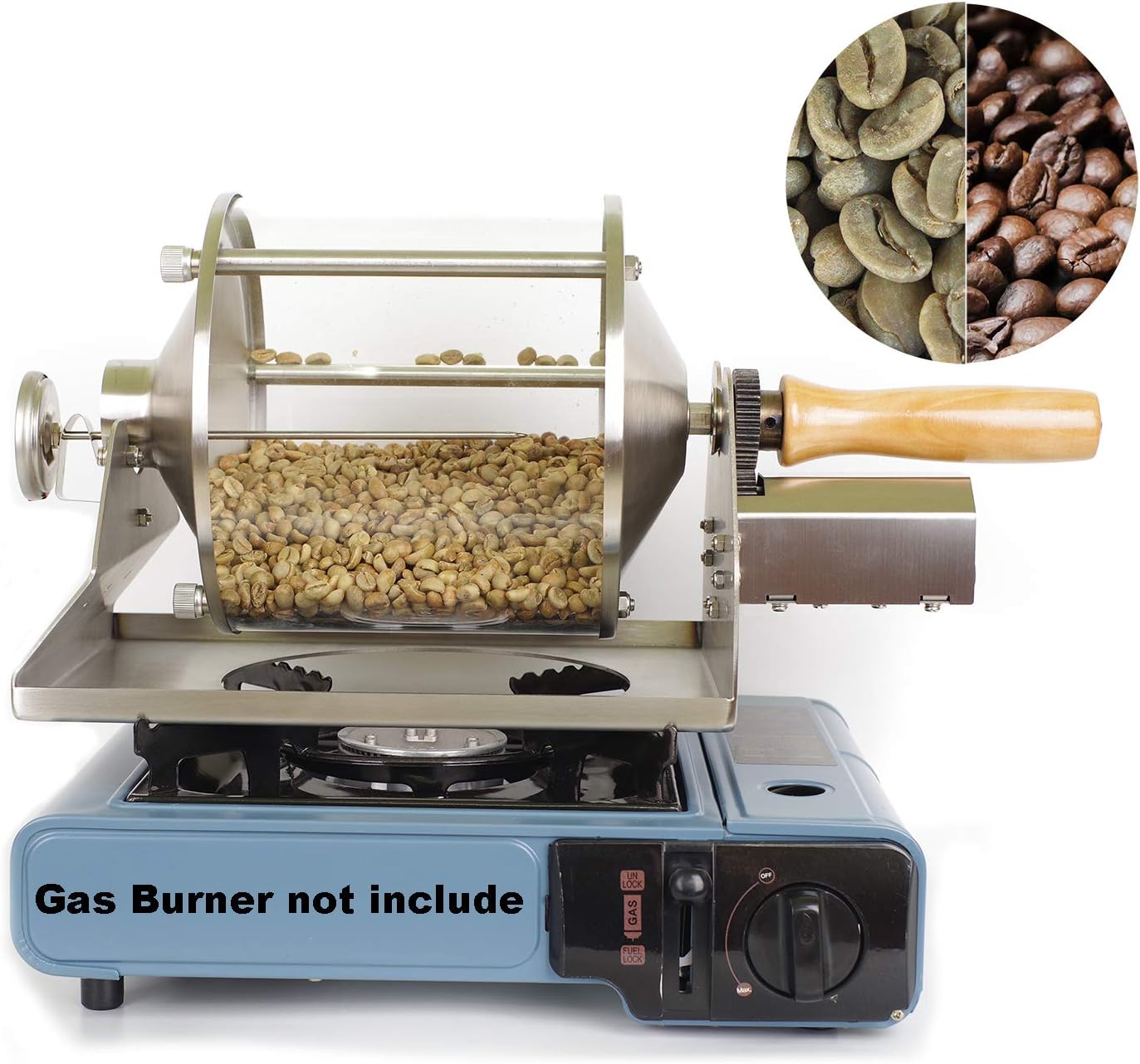
Choosing a home coffee roaster requires understanding how the unit generates and manages thermal energy during processing. Some machines rely on internal electric heating elements and built-in hot air systems to roast beans independently on any standard countertop. Other models require an external gas burner setup, demanding careful placement and separate equipment coordination before you can begin a batch.
Matching the heat source to your kitchen space and cooking setup ensures a smoother roasting experience. Electric models offer plug-and-play convenience but require adequate electrical circuit capacity. Gas-powered roasters provide traditional tactile feedback and immediate heat response, though they necessitate proper ventilation and burner compatibility to maintain steady temperatures throughout the entire roast cycle.
Understanding Batch Capacity Limits
Batch capacity is a critical factor that dictates how much coffee you can prepare during a single roasting session. Smaller units typically handle around two hundred grams per batch, making them well suited for individuals or couples who prefer drinking freshly roasted coffee in frequent, small amounts. Larger machines can process up to four hundred or four hundred fifty grams, accommodating heavier weekly consumption demands.
Exceeding the recommended capacity can lead to uneven heat distribution and inconsistent bean development across the batch. Reviewing your typical household coffee consumption helps determine whether a compact drum or a higher-capacity electric roaster fits your routine best, ensuring you balance preparation frequency with fresh flavor retention.
Comparing Manual Versus Automated Control
Roasting control modes vary widely, ranging from traditional manual hand-cranking and direct analog observation to advanced digital automation equipped with programmable roasting profiles. Manual operation gives you direct tactile feedback over drum rotation speed and heat response, allowing experienced roasters to fine-tune every stage of bean development and crack timing.
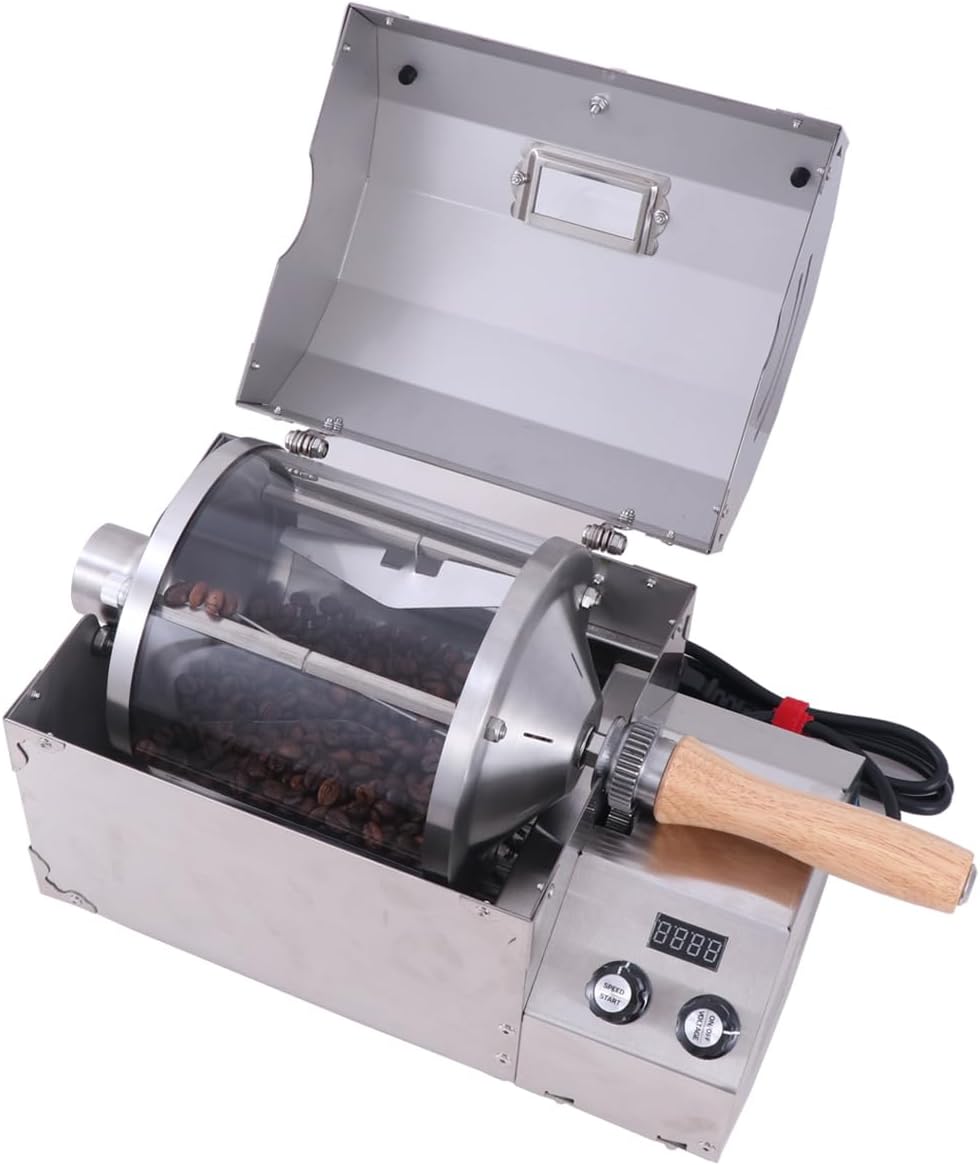
Automated digital models simplify the process significantly by featuring built-in timers, clear temperature displays, and automatic cooling cycles that lock in rich flavors without requiring constant user supervision. Beginners often appreciate these automated safety features, while seasoned enthusiasts may prefer the hands-on involvement of manual or semi-automatic configurations that emphasize personal skill.
Material Construction and Durability
The materials used in constructing a coffee roaster heavily influence its overall longevity, heat retention capabilities, and cleaning requirements over years of regular use. Stainless steel frames and robust exterior shells offer exceptional durability, corrosion resistance, and simple wipe-down maintenance routines after completing heavy roasting sessions.
Glass components, such as quartz roasting drums or double-layer observation windows, provide the invaluable advantage of transparent visual monitoring, allowing you to observe bean color transformations directly without opening the chamber. Balancing sturdy metal structures with clear viewing areas ensures you select a machine that safely withstands high operating temperatures while keeping the entire process visible.
Managing Smoke and Ventilation
Roasting raw green coffee beans naturally produces smoke, loose chaff, and distinct aromas that require thoughtful consideration regarding indoor placement and home kitchen ventilation. Some advanced electric roasters incorporate efficient internal chaff collectors and specialized hot air circulation designs that dramatically reduce smoke output during operation.
Simpler drum roasters operated over external gas burners often lack integrated smoke suppression systems, meaning you must position them near an open window, beneath a powerful range hood, or outdoors in a well-ventilated area. Assessing your living space and ventilation constraints beforehand prevents unwanted smoke buildup and ensures a pleasant roasting environment.
Versatility Beyond Coffee Beans
Many home roasting appliances offer multi-purpose capabilities that extend far beyond processing coffee beans, allowing users to roast various nuts and dry grains using the same hardware. Machines designed with robust electric heating elements and spacious rotating drums can easily handle peanuts, almonds, and other specialty agricultural products.
If you enjoy snacking on freshly roasted nuts or processing small batches of grains alongside your daily coffee, choosing a versatile appliance maximizes your overall kitchen equipment investment. Reviewing manufacturer specifications ensures the drum design and thermal output safely accommodate alternative ingredients without compromising primary coffee roasting performance.
Frequently asked questions
Can I use a standard coffee maker to roast green coffee beans?
A standard coffee maker is designed exclusively for brewing roasted and ground coffee beans into a liquid beverage, lacking the high thermal energy and drum rotation required to transform raw green beans. To produce custom roasted coffee at home, you must use a dedicated appliance such as a drum roaster or hot air roasting machine. These specialized devices supply the precise heat levels and airflow needed to develop flavor, aroma, and color, ensuring your raw green beans reach the desired roast level before you grind and brew them in your standard coffee maker.
What is the difference between automatic and manual roasting modes?
Automatic roasting modes utilize built-in digital controls, pre-set timers, and automated cooling cycles to manage the roasting process with minimal user intervention, making them ideal for beginners seeking consistent results. In contrast, manual roasting modes grant you direct, hands-on control over heat adjustments, rotation speed, and timing. This hands-on approach allows experienced roasters to experiment with personalized profiles and closely monitor bean development through visual windows or sampling tools, offering greater creative freedom at the expense of automated convenience during sessions.
How much coffee can I typically roast in a single home batch?
Home coffee roasters vary in batch capacity, with most compact countertop models designed to handle between two hundred and three hundred grams of green beans per session. Some larger electric nut and coffee roasters can accommodate up to four hundred or four hundred fifty grams, providing higher output for heavier daily consumption needs. It is important to follow manufacturer recommendations regarding maximum capacity to ensure even heat distribution, proper airflow, and consistent bean development across every single roasting batch you prepare.
Do home coffee roasters produce a lot of smoke during operation?
The amount of smoke produced depends heavily on the specific machine design and roasting method. Advanced electric roasters often feature integrated chaff collectors and hot air circulation systems that successfully maintain ultra-low smoke levels during operation. Conversely, traditional drum roasters operated over external gas burners may lack built-in smoke suppression, requiring you to use them near an open window, under a powerful range hood, or outdoors. Assessing ventilation options helps maintain a comfortable environment when roasting raw beans.
Can I roast nuts and grains in my coffee roaster?
Many electric roasting machines feature versatile designs that safely accommodate peanuts, almonds, and various dry grains alongside green coffee beans, functioning effectively as multi-purpose units. However, you should always consult the specific manufacturer guidelines and specifications for your model to confirm whether alternative ingredients are supported. Using a roaster designed for versatile food processing allows you to enjoy fresh snacks and grains while maintaining the proper maintenance routines required for optimal long-term equipment performance.