Appliances · Buying Guide
Best Zulay Kitchen Milk Frother Options for Every Coffee Setup
Crafting cafe-style beverages at home relies heavily on efficient drink mixing tools. Handheld electric whisks provide a quick way to blend coffee, matcha, and protein shakes without bulky countertop equipment. Zulay Kitchen offers a diverse lineup of handheld frothers designed to handle various mixing tasks efficiently in any kitchen setup, from compact spaces to busy mornings.
Selecting the right model depends on power sources, speed controls, and attachment versatility. Whether preferring rechargeable convenience, high-speed motors, or multi-attachment kits, understanding these design differences helps match a frother to daily kitchen routines. Exploring the specific features of each available option ensures you find a reliable tool tailored precisely to your beverage preparation preferences.
As an Amazon Associate, StacyLaughs earns from qualifying purchases.
Buying guide
Power Source and Battery Options
Choosing between rechargeable internal batteries and traditional disposable cells shapes your daily frothing experience. Rechargeable models utilize USB-C cables and lithium-ion cells ranging from 500mAh to 2000mAh, offering long run times and eliminating replacement costs. Conversely, battery-powered units relying on AA cells provide instant operation without waiting for charging cycles, making them appealing for users who prefer straightforward battery swaps.
Evaluating your kitchen habits helps determine the ideal power source. If you froth multiple drinks daily, a rechargeable unit reduces ongoing supply purchases. If you use a frother occasionally, disposable battery models sit ready in drawers for months without losing stored charge capacity. Consider how often you access power outlets versus keeping spare batteries on hand.
Motor Speeds and Performance Levels
Motor velocity directly influences how quickly a handheld whisk generates foam and blends dense ingredients. Standard motors operate around 8,000 RPM, providing steady performance for milk and light powders. High-performance models reach up to 13,000 RPM using specialized spiral rings to whip velvet textures rapidly. Selecting a motor speed depends on whether you mix delicate matcha or dense protein powders.
Multi-speed options add flexibility by allowing users to toggle between gentle frothing and intense turbo settings. Single-speed devices offer simplified operation with a single push-button control. Assess your favorite recipes to decide if variable speed control is necessary or if a reliable single-speed motor satisfies your morning coffee preparation routine efficiently.
Attachment Versatility and Whisk Types
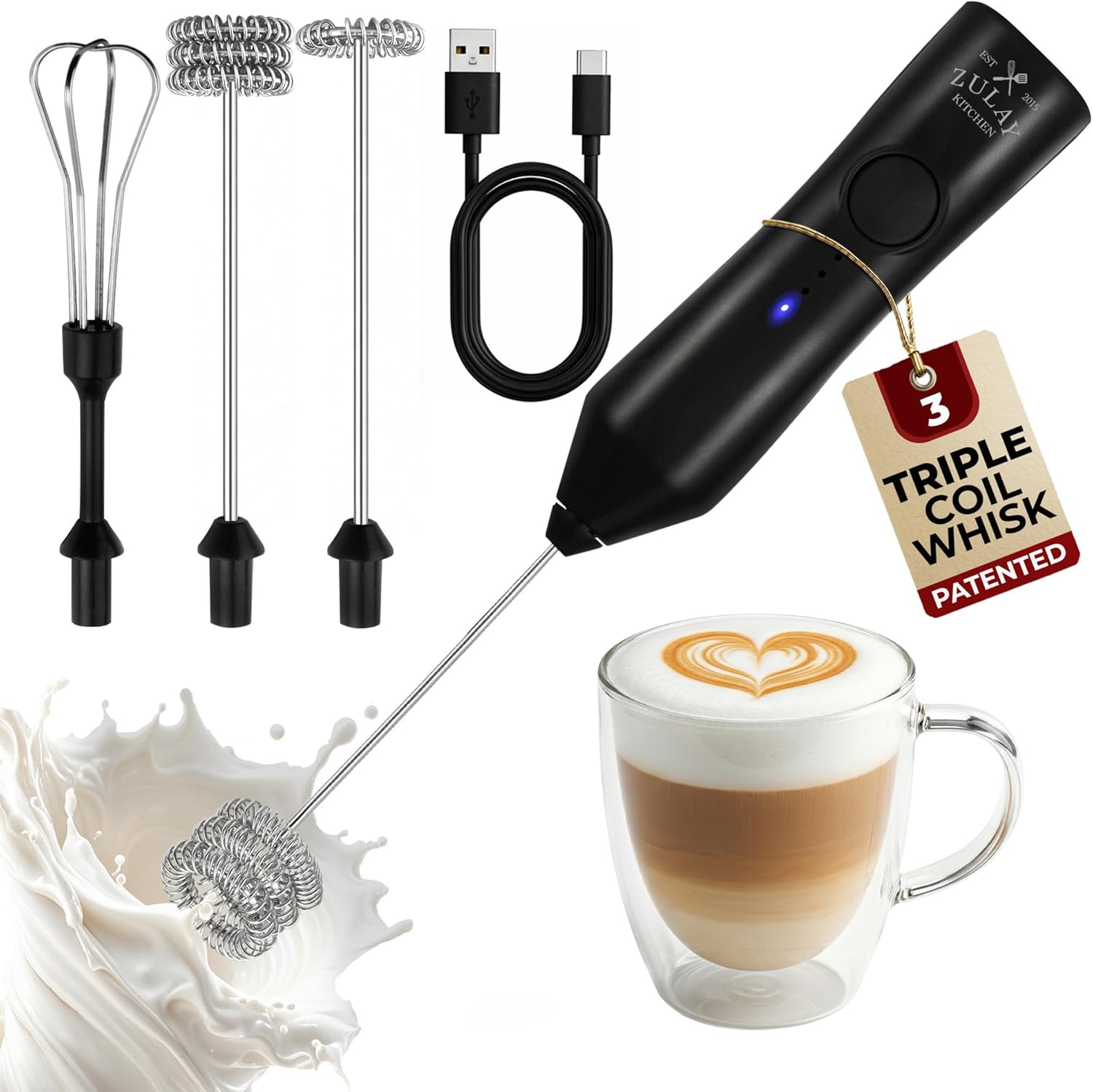
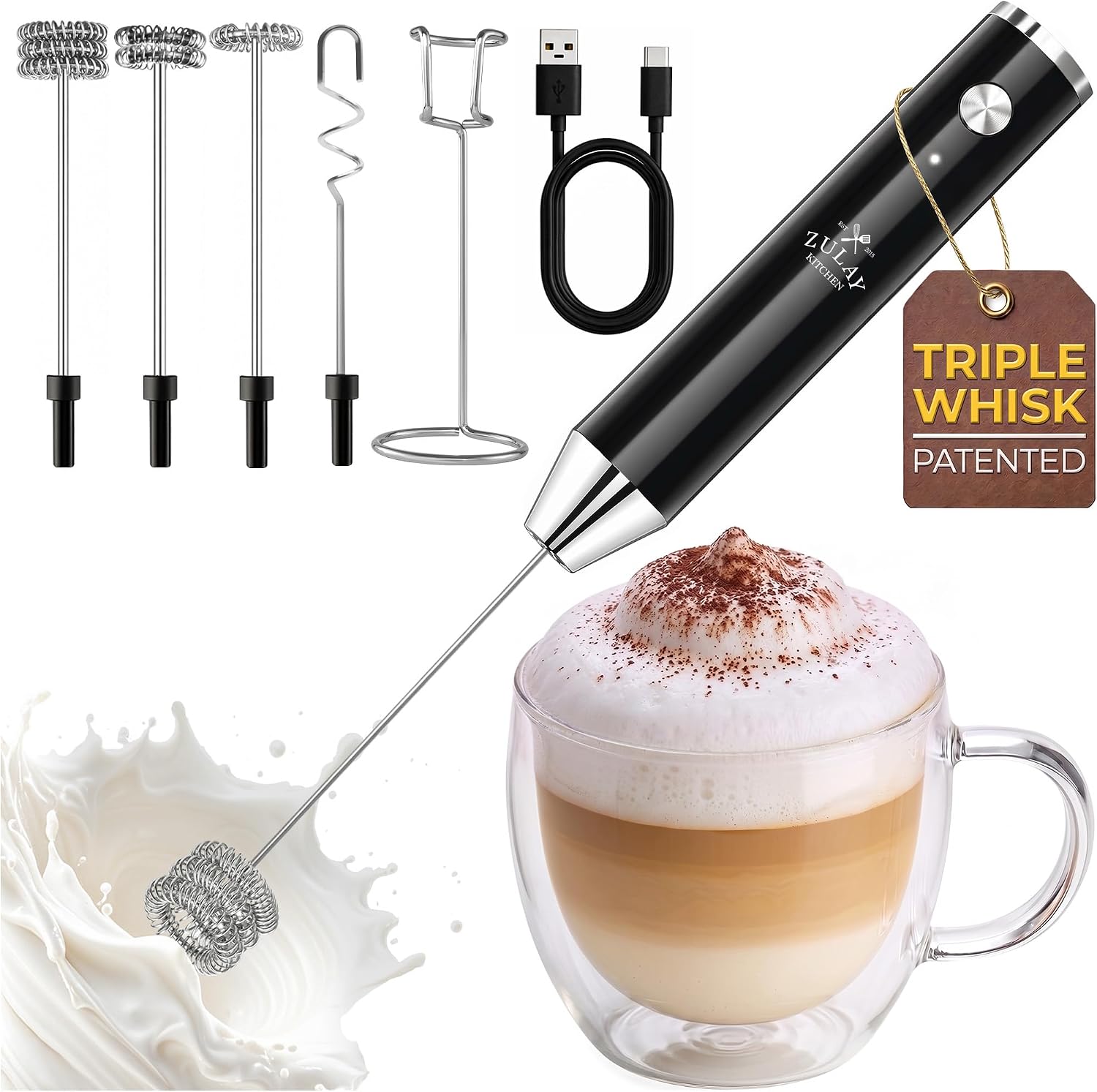
Whisk attachments expand a handheld tool beyond basic milk frothing into general kitchen mixing. Single coil whisks deliver light foam for lattes, while triple coil designs produce denser froth. Balloon whisks and egg beaters assist in whipping cream, blending protein shakes, or mixing eggs for quick omelets. Choosing a model with multiple attachments broadens your culinary repertoire significantly.
Standard single-attachment frothers focus exclusively on straightforward coffee drink preparation without extra parts to manage. Evaluate whether you need specialized accessories for baking and blending or if a dedicated single whisk suffices. Storing multiple attachments requires minimal drawer space, but simplicity appeals to minimalists.
Materials and Build Construction
Frother body and shaft materials affect both durability and aesthetic appeal in kitchen environments. Stainless steel construction offers rust resistance and a sleek, professional appearance that complements modern coffee bar setups. Alternatively, nylon and durable plastic bodies provide lightweight handling and comfortable grips during extended mixing tasks. Each material choice balances longevity with ergonomic comfort.
Inspecting the shaft and whisk material ensures long-term reliability when mixing hot liquids or acidic ingredients. Stainless steel components withstand frequent exposure to moisture and heat. Reviewing construction specifications helps buyers select a durable tool built to withstand daily kitchen routines over several years.
Waterproof Ratings and Cleaning Ease
Maintaining kitchen hygiene requires quick and hassle-free cleanup methods after each beverage preparation. Many handheld frothers clean easily by placing the rotating whisk under hot running water and activating the motor briefly. Models featuring IPX6 waterproof ratings offer enhanced protection against accidental water exposure along the upper handle housing.
Hand washing remains standard care instructions across all listed frother models to protect internal electronics and moving parts. Avoiding dishwasher cycles preserves body materials and motor alignment. Understanding cleaning requirements ensures your tool remains sanitary and functional with minimal daily effort.
Storage Stands and Portability
Kitchen counter space and travel habits influence how you store your handheld drink mixer. Many models include dedicated metal or plastic stands that keep the frother upright and accessible alongside other coffee accessories. Compact, slim handheld designs also slip easily into kitchen drawers or travel bags for portability.
Assessing available storage space helps you decide between countertop stand models and drawer-friendly slim profiles. If your kitchen counter features dedicated coffee stations, a display stand adds convenience. For travelers or minimalist kitchens, a cordless wand without a bulky base works best.
Frequently asked questions
How do I clean a handheld milk frother properly?
Cleaning a handheld milk frother is a straightforward process designed for daily convenience. To remove residue after mixing milk or protein powder, simply place the stainless steel whisk attachment into a container of warm running water and briefly turn on the motor for a few seconds. This action spins away trapped particles instantly. Afterward, wipe the handle with a damp cloth. Always adhere to hand wash only instructions and avoid submerging the entire handle unless specified by an IPX6 waterproof rating.
Can these frothers mix things other than milk?
Yes, these handheld electric whisks serve multiple kitchen purposes beyond traditional dairy and plant milks. They excel at blending matcha tea, mixing nutritious protein shakes, stirring hot chocolate, and combining powdered drink mixes or electrolytes. Certain models equipped with balloon whisks or egg beaters can also handle light whipping and blending tasks like beating eggs for omelets. This multi-purpose utility eliminates the need for extra containers, blenders, or bottle shakers during quick beverage preparation routines.
What is the difference between single and multi-speed frothers?
Single-speed frothers operate at a fixed velocity, such as 13,000 RPM, providing rapid foaming power with a simple on and off button. Multi-speed frothers, conversely, allow users to choose between low, medium, and high settings or normal and turbo modes. Lower speeds offer precise control for delicate tasks like mixing matcha without splashing, while higher speeds generate dense foam quickly. Selecting between them depends on whether you prefer straightforward single-button operation or customized power control for various recipes.
Are rechargeable batteries better than disposable battery models?
Rechargeable and disposable battery-powered frothers each offer distinct practical advantages depending on user preferences. Rechargeable models utilize internal lithium-ion batteries and USB-C charging ports, eliminating ongoing replacement costs and reducing waste during frequent daily use. On the other hand, models powered by disposable AA batteries provide instant operation without waiting for charging cycles, making them convenient if you use the tool infrequently. Evaluating your daily beverage habits helps determine which power mechanism best suits your kitchen routine.
Do Zulay Kitchen frothers work with plant-based milks?
Yes, Zulay Kitchen handheld frothers work effectively with a wide variety of plant-based and alternative milks, including soy, almond, cashew, hazelnut, and oat milk, alongside traditional dairy items like half and half, cream, and whole milk. The high-speed motor designs and spiral whisk attachments create rich foam regardless of the milk type used. Results can vary slightly depending on the fat and protein content of specific alternative milks, but the frothers are engineered to handle diverse dairy and non-dairy mixing requirements.