Appliances · Buying Guide
Best 3 in 1 Vegetable Peeler Choices for Effortless Meal Prep

Finding the right kitchen tool can completely transform how quickly you prepare daily meals, especially when working with fresh fruits and vegetables. A versatile 3 in 1 vegetable peeler streamlines tasks by combining multiple blades and functions into a single handheld device, eliminating the need for cluttered drawers filled with single-use gadgets. Whether you are slicing zucchini noodles, peeling tough squash skins, or garnishing soups with shredded scallions, these multi-functional designs offer practical solutions for everyday cooking enthusiasts.
With various materials like stainless steel and wood available, selecting the ideal model depends on your specific kitchen habits, preferred grip styles, and storage setup. This overview examines five distinct options on the market, detailing their core features, practical strengths, and specific design trade-offs to help you make an informed choice. By focusing on blade configurations, handle ergonomics, and maintenance needs, you can find a reliable tool that matches your routine without unnecessary complication.
As an Amazon Associate, StacyLaughs earns from qualifying purchases.
Buying guide
Evaluating Blade Materials
Selecting the right blade material directly affects how smoothly your tool glides through tough vegetable skins and how long the edge remains sharp. Stainless steel is the industry standard for these kitchen instruments because it resists corrosion, handles acidic fruit juices without pitting, and maintains a clean cutting edge over countless meal preparations. When examining options, look for high-grade stainless steel specifications that promise durability and consistent performance across daily tasks like peeling potatoes, apples, and carrots.
Lower-quality metals can dull quickly or bend under pressure when tackling dense squashes or heavy root vegetables. Investing in a robust, rust-resistant blade construction ensures that your tool cuts cleanly without requiring excessive physical force from your wrist. Always check the manufacturer details for grade mentions and rust-proof qualities to guarantee the instrument stands up to frequent washing and everyday kitchen demands.
Understanding Handle Ergonomics
A comfortable handle prevents hand fatigue, especially when you are peeling large batches of root vegetables for family gatherings or dinner parties. Handles come in various materials, including natural wood, stainless steel, and non-slip rubberized grips designed to stay secure even when your hands are wet or oily. Consider how the shape fits your palm, whether it features a rounded front with a flat back, or if it utilizes an extended grip space for better leverage.
Ergonomic design plays a massive role in maintaining control and preventing accidental slips while working with sharp blades. Rubberized or textured grips offer excellent traction, while wooden handles provide a classic aesthetic and a warm natural feel during extended use. Matching the handle style to your personal grip preference ensures safe, confident handling during every single meal preparation session.
Assessing Multi-Functionality
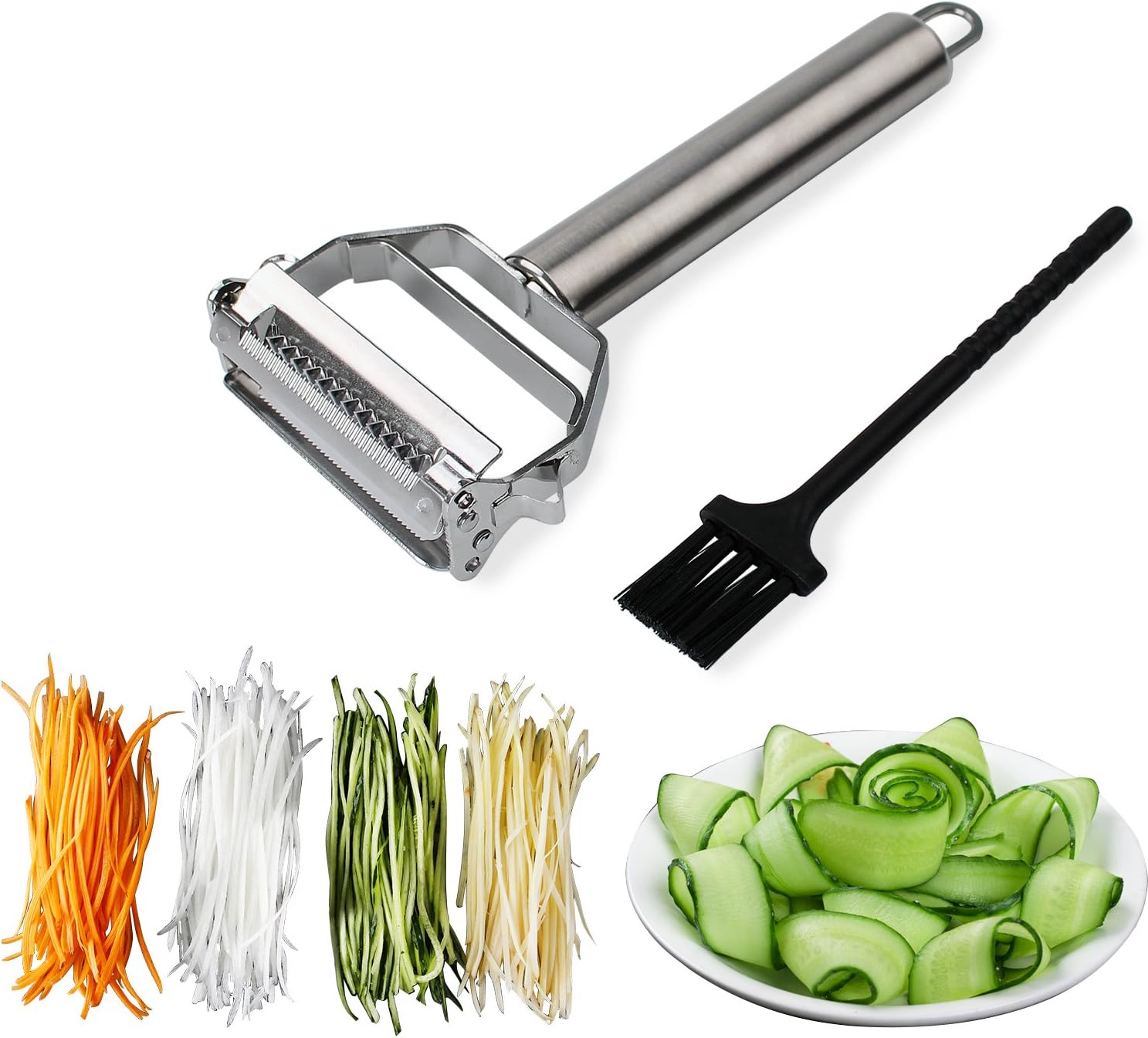
Modern kitchen tools often pack several features into a single compact body, saving valuable drawer space and reducing culinary clutter. Many designs combine standard peeling edges with specialized julienne blades, built-in potato eye removers, scallion shredders, or even bottle openers. This versatility allows you to switch seamlessly from peeling apples to creating zucchini noodles or opening beverages without swapping tools.
While extra functions add great convenience, you should consider whether you will actually use every built-in feature regularly. Tools with rotating blade mechanisms or multiple cutting edges require mindful handling and thorough cleaning around hinges and crevices. Weighing the benefit of an all-in-one gadget against your specific cooking habits helps you choose a practical instrument that simplifies your routine.
Cleaning and Maintenance
Proper maintenance keeps your kitchen tools hygienic and ensures the cutting edges remain sharp and free of residual food starches. Many stainless steel instruments are dishwasher safe, though wooden-handled variants typically require hand washing and prompt drying to protect the natural finish from moisture damage. Reviewing manufacturer care instructions before purchasing helps you understand what daily upkeep is necessary to preserve the product.
Cleaning tools with julienne teeth or rotating swivel heads can sometimes trap tiny food fibers that require extra attention. Utilizing included cleaning brushes or running warm water directly over the open frame helps dislodge stubborn particles quickly. Establishing a consistent cleaning routine after every use protects your investment and ensures safe, sanitary food preparation for years to come.
Storage and Form Factor
Kitchen drawer space is often at a premium, making the physical dimensions and storage features of your tool important factors to consider. Instruments with built-in hanging holes allow you to store them on wall hooks or utensil racks, freeing up valuable drawer room. The overall length and width of the tool also dictate how easily it fits into standard kitchen organizer trays and knife blocks.
Wide Y-shaped frames offer exceptional leverage and surface coverage during peeling, but their broader profile takes up more lateral space than traditional narrow I-shaped tools. If you travel frequently or pack a small kit for camping and RV trips, a compact handheld design with a lightweight structure becomes particularly advantageous. Balance your storage availability against your preferred peeling style for optimal convenience.
Safety and Control Features
Sharp blades are essential for effortless peeling, but they also demand reliable safety and control features to prevent accidental cuts. Look for designs with tightly secured swivel mechanisms that prevent the blade head from spinning wildly or skipping off produce surfaces unexpectedly. Non-slip handle coatings further enhance safety by maintaining a firm hold even when your fingers are damp.
Integrated potato eye removers located on the sides of the tool eliminate the need to switch to a paring knife for digging out blemishes. This keeps your hands safely away from the main cutting edge during minor prep corrections. Prioritizing stable, well-engineered control features ensures a smooth, secure peeling experience every time you cook.
Frequently asked questions
What are the main advantages of using a 3 in 1 vegetable peeler over a standard single-blade model?
A 3 in 1 vegetable peeler combines multiple functions like standard peeling, julienne slicing, and potato eye removal into a single compact device. This versatility lets you switch between preparing smooth potato slices and creating thin veggie noodles or slaws without swapping utensils. It saves valuable kitchen drawer space, reduces the number of gadgets you need to clean, and streamlines everyday meal preparation tasks for home cooks.
How do I properly clean and maintain a tool with a wooden handle?
Tools featuring wooden handles should be washed by hand using warm water and mild dish soap rather than being placed in an automatic dishwasher. Submersing wood in water or exposing it to harsh dishwasher heat can cause the material to warp, dry out, or crack over time. After washing, dry the handle thoroughly with a clean towel and store it in a dry location to preserve its natural finish and longevity.
Can these tools handle both hard root vegetables and delicate soft fruits?
Many multi-blade designs incorporate different edge types, such as standard edges for dense carrots and potatoes, and serrated edges specifically engineered for delicate soft skins like tomatoes and peaches. This variety allows a single handheld instrument to glide smoothly across multiple produce types. Always check the specific blade configurations of your chosen model to ensure it matches the types of fruits and vegetables you prepare most often.
What is the best way to store a wide Y-shaped peeler safely in a kitchen drawer?
Wide Y-shaped peelers have broader frames and exposed cutting edges that require careful placement to avoid accidental contact when reaching into drawers. Storing them in a dedicated utensil organizer slot, placing them near the front of a shallow drawer, or utilizing a built-in hanging hole to mount the tool on a wall hook are all effective methods. Keeping the tool visible prevents your fingers from brushing against sharp edges.
Do these multi-functional peelers require special care for their julienne blades?
Julienne blades feature fine teeth that can sometimes trap tiny food fibers and vegetable starches during slicing tasks. Rinsing the blade under running water immediately after use prevents residue from drying onto the metal. Some models include a specialized cleaning brush designed to clear debris safely from between the teeth without dulling the edge or risking accidental cuts to your fingers during cleanup.