Appliances · Buying Guide
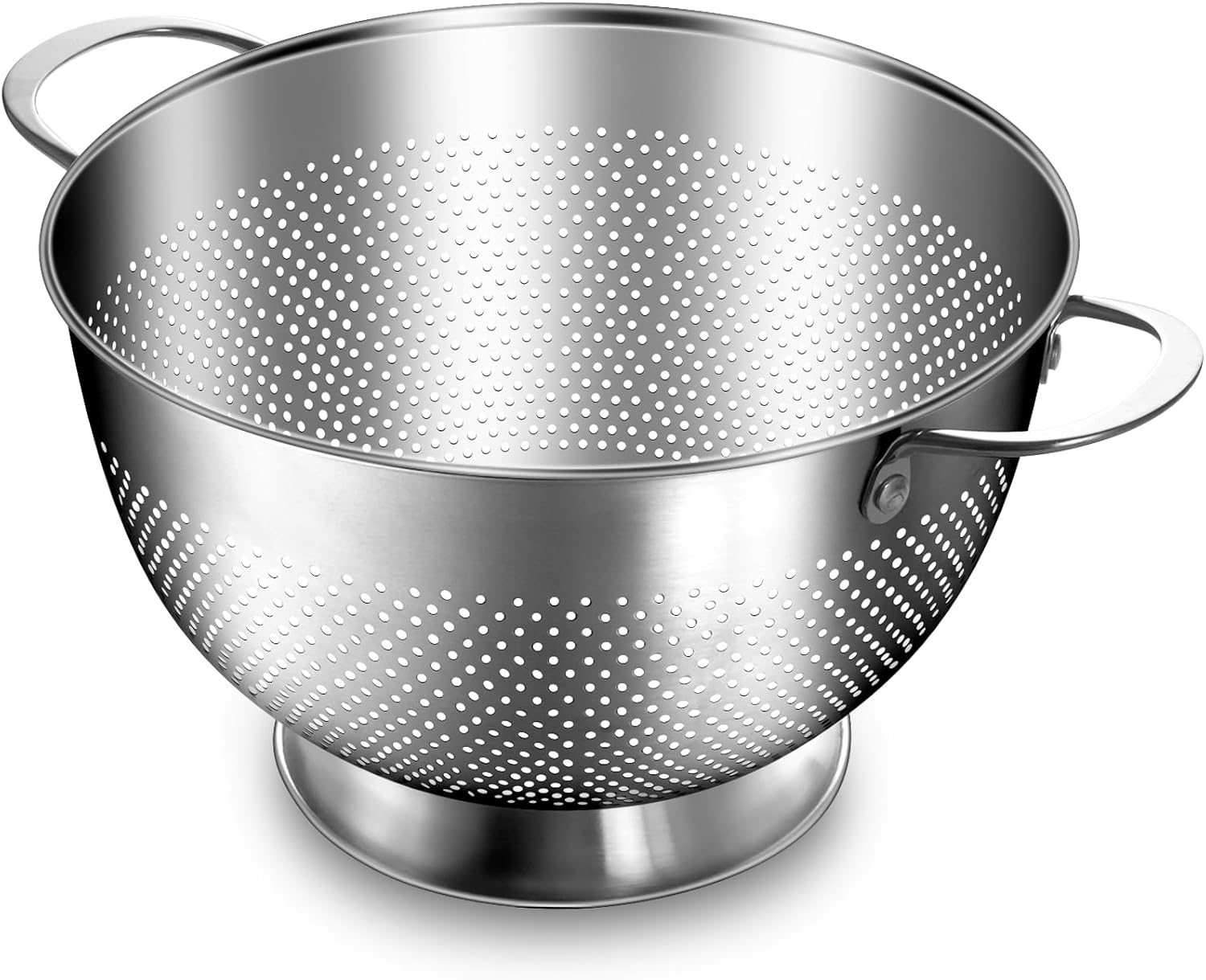
Best Big Strainer with Handle Options for Every Kitchen Task
Finding the right big strainer with handle setup transforms how home cooks manage daily kitchen chores like draining large batches of pasta, washing fresh vegetables, or rinsing delicate grains. Different structural designs offer specific advantages depending on available counter space, cabinet storage layout, and your standard cooking volume. Selecting a proper tool makes routine food preparation significantly easier.
Whether you prefer an over-sink collapsible model, a fine mesh sieve for tiny grains like quinoa, or a sturdy multi-quart metal colander, choosing the appropriate tool ensures fast liquid drainage and reliable daily performance. Exploring these featured options helps match your everyday culinary habits with the right physical construction, handle configuration, and overall capacity.
As an Amazon Associate, StacyLaughs earns from qualifying purchases.
Buying guide
Material Quality and Rust Resistance
Selecting a big strainer with handle starts with evaluating its base material. First-class stainless steel, particularly 18/8 grades, offers exceptional durability, corrosion resistance, and longevity. Unlike plastic alternatives, premium metal construction prevents warping under heavy loads of boiling pasta or dense wet grains. Food-grade metals ensure that acidic foods like tomato sauce or citrus juices will not interact with the surface or alter the natural taste of your meals over time.
Furthermore, high-quality stainless steel models remain entirely free of harmful chemicals like BPA, lead, and cadmium. This makes metal colanders a safe, reliable choice for everyday food preparation tasks involving both hot and cold ingredients. Ensuring your chosen strainer features solid, rust-resistant properties guarantees years of dependable kitchen service without premature degradation, chipping, or unsightly discoloration during routine washing cycles.
Mesh Density and Sieve Performance
The density of the mesh determines which food items a strainer can successfully handle without messy spills. Coarse perforated colanders excel at rapid liquid drainage for large pasta shapes, potatoes, and bulky vegetables. However, finer ingredients like uncooked rice, quinoa, and flour slip right through standard holes. A double-layer thirty-mesh extra fine sieve captures these tiny particles efficiently, making it an essential companion for baking and delicate grain preparation.
Matching the hole size or mesh count to your standard cooking habits prevents ingredient waste and frustration at the sink. While fine mesh models trap smaller particles effectively, they require slightly more attention during cleaning to prevent trapped food buildup. Assessing your menu helps determine whether you need a rapid-draining perforated bowl or a specialized fine-wire sieve for comprehensive kitchen versatility.
Handle Construction and Ergonomics
A secure handle design directly influences comfort and safety when lifting heavy, steaming pots of boiled water and pasta. Strainers equipped with solid riveted handles provide permanent structural strength that will never detach from the bowl framework during vigorous shaking. Additionally, heat-resistant thermoplastic rubber grips protect hands from hot metal surfaces while offering a non-slip hold even when your palms are wet from washing vegetables.
Over-sink models utilize expandable rubber arms that stretch across sink basins to support the basket hands-free. This adjustable configuration reduces physical strain by letting gravity handle the heavy drainage process. Evaluating how you prefer to hold, rest, or balance your strainer ensures you select an ergonomic design that complements your physical strength and kitchen layout.
Base Stability and Countertop Hygiene
Stability during use prevents accidental spills and keeps your food elevated away from stagnant sink water. Models featuring a raised ring base or three sturdy feet stay completely upright when resting on countertops or inside sink basins. This elevated stance ensures that draining liquids flow downward smoothly without pooling underneath your food, protecting countertop hygiene during food prep.
A stable resting foundation also allows you to leave the strainer unattended while ingredients finish draining, freeing up your hands for other cooking steps. Flat-bottomed colanders lack this clearance, which can cause water to re-enter the food if the sink fills up. Prioritizing feet or raised rims guarantees a cleaner, more controlled straining experience every single time.
Capacity and Storage Considerations
Sizing your strainer correctly depends entirely on your household cooking volume and available storage space. Five-quart and six-quart capacities easily accommodate family-size batches of spaghetti, potatoes, and washed salad greens. Deeper bowls prevent overflowing when tossing large quantities of food, but they also require more cabinet footprint. Collapsible designs or nesting models save valuable storage room by fitting neatly inside mixing bowls.
Alternatively, long-handled sieves with wide ear hooks can hang conveniently on wall racks or utility rails, keeping them accessible without cluttering tight drawers. Measuring your available cabinet dimensions before purchasing ensures your new strainer fits comfortably alongside your existing cookware collection without creating storage friction or awkward jams.
Cleaning and Maintenance Protocols
Maintaining your kitchen strainer properly preserves its physical appearance and functional integrity over years of regular use. Many stainless steel and collapsible models offer dishwasher-safe construction, making cleanup exceptionally convenient after messy meal preparations. However, fine-mesh wire strainers often benefit from immediate rinsing under warm running water to dislodge tiny starch particles before they dry and harden within the mesh weave.
Following manufacturer guidelines prevents premature wear and keeps metal surfaces gleaming. Avoid using harsh abrasive scouring pads that can scratch mirror-finished rims or damage specialized coatings. Regular, prompt cleaning ensures that your strainer remains sanitary, corrosion-free, and ready to tackle your next culinary task with reliable performance.
Frequently asked questions
Can a big strainer with handle be washed safely in a dishwasher?
Many stainless steel strainers and collapsible models feature dishwasher-safe construction, allowing for straightforward cleanup after preparing messy meals. However, reviewing specific manufacturer maintenance guidelines is always recommended before loading any kitchen tool into an automated dishwasher. For fine-mesh sieves, manual rinsing immediately after use helps remove tiny food particles trapped within tightly woven wires, ensuring the mesh remains spotless, hygienic, and fully functional over years of regular household cooking tasks.
What is the advantage of an over-sink collapsible strainer?
An over-sink collapsible strainer features expandable rubber handles that stretch across most standard kitchen sink basins, letting you drain heavy pasta pots hands-free. This design uses gravity to manage liquid drainage while keeping your food elevated safely above the bottom of the sink. Furthermore, the collapsible basket folds down flat when not in use, making it an exceptional space-saving solution for kitchens with limited cabinet storage capacity or compact layouts.
Will fine mesh strainers rust over time?
High-grade stainless steel strainers, particularly those utilizing premium food-grade metal alloys, are specifically designed to resist rust, corrosion, and tarnishing during daily kitchen use. These durable materials prevent pitting even when exposed to acidic foods like tomatoes, citrus juices, or vinegars. To maintain this rust-resistant quality, dry the strainer thoroughly after washing and avoid storing it in damp, enclosed environments where moisture can linger on the wire mesh.
How do I choose between a perforated colander and a fine mesh sieve?
Choosing between a perforated colander and a fine mesh sieve depends entirely on the types of food you routinely prepare. Perforated models with tiny holes excel at rapid liquid drainage for bulky items like pasta, potatoes, and steamed vegetables without letting pieces slip through. Conversely, fine mesh sieves feature tightly woven wires that capture powdery ingredients like flour, powdered sugar, and tiny grains like quinoa, making them ideal for baking and delicate side dishes.
Why are raised feet important on a kitchen colander?
Raised feet or an elevated ring base provide essential stability by keeping the colander securely upright when resting inside sink basins or directly on countertops. This elevation prevents drained water from pooling underneath your food, protecting countertop hygiene and ensuring continuous, uninterrupted liquid flow. Additionally, feet keep your ingredients safely separated from accumulated sink water, giving you a cleaner, more controlled food preparation experience during busy cooking sessions.