Appliances · Buying Guide
Best Black and Wood Kitchen Utensils for Nonstick Cookware
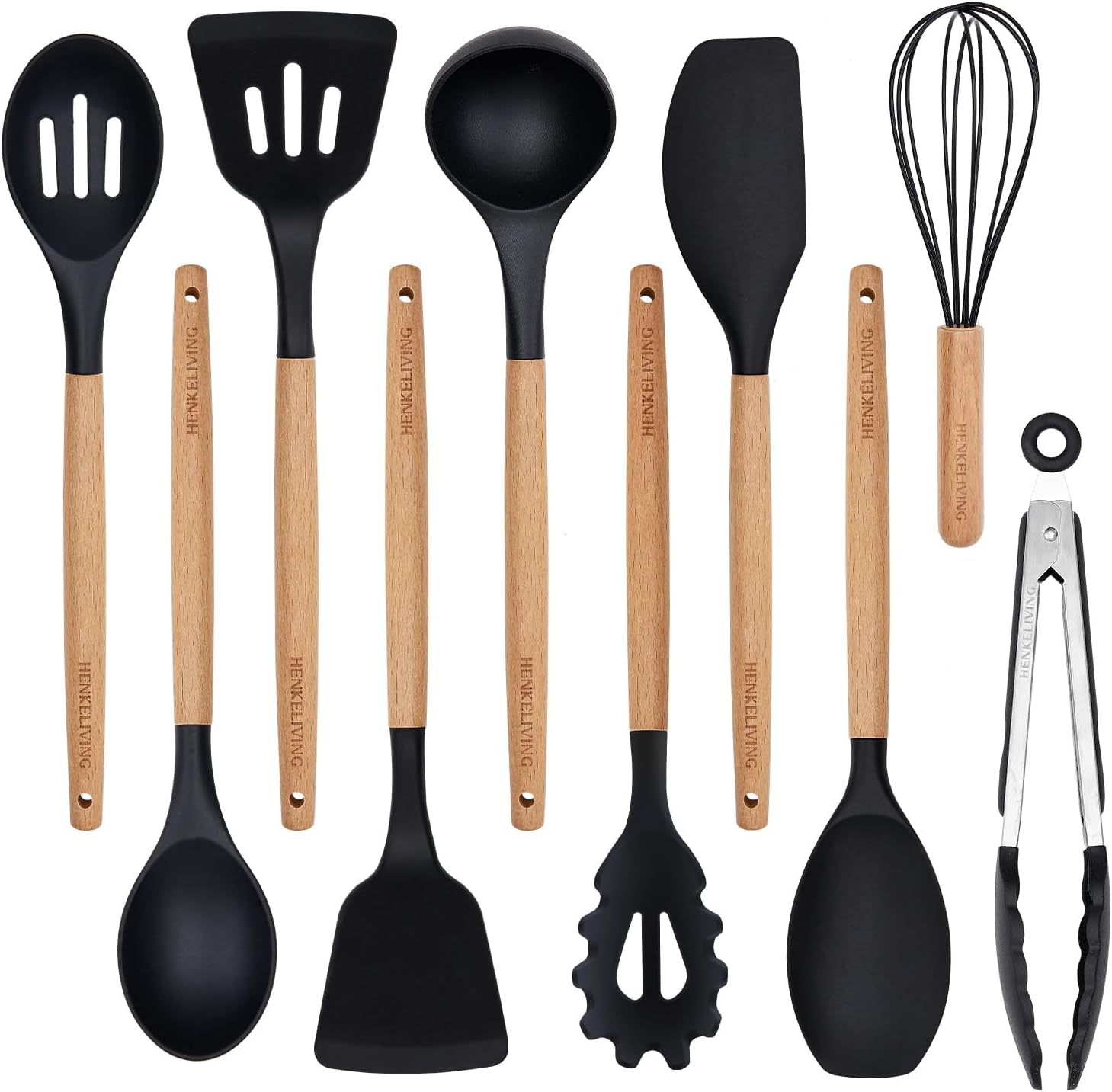
Upgrading your kitchen tools involves balancing everyday functionality with warm countertop aesthetics. Black and wood kitchen utensils combine sleek matte or glossy silicone heads with natural wooden handles, offering a stylish look that complements modern cooking spaces. These sets bring together heat-resistant materials designed to protect delicate cookware surfaces from unsightly scratches and scuffs during daily meal preparation.
Choosing the right configuration depends entirely on your specific cooking habits and storage space availability. Whether you need a minimal five-piece essentials kit or an extensive thirty-nine-piece collection featuring specialized gadgets, options vary widely across brands. Understanding how different handle woods, piece counts, and head shapes fit your daily routine helps you select a lasting, dependable kitchen setup.
As an Amazon Associate, StacyLaughs earns from qualifying purchases.
Buying guide
Material Quality and Silicone Durability
Silicone is an exceptionally popular choice for modern kitchen utensils because its soft exterior protects delicate nonstick cookware pans from scratches and scuffs during routine use. High-quality food-grade silicone naturally resists stubborn food stains, lingering odours, and high cooking temperatures without melting or warping during intensive meal preparation tasks, ensuring long-term reliability in busy home kitchens.
When shopping for black and wood utensil sets, always check whether the silicone material wraps around a supportive interior core. Stainless steel reinforcement inside the tool heads prevents excessive bending under heavy food loads, while flexible outer edges make scraping mixing bowls and cooking pans completely effortless, enhancing your overall cooking efficiency and control.
Handle Construction and Ergonomics
Natural wooden handles add a warm, organic aesthetic to black silicone heads while providing a comfortable grip on the countertop. Acacia and other hardwoods offer distinct grain patterns that ensure no two pieces look identical. Selecting well-finished wood prevents splintering and guarantees a secure handhold, even when your palms are slightly damp during active recipe execution.
Ergonomics play a vital role in how comfortable a utensil feels during prolonged stirring or mixing tasks. Look for handles shaped to fit naturally in your hand to minimize fatigue. While wooden handles stay pleasantly cool during high-heat cooking, they typically require careful hand washing and drying rather than automatic dishwasher cycles to preserve their natural finish.
Heat Resistance Ratings
High heat resistance is essential when choosing cooking utensils for searing, frying, or simmering sauces on the stove. Most quality silicone utensil sets withstand temperatures between 446 and 480 degrees Fahrenheit. This robust thermal tolerance ensures the heads will not degrade, soften, or release unpleasant odours when left resting inside hot pans during active cooking.
Verifying temperature limits helps you match your tools to your specific culinary habits. If you frequently cook at very high temperatures on cast iron or stainless steel skillets, prioritize utensils with elevated heat ratings. Always review manufacturer guidelines regarding maximum exposure thresholds to prevent accidental damage and extend the functional lifespan of your favourite kitchen tools.
Piece Count and Assortment Selection
Utensil sets range widely from compact five-piece kits to expansive collections exceeding thirty pieces. Selecting the right count depends entirely on your cooking style and available kitchen storage space. Minimalist sets include absolute essentials like turners, spoons, and ladles, covering everyday meal preparation without cluttering your drawers or taking up excess countertop space.
Larger collections incorporate specialized accessories such as whisks, tongs, graters, kitchen scissors, and pasta servers. While these comprehensive bundles eliminate the need to purchase separate items, they require substantial storage room in cabinets or holders. Evaluate your actual cooking repertoire to determine whether a streamlined kit or a fully loaded multi-piece set serves your household best.
Cleaning and Maintenance Requirements
Proper cleaning and maintenance are crucial for preserving the beauty and longevity of black and wood kitchen utensils. Because natural wooden handles can dry out or crack when exposed to harsh dishwasher environments, hand washing with mild soap and warm water is strongly recommended. Drying the wooden components thoroughly before storage prevents moisture damage over time.
Silicone heads clean effortlessly due to their nonstick properties, wiping down quickly after contact with oils and sauces. Some new silicone items require a brief initial soak or airing period to dissipate manufacturing odours before first use. Adhering to these simple care routines ensures your kitchen tools remain hygienic, visually appealing, and structurally sound for years.
Storage and Countertop Organization
Keeping your kitchen utensils organized improves efficiency and protects your investment from clutter and accidental damage. Many utensil sets include a dedicated storage holder or crock that keeps every tool neatly corralled on your countertop. This ensures your most frequently used spatulas and spoons remain within arm reach while you prepare meals at the stove.
Alternatively, many wooden-handled utensils feature built-in hanging holes or loops on the ends of the handles. These features allow you to hang your tools on wall racks or vertical utility bars, freeing up valuable counter space in smaller kitchens. Consider your available kitchen layout when choosing between a traditional countertop holder and hanging storage solutions.
Frequently asked questions
Can black and wood kitchen utensils go in the dishwasher?
Most manufacturer guidelines strongly recommend hand washing utensils featuring natural wooden handles rather than placing them in an automatic dishwasher. Extended exposure to hot water, harsh detergent cycles, and prolonged moisture inside a dishwasher can cause natural wood to warp, dry out, crack, or lose its smooth finish over time. While the silicone heads are durable and heat-resistant, protecting the wooden handles requires washing them gently with mild soap and warm water, followed by thorough drying before storage to maintain their appearance and structural integrity.
Are silicone kitchen utensils safe for nonstick cookware?
Food-grade silicone utensils are exceptionally safe for all types of nonstick cookware surfaces, including ceramic, Teflon, and anodized aluminum pans. Unlike metal spoons and turners that easily scratch, gouge, or permanently ruin delicate nonstick coatings, soft silicone heads provide a protective barrier. They glide smoothly across the bottom and sides of pans during stirring, flipping, and scraping. This makes silicone and wood combinations an ideal choice for home cooks who want to extend the lifespan of their valuable pots and pans without sacrificing cooking performance.
Why do some silicone utensils have a strange smell initially?
Newly manufactured silicone kitchen utensils sometimes retain a mild residual scent from the production and curing process. This is a normal occurrence and does not indicate a defect or harmful chemical presence in food-grade materials. To eliminate this temporary odour quickly, manufacturers typically recommend soaking the new utensils in clean water for about half an hour, followed by exposing them to open air for a few hours. Once aired out completely, the original manufacturing scent dissipates entirely, leaving the utensils completely odourless and ready for daily cooking tasks.
What is the advantage of wooden handles over stainless steel?
Wooden handles offer several distinct advantages over all-metal or plastic alternatives in home kitchens. First, natural wood provides a warm, comfortable grip that feels pleasant in the hand during extended cooking sessions. Unlike metal handles, wood does not conduct heat rapidly, meaning the handle stays cool to the touch even if the utensil rests against the edge of a hot pan. Additionally, the unique wood grain patterns add an attractive, organic aesthetic to your countertop workspace, bridging the gap between practical utility and modern kitchen decor.
How do I choose between a small set and a large utensil collection?
Choosing between a compact set and a large collection depends heavily on your cooking habits, recipe complexity, and available kitchen storage space. Smaller sets usually contain five to ten essential pieces like turners, spoons, and ladles, making them perfect for minimalists or those with limited drawer space. Larger collections ranging from thirty to nearly forty pieces include specialized accessories like graters, scissors, and tongs. If you love experimenting with diverse recipes and have ample storage, a massive set offers great versatility, whereas compact kits suit everyday basic meal preparation.