Appliances · Buying Guide
Best Can Opener No Sharp Edges Choices for Safe Daily Kitchen Food Prep
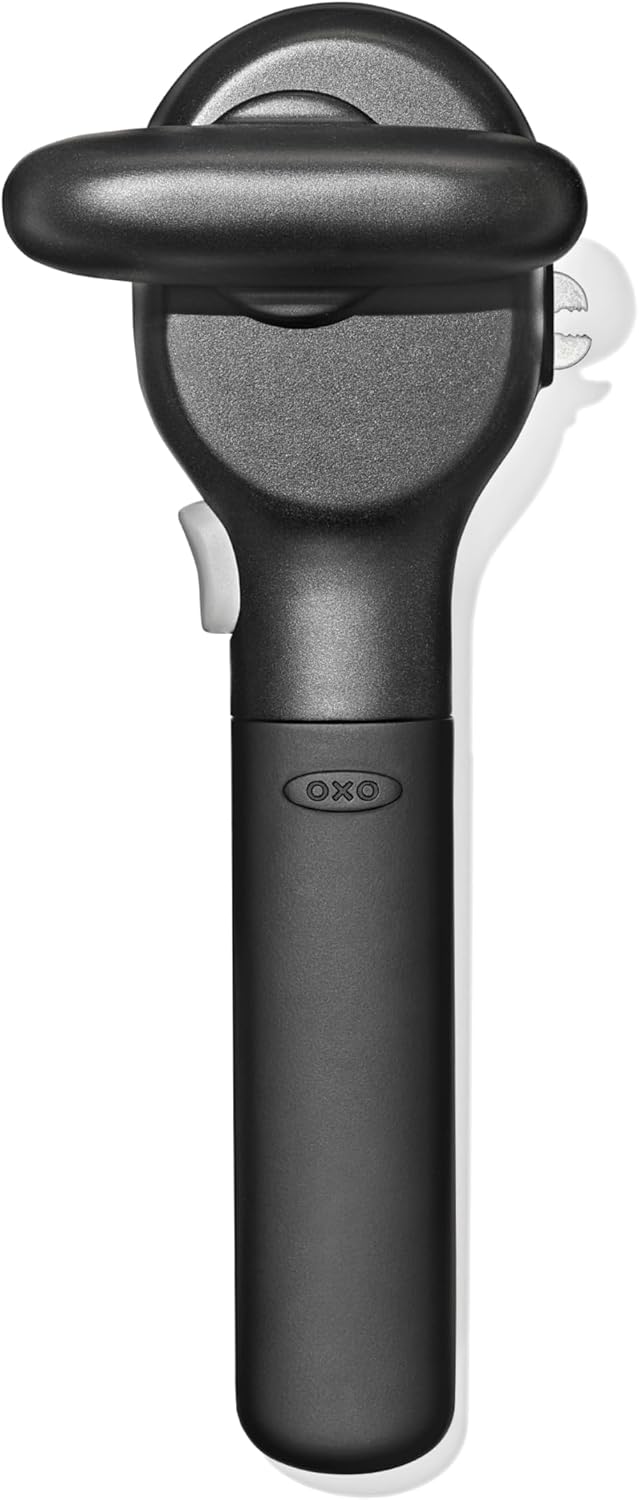
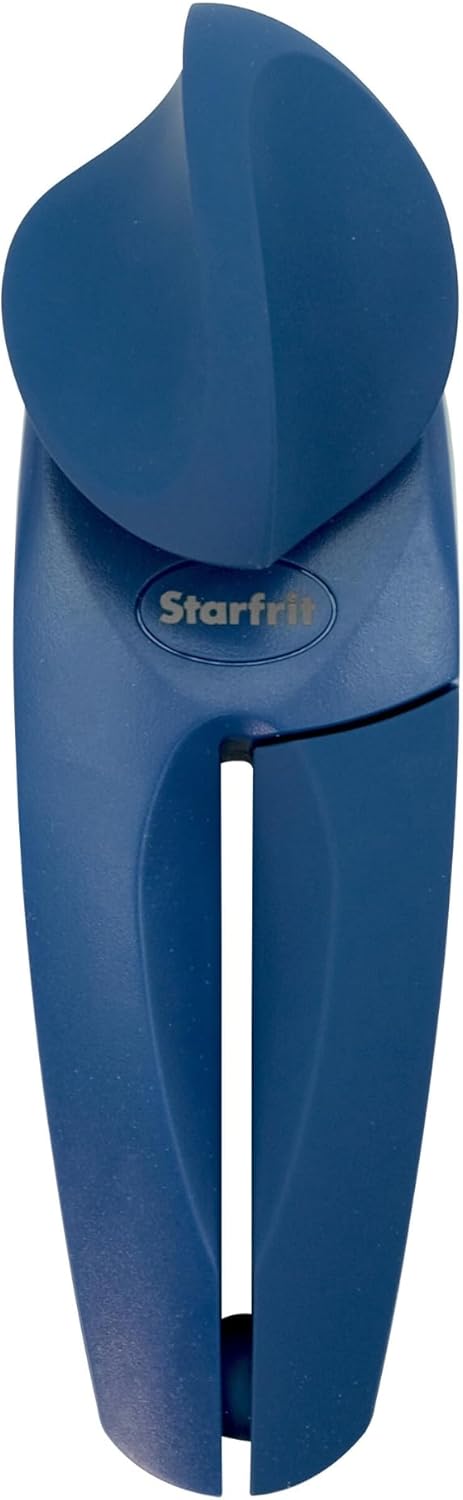
Finding a reliable tool to open food tins without leaving jagged borders protects hands during routine meal preparation and everyday cooking tasks in busy kitchens. Modern manual kitchen utensils utilize specialized side-cutting mechanisms to separate lids cleanly, ensuring both the remaining container and the discarded metal piece feature safe, smooth finishes that prevent accidental cuts.
These thoughtful designs prevent the cutting wheel from touching internal ingredients, minimizing cross-contamination risks while offering practical features like ergonomic handles, built-in pliers, or convenient lid-retaining options tailored for diverse household needs, temporary food storage habits, and varying levels of hand strength during daily culinary tasks.
As an Amazon Associate, StacyLaughs earns from qualifying purchases.
Buying guide
Evaluating Safe Edge Cutting Mechanisms
Traditional kitchen tools slice straight down through metal lids, leaving sharp, jagged edges that easily snag fingers or tear cleaning sponges during routine chores. Modern smooth-edge designs alter this approach completely by gripping the outer rim and cutting along the side seam instead. This leaves a clean, burr-free finish on both the container and the discarded metal top.
When shopping for a manual utensil, examine how the cutting wheel engages with the metal structure. Side-cutting models reduce accidental lacerations during cleanup and meal assembly tasks. Checking this mechanical action helps ensure your kitchen setup protects household members of all ages while maintaining reliable daily performance across various recipes.
Understanding Food Contact Prevention
Hygiene remains a major priority when opening canned goods, especially when dealing with liquids or soft ingredients that splash easily. Traditional blades plunge directly into the interior, transferring food residues onto the mechanism. Safe-cut models keep the cutting wheel entirely outside the food zone, preventing cross-contamination between different meal ingredients.
This separation protects the mechanical components from sticky buildup, reducing the effort required to rinse the tool clean after use. Selecting a design that avoids internal contact ensures higher standards of cleanliness in busy kitchens. Reviewing how the wheel interacts with cans guides you toward healthier food handling habits every single day.
Assessing Handle Ergonomics and Grip Comfort
Hand fatigue can turn routine meal prep into an uncomfortable chore, particularly for individuals experiencing arthritis or reduced grip strength. Ergonomic handles featuring non-slip coatings provide a secure hold, dampening pressure during rotation. Manufacturers often shape these grips to fit natural hand contours, easing tension across the palms and fingers.
When evaluating options, consider whether the turning knob requires significant rotational torque or features an oversized profile. Textured surfaces prevent slipping when hands are wet or greasy. Choosing the right handle architecture ensures comfortable, strain-free operation regardless of how many cans your recipes demand on busy weeknights.
Evaluating Lid Disposal and Storage Features
Managing separated metal lids safely is another factor to weigh before purchasing a manual opener. Some advanced models include built-in pliers or pivot arms that grip the lid securely, allowing you to release it straight into the trash without touching the metal. Other variants leave clean edges that let you reuse the lid for short-term refrigerator storage.
Consider your cooking habits and cleanup preferences when selecting these functional additions. If you frequently save leftover ingredients, a lid-retention system that permits temporary sealing offers practical everyday utility. Reviewing these built-in disposal mechanisms helps streamline kitchen cleanup routines and minimizes contact with sharp metal surfaces.
Reviewing Materials and Long-Term Durability
Construction materials dictate how well a manual kitchen tool withstands years of heavy daily use and frequent washing cycles. Stainless steel and chrome-plated metals offer robust resistance against rust, corrosion, and bending. Investing in sturdy metallic builds ensures the turning mechanism continues to glide smoothly without jamming or losing alignment over time.
Inspect the blade material and housing construction to verify resilience against kitchen moisture and pressure. Durable alloys maintain sharp cutting edges longer, reducing the need for premature replacements. Prioritizing high-grade materials guarantees dependable performance when tackling tough metal containers during demanding meal preparation sessions.
Storage Footprint and Portability Considerations
Kitchen drawer space is often at a premium, making physical dimensions an essential purchase criterion. Compact handheld models slip easily into crowded organizer trays or tight cabinet corners. Conversely, larger tools with integrated pliers or oversized turning mechanisms require more linear clearance and dedicated storage space.
Think about your available kitchen storage before committing to a specific shape or size. Lightweight, portable builds also double as travel-friendly options for camping trips or RV cooking setups. Balancing physical size against functional features ensures your selected tool fits seamlessly into your daily lifestyle and storage layout.
Frequently asked questions
How do smooth edge can openers work differently from traditional models?
Traditional tools press a sharp blade straight down into the top lid, slicing vertically and leaving a razor-sharp, jagged edge on both the can and the metal cover. In contrast, smooth-edge side-cut models grip the outer rolled rim and slice along the side seam. This innovative mechanical action separates the lid cleanly beneath the top bead, resulting in smooth, burr-free edges that eliminate accidental finger cuts during handling and cleanup.
Can I reuse the removed lids for storing leftover food in the refrigerator?
Yes, many side-cutting can openers leave the lid completely intact and free of jagged distortions, making them suitable for short-term refrigerator storage. Because the cut occurs on the outer side rather than through the top surface, the separated metal piece retains its original circular shape. You can simply pop the clean-edged lid right back onto the open container to keep leftover ingredients covered before transferring them to longer-term storage containers.
Do side-cutting openers prevent the blade from touching the food inside?
Yes, food-contact prevention is one of the primary benefits of side-cutting designs. Because the cutting wheel approaches the container from the exterior edge rather than plunging downward into the contents, the blade never actually comes into contact with the food inside. This mechanism significantly reduces cross-contamination risks, keeps the mechanical components cleaner during operation, and makes routine maintenance much easier when rinsing the tool after opening messy ingredients.
Are smooth edge can openers suitable for people with arthritis or weak hands?
Many smooth-edge models are specifically designed with ergonomic, non-slip handles and smooth turning knobs to accommodate individuals with arthritis or limited hand strength. The side-cut mechanism often requires less downward piercing effort compared to traditional openers. However, users should still evaluate whether turning the rotary knob matches their personal hand comfort, as manual rotation requires a firm grip and wrist motion to complete the full cutting rotation around the rim.
How should I clean and maintain a manual stainless steel can opener?
Proper maintenance involves rinsing the tool thoroughly under warm water immediately after use to prevent food residue from drying on the mechanism. Many stainless steel models withstand standard washing, but you should check manufacturer guidelines regarding dishwasher compatibility. Keeping the cutting wheel clean ensures smooth rotation over time. Avoid storing the tool in damp environments without drying it completely to protect the metal alloys from unnecessary wear and moisture damage.