Appliances · Buying Guide
Best Cast Iron Kitchen Utensils for Everyday Cooking Control
Selecting the right utensils for heavy cooking surfaces requires paying attention to materials, handle comfort, and edge design. Metal and wood options offer distinct advantages depending on whether you are flipping burgers, scraping pans, or managing full cookware sets. Understanding how specific designs interact with heavy skillets helps streamline your daily kitchen routine without damaging cookware surfaces or straining your hands.
Different cooking tasks call for specialized tools, from thin-edged turners that slide smoothly under delicate eggs to comprehensive cookware bundles designed for high-heat retention. Evaluating handle materials like silicone, wood, or thickened stainless steel ensures you maintain a secure grip during active stovetop or grill sessions. Each option brings unique structural characteristics to your kitchen workspace.
As an Amazon Associate, StacyLaughs earns from qualifying purchases.
Buying guide
Material Selection for Durability
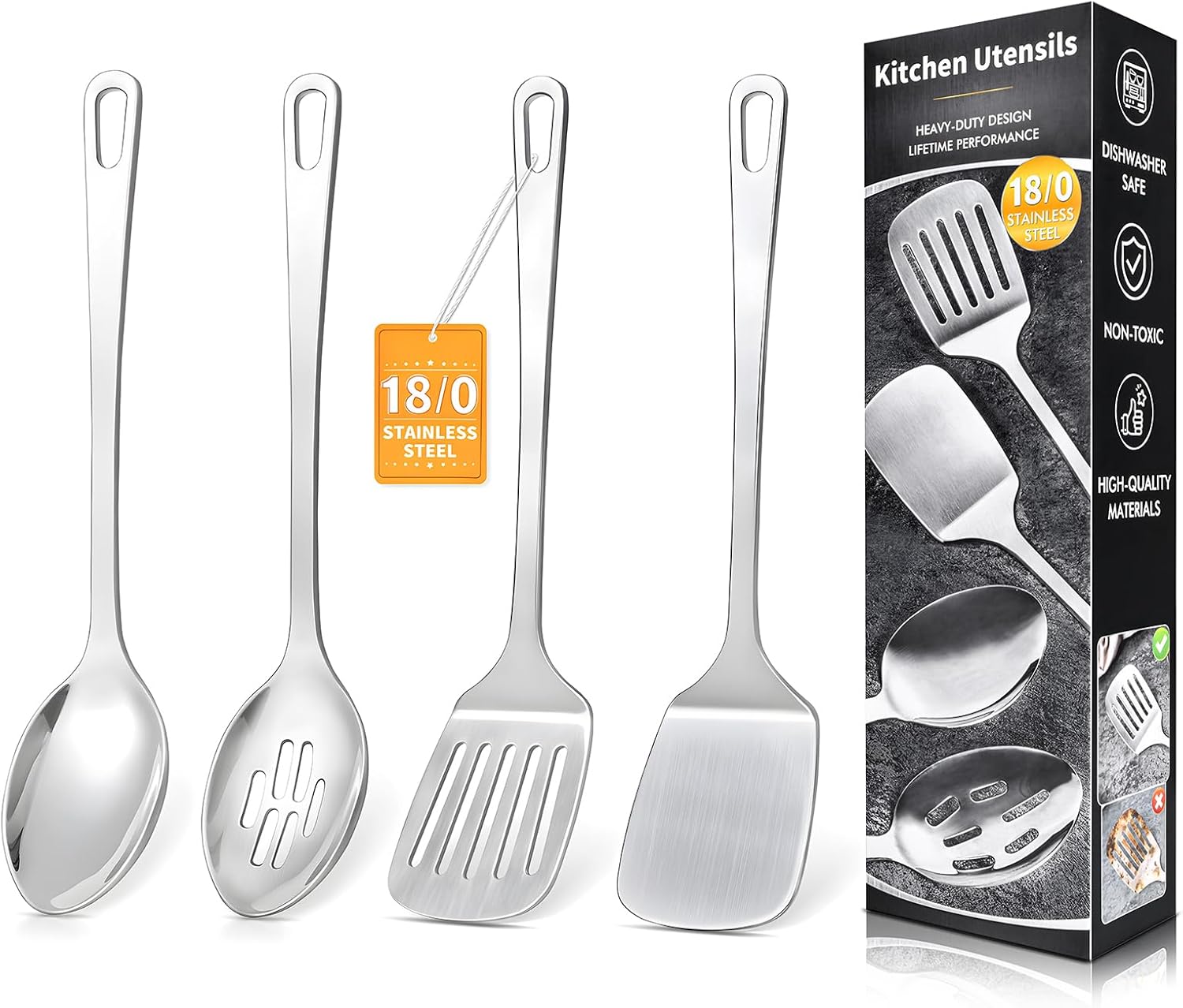
Choosing the correct material for your kitchen tools directly impacts long-term durability, heat resistance, and daily maintenance routines. Stainless steel offers robust corrosion resistance and high-temperature tolerance, making it ideal for rigorous scraping tasks on heavy metal pans. However, metal tools can feel noticeably heavier in hand during extended cooking sessions, requiring comfortable handle designs to reduce strain.
Wood provides a natural alternative that protects sensitive cookware surfaces from scratches while offering comfortable, warm grip options. Teak and other dense hardwoods require careful manual washing to preserve their protective finish, unlike dishwasher-safe metal or silicone alternatives. Evaluating your daily cleaning habits helps determine whether metal or wood better suits your kitchen routine and long-term maintenance preferences.
Edge Design and Precision
The edge design of a spatula or turner dictates how smoothly it slides under delicate foods like eggs, pancakes, or fish fillets. Thin, beveled metal and wooden edges allow cooks to slip directly beneath items without breaking them or leaving pieces behind. This precision is especially helpful when dealing with sticky proteins on hot griddles and heavy-duty pans.
Thicker edges provide greater structural strength for heavy-duty lifting and aggressive pan scraping, but they can struggle with ultra-thin foods. Matching the specific edge profile to your typical meal preparation style ensures cleaner flips and better control over your ingredients. Consider what types of food you cook most frequently before selecting an edge thickness for your kitchen tools.
Handle Comfort and Ergonomics
Handle design plays a crucial role in maintaining a secure grip during intensive cooking sessions involving high heat sources. Ergonomic shapes, silicone coatings, and rounded wooden profiles reduce hand fatigue when managing heavy cookware or flipping multiple burgers on a griddle. A well-designed handle prevents slipping even when your hands are damp or greasy during fast-paced cooking tasks.
Long handles keep your fingers safely away from hot heating elements and splattering oil during stovetop or outdoor grill use. Materials like heat-proof stainless steel or textured silicone enhance user safety by absorbing less thermal energy during prolonged cooking. Assessing how a handle feels in your palm ensures comfortable operation during long meal preparations and heavy kitchen routines.
Cleaning and Maintenance Requirements
Different utensil materials demand specific cleaning procedures to maintain their appearance and structural integrity over years of use. Dishwasher-safe stainless steel and silicone tools offer quick cleanup options that save significant time after busy family dinners. Rinsing with warm water and soap is usually enough to quickly restore a shiny metal finish without extra effort.
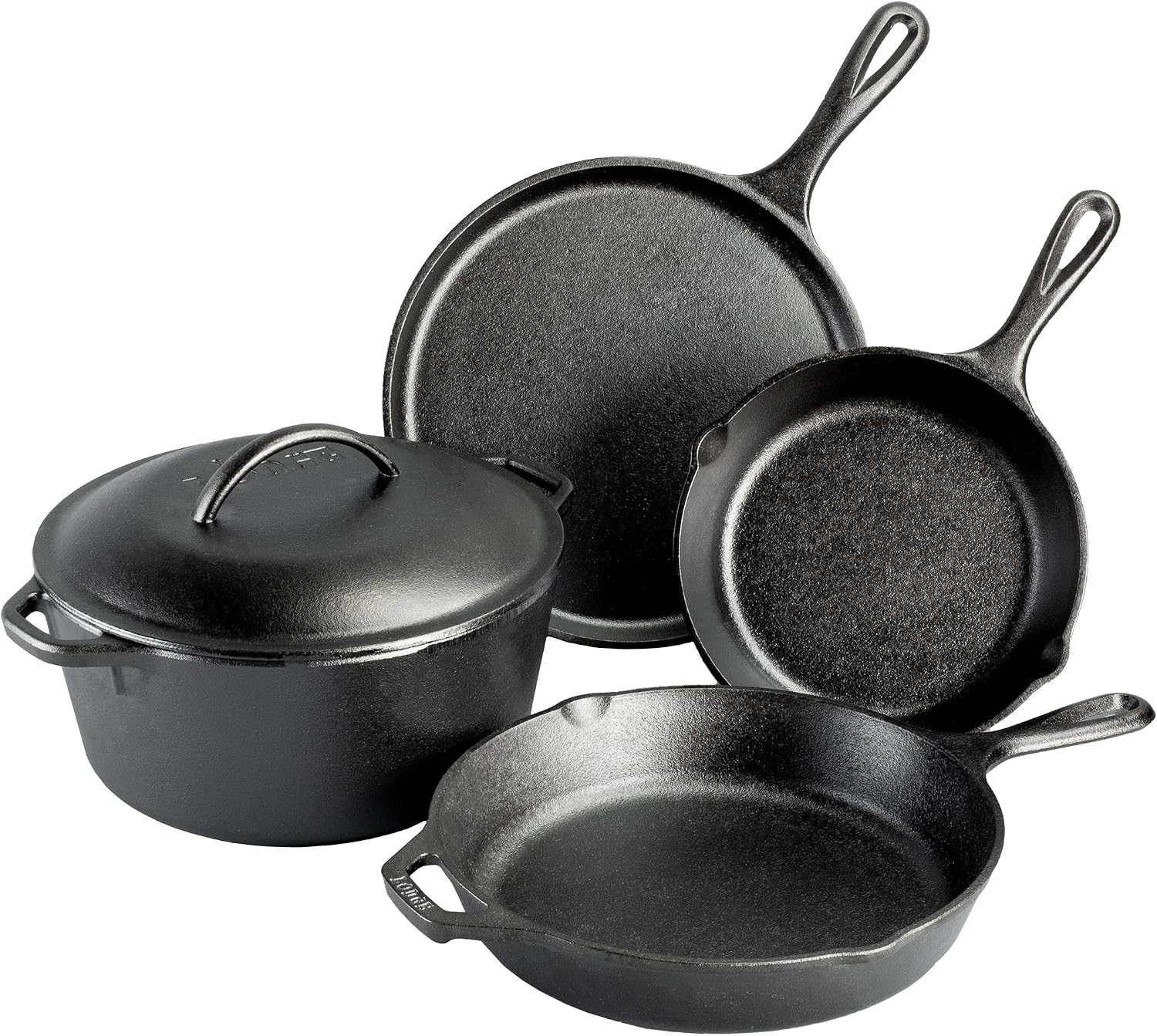
Wooden utensils require manual hand washing and gentle care to prevent drying out or cracking from prolonged moisture exposure. Heavy cast iron cookware demands similar hand-washing routines combined with thorough drying to maintain its seasoned surface and prevent rust. Aligning your tool choices with your personal cleaning preferences prevents accidental damage and extends product lifespans.
Set Composition and Versatility
Purchasing a comprehensive utensil set or a cookware bundle provides multiple matching pieces to handle diverse culinary tasks around the kitchen. Sets containing solid turners, slotted spatulas, and serving spoons cover everything from flipping steaks to stirring thick soups. This variety ensures you always have the right tool available for every specific recipe you attempt.
Smaller specialized packs focus intensely on specific actions like griddle flipping or delicate pan scraping. While they may lack deep liquid ladles, they excel exceptionally well in their targeted applications. Reviewing the exact piece count and tool types included helps you build a balanced kitchen collection tailored precisely to your regular cooking habits.
Storage and Kitchen Organization
Efficient kitchen organization depends heavily on how easily you can store your cooking utensils when they are not in active use. Many metal and silicone tools feature built-in hanging holes at the top of their handles for convenient wall or rack mounting. This clever design keeps your favorite turners within arm reach during busy meal preparation times.
Larger cookware bundles and wooden utensils require dedicated cabinet space or open countertop placement due to their physical dimensions and total weight. Considering your available kitchen storage capacity prevents workspace clutter and keeps your cooking area functional. Proper storage solutions also protect your tools from unnecessary wear and accidental damage over extended periods.
Frequently asked questions
Can stainless steel utensils be used on cast iron skillets?
Yes, stainless steel utensils can be used on cast iron skillets without causing damage to the durable iron surface. Unlike delicate nonstick coatings, seasoned cast iron handles metal turners and spatulas effectively during high-heat cooking tasks like flipping burgers or searing steaks. However, cooks should still exercise care with thin beveled edges to avoid scraping away seasoning layers unnecessarily. Choosing tools with ergonomic handles ensures a secure grip while managing heavy cast iron cookware across stovetops and outdoor grills.
Are wooden spatulas safe to put in the dishwasher?
Wooden spatulas should not be washed in the automatic dishwasher. Natural wood materials require manual hand washing with warm water and mild soap to maintain their integrity. Exposing teak or other natural woods to harsh dishwasher cycles, high heat, and prolonged moisture can cause the wood to dry out, warp, or crack over time. Applying proper hand-washing habits helps preserve the smooth finish and natural gloss of your wooden kitchen tools for lifelong quality.
What makes pre-seasoned cast iron sets good for cooking?
Pre-seasoned cast iron sets provide excellent heat distribution and retention, which helps reduce hot spots during cooking. The traditional iron and oil finish creates a naturally released surface that improves with use over time. These versatile cookware bundles perform reliably across indoor stovetops, kitchen ovens, outdoor grills, and open campfires. While they require careful hand washing and drying to prevent rust, their heavy-duty durability makes them dependable staples for traditional meal preparation.
How do I clean stainless steel cooking utensils?
Cleaning stainless steel cooking utensils is straightforward due to their smooth surfaces and corrosion-resistant metal construction. You can simply rinse them with warm water and soap to quickly restore their clean and shiny appearance after preparing meals. For added convenience, many stainless steel utensil sets are completely dishwasher safe, allowing you to skip manual hand washing entirely. Their built-in hanging holes also make air drying and daily storage simple and efficient.
Why choose a beveled thin edge on a spatula?
A beveled thin edge on a spatula makes cooking and baking significantly easier by allowing the tool to slide smoothly underneath delicate foods like pancakes, eggs, fish fillets, and burgers. This sharp profile helps turn items over cleanly without breaking their original shape. Additionally, a thin edge is convenient for scraping up stubborn food bits and caramelized residues from the bottom of cast iron and carbon steel pans during meal cleanup.