Appliances · Buying Guide
Best Cast Iron Meat Tenderizer Tools for Easier Meal Prep
Preparing tough cuts of meat for the dinner table often requires considerable physical effort when relying on traditional hand mallets and hammers. Modern kitchen tools take the heavy lifting out of breaking down tough muscle fibers, allowing home cooks to quickly transform inexpensive beef, pork, and venison into tender, juicy steaks.
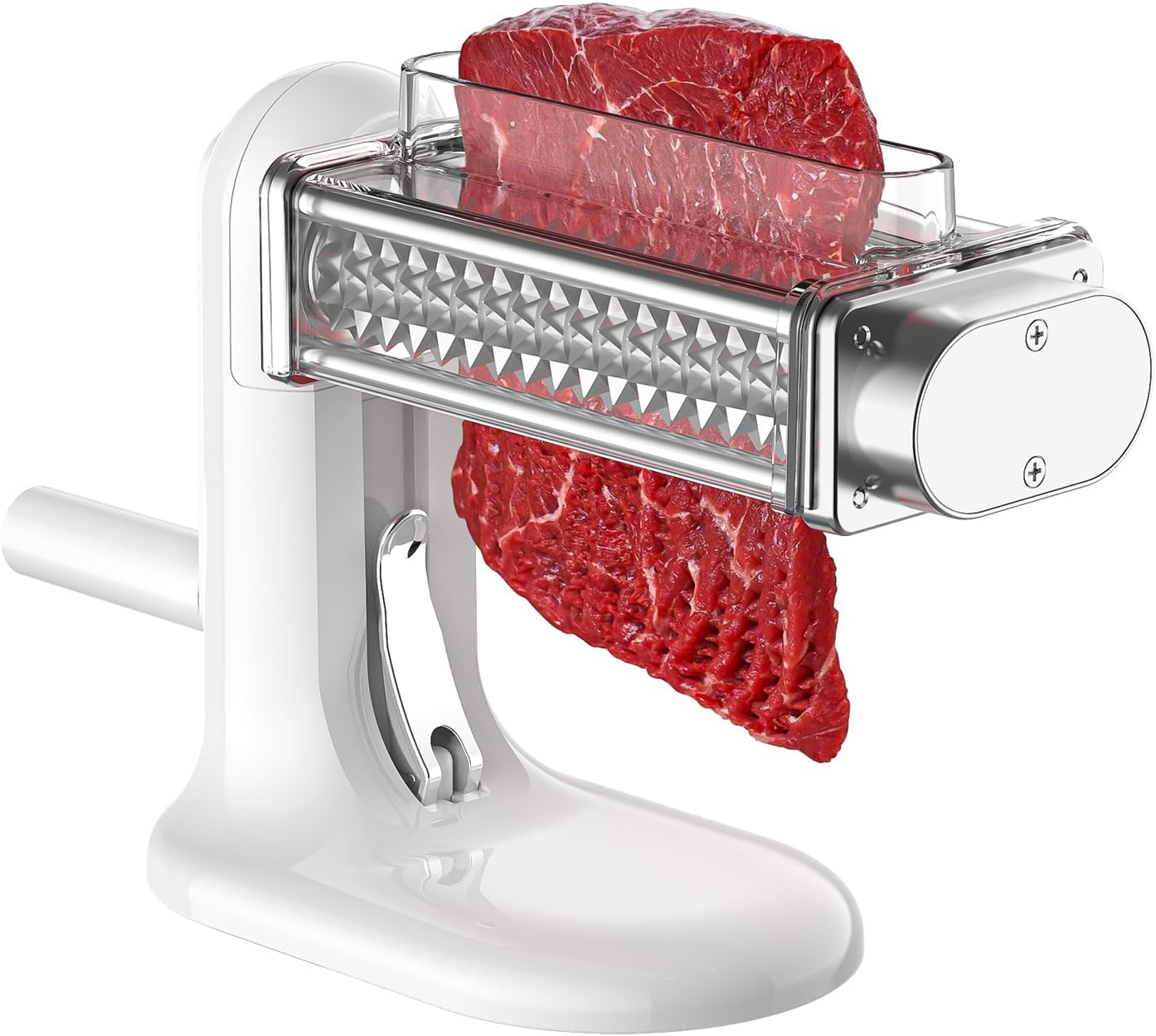
Whether you prefer a hand-crank machine that clamps securely to your kitchen counter, a dedicated tabletop unit, or a metal attachment that converts your existing stand mixer into a high-speed tenderizer, various mechanical designs cater to different cooking routines. Selecting the right model depends on your available counter space, preferred meat thickness, and how often you prepare game or roasts.
As an Amazon Associate, StacyLaughs earns from qualifying purchases.
Buying guide
Mounting and Stability Mechanisms
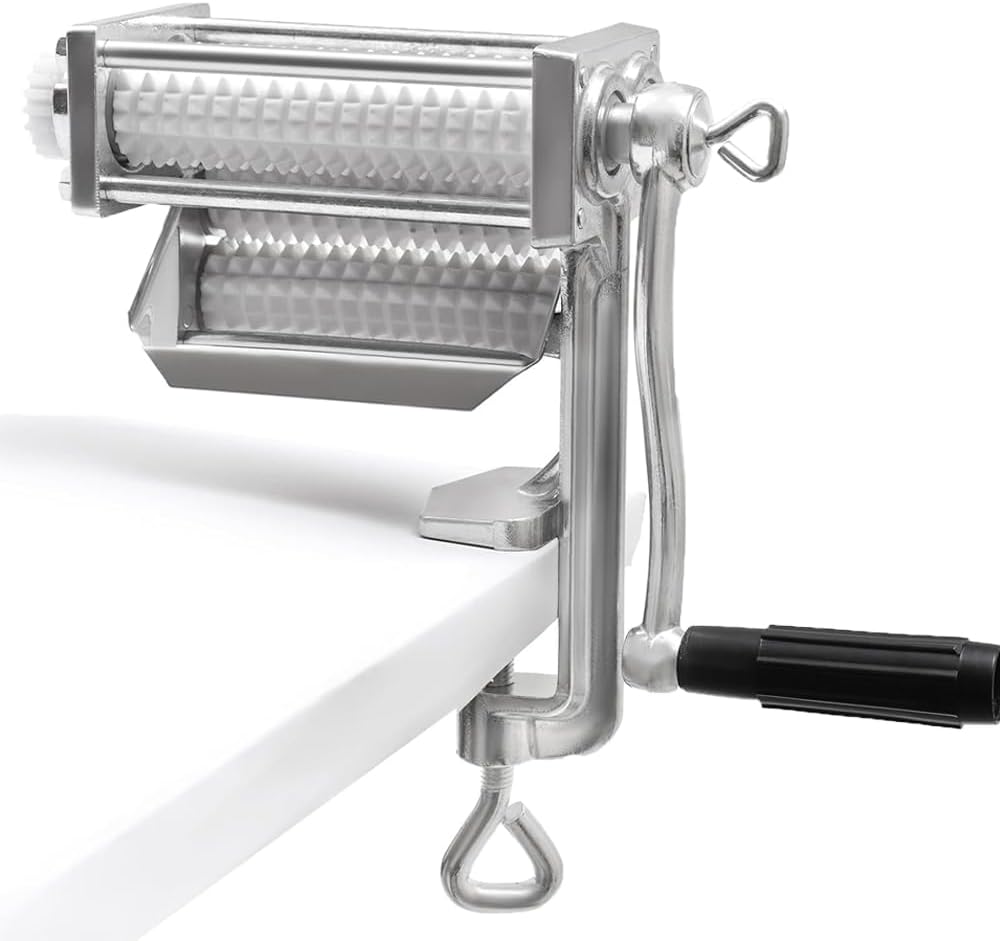
Choosing a manual or mechanical meat tenderizer requires evaluating how the unit securely attaches to your kitchen workspace during food preparation. Table clamps offer a heavy-duty mechanical grip on wooden or laminate surfaces, anchoring the machine firmly in place. This prevents shifting when you process tough game or beef. Suction bases provide an alternative mounting method that relies on smooth countertops to maintain stability without needing an overhanging edge for hardware attachment.
Consider your available counter space and surface finish before selecting a specific mounting style. Clamp models need an accessible table edge with enough clearance for tightening screws. Suction units demand completely flat, non-porous areas to prevent slipping while you crank the handle, making surface texture an important factor in your daily cooking environment.
Power Sources and Operation Types
Meat tenderizers generally rely on one of three power sources: hand cranks, suction-mounted manual rollers, or motorized stand mixer attachments. Hand-crank machines give you direct mechanical advantage over tough connective tissues, allowing slow and steady processing of dense steaks. Stand mixer attachments utilize existing kitchen appliance motors to drive internal metal gears, eliminating the need for manual rotation entirely and speeding up prep time significantly for large batches.
Assess your physical comfort and kitchen appliance inventory when deciding between manual and powered options. If you experience wrist fatigue or regularly process large quantities of venison, a motorized attachment saves considerable effort. Conversely, standalone hand-crank units operate anywhere without requiring electricity or specific appliance compatibility, offering independent utility during outdoor grilling sessions.
Feed Opening and Meat Thickness Limits
Every mechanical tenderizer features specific physical boundaries regarding the size and thickness of meat it can accept. Many tabletop crank models feature narrow feed openings restricted to half an inch or similar dimensions. These spaces easily handle standard steaks, pork chops, and cutlets, but they require you to slice bulky roasts into thinner strips before feeding them through the dual rollers. Checking these dimensions prevents frustration during meal preparation.
Match the feed capacity directly to the types of cuts you typically cook for your household. If your recipes call for thick game roasts or oversized briskets, look closely at feed width and roller clearance specifications. Selecting a unit with appropriate sizing ensures you spend less time pre-slicing ingredients and more time cooking flavorful dishes.
Materials and Construction Durability
The materials used in a tenderizer housing and internal gears directly affect its longevity and resistance to heavy daily use. Cast iron and aluminum provide robust structural integrity, ensuring the frame does not bend under pressure when crushing tough muscle fibers. Food-grade plastics and ABS components are frequently utilized for protective covers and guards, keeping moving parts safely enclosed while remaining lightweight and easy to manage.
Examine the construction materials to ensure your tool withstands regular exposure to meat juices and cleaning routines. Metal gears and pins offer superior resistance to wear compared to fragile alternatives. Choosing durable housing materials guarantees stable performance across countless family dinners, backyard barbecues, and seasonal hunting preparation sessions.
Cleaning Requirements and Maintenance
Maintaining hygiene after processing raw meat is essential, making the cleanup process a critical buying factor. Most mechanical tenderizers feature fully detachable designs that let you separate rollers, guards, and housings to reach every corner. However, virtually all cast iron and metal gear units require careful hand washing with warm water and mild soap. They are rarely safe for automated dishwasher cycles, which can damage protective finishes.
Review the manufacturer maintenance guidelines before purchasing to understand the post-cooking routine. Some cast iron models benefit from protective sprays to prevent rust after thorough drying. Accepting these manual cleaning steps ensures your kitchen tool stays sanitary, functions smoothly, and lasts for years of reliable meat preparation.
Adjustable Settings for Culinary Versatility
The ability to adjust spacing or thickness settings adds valuable versatility to a meat tenderizer, letting you customize results for different recipes. Some advanced manual tools and mixer attachments feature multiple spacing options, ranging from tight micro-channels to wider gaps. This flexibility allows you to treat delicate pork chops differently than dense venison steaks, optimizing marinade penetration and texture for every specific cut of meat.
Consider whether your cooking style benefits from adjustable settings or if a fixed roller spacing meets your everyday needs. Multi-setting tools adapt easily as your menu changes from thin schnitzels to thick barbecue steaks. Evaluating these configuration options helps you select a machine that accommodates your favorite family recipes without compromise.
Frequently asked questions
Can I put my cast iron or metal meat tenderizer in the dishwasher?
No, the supplied manufacturer instructions for these meat tenderizers explicitly state that they are not dishwasher safe. Automated dishwasher cycles expose metal gears, aluminum housings, and cast iron components to harsh detergents and prolonged moisture, which can cause rust, discoloration, or structural damage. To protect your investment and extend the service life of the machine, you should always hand wash all detachable parts thoroughly using warm water, mild soap, and the included cleaning brush. Thoroughly drying every component immediately after washing prevents moisture buildup and keeps the tool in top condition.
What types of meat can I process through a manual tenderizer machine?
These mechanical tenderizers work exceptionally well with red meats such as beef, pork, lamb, and venison. The sharp metal spikes and rotating gears efficiently break down tough connective tissues in these dense proteins, creating micro-channels that help marinades and spices penetrate deeply. However, you should check manufacturer guidelines carefully before processing other foods. For instance, some specific machines are explicitly not suitable for softer meats like fish or poultry because the aggressive rollers can tear delicate flesh rather than tenderize it properly.
How do I secure a clamp-on or suction base tenderizer to my kitchen counter?
Securing your tenderizer depends entirely on its mounting design. Clamp-on models feature a built-in screw mechanism designed to attach quickly and firmly to table edges or countertops up to one and a half inches thick. You simply turn the handle to tighten the clamp until the unit remains completely stable. In contrast, suction base models rely on a slip-free suction mechanism. You must place them on a completely smooth, non-porous surface, such as glass or laminate, and engage the suction lock to prevent wobbling during hand-crank operation.
Do stand mixer tenderizer attachments fit all mixer brands and sizes?
Compatibility varies depending on the specific model and manufacturer design. For example, specific stainless steel tenderizer attachments are engineered to work seamlessly with various KitchenAid stand mixer series, including popular residential sizes like 3.5-quart, 4.5-quart, 5-quart, 6-quart, and larger units, along with select Cuisinart models. However, they are not universally compatible with every brand on the market. Always verify your specific stand mixer model against the manufacturer compatibility list before purchasing an attachment to ensure a secure fit and proper gear engagement during use.
Why do some meat tenderizers require a silicone spray after cleaning?
Certain traditional cast iron tenderizers recommend applying a food-safe silicone spray after hand washing and thorough drying to maintain their appearance and function. Cast iron and exposed metal parts can be sensitive to residual moisture, which might lead to surface oxidation over time despite thorough towel drying. Applying a light coating of silicone spray acts as a protective barrier against humidity, keeping the hand-crank mechanism moving smoothly and preventing rust. Always follow the specific manufacturer maintenance recommendations for your particular model to ensure safe and long-lasting performance.