Appliances · Buying Guide
Best Cast Iron Utensils for Cooking Your Favorite Meals
When preparing daily meals in heavy-duty cookware, having the right tools makes all the difference for turning, flipping, and serving food efficiently every single day. Cast iron surfaces require durable instruments that can handle high heat, scrape fond, and glide smoothly beneath delicate items without causing damage to the seasoned cooking surface during regular use.
Whether you are outfitting a kitchen with versatile iron pans or searching for specialized turners to protect your cooking setup, choosing compatible accessories improves your daily routine significantly. From stainless steel scrapers to natural teak turners, options vary widely to match diverse cooking styles, stovetops, and outdoor grilling setups across different recipes and ingredients.
As an Amazon Associate, StacyLaughs earns from qualifying purchases.
Buying guide
Material Selection for Cookware Tools
Selecting the right material for your kitchen tools ensures long-term durability and protects your cookware investment against premature wear. Wooden utensils offer a naturally gentle touch for sensitive surfaces, effectively preventing scratches during daily stirring and flipping tasks. Natural wood requires careful hand washing to maintain its beautiful finish and structural integrity over years of regular use in the kitchen.
Metal utensils provide unmatched rigidity for scraping fond and pressing heavy foods like smash burgers directly onto cast iron skillets. Stainless steel options resist corrosion and handle high temperatures easily without melting or absorbing food odors. Choosing between wood and metal depends entirely on your specific cookware surfaces and your preferred everyday cooking techniques.
Edge Design and Flipping Precision
The thickness and shape of a spatula edge greatly influence how easily you can maneuver beneath delicate foods during cooking. Thin beveled edges slide smoothly under pancakes, fried eggs, and delicate fish fillets without tearing or sticking to the hot cooking surface. Precision edges allow you to execute clean flips even when dealing with fragile ingredients during busy breakfast preparation.
Thicker blunt edges offer greater structural strength for heavy lifting tasks but can struggle to slide under delicate items cleanly. Evaluating the edge profile helps you match the tool to your specific cooking habits. Consider whether you primarily flip delicate pastries or manage heavy seared meats when selecting your kitchen turners for daily use.
Handle Comfort and Thermal Insulation
Handle construction plays a crucial role in maintaining comfort and safety during extended cooking sessions at high stove temperatures. Ergonomic handles designed with proper thickness reduce hand fatigue while you work across multiple dishes. Materials like high-temperature silicone provide reliable thermal insulation, preventing the handle from becoming dangerously hot when rested directly on hot pan edges.
Traditional wooden handles offer a secure, natural grip and stay relatively cool during standard stovetop use if kept away from direct flames. All-metal handles deliver maximum durability but can conduct heat quickly if left resting inside hot pots. Assess your heat exposure tolerance, grip preferences, and cleaning habits before purchasing any utensil set.
Maintenance and Cleaning Requirements
Understanding the cleaning requirements of your kitchen utensils ensures they remain hygienic and functional over years of regular use. Stainless steel tools often feature dishwasher-safe construction, allowing for quick cleanup without manual scrubbing. This cleaning convenience saves valuable time after preparing large family meals or hosting busy weekend outdoor barbecues.
Wooden utensils demand hand washing and periodic maintenance to prevent drying out, cracking, or losing their smooth surface finish over time. Cast iron cookware requires similar mindful upkeep, avoiding long soaking periods and requiring regular oil seasoning. Matching your tools to your personal willingness to perform manual upkeep is essential for long-term satisfaction.
Set Composition and Versatility
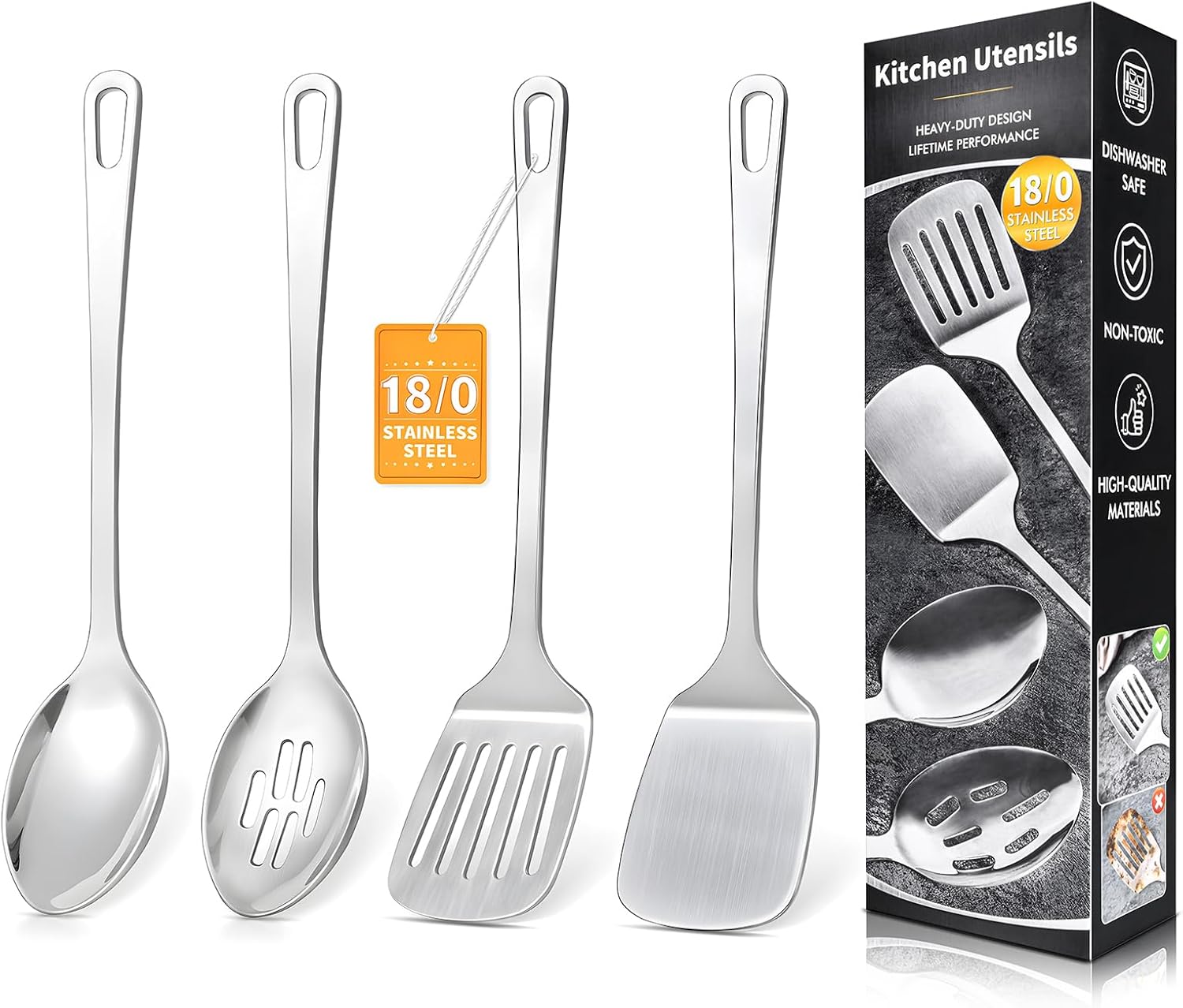
Buying a coordinated set of utensils provides immediate versatility for handling diverse cooking tasks in the busy kitchen. Collections featuring slotted turners, solid spatulas, serving spoons, and fish turners ensure you have the right instrument for every recipe you attempt. Multi-piece sets eliminate the need to purchase individual cooking tools separately over time.
Assess whether a multi-piece set aligns with your actual cooking habits or if you only require specific specialized items for your meals. Specialty sets tailored for flat tops and griddles focus heavily on various spatula widths and edges. Balancing your kitchen inventory prevents unnecessary clutter while ensuring you are fully equipped for daily meal preparation.
Storage and Kitchen Organization
Keeping your kitchen tools organized improves cooking efficiency and protects them from unnecessary damage during storage in drawers or cabinets. Many modern utensils feature built-in hanging holes at the top of their handles for convenient vertical storage on wall racks. This keeps your most frequently used cooking tools within easy arm reach during meal preparation.
Consider your available kitchen space when selecting large cookware sets or lengthy utensils that require dedicated drawer space. Compact sets and hanging options maximize your layout efficiency. Proper storage habits extend the lifespan of your kitchen tools by preventing accidental bending or scratching while they are tucked away between daily meal routines.
Frequently asked questions
Can I use metal spatulas on cast iron cookware without causing damage?
Yes, metal spatulas work exceptionally well on cast iron cookware because cast iron features a tough surface that withstands rigid steel edges. Using metal turners with beveled edges helps scrape up fond and maintain seasoning over time. However, you should avoid using metal tools on delicate nonstick pans unless stated otherwise. For cast iron skillets and griddles, sturdy stainless steel scrapers provide the necessary rigidity to press burgers and lift seared meats without bending under pressure.
Are wooden utensils safe to use with high-heat cooking and cast iron pans?
Wooden utensils are generally safe for high-heat cooking and provide a protective option that prevents scratches on sensitive pan coatings. Natural teak wood tools handle daily flipping and stirring tasks efficiently. However, wood cannot withstand direct, prolonged contact with open flames or extreme stovetop temperatures, which can cause scorching. Unlike metal, wood also requires careful hand washing rather than dishwasher cleaning to preserve its natural finish. When used correctly, wooden turners offer long-lasting utility in home kitchens.
How do I clean and maintain stainless steel kitchen utensil sets?
Cleaning stainless steel kitchen utensils is straightforward because the corrosion-resistant metal resists food residue and staining during normal cooking use. Most stainless steel utensil sets are completely dishwasher safe, allowing you to rinse and run them through automatic cycles without manual scrubbing. If you prefer hand washing, warm water and mild soap will quickly restore their shiny appearance. To maintain handles featuring heat-resistant silicone, simply wipe them clean and ensure they are thoroughly dried before storage.
What is the advantage of buying a complete cast iron cookware set?
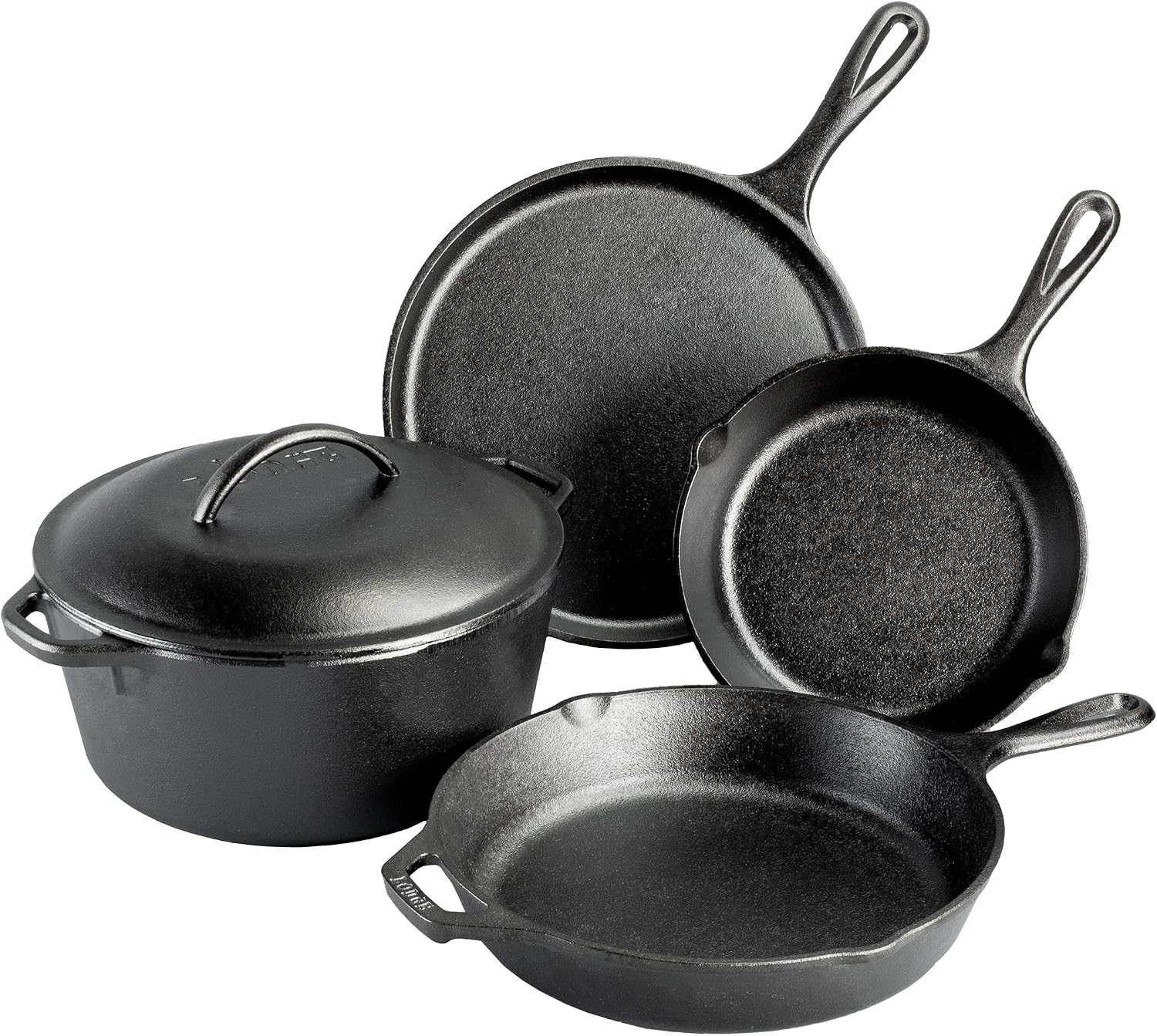
Purchasing a complete cast iron cookware set provides an immediate collection of versatile pieces designed to handle various cooking methods, from frying eggs in small skillets to baking stews inside a large Dutch oven. A cohesive set ensures uniform heat distribution across all items, helping to eliminate hot spots during meal preparation. These pre-seasoned sets are ready for immediate indoor stovetop use, outdoor grilling, or campfire cooking. The primary trade-off involves managing the heavier weight of cast iron.
Why are beveled edges important on kitchen spatulas?
Beveled edges significantly improve spatula performance by providing a thin, tapered front profile that glides effortlessly underneath delicate foods. Traditional blunt edges often struggle or push food around, leading to torn pancakes, broken fried eggs, or stuck fish fillets. A thin beveled edge slides cleanly beneath seared items, making it much easier to flip burgers and pancakes without ruining their original shape. Whether crafted from stainless steel or teak wood, a precision beveled front edge enhances control during cooking.