Appliances · Buying Guide
Best Cheese Grater For Bondo: Choosing The Right Surform Shaver Tool
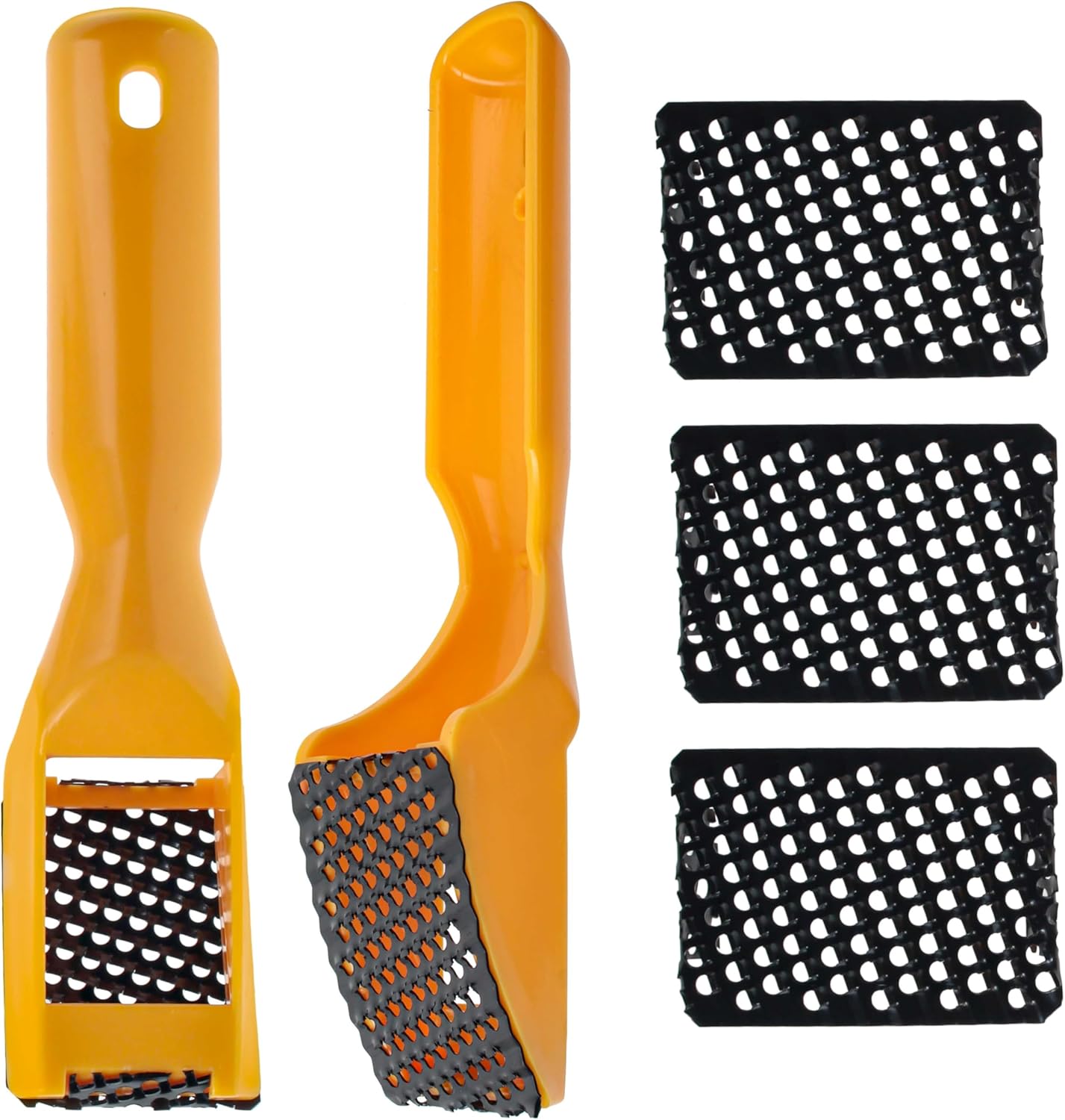
When shaping auto body filler, wood, or drywall, manual rasp tools frequently called cheese grater files provide reliable and precise material removal for various trades. These hand-powered surface tools feature open-port steel blades embedded with tiny teeth that act like miniature rasps to shear away excess material smoothly and quickly during heavy shaping tasks.
Selecting the correct surform blade holder or replacement pack depends entirely on your specific project layout, whether you require broad flat surfaces, half-round contours, or compact holders designed for tight spaces. Understanding how these manual shaving instruments operate ensures you achieve a clean finish across demanding automotive, woodworking, and construction substrates.
As an Amazon Associate, StacyLaughs earns from qualifying purchases.
Buying guide
Selecting Blade Profiles For Your Specific Project
Choosing the correct blade profile is vital when working with body filler, wood, drywall, or plastics. Flat blades create uniform planes across broad surfaces, ensuring even material reduction without creating unwanted dips or uneven ridges. Selecting a flat configuration keeps your panel layout straight during initial rough shaping phases and supports efficient smoothing across large areas.
On the other hand, half-round convex blades excel at shaping complex contours, gentle curves, and hollowed-out radiuses. Matching your blade geometry directly to the project layout prevents surface gouging, protects delicate substrate layers, and reduces subsequent sanding time significantly before applying final coats of paint or primer. Evaluating your specific surface requirements dictates whether flat or curved options are appropriate.
Understanding Blade Length And Coverage
Blade length directly influences how quickly you can level large expanses of material. Ten-inch blades cover substantial ground rapidly, making them ideal for expansive automotive body panels, wide drywall seams, or large woodworking tabletops where overall consistency matters greatly. Longer cutting edges distribute manual pressure evenly across the workpiece during heavy shaping sessions.
Shorter blades, like compact two and a half inch variants, sacrifice broad coverage for superior maneuverability. They allow you to target restricted zones, tight corners, and detailed indentations where larger rasps cannot operate safely or effectively. Balancing your workspace dimensions with appropriate tool sizing ensures efficient material removal without experiencing hand fatigue during delicate tasks.
Material Construction And Blade Durability
The durability of surform blades depends heavily on their underlying metal construction. Alloy steel and bi-metal configurations offer enhanced tensile strength, preventing warping or bending when applying heavy pressure during vigorous smoothing strokes on tough surfaces. Stronger metals maintain structural integrity under demanding manual loads without suffering permanent distortion during aggressive material reduction tasks in professional automotive shops.
Open-port rasp-cut designs feature tiny teeth that resist clogging by allowing shaved particles to pass through the blade framework cleanly. Choosing high-strength materials ensures your cutting edges remain sharp and functional across multiple rigorous workshop projects involving auto body filler, wood, vinyl, plaster, or fiberglass substrates over extended periods of heavy use.
Evaluating Handle Ergonomics And Adjustability
Handle design dictates user comfort and control during extended shaping sessions in the workshop. Adjustable handles offering multiple positions allow you to transition seamlessly between file and plane configurations based on specific project requirements and workspace angles. A secure grip prevents slipping when applying heavy force to stubborn body filler or dense wood materials.
Fixed handles provide a solid grip but lack repositioning flexibility for different cutting orientations. Selecting the right handle style reduces hand strain and improves your ability to guide the blade accurately across awkward surfaces without losing control. Proper ergonomics make a notable difference during lengthy automotive body restoration or custom woodworking projects.
Multi-Material Versatility And Applications
While frequently associated with bondo and auto body filler, surform blades serve multiple industries with exceptional ease and reliability. Their open-port rasp-cut teeth handle wood, vinyl, plaster, drywall, fiberglass, plastics, aluminum, and soft metals effectively during rough shaping tasks. This multi-material capability makes them truly indispensable across professional automotive repair shops and general construction trades.
Having a versatile tool capable of transitioning smoothly between different substrates simplifies your overall workshop toolkit considerably. Assessing what materials you shape most often ensures you select replacement blades tailored to your specific trade or hobby without purchasing redundant equipment. Proper material matching optimizes cutting performance and extends overall tool lifespan significantly across diverse daily projects.
Safety And Maintenance Best Practices
Maintaining surform blades requires keeping teeth clean of built-up filler and debris to preserve cutting efficiency over extended operational periods. Storing blades properly prevents accidental edge dulling or bodily injury when reaching into crowded toolboxes or supply drawers. Regular cleaning stops material hardening between the open-port teeth during active shaping projects in your workshop.
Because these miniature rasps feature hundreds of exceptionally sharp metal teeth, manual handling demands extreme caution at all times in the shop environment. Following manufacturer guidelines for tool maintenance ensures long-term performance and safe operation during every single workshop session, protecting both the user and the workpiece from accidental gouging or surface damage.
Frequently asked questions
What is a cheese grater tool used for in auto body repair?
In auto body repair, a cheese grater tool—technically known as a surform shaver or rasp—is primarily used to shave down excess bondo and body filler before it fully cures or hardens. These hand-powered tools feature open-port steel blades with tiny, chisel-like teeth that act as miniature rasps. When moved back and forth across a patched panel, the teeth shear away high spots and shape contours rapidly. This manual method allows technicians to level body filler much faster than traditional sandpaper alone, saving significant time during the rough shaping phase of automotive restoration work.
Can surform blades be used on materials other than auto body filler?
Yes, surform blades are remarkably versatile tools used across numerous industries beyond auto body repair. Their open-port rasp-cut steel teeth are ideal for forming, smoothing, and shaping a wide variety of materials including wood, vinyl, plaster, drywall, fiberglass, plastics, laminates, aluminum, and various soft metals. Whether you are trimming drywall edges, shaping wood furniture, or smoothing fiberglass boat hulls, these miniature rasp blades remove excess material efficiently. However, users must match the blade profile—whether flat or half-round—to the specific substrate geometry for optimal results.
What is the difference between flat and half-round surform blades?
The primary difference lies in their surface geometry and intended application scope. Flat surform blades feature a straight, level profile designed to create uniform planes across broad, flat surfaces such as large body filler panels or drywall sheets. In contrast, half-round convex blades feature a curved contour specifically engineered for shaping hollowed-out radiuses, gentle curves, and intricate contours on molded items like fiberglass or wood furniture. Selecting the correct profile ensures smooth material reduction without creating unwanted gouges or uneven ridges on your workpiece.
Do surform shaver blades require a special handle holder?
While many replacement surform blades are designed to be mounted inside a dedicated file holder or adjustable handle tool, they can technically be used directly with your hands if handled with extreme caution. However, utilizing a proper handle mechanism—such as an adjustable three-position holder or a compact grip—provides better leverage, improves user comfort, and protects your fingers from the hundreds of sharp, open-port teeth. Holders also allow you to easily execute push or pull strokes by simply reversing the blade orientation within the tool body.
How do you maintain and clean a surform shaver blade?
Maintaining a surform shaver blade requires keeping the open-port teeth clear of built-up filler, wood shavings, and debris to preserve cutting efficiency. After completing a shaping task, gently brush away accumulated material from the teeth to prevent hardening. Storing blades properly in a dry environment protects the sharpened, machine-chiseled cutting edges from dulling or accidental damage. Always follow manufacturer maintenance and cleaning guidelines to ensure safe operation and long-term performance during every workshop project you undertake.