Appliances · Buying Guide
Best cheese grater with container options for tidy kitchen prep
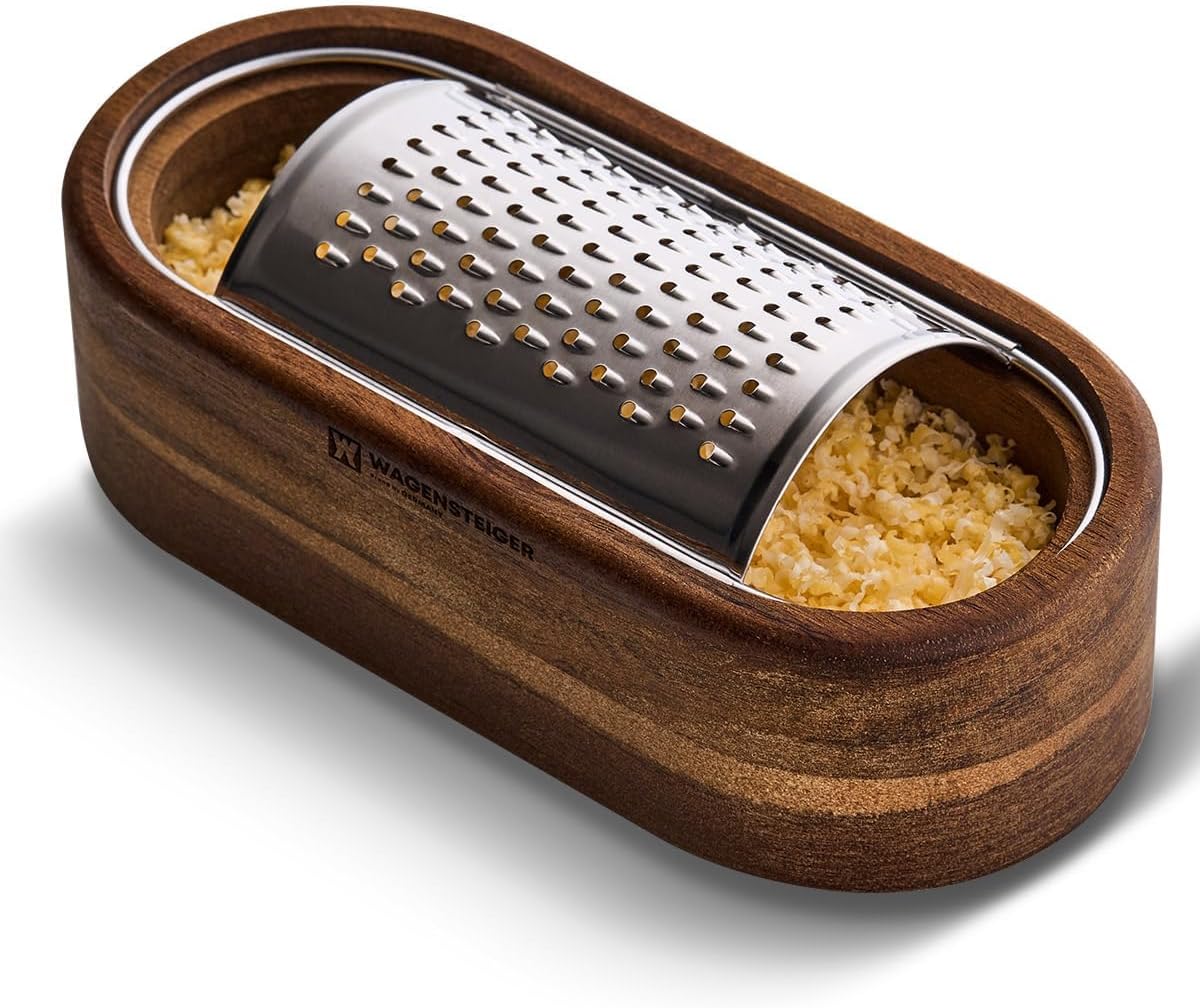
Finding the right kitchen tool for daily meal preparation can significantly reduce countertop mess. A cheese grater with container integration catches shreds directly beneath the blades, saving you from washing extra bowls or chasing stray flakes across your workspace. These designs combine standard grating surfaces with a fitted base or catch-box, streamlining recipes that call for freshly shredded cheese, zested citrus, or sliced vegetables.
Whether you prefer a compact two-way model for quick tasks or a heavy-duty four-sided box grater for larger batches, options vary widely by materials and capacity. Selecting a unit depends on how much food you typically prep and whether you want features like measurement markings or presentation-ready wooden bases. Examining individual builds helps you match a tool to your everyday cooking habits.
As an Amazon Associate, StacyLaughs earns from qualifying purchases.
Buying guide
Blade Material and Construction
Choosing the right blade material ensures your kitchen tool maintains a sharp cutting edge over years of frequent use. Stainless steel, particularly 304 grade, resists rust and handles hard cheeses or dense root vegetables without bending. Look for robust construction that keeps the grating panels rigid during firm downward pressure.
Avoid flimsy metals that warp easily or lose their cutting efficiency after minimal exposure to acidic foods like citrus. Solid construction also prevents the frame from wobbling during vigorous tasks, keeping your fingers safe and ensuring uniform shreds every single time you prep ingredients.
Container Capacity and Design
The attached container plays a major role in keeping countertops clean by catching shreds directly beneath the blades. Consider how much food you typically prepare for a standard meal. Smaller two-cup models work wonderfully for quick garnishes, while larger three-cup options accommodate family-sized recipes effortlessly.
Transparent walls or exterior measurement markings let you monitor quantity at a glance without pausing your workflow. Some containers even include sealing lids, allowing you to pop leftover grated cheese straight into the refrigerator or freezer without dirtying extra storage bags or plastic containers.
Grating Surface Variety
Box graters typically offer multiple functional sides featuring coarse, medium, fine, and slicing patterns. A diverse selection lets you switch textures seamlessly depending on whether you are melting cheddar, zesting lemons, or slicing cucumbers for a fresh salad. Multi-surface tools eliminate the need for storing several separate kitchen utensils.
Evaluate your daily cooking habits to determine how many grating patterns you genuinely require. If you primarily shred cheddar for tacos, a simple two-way design might suffice. Bakers and enthusiastic home cooks, however, benefit greatly from having four distinct surfaces readily available.
Stability and Grip Features
Safety and control depend heavily on how securely the tool anchors to your countertop during use. Non-slip silicone or rubber bases prevent the grater from sliding around while you apply downward force. This stability minimizes accidental slips and makes processing stubborn root vegetables much more manageable.
Ergonomic top handles also contribute significantly to overall comfort, especially during extended meal prep sessions. A well-designed handle provides a firm, comfortable grip that reduces hand fatigue, allowing you to maintain steady control as ingredients move across the stainless steel cutting panels.
Storage and Form Factor
Kitchen cabinet space is often at a premium, making the physical footprint of your tool an important purchasing consideration. Traditional box graters take up more vertical and horizontal room, while compact models or units with nesting containers tuck neatly away inside crowded drawers or small shelves.
Measure your available storage space before selecting a larger multi-surface model. If you lack cabinet clearance, choosing a low-profile grater ensures it remains accessible without cluttering your countertops or making it difficult to close your kitchen drawers after cooking.
Cleaning and Maintenance Needs
Food residue can easily cling to sharp metal blades and tight corners, making effortless cleanup a high priority. Dishwasher-safe models save valuable time, letting you run stainless steel grater panels and plastic catch-containers through regular wash cycles without damaging their structural integrity or finish.
Certain materials, such as natural wood containers, require hand washing and occasional conditioning to preserve their finish. Always review manufacturer guidelines regarding maintenance to ensure your chosen tool remains hygienic, rust-free, and visually appealing throughout years of regular culinary use.
Frequently asked questions
Can I use a cheese grater with container for foods other than cheese?
Absolutely, these tools are highly versatile and work wonderfully for a wide range of ingredients beyond cheese. You can easily shred hard root vegetables like carrots and potatoes, slice cucumbers for salads, grate chocolate for baking decorations, or zest citrus fruits like lemons and limes. The attached container catches all the debris instantly, keeping your workspace remarkably tidy regardless of whether you are preparing savory dinner ingredients or sweet dessert toppings. Always match the grating surface to the texture of the specific food you are processing.
How do I prevent food from getting stuck inside the grater blades?
Food particles often get trapped when grating soft items or when applying too much uneven pressure against the metal panels. To minimize buildup, ensure your cheese is well-chilled before grating, as warm cheese tends to smear and cling to the blades. For vegetables, apply light, steady strokes rather than forcing items down aggressively. Rinsing the grater immediately under warm running water right after use also prevents food from drying onto the stainless steel cutting edges, making your post-cooking cleanup much faster and more efficient.
Are these grater containers safe to store in the refrigerator?
Many containers included with box graters are designed to double as storage vessels, and several models come equipped with dedicated lids for this exact purpose. If your specific unit features a dishwasher-safe plastic or lidded container, you can typically store freshly grated cheese or vegetables directly in the refrigerator for later use. However, you should always check the manufacturer specifications to confirm whether your particular container is rated for food storage or freezing before leaving perishable items inside it for extended periods.
What is the difference between a two-way and a four-sided grater?
A two-way grater typically features a more compact, streamlined build with two specific grating textures, such as fine and medium, paired directly with a small catch-container. These models excel at quick, everyday tasks and save valuable storage space. In contrast, a four-sided box grater provides coarse, medium, fine, and slicing surfaces on separate panels. This multi-surface design offers greater versatility for complex recipes, though the larger physical footprint requires more room in your kitchen cabinets or drawers.
How should I clean a wooden container attached to a grater?
Wooden containers require gentler care than stainless steel or plastic components to prevent warping or cracking over time. You should always hand wash the wooden base using mild dish soap and warm water, then dry it thoroughly with a towel immediately afterward. Avoid soaking wood components in water or running them through a dishwasher. Periodically applying a food-safe mineral oil can also help preserve the natural wood grain, keeping the container looking elegant and preventing it from drying out through regular use.