Appliances · Buying Guide
Best Cooking Oil Dispenser Options for Clean Pouring and Spraying
Selecting the right tool for managing kitchen oils transforms how you handle everyday cooking tasks like roasting, grilling, and dressing salads. Dispensing bottles and sprayers help control how much oil reaches your pans, griddles, or baking sheets, reducing excess usage while supporting your favorite recipes without complicating your daily routine. Finding a reliable container ensures your workspace stays organized during meal prep.
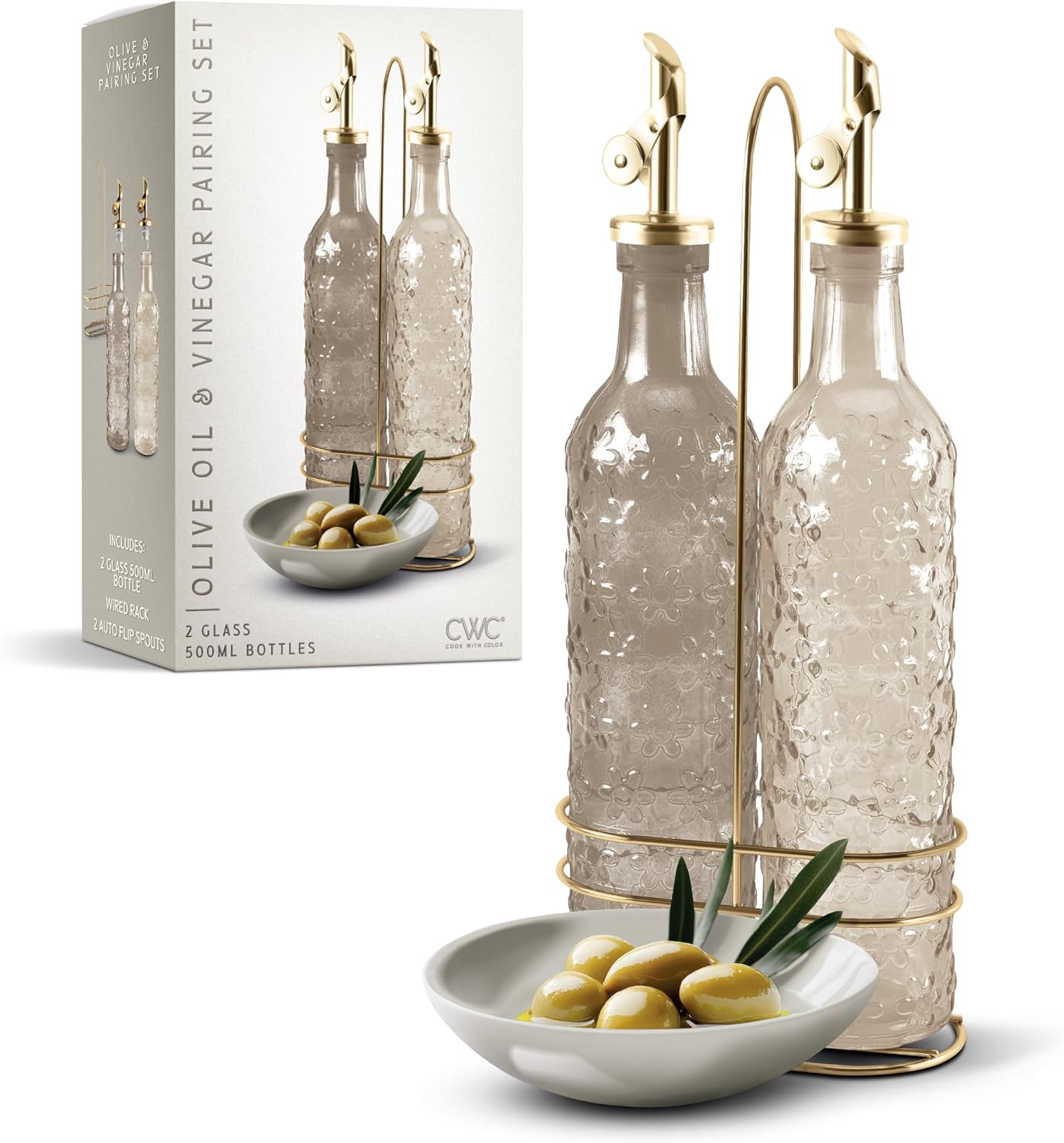
Different kitchen designs offer varied dispensing mechanisms, ranging from dual spray and pour setups to classic glass cruets equipped with automated flip spouts. Matching the physical build and capacity to your preferred cooking style ensures you maintain an efficient, organized counter space while preparing homemade meals for family and guests. Reviewing specific material traits helps narrow down the ideal choice.
As an Amazon Associate, StacyLaughs earns from qualifying purchases.
Buying guide
Material Selection and Build Quality
Choosing between glass and metal dispensers involves balancing visual monitoring with physical durability. Transparent glass containers let you monitor remaining liquid levels instantly, helping you see when a refill is necessary without opening the cap or guessing. Borosilicate and standard glass options provide a clean, food-safe surface that does not absorb flavors or odors from flavored vinegars and oils.
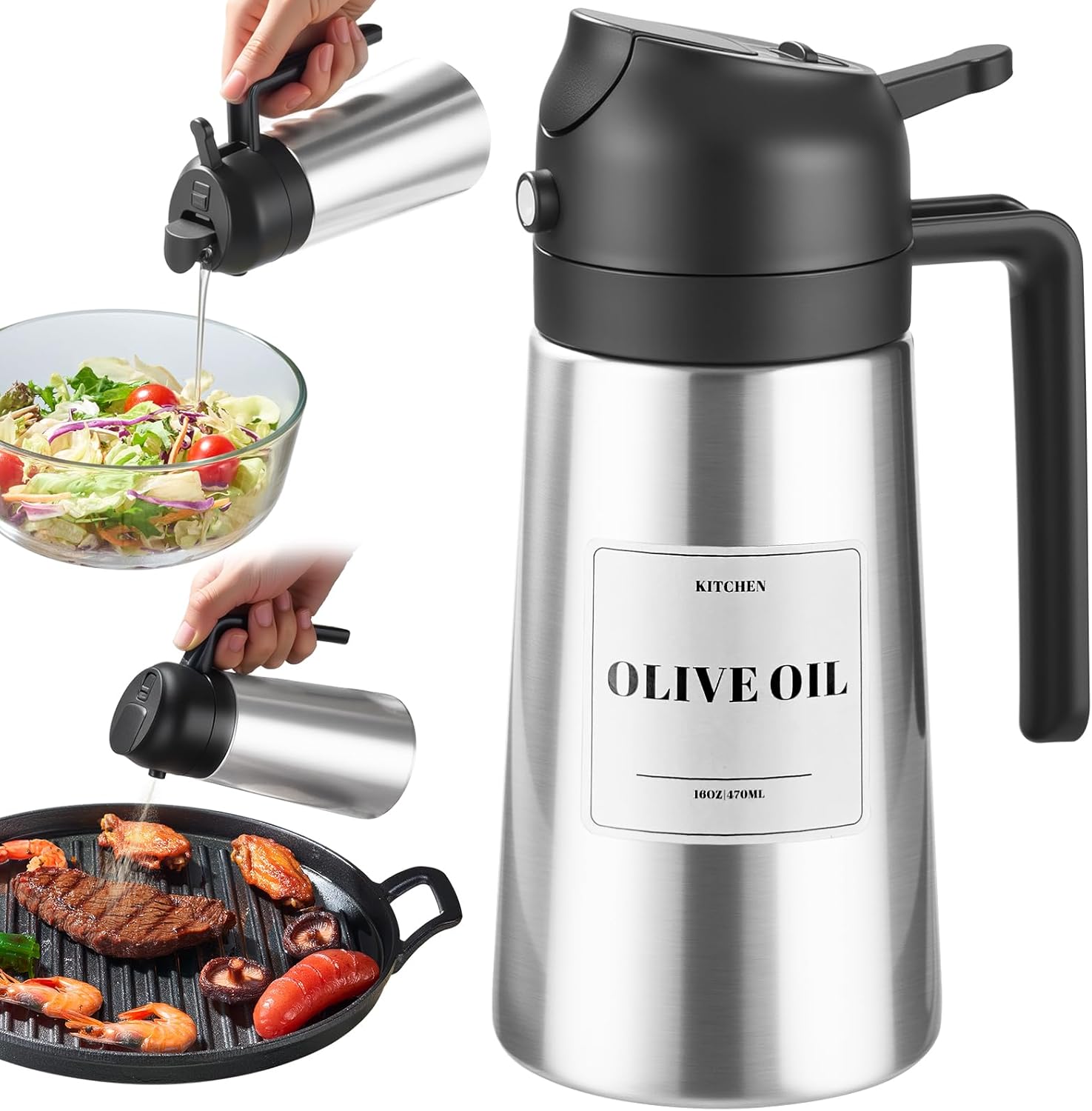
Stainless steel models introduce shatter-resistant exteriors and light-blocking properties that protect sensitive cooking oils from ultraviolet degradation and oxidation. Some metal containers feature ceramic inner coatings to prevent stubborn residue buildup. Evaluating where you store your bottles helps determine whether transparent visibility or enhanced drop resistance matters most for your daily kitchen setup.
Spray Mechanisms Versus Pouring Spouts
The method you use to apply oil changes how evenly ingredients coat your pans and baking dishes. Spray mechanisms produce a fine mist or fan pattern, which helps distribute small amounts of oil across air fryer baskets, griddles, and salad greens. Dual-function models let you switch between spraying and pouring within the same device.
Classic pouring spouts and auto-flip designs suit recipes requiring steady streams or quick drizzles of olive oil and vinegar. Selecting a mechanism depends entirely on whether your cooking relies on light misting or traditional pouring. Consider your favorite recipes to decide which output style fits your daily preparation habits.
Capacity Choices and Refill Frequency
Container capacity dictates how often you will need to pause your cooking to refill the bottle. Smaller containers holding around 200 milliliters offer lightweight handling and compact profiles, making them ideal for quick tasks or limited counter spaces. However, they require more frequent replenishment if you cook large family meals daily.
Larger options holding 16 ounces or more reduce the frequency of refills, keeping your cooking process smooth and uninterrupted. Keep in mind that larger capacities often correspond to wider bases or heavier filled weights. Matching the container volume to your household cooking frequency ensures a balanced balance of convenience.
Maintenance Needs and Cleaning Requirements
Keeping oil dispensers clean prevents nozzle clogging and maintains smooth mechanical performance over time. Many glass sprayers and specialized trigger models require hand washing with warm water and mild detergent. Manufacturer instructions often prohibit placing spray lids in the dishwasher to protect delicate internal seals and pumping components.
Some glass cruet bottles feature dishwasher-safe designs that simplify cleanup after heavy cooking sessions. Reviewing the care guidelines for each model ensures you select a maintenance routine that matches your household preferences. Regular cleaning of suction tubes and nozzles preserves consistent spray patterns across everyday cooking.
Countertop Footprint and Storage Considerations
Available kitchen space plays a significant role in determining the best bottle shape for your counters. Compact, vertical designs fit neatly next to stove tops or inside storage cabinets without crowding other appliances. Models featuring wide bases or paired two-pack wire racks demand more horizontal room during storage.
Evaluating your shelf clearance and cabinet dimensions helps prevent storage frustrations after purchase. Non-slip pads or textured glass exteriors also influence how securely a bottle rests on smooth surfaces. Choosing a profile that aligns with your kitchen layout keeps your cooking space tidy and accessible.
Grip Security and Ergonomic Handle Design
Cooking with oily hands makes comfortable handles and textured surfaces important safety features. Ergonomic triggers and rear-facing handles provide leverage, allowing you to spray or pour without straining your wrist. Textured glass walls and molded grips further enhance hold security while working around active kitchen stations.
Handles designed for natural finger placement reduce hand fatigue during extended baking or grilling tasks. Assessing how comfortably a bottle rests in your palm helps ensure confident handling during busy meal preparation. Prioritizing grip comfort prevents slips and keeps your cooking workflow steady.
Frequently asked questions
Can I use thick oils like extra virgin olive oil in these sprayers?
Many oil sprayers accommodate standard cooking oils, but thicker liquids can occasionally impact fine misting performance. Checking manufacturer guidelines helps determine compatibility with specific oils, avocado oil, or vinegars. Regular cleaning of internal filters and nozzles also helps maintain steady output when working with viscous cooking liquids during meal preparation.
How do I clean the internal tubes and nozzles properly?
Manufacturer instructions typically recommend hand washing bottles with warm water and mild detergent. You should regularly clean suction tubes and spray nozzles to prevent clogs from accumulating over time. Avoid placing spray mechanisms or lids in the dishwasher unless explicitly approved by the manufacturer to protect internal seals.
What is the difference between a trigger handle and a push-top pump?
Trigger handles offer an ergonomic grip that lets you squeeze with your entire hand, providing leverage for continuous fan-style spraying. Push-top pumps rely on vertical thumb pressure to release measured bursts of oil with each press. Your choice depends on personal comfort and whether you prefer trigger control or pump-style operation.
Do glass dispensers require special care compared to stainless steel models?
Glass dispensers offer transparent walls for monitoring oil levels, but they require careful handling to avoid accidental drops on hard countertops. Stainless steel models provide shatter-resistant durability and block light to protect oils from oxidation. Both material types benefit from regular hand washing and adherence to specific care instructions.
Can these bottles handle liquids other than cooking oil?
Many dispensing bottles and sprayers accommodate a variety of cooking liquids, including vinegars, soy sauce, water, and culinary wines. Reviewing specific product features ensures the chosen container supports your preferred seasoning liquids. Thoroughly rinsing the bottle between different liquids prevents cross-contamination of flavors during cooking.