Appliances · Buying Guide
Best Crate and Barrel Kitchen Utensils for Every Home Cook
Upgrading your kitchen tools transforms how you prepare daily meals. Whether you are searing vegetables, flipping pancakes, or stirring thick soups, having the right instruments makes food preparation much smoother. Matching your cookware to reliable utensils protects your pots and pans while providing dependable service across breakfast, lunch, and dinner.
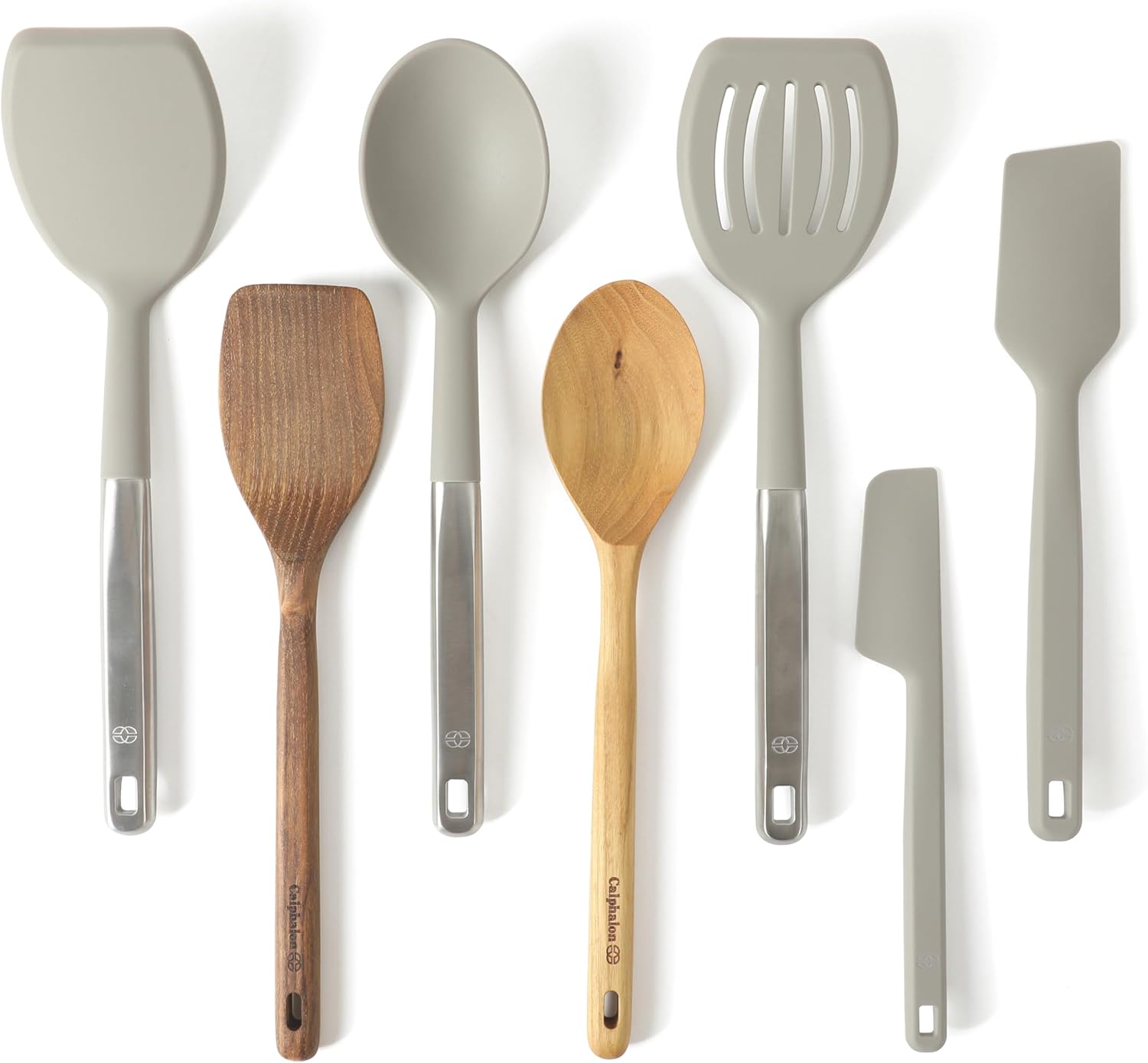
Selecting sturdy kitchen tool sets requires looking at materials, piece counts, and heat tolerances. From seamless silicone designs to classic wooden spoons and polished stainless steel, various options suit different countertop aesthetics. Exploring these collections helps you find dependable equipment that fits your cooking habits without unnecessary complications.
As an Amazon Associate, StacyLaughs earns from qualifying purchases.
Buying guide
Material Selection and Cookware Compatibility
Choosing the right kitchen utensils starts with evaluating your primary cookware materials. If your kitchen relies heavily on nonstick, ceramic, or enameled pots and pans, selecting soft silicone or natural wood options helps prevent surface scratches. Metal tools offer exceptional durability for stainless steel or cast iron cookware but demand careful handling on delicate coatings.
Matching your tool material to your daily cooking style ensures long-term performance. Silicone resists high heat and cleans easily in the dishwasher, while wood provides a traditional grip and natural antimicrobial properties. Stainless steel delivers a sleek aesthetic but requires prompt drying to prevent water spots. Assessing these factors guides you toward a balanced kitchen tool collection.
Piece Count and Essential Tool Variety
Kitchen utensil sets range from compact five-piece assortments to comprehensive twelve-piece collections. Smaller sets cover basic stirring and turning needs without cluttering limited drawer space. Larger collections introduce specialized items like pasta forks, skimmers, mashers, and mini spatulas, which prove helpful if you frequently prepare complex recipes, bake breads, or cook for large family gatherings.
Consider your typical cooking routines before deciding on a specific set size. If you mainly boil pasta and sauté vegetables, a minimal five-piece tool selection provides adequate functionality. Bakers and multi-dish cooks benefit from expanded kits that include specialized spreaders and scrapers. Selecting the correct quantity prevents duplicate purchases while keeping your countertop organized.
Heat Resistance Ratings and Safety Limits
High heat tolerance is crucial when working with hot stovetop burners, boiling liquids, and sizzling pans. Many silicone and wooden utensils withstand temperatures between 425 and 450 degrees Fahrenheit, preventing melting or warping during heavy cooking sessions. Stainless steel options handle direct heat effortlessly without degrading, making them suitable for high-temperature searing and deep-pot stirring tasks.
Always review manufacturer temperature limits to avoid damaging flexible silicone heads or scorching natural wood handles. Leaving a utensil resting on a hot pan edge can exceed safe operating limits, leading to localized melting or discoloration. Understanding these thermal boundaries ensures your kitchen accessories maintain their structural integrity and appearance over years of daily meal preparation.
Handle Ergonomics and Grip Comfort
Comfortable handles reduce hand fatigue during long cooking sessions and complex recipe preparation. Ergonomic hollow metal handles offer a balanced, lightweight grip, while wooden handles provide a warm, traditional tactile feel. Silicone-coated or molded one-piece grips prevent slipping, even when your hands are wet or greasy from handling cooking oils and ingredients during busy meal prep.
Evaluating handle shape and weight distribution helps you maintain precise control over heavy batters or thick stews. A secure, well-balanced grip prevents accidental slips and improves overall confidence at the stovetop. Testing or reviewing handle specifications ensures your chosen utensils feel natural in your hand, supporting efficient movement throughout everyday culinary tasks.
Cleaning Routines and Maintenance Requirements
Proper maintenance extends the lifespan of your kitchen utensils and preserves their visual appeal. Many silicone and stainless steel tools are dishwasher safe, offering convenient cleanup after busy weeknight dinners. However, stainless steel often requires immediate drying to prevent water spots, while natural wood items demand regular hand washing to avoid cracking or splintering over time.
Understanding the specific care needs of wood, silicone, and metal prevents accidental damage during routine cleaning. Applying food-grade mineral oil to wooden handles maintains their moisture resistance and rich grain appearance. Adhering to manufacturer cleaning instructions ensures your utensil set remains hygienic, functional, and attractive through years of regular kitchen use.
Storage Solutions and Countertop Aesthetics
Keeping your kitchen tools organized enhances both workflow efficiency and countertop aesthetics. Many utensil sets feature built-in hanging holes for wall racks, while others include matching wooden holders or fit neatly into standard drawer organizers. Selecting a collection that aligns with your storage space prevents clutter and keeps frequently used items within arm reach during cooking.
The visual design of your utensils contributes to the overall decor of your kitchen space. Sleek polished stainless steel brings a modern touch, whereas warm teak and acacia wood add natural texture. Matching your tool aesthetics to your kitchen theme creates a cohesive environment that looks inviting whether stored openly on the counter or tucked away inside cabinets.
Frequently asked questions
Can I use metal utensils on nonstick cookware?
Using metal utensils on nonstick cookware is generally discouraged because the rigid edges can scratch and ruin delicate nonstick coatings over time. If your kitchen features nonstick, ceramic, or enameled pots and pans, opting for soft silicone or natural wood utensils is a safer choice. These flexible or smooth materials protect your cookware surfaces while allowing you to stir, flip, and scrape effectively without causing permanent abrasions or coating degradation during daily meal preparation routines.
Are silicone kitchen utensils safe for high-heat cooking?
Most high-quality food-grade silicone utensils are heat resistant up to 425 or 450 degrees Fahrenheit, making them suitable for standard stovetop cooking, baking, and serving tasks. However, you should avoid leaving silicone tools resting directly on scorching pan edges or inside open flames, as excessive local temperatures can cause melting or discoloration. Always check specific manufacturer ratings before using any silicone accessory for high-heat frying or deep-pot boiling operations.
How do I properly maintain natural wood utensils?
Natural wood utensils require hand washing with warm soapy water and immediate air drying rather than automated dishwasher cycles, which can warp or split the wood. Applying food-grade mineral oil periodically helps preserve the natural moisture resistance and rich grain appearance of teak or acacia wood tools. Avoiding prolonged soaking in water prevents swelling and structural degradation, ensuring your wooden spoons and spatulas remain durable and attractive for years of kitchen use.
What are the benefits of seamless one-piece silicone utensils?
Seamless one-piece silicone utensils are molded as a single unit without joins, glue, or crevices where food particles and moisture can become trapped. This design significantly improves hygiene and makes cleaning effortless, as no hidden residue builds up over time. Additionally, the lack of separate joints prevents heads from detaching during heavy mixing tasks, offering reliable durability and peace of mind when preparing thick batters, doughs, and everyday family meals.
Do stainless steel utensils require special cleaning care?
Stainless steel utensils are typically dishwasher safe and feature durable, non-reactive surfaces that resist rust and staining. To maintain their polished appearance, you should rinse and dry them immediately after washing to prevent water spots from forming on the metal finish. Avoid using abrasive steel wool or harsh chlorine-based cleaners, which can scratch or dull the reflective surface over time, ensuring your metal tools stay bright and shiny through frequent use.