Appliances · Buying Guide
Best Decorative Olive Oil Dispenser Choices for Countertop Style
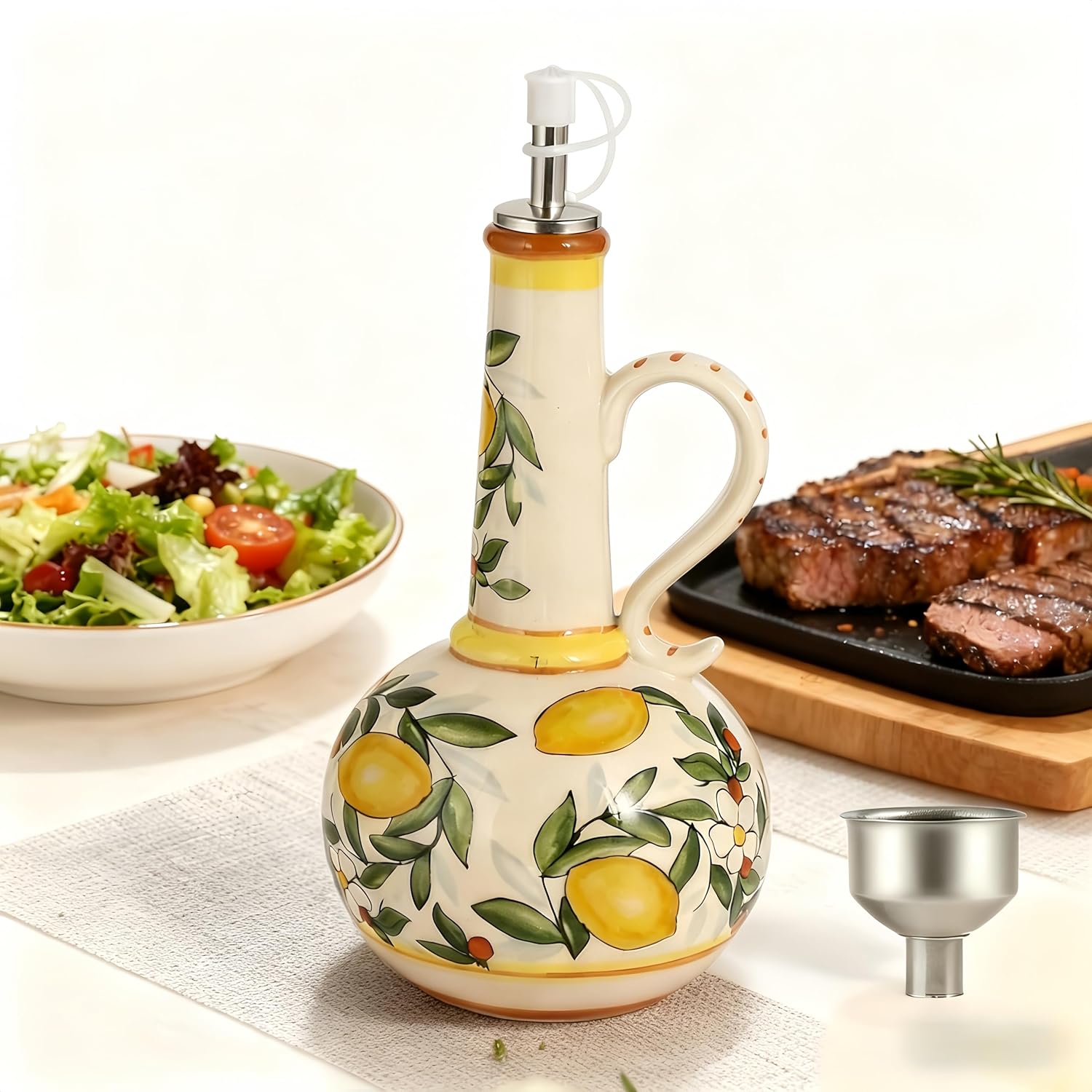
Selecting a decorative olive oil dispenser adds everyday functional utility and distinct visual charm directly to your kitchen counter or dining table setup. These countertop containers help keep cooking oils readily accessible while seamlessly complementing specific interior themes like rustic, farmhouse, or modern boho aesthetics without cluttering your workspace or sacrificing convenience.
Evaluating available options involves looking closely at durable materials like thick ceramic or lead-free glass, alongside features such as stainless steel pour spouts, convenient handles, and stable structural shapes. Understanding how each container's physical design matches your daily cooking habits, storage space, and overall table presentation ensures a practical, long-lasting addition to your home kitchen.
As an Amazon Associate, StacyLaughs earns from qualifying purchases.
Buying guide
Material Selection and Light Protection
Choosing between ceramic and glass dispensers depends largely on your aesthetic preferences and how much light protection you require for your cooking oils. Opaque ceramic models block ultraviolet rays completely, preventing light-induced rancidity. Glass options, conversely, offer transparency so you can monitor remaining oil levels at a glance without lifting the vessel or guessing contents.
Both materials provide durable surfaces for daily kitchen tasks when glazed or treated properly. Ceramic options often feature decorative hand-painted patterns and textured reliefs, whereas glass carafes highlight clean lines and visible liquid tones. Consider your kitchen decor and whether you prefer hiding or displaying the oil inside.
Understanding Spout Mechanisms and Drip Control
The pour spout dictates how smoothly oil flows onto your pans, salads, or serving plates. Stainless steel spouts with attached flap caps help keep dust out while delivering a controlled stream. Some modern ceramic models utilize gravity-based spouts that tilt open automatically when inverted, sealing shut when returned to the upright position.
Evaluating these mechanisms involves checking how securely the spout fits into the bottle neck. A snug connection prevents wobbling and leaks during rapid pouring. While detachable spouts make cleaning easier, they may require periodic twisting or hand washing to maintain proper alignment and seal integrity over extended periods of use.
Evaluating Capacity and Refill Frequency
Dispenser capacity ranges from seventeen ounces up to twenty-three fluid ounces or more. Selecting the right size depends on how quickly your household consumes oil and how often you wish to refill the container. Larger capacities reduce the number of trips back to your bulk oil container, saving time during busy cooking sessions.
Conversely, smaller bottles take up less physical space on crowded counters and fit easily into tight storage areas. If you use specialized flavored oils in smaller amounts, a compact cruet prevents product staleness. Match the volume directly to your typical cooking frequency to balance convenience and freshness.
Countertop Footprint and Cabinet Clearance
Physical dimensions dictate where your dispenser can live when it is not actively in use on the dining table. Taller models exceeding eleven inches require careful measurement of upper cabinet clearance if you store them on lower counters beneath shelving. Base widths also influence stability, with wider bottoms reducing accidental tipping risks.
Slender cylindrical designs occupy minimal surface area, making them ideal for compact kitchens with limited counter space. However, very narrow profiles may have reduced capacities or require more cautious handling. Assess your available kitchen real estate before committing to a wide stoneware body or a tall glass carafe.
Cleaning and Maintenance Requirements
Proper maintenance keeps your oil dispenser hygienic and prevents buildup around the pour neck. Many ceramic bodies tolerate dishwasher cycles, but stainless steel spouts frequently require manual hand washing to preserve their finish and functional seals. Always check manufacturer care instructions to determine whether a model allows machine washing.
Removable spouts simplify the internal cleaning process by allowing brushes or warm soapy water to reach the inner chamber. Wiping down the bottle neck after each refill prevents sticky residue accumulation. Choosing a model with accessible parts ensures long-term usability without frustrating maintenance hurdles during busy weeks.
Aesthetics and Kitchen Decor Integration
Decorative olive oil dispensers serve as functional kitchen art that enhances your overall interior theme. Hand-painted floral patterns, Mediterranean motifs, and textured relief designs bring warmth and personality to farmhouse, boho, or rustic kitchens. Choosing a style that matches your existing tableware creates a cohesive look during family dinners and gatherings.
Beyond aesthetics, these decorative containers transform everyday cooking essentials into attractive display pieces suitable for kitchen counters, coffee stations, or outdoor patio party setups. Selecting a visual pattern you genuinely enjoy looking at ensures the dispenser remains proudly on display rather than hidden away inside a dark pantry cabinet.
Frequently asked questions
Are ceramic olive oil dispensers better at keeping oil fresh than glass ones?
Opaque ceramic dispensers block light exposure entirely, which helps prevent oil from becoming rancid due to ultraviolet rays. While transparent glass models let you monitor remaining liquid levels easily, they allow light to pass through unless stored in dark places. If your kitchen counter receives direct sunlight, an opaque ceramic bottle offers an inherent advantage in light protection. However, both materials preserve oil effectively when paired with a sealed pour spout that limits air exposure during everyday storage and cooking tasks.
Can I put my olive oil dispenser in the dishwasher?
Dishwasher compatibility depends entirely on the specific construction and manufacturer guidelines of your chosen model. Some thick ceramic bottles feature dishwasher-safe construction, while others explicitly require hand washing. Furthermore, manufacturers almost universally recommend hand washing removable stainless steel pour spouts separately to preserve their functional seals and finishes. Always verify the care instructions provided for your specific product before running any part through an automatic dishwasher cycle to prevent accidental damage.
How do gravity-based pour spouts work on oil dispensers?
Gravity-based pour spouts feature an internal weighted mechanism or hinged flap that opens automatically when you tilt the bottle downward for pouring. When you return the container to an upright position, gravity pulls the mechanism back down to seal the opening shut. This design helps prevent dust, debris, and insects from entering the container while minimizing drips on the exterior surface. For optimal performance, twisting the spout firmly into the bottle neck creates a secure seal.
What is the advantage of choosing a dispenser with a handle?
Dispensers equipped with an integrated handle provide a secure, comfortable grip that reduces the likelihood of dropping the container during fast-paced cooking tasks. When handling wider ceramic bodies or larger capacities filled with oil, a sturdy handle gives you better control over the tilt angle. This extra stability is especially helpful when drizzling oils directly over hot pans or serving food at a crowded dining table where accidental bumps might occur.
What liquids can I store in a decorative oil dispenser besides olive oil?
Decorative dispensers are versatile containers suitable for holding a wide variety of liquid kitchen condiments and household fluids. You can fill them with vinegars, balsamic reductions, soy sauce, cooking wine, and flavored coffee syrups for easy drizzling. Some users also utilize them for cold brew coffee, pre-mixed cocktail ingredients, or even mouthwash and dish soap. Always clean the container thoroughly between switching different types of liquids to prevent unwanted flavor mixing.