Appliances · Buying Guide
Best Dexter Russell Pizza Cutter Options for Home and Commercial Kitchens
Finding the right kitchen tool for slicing homemade pies, flatbreads, and pastries requires looking at blade dimensions, handle materials, and overall construction. Dexter-Russell offers a well-known lineup of rotary cutters designed to meet diverse food preparation demands. Whether you need a compact wheel for delicate pastries or a heavy-duty model for thick crusts, understanding the basic specifications helps narrow down your choices.
Selecting a proper slicer involves balancing wheel diameter, handle ergonomics, and maintenance needs like blade replacement. The following breakdown examines five distinct models within the manufacturer's lineup, highlighting their unique physical builds, materials, and intended applications to guide your purchasing decision without unnecessary guesswork.
As an Amazon Associate, StacyLaughs earns from qualifying purchases.
Buying guide
Wheel Diameter and Slicing Depth
Choosing the correct wheel diameter is essential for matching your cutter to the foods you prepare most frequently. Smaller 2.75-inch wheels excel at nimble pastry work, delicate dough separation, and standard thin-crust items. They offer high maneuverability in tight kitchen spaces and handle light cutting tasks with exceptional ease during busy baking sessions.
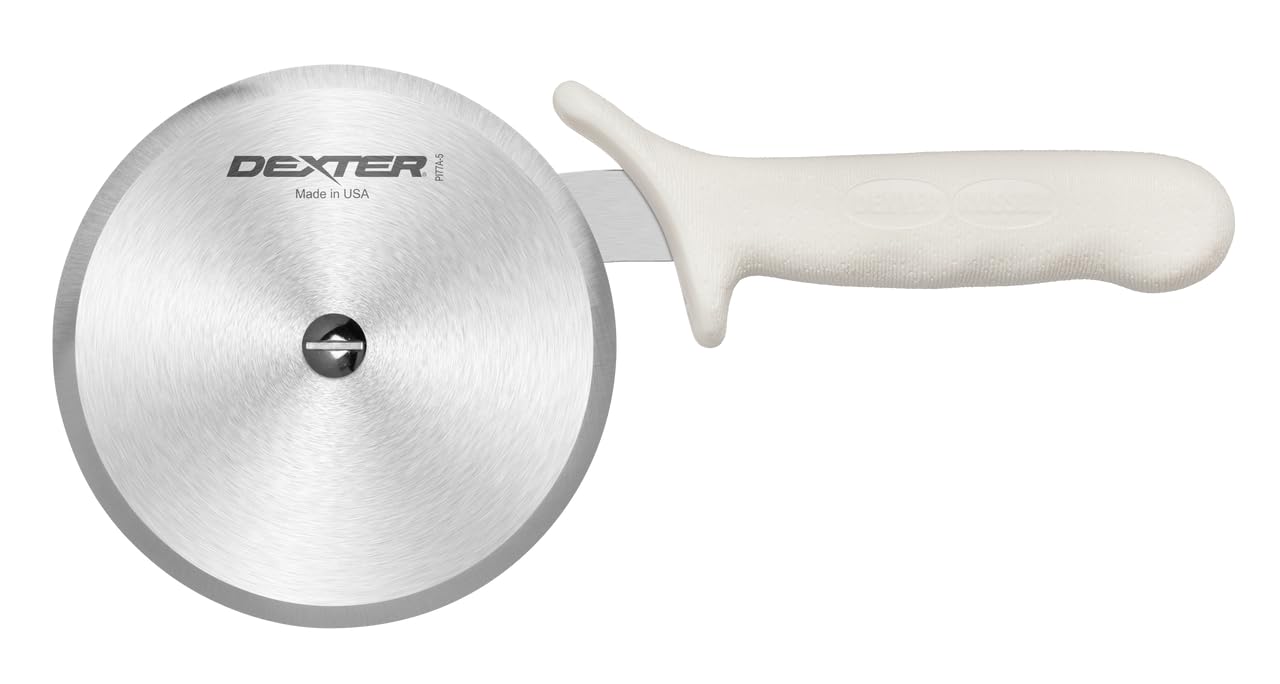
Larger 4-inch and 5-inch wheels provide greater vertical clearance, allowing them to glide effortlessly through deep-dish pies, thick crusts, and heavy toppings without dragging the handle against the food surface. Evaluating your typical menu helps determine whether a compact or oversized wheel suits your daily preparation routine best while maximizing overall cutting efficiency across various ingredients.
Blade Materials and Edge Retention
Blade composition directly influences how well the tool maintains its sharp edge over time. High-carbon steel blades are individually ground and honed to deliver exceptional sharpness, allowing for clean, precise cuts through dense crusts and sticky cheeses during demanding kitchen tasks and everyday baking projects. Selecting the right metal type ensures long-term reliability.
Stainless steel alternatives offer strong corrosion resistance and simplified maintenance routines for busy cooks operating in fast-paced environments. While high-carbon steel requires prompt drying after washing to prevent surface wear, it rewards the user with superior edge retention during high-volume commercial food preparation and daily kitchen use without requiring frequent professional resharpening.
Handle Ergonomics and Grip Safety
Handle design plays a critical role in user comfort and operational safety during extended food slicing sessions. Textured polypropylene handles provide a secure, slip-resistant grip that prevents hand slippage even when surfaces become wet or greasy from hot cheese and heavy toppings in fast-paced commercial kitchens or busy home cooking environments.
Aluminum handles offer a rigid, durable alternative with a balanced structural feel, though they lack the softer tactile feedback of molded plastic grips. Evaluating how the handle fits your hand structure and protects your fingers from the spinning blade ensures safe, confident operation during demanding cooking shifts, bakeries, and large catering events.
Maintenance and Replaceable Blade Design
Maintaining kitchen cutting tools involves regular cleaning and addressing dull edges over extended periods of heavy use across various food items. Many professional pizza cutters feature replaceable blade designs that allow you to swap out worn cutting wheels without purchasing an entirely new handle assembly, saving resources for busy commercial food establishments.
Following proper washing and drying guidelines preserves metal integrity, especially for high-carbon steel wheels that benefit from thorough hand drying after every single use. Choosing a model with straightforward disassembly options simplifies long-term tool upkeep in demanding kitchen environments, ensuring reliable slicing performance across thousands of prepared pizzas, flatbreads, and baked pastries.
Storage Space and Physical Footprint
The physical dimensions and overall length of a pizza cutter dictate how and where you can store it in your kitchen space. Larger models measuring twelve to thirteen inches provide excellent leverage and cutting reach but require deep drawers or wall-mounted hanging racks to keep them properly organized and safely stored away from view.
Compact units with smaller wheels take up minimal physical space in crowded utensil trays, making them highly convenient for residential kitchens with limited storage options. Assessing your available storage capacity ensures your chosen cutting tool fits neatly into your existing kitchen organization system without creating unnecessary countertop clutter or potential safety hazards.
Multi-Purpose Culinary Applications
Rotary cutters are surprisingly versatile kitchen utensils that extend far beyond simply slicing traditional pizzas. A sharp rolling blade functions exceptionally well as a pastry cutter, dough divider, and brownie slicer for various home baking projects and professional kitchen preparation tasks alike, offering great operational flexibility for everyday home cooks and professional bakers.
Choosing a model with smooth-rolling bushing mechanics ensures clean separation across diverse food textures without dragging or tearing delicate baked goods or layered pastries. Selecting a truly multi-use tool maximizes its everyday functional value in both home kitchens and professional food preparation routines across multiple recipes, dough types, and daily baking assignments.
Frequently asked questions
Can these pizza cutters be used for cutting items other than pizza?
Yes, these rotary cutters function exceptionally well for a wide variety of kitchen prep tasks beyond pizza slicing. You can easily use them to divide pastry dough, slice flatbreads, portion quesadillas, cut brownies, and segment various baked goods. The sharp rolling blades glide smoothly through multiple textures, making them versatile multi-purpose utensils for both home bakers and commercial kitchen professionals seeking reliable performance across different recipes and ingredients throughout the day.
Are the blades on Dexter Russell pizza cutters replaceable?
Many models within this manufacturer lineup feature a convenient replaceable blade design. This allows users to swap out a dull or worn cutting wheel without needing to discard the entire handle assembly. Replacing just the wheel saves resources and maintains consistent slicing performance over years of heavy use in busy commercial kitchens, pizzerias, or residential baking environments where maintaining a sharp cutting edge is essential for clean and efficient food preparation every single day.
What is the difference between stainless steel and high-carbon steel blades?
Stainless steel blades offer excellent corrosion resistance and require very simple day-to-day maintenance, making them straightforward to clean and manage. On the other hand, high-carbon steel blades are individually ground and honed to deliver superior edge retention and exceptional sharpness for effortless slicing through dense crusts and toppings. High-carbon steel requires prompt hand washing and thorough drying after each use to prevent surface wear and maintain its polished appearance over extended operational periods.
How do I choose between a 2.75-inch and a 4-inch or 5-inch wheel?
Wheel size selection depends primarily on the thickness of the foods you prepare and your storage preferences. Compact 2.75-inch wheels offer high agility and fit easily into tight utensil drawers, making them ideal for pastry work and thin crusts. Larger 4-inch and 5-inch wheels provide greater vertical clearance and leverage, allowing them to glide smoothly through deep-dish pizzas, thick flatbreads, and tall baked goods without dragging your hand or handle against the food surface.
How should I clean and maintain my Dexter Russell pizza cutter?
Proper maintenance involves washing the cutter thoroughly after every use to remove food residues, cheese, and grease from the blade and bushing mechanism. For models featuring high-carbon steel blades, it is particularly important to dry the metal completely immediately after washing to prevent moisture accumulation and preserve the factory-honed edge. Storing the tool in a clean, dry drawer or on a hanging rack helps protect the sharp edge from accidental damage over time.