Appliances · Buying Guide
Best Electric Vegetable Chopper And Slicer Units For Quick Meal Prep
Finding the right kitchen helper changes how you prepare daily meals. An electric vegetable chopper and slicer takes the physical strain out of routine food prep, using motorized blades to process ingredients quickly. These modern countertop appliances replace manual hand-cranking with simple button presses, allowing home cooks and busy families to slice, dice, and shred produce with minimal effort.
Different models offer various blade counts, motor wattages, and feeding chute designs to match specific cooking routines. Whether you need uniform fries, delicate shreds, or quick cube cuts, understanding the physical attributes of each machine helps you choose a practical option for your kitchen counter space and cooking habits.
As an Amazon Associate, StacyLaughs earns from qualifying purchases.
Buying guide
Motor Power and Performance
Motor wattage determines how efficiently an electric vegetable chopper and slicer handles dense root vegetables like raw potatoes, hard carrots, and firm turnips. Models featuring high-capacity motors deliver robust rotational force for continuous grating and shredding without motor stalling or thermal fatigue. Choosing the right power level ensures that stubborn root vegetables pass through the mechanism smoothly during large batch cooking sessions.
Lower wattage options run quietly and handle standard soft-to-medium produce for everyday home cooking, but they may slow down noticeably under heavy structural loads. Matching the electrical motor capacity to your typical cooking volume prevents unnecessary mechanical strain during active meal preparation. Reviewing these power specifications helps you avoid purchasing an underpowered unit for demanding culinary tasks.
Blade Variety and Cutting Options
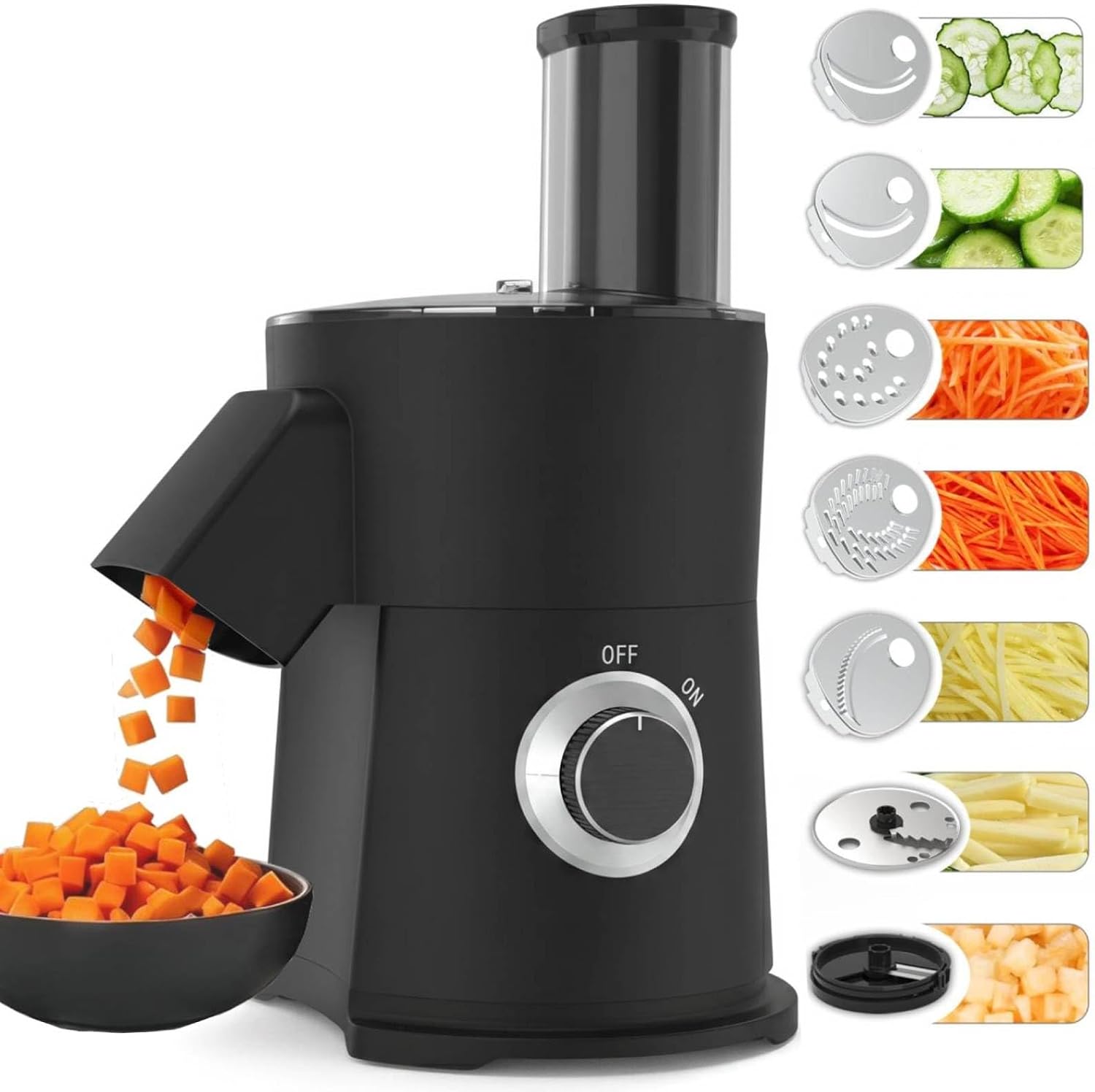
The number and shape of included stainless steel blades dictate the structural versatility of your vegetable preparation appliance. Multi-blade systems often provide coarse shredding, fine grating, wavy slicing, and specialized french fry cuts to expand your everyday recipe possibilities. Having interchangeable options means you can transition from salad toppings to soup ingredients without changing kitchen tools.
Reviewing the blade collection carefully helps ensure the machine supports your preferred cooking styles and dietary habits. Some specialized units focus heavily on precision dicing grids, while others specialize in rapid rotary shredding drums. Selecting an appropriate blade array prevents you from missing essential cutting textures when preparing fresh salads or casseroles.
Feed Chute Design and Size
Feed chute dimensions directly influence how much physical prep work is required before running raw vegetables through the chopper. Wide openings and dual ports comfortably accommodate whole potatoes, onions, or long cucumbers, significantly reducing the need for preliminary hand knife work. This physical attribute speeds up active cooking times by bypassing manual slicing steps.
Narrower chutes require you to cut ingredients into smaller pieces before feeding them securely into the rotating blade chamber. Evaluating the feed opening size ensures you can process bulky foods efficiently without constant blockages or awkward angles. Choosing a suitable chute design matches your tolerance for initial vegetable trimming.
Material Build and Durability
The physical materials used in a vegetable chopper impact both structural longevity and daily cleaning routines. Stainless steel blades combined with robust ABS plastic or heavy-duty die-cast aluminum housings offer reliable resistance against regular kitchen wear and tear. These durable construction materials withstand the mechanical pressures of frequent grating and dicing operations.
Assessing housing materials helps buyers choose a machine capable of handling tough ingredients on a regular basis. Lightweight plastic components keep the total machine weight manageable for easy moving, while metal bodies provide industrial strength for high-demand environments. Prioritizing sturdy build quality ensures your investment endures prolonged daily usage.
Cleaning and Maintenance Requirements
Maintenance needs vary between models based on their electrical housing design and removable component construction. Many electric choppers feature detachable blade attachments that rinse easily under running water, while electrical motor bases require simple damp cloth wipes to protect internal wiring. Understanding these maintenance steps keeps your appliance hygienic and operational.
Checking whether specific removable parts permit dishwasher cleanup simplifies post-cooking cleanup routines significantly for busy households. Following manufacturer maintenance guidelines prevents accidental water damage to motorized bases and preserves the sharpness of stainless steel cutting edges over time. Proper upkeep protects your kitchen appliance investment.
Counter Space and Storage Footprint
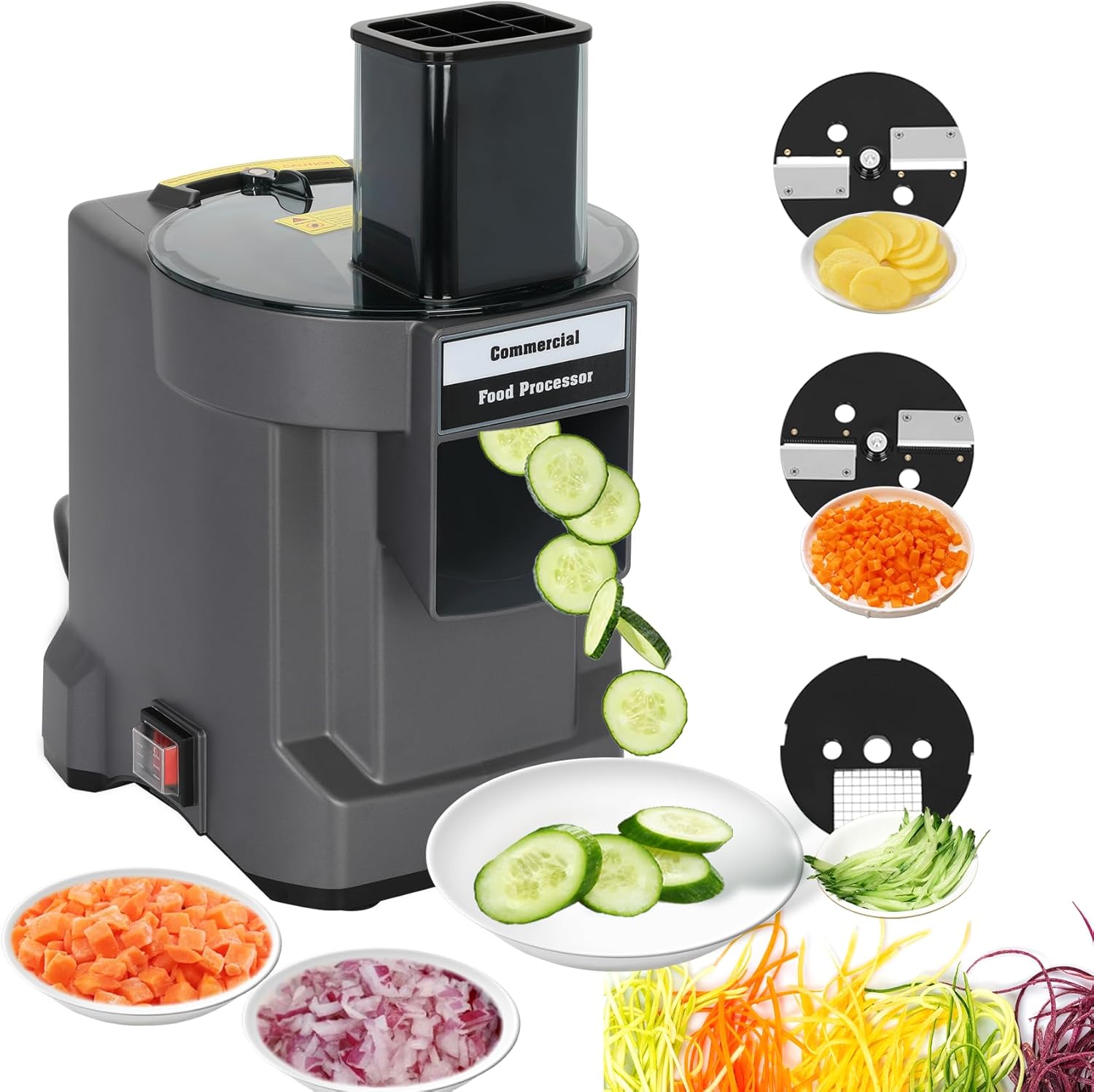
Physical dimensions dictate where an electric chopper can live when not actively processing food ingredients on your kitchen surfaces. Compact vertical models fit easily on standard counters or inside crowded cabinets, while larger commercial units require dedicated permanent storage space due to their heavier weights and wider frames.
Measuring your available vertical and horizontal kitchen space prevents storage incompatibilities after purchase. Considering appliance height ensures the unit clears low-hanging upper wall cabinets during operation and placement. Evaluating these physical spatial requirements ensures seamless integration into your existing kitchen layout.
Frequently asked questions
Can an electric vegetable chopper process meat or cheese?
Many electric vegetable choppers include specialized grating or slicing blades suitable for hard cheeses, while certain models explicitly list meat slicing capabilities among their features. However, compatibility depends entirely on the specific blade attachments and motor power included with your chosen model. Users should always verify the manufacturer guidelines and included accessories before attempting to process non-vegetable items like raw meats or dairy products to ensure proper mechanical function and prevent damage.
How do I clean the motorized base of an electric chopper?
The motorized base of an electric vegetable chopper should never be submerged in water or placed inside a dishwasher because doing so will damage the internal electrical components. Instead, manufacturer instructions typically specify wiping the exterior housing down with a damp cloth after unplugging the appliance. Removable attachments like blades, feed buckets, and clear chutes can generally be rinsed with water or washed according to their specific care instructions.
Are electric vegetable choppers suitable for commercial kitchens?
Certain electric vegetable choppers are explicitly engineered for commercial and high-demand environments, featuring heavy-duty die-cast aluminum bodies, copper motors, and high hourly processing capacities exceeding three hundred pounds. In contrast, standard home kitchen models use lower-wattage motors designed for intermittent family meal preparation. Buyers must review the operational specifications of each specific machine to determine whether it fits a commercial setting or a residential home kitchen.
What safety features are common in electric vegetable choppers?
Electric vegetable choppers frequently incorporate practical safety features such as mechanical safety protection locks to prevent accidental motor starts during setup. Some models utilize magnetic induction switches paired with transparent safety lids that ensure the machine only operates when the cover is securely closed. These built-in mechanisms help protect users during ingredient loading and active slicing, though proper handling and adherence to manufacturer instructions remain essential for safe operation.
Why do some electric choppers struggle with soft vegetables?
Certain electric vegetable dicers and slicers use conventional speed motors and specialized mechanical blade arrays that function best when processing medium-hard or dense produce like potatoes, carrots, and cucumbers. Soft-textured ingredients can sometimes cause smooth, non-high-speed motors to glide or experience resistance without clean cutting results. Checking the manufacturer usage instructions helps identify whether a particular machine is designed for hard produce or if it handles softer food items effectively.