Appliances · Buying Guide
Best Extra Fine Mesh Strainer Options for Quinoa, Tea, and Baking
Finding the right tool for filtering fine ingredients can truly transform everyday food preparation routines. Sifting dry flour, rinsing tiny grains like quinoa, or filtering loose-leaf tea requires a tight wire weave to prevent frustrating food loss. Stainless steel models offer dependable durability for home kitchens, handling frequent rinsing and straining tasks with reliable strength.
Different sizes and handle materials suit various tasks, ranging from large colander-style filtering to precise cocktail preparation. Selecting the appropriate mesh density helps you achieve smooth textures without clogging or letting small particles slip through gaps. Examining physical dimensions, handle grips, and bowl depths ensures you pick a practical tool for your specific counter space.
As an Amazon Associate, StacyLaughs earns from qualifying purchases.
Buying guide
Choosing the Right Mesh Density
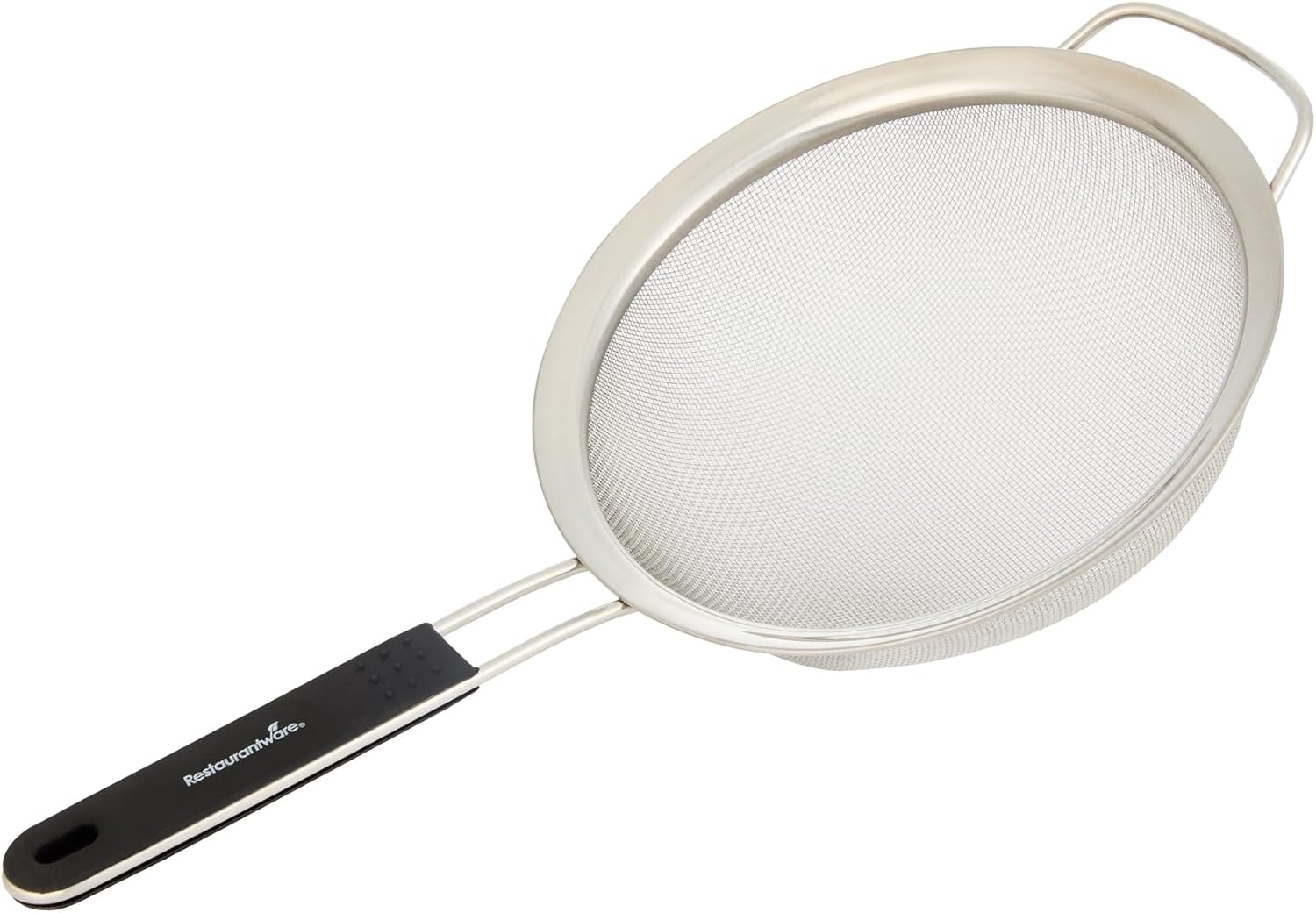
Selecting the correct mesh density determines how effectively a strainer handles different ingredients in your kitchen routines. A thirty-mesh screen featuring a tightly woven double layer prevents tiny grains like quinoa, rice, and fine sugar from slipping through during rinsing. This tight metal construction also traps loose tea leaves, citrus pulp, and stubborn herbs during daily beverage preparation.
Choosing an extra-fine weave helps home cooks achieve smooth textures when sifting dry flour or filtering savory broths. However, excessively dense screens can sometimes slow down liquid flow or require extra shaking effort. Matching the specific mesh opening size to your frequent cooking habits ensures efficient filtering without unnecessary clogging during busy meal preparation sessions.
Evaluating Basket Dimensions and Capacity
Basket size dictates the exact volume of food you can process in a single batch during everyday cooking. Large nine-inch strainers equipped with deep bowls function similarly to traditional colanders, allowing you to drain hot pasta or rinse generous portions of raw grains easily. Medium options measuring around five inches suit standard baking tasks like sifting dry flour for everyday cake batter.
Compact three-inch models excel at filtering individual drinks or dusting baked goods with fine powdered sugar in home kitchens. Consider your typical portion sizes before purchasing a strainer to avoid overflowing bowls and messy kitchen countertops. Choosing the right physical dimensions ensures your tool matches both your recipe requirements and available kitchen cabinet storage space.
Handle Materials and Grip Comfort
Handle construction directly affects comfort and safety when lifting heavy or hot foods from pots. Solid stainless steel handles offer permanent durability but lack cushioning during extended use. Thermoplastic rubber and silicone grips provide heat protection and non-slip traction, which proves especially helpful when your hands are wet from washing fresh produce or managing kitchen steam.
Examining how the handle connects to the wire mesh frame reveals long-term reliability under heavy pressure. Riveted connections and reinforced steel connecting sheets prevent the basket from breaking away when you press down on thick ingredients like purees. Choosing a comfortable handle design reduces hand strain during extended cooking and baking preparation sessions.
Stability Hooks and Rest Loops
Stability features prevent metal strainers from slipping into deep mixing bowls or tipping over during active food preparation tasks. Front rest loops allow the tool to bridge across standard cooking pots, mixing bowls, or glass cocktail shakers securely. Wider hooks provide extra placement options and keep the strainer steady while you pour hot liquids through the mesh.
Using a rest loop frees your hands to pour ingredients directly into the basket without holding the frame constantly. These built-in hooks also double as hanging loops for convenient storage on kitchen walls or storage racks. Checking for stable placement features ensures safer filtering and reduces accidental liquid spills on your busy kitchen countertops.
Material Quality and Rust Resistance
Material composition dictates how well your kitchen strainer withstands frequent washing and ongoing exposure to moisture. Premium stainless steel grades actively resist rusting, pitting, and bending over years of regular use. Choosing food-safe metals ensures that acidic ingredients or warm liquids never absorb unpleasant metallic tastes during your daily food preparation routines.
Burr-free mesh construction protects your hands from accidental scratches while washing sticky food residues away under running tap water. High-grade stainless steel frames maintain their structural integrity even when subjected to frequent dishwasher cycles or heavy daily rinsing tasks. Selecting durable construction materials prevents premature wear and keeps your strainer functioning reliably for years.
Storage Options and Space Management
Kitchen storage space influences which strainer size and design best fits your specific home cooking setup. Models featuring built-in hanging loops can be stored neatly on wall racks or hooks, keeping your counters clear and clutter-free. Compact sizes nest easily inside one another or slide smoothly into standard kitchen drawers without causing obstruction.
Evaluating the overall length and handle profile helps prevent storage friction in crowded kitchen cabinets. Long handles provide better leverage over large cooking pots but require more clearance space when storing away. Selecting a model that aligns with your kitchen storage layout ensures your filtering tool remains easily accessible for daily cooking needs.
Frequently asked questions
Can an extra fine mesh strainer prevent quinoa and rice from falling through?
Yes, strainers equipped with a thirty-mesh extra-fine weave feature tightly woven wire screens designed specifically to catch small grains like quinoa and rice. The small opening size prevents tiny food particles from slipping through during the rinsing process. When washing grains under running water, the double-layer or fine wire construction holds the food securely in the basket while allowing water to drain quickly. This makes extra-fine strainers an essential tool for preparing small grains without experiencing frustrating food loss down your kitchen sink drain.
Are stainless steel strainers safe to clean in a dishwasher?
Most premium stainless steel strainers are designed to withstand regular dishwasher cycles for thorough cleaning. The durable metal construction resists rust and corrosion when exposed to hot water and dishwashing detergents. However, checking specific manufacturer guidelines is always recommended to ensure long-term maintenance of handle coatings or specialized frames. Rinsing food residues immediately after use can also prevent stubborn particles from drying onto the wire mesh, making both hand washing and machine cleaning much easier.
How do stability hooks help when using a kitchen strainer?
Stability hooks and front rest loops allow you to place the strainer securely across the rim of mixing bowls, cooking pots, or cocktail shakers. This hands-free placement prevents the tool from sliding or tipping over while you pour liquids or dry ingredients through the basket. Wider hooks offer greater versatility across different container diameters, reducing spills on your kitchen counters. Additionally, these integrated hooks double as convenient hanging loops for space-saving storage on kitchen walls or drying racks.
What is the difference between a large colander strainer and a small tea strainer?
Large colander-style strainers typically feature wide nine-inch bowls and deep capacities designed to handle family-sized portions of pasta, steamed vegetables, or generous batches of grains. In contrast, small strainers measuring around three inches are engineered for precise tasks like filtering loose-leaf tea, straining cocktail ice chips, or dusting baked goods with powdered sugar. Choosing between them depends entirely on your cooking volume, as large models offer high capacity while small strainers fit neatly over individual drinking glasses and mugs.
Why is handle reinforcement important for heavy kitchen straining tasks?
Handle reinforcement is crucial because pressing down on thick ingredients like flour, purees, or heavy dough puts immense pressure on the connection point between the basket and the handle. Spot-welded joints can snap under heavy loads, whereas reinforced designs utilizing thick steel sheets and multiple rivets distribute the weight evenly. This sturdy construction ensures the handle never bends or breaks away, allowing you to press food through the mesh with confidence during intensive baking or food preparation sessions.