Appliances · Buying Guide
Best Faay Teak Cooking Spoon Choices for Every Kitchen Task
Upgrading kitchen utensils often starts with choosing durable materials that handle daily cooking tasks without scratching sensitive cookware. Wooden utensils have long remained a reliable kitchen staple because they provide a sturdy yet gentle touch for nonstick, stainless, and cast iron surfaces. Finding the right tool involves evaluating handle comfort, bowl depth, and specific shape requirements for stirring soups or scraping pan bottoms.
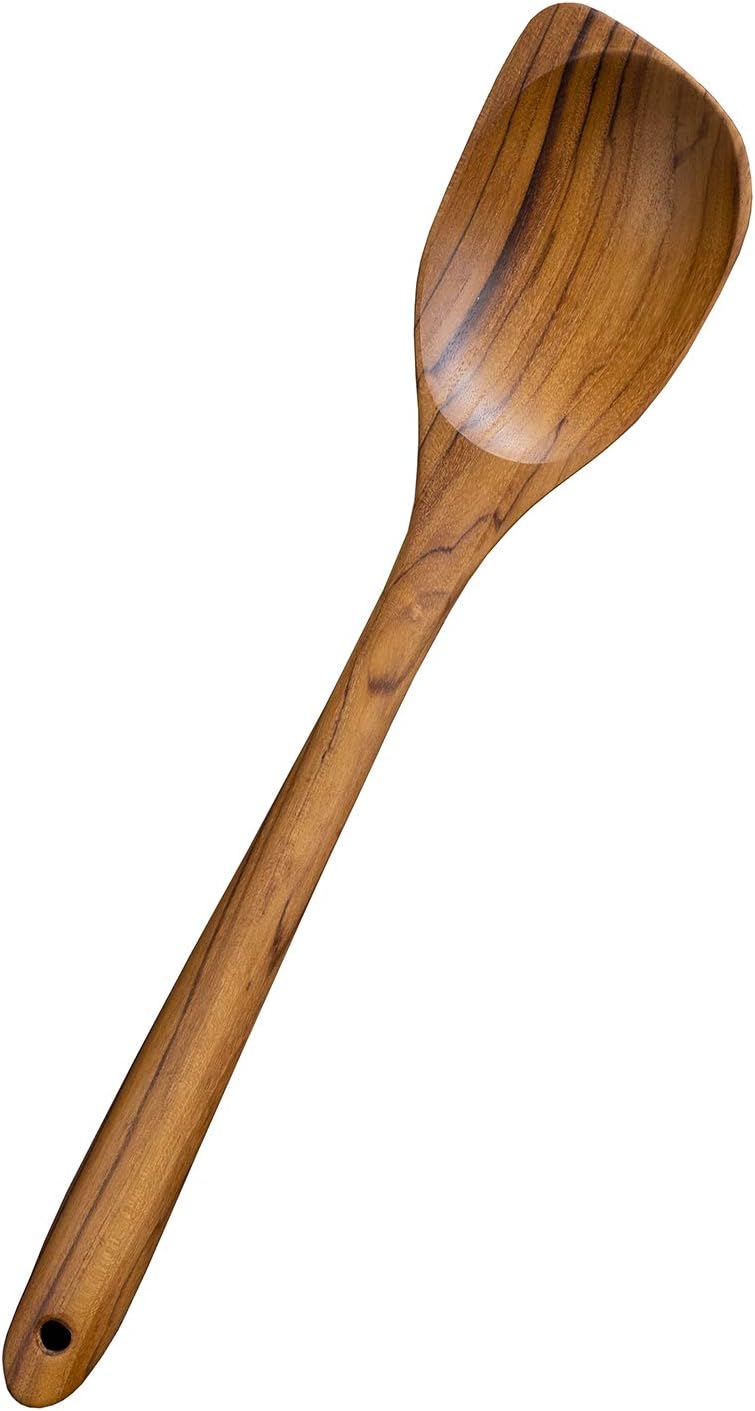
Focusing on natural teak wood, FAAY offers various handcrafted spoons designed to make mixing, scraping, and serving straightforward. These tools rely on traditional artisan craftsmanship rather than synthetic materials, offering practical shapes and ergonomic handles for everyday meal preparation. Whether you need a standard mixing tool, a corner scraper, or a compact serving paddle, understanding each design helps match the right utensil to your specific cooking habits.
As an Amazon Associate, StacyLaughs earns from qualifying purchases.
Buying guide
Choosing Sustainable Teak Materials
Selecting wooden kitchen tools starts with understanding the timber used in their construction. Teak wood is recognized for natural resistance to moisture and heat, making it ideal for stovetop cooking. High-quality teak provides a dense, durable structure that withstands daily stirring. Look for pieces crafted from sustainable sources using natural coconut oil finishes rather than chemical glues.
Natural wood exhibits unique visual traits based on growing soil. Colors range from light to dark golden brown, giving each utensil distinct grain patterns. Choosing solid-piece construction ensures no hidden adhesive seams weaken under high temperatures. Prioritizing genuine teak guarantees a sturdy kitchen companion for meal preparation.
Evaluating Handle Design and Comfort
The handle design directly impacts how comfortable a cooking spoon feels during extended meal preparation. Look for handles that feature a rounded, tapered shape with a slightly flattened top to fit naturally in your hand. This specific geometry helps prevent hand fatigue and wrist strain when you are stirring thick stews or heavy batters for long periods.
Handle length is equally important for maintaining proper control and leverage over your cooking vessels. Longer handles around thirteen inches provide safe reach into deep pots, keeping your hands away from hot steam. Shorter options around nine inches offer agile control for smaller pans and baking tasks, ensuring you select the right leverage for your cooking style.
Matching Bowl Shapes to Cooking Tasks
Different spoon bowl shapes serve distinct culinary functions during stovetop cooking and baking. Deep oval bowls with slim tips excel at scooping generous portions of liquids and grains, while wide shallow bowls function smoothly as rice paddles or baking scrapers. Assessing your typical recipes helps determine whether you need a deep stirring vessel or a broader profile.
Specialized edges, such as straight corner cuts, transform a basic spoon into a multi-functional spatula. These angled edges allow you to scrape pan bottoms, break up ground meat, and incorporate ingredients efficiently. Combining stirring and scraping capabilities into a single utensil reduces clutter on your counter and streamlines everyday cooking routines.
Considering Handedness and Cookware Safety
Specialized corner spoons often feature directional angles designed specifically for right-handed or left-handed cooks. Selecting the correct orientation ensures a natural wrist angle when scraping fond from pan corners, avoiding awkward hand movements during busy meal preparation. Left-handed cooks benefit greatly from mirrored designs that match their natural motion rather than forcing uncomfortable adaptation to standard right-handed tools.
Additionally, smooth wooden edges provide excellent protection for sensitive cookware surfaces across your kitchen. Unlike metal utensils that scratch nonstick coatings or soft silicone tools that can flex or melt under excessive heat, natural teak maintains its structural integrity. It remains completely gentle on cast iron, stainless steel, and enameled pans while delivering reliable scraping power.
Maintaining Wooden Utensils Over Time
Owning wooden kitchen utensils requires adopting a mindful maintenance routine to preserve their natural qualities. Teak wood must always be washed by hand using warm water and a soft sponge, as soaking or running them through a dishwasher will cause cracking or warping. If food debris sticks to the surface, soaking the utensil in water for just five minutes before cleaning makes removal safe and easy.
Regular conditioning is another essential step for keeping teak spoons in optimal condition over years of use. Applying food-safe oil, such as coconut oil, whenever the wood feels dry prevents splitting and restores its warm luster. Storing the utensils in a dry place, preferably by hanging them from a hook, ensures proper air circulation and protects your investment.
Assessing Single Tools Versus Utensil Sets
When building a collection of kitchen tools, buyers must decide between purchasing individual spoons or complete multi-piece sets. Buying a coordinated set often provides better value while covering multiple functions such as mixing, straining, and serving. This approach equips your kitchen with matching natural wood aesthetics for various cooking projects without purchasing items separately over time.
Conversely, selecting individual specialized spoons allows you to target specific cooking needs, such as acquiring a dedicated rice paddle or a corner scraper. This targeted method prevents clutter and ensures you only invest in utensils you will use daily. Weighing your cooking habits against available set combinations helps create a practical and efficient utensil collection.
Frequently asked questions
Can I put my teak cooking spoon in the dishwasher?
No, you should never place teak wooden spoons in a dishwasher. Dishwashers expose wooden utensils to harsh detergents, high heat, and prolonged water immersion, which strips natural oils and causes the wood to warp, splinter, or crack. Instead, always wash your teak spoons by hand using warm water and a soft sponge. If food particles stick, let the utensil sit in water for five minutes before washing. Proper hand washing preserves the natural grain and extends the lifespan of your wooden tools.
How often should I oil my teak cooking spoon?
You should oil your teak cooking spoon whenever the wood begins to feel dry, rough, or loses its natural luster. The exact frequency depends on usage and washing habits, but applying oil every few months is standard for active kitchen tools. Use a food-safe oil such as coconut oil, rubbing a small amount evenly across the clean, dry surface with a cloth. Allow the oil to absorb for a short time before wiping away any excess, which prevents cracking and maintains water resistance.
Are wooden spoons safe to use on nonstick cookware?
Yes, teak wooden spoons are exceptionally safe to use on nonstick cookware surfaces. Unlike metal utensils that can easily scratch delicate nonstick coatings and ruin expensive pans, smooth wooden edges glide safely across the surface. Teak is firm enough to scrape food particles and stir thick mixtures without flexing, yet soft enough to protect enameled, stainless steel, cast iron, and nonstick pans alike. This makes natural wood a reliable, scratch-free alternative to rigid plastics and flexible silicone tools during daily cooking tasks.
Why does the color of my teak spoon change over time?
The color of teak wooden utensils naturally changes when they are exposed to heat, light, and cooking oils during regular use. Teak wood typically becomes darker and richer in tone as it absorbs oils and ages, which is a normal characteristic of natural timber. Furthermore, because teak trees grow in different soils, initial colors can range from light golden brown to deeper hues. These natural color variations do not affect the functionality or structural durability of the spoon, ensuring it remains fully usable and safe.
Do I need a right-hand or left-hand corner spoon?
Choosing between a right-hand or left-hand corner spoon depends entirely on your natural dominant hand when cooking. Corner spoons feature an angled edge designed to scrape pan corners and break up ground meat efficiently. If you are left-handed, using a left-handed mirrored spoon allows you to maintain a comfortable wrist angle and pull ingredients toward yourself naturally. Right-handed cooks should select the standard right-hand orientation. Matching the tool to your dominant hand prevents awkward positioning and improves control while navigating pan walls.