Appliances · Buying Guide
Best Fine Mesh Strainer for Juicing: Smooth Results Every Time
Finding the right fine mesh strainer for juicing depends heavily on your specific extraction method, container sizes, and preferred beverage texture. Whether you process fruits and vegetables through a dedicated cold press machine, mix custom drinks, or prepare hand-poured extractions, selecting an appropriate filtration tool changes the final consistency of your daily drink.
Various materials, including food-grade stainless steel and durable nylon, offer distinct advantages for catching unwanted pulp, seeds, and small particles during liquid preparation. Exploring the structural design attributes of different fine mesh strainers helps match your kitchen routine with a reliable tool capable of delivering smooth, clear juices efficiently.
As an Amazon Associate, StacyLaughs earns from qualifying purchases.
Buying guide
Mesh Density and Hole Size
Choosing the correct mesh density dictates how effectively a strainer captures pulp, seeds, and fine sediment from your fresh fruit and vegetable juices. Coarser screens allow more natural texture and fiber through, while tighter weaves yield exceptionally clear, pulp-free liquids. Understanding these sizing differences prevents frustration and helps you achieve your preferred beverage consistency every single time you prepare drinks in your kitchen.
Matching the specific millimeter opening size or mesh count to your beverage preference ensures optimal filtration results without unexpected liquid blocking. Sifters with balanced openings prevent tiny particles from escaping while avoiding the need for excessive shaking. Evaluating your typical ingredient types guides you toward the ideal mesh configuration for daily food and drink preparation routines.
Material Durability and Construction
Food-grade stainless steel, particularly 304 or 18/8 grades, offers exceptional resistance against rust, corrosion, and everyday wear. This metallic strength ensures that frames remain rigid even when supporting heavy wet ingredients or enduring vigorous daily use. Selecting quality metals prevents bending along the rim and guarantees that the fine wire mesh stays securely anchored during routine cleaning cycles.
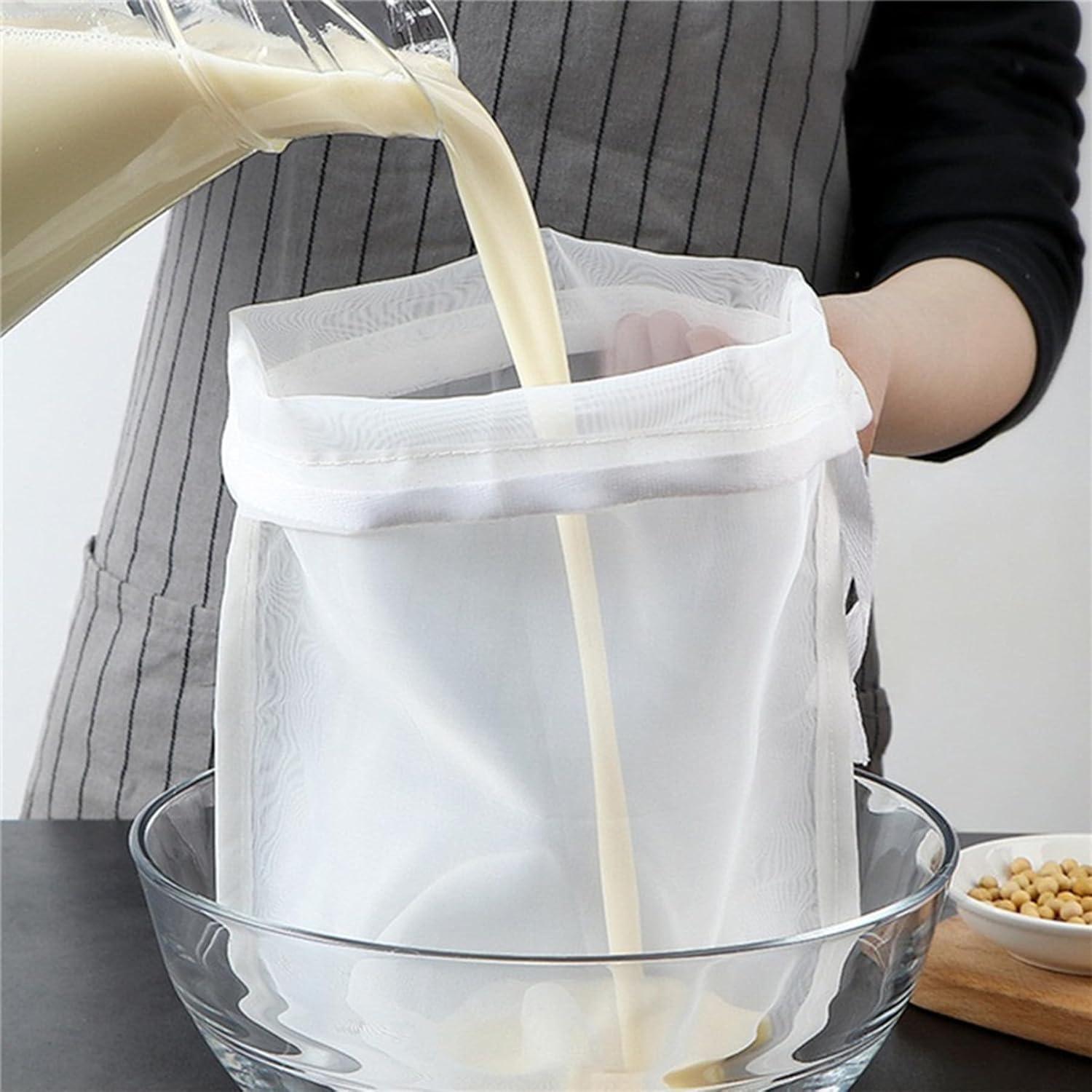
Alternatively, food-grade nylon options provide flexible filtering capabilities ideal for specialty tasks like nut milk extraction. Although fabric bags require different handling than rigid metal sieves, their reinforced seams withstand heavy manual pressure. Assessing how your chosen material handles moisture and physical stress determines long-term reliability in busy kitchen environments.
Handle Design and Ergonomics
Handle construction directly influences comfort and stability when resting the strainer across cups, bowls, or deep pots. Solid riveted connections provide superior structural support compared to simple spot welds, especially when handling heavy loads of ingredients. Ergonomic grips featuring silicone coatings or extended wire rods enhance user control and minimize hand fatigue during repetitive kitchen tasks.
Front rest loops further stabilize the tool over container rims, allowing hands-free pouring without accidental slips or countertop spills. Evaluating the physical length and attachment method of the handle ensures your strainer integrates smoothly into your existing cookware collection and storage drawers.
Sizing and Container Compatibility
Strainer dimensions must align with the standard drinking vessels, pitchers, and mixing bowls you use most frequently. Mini sieves fit neatly over individual coffee mugs or cocktail glasses, while larger colanders accommodate family-sized batches of pasta, broth, or fruit juice. Choosing the right diameter prevents messy overflows and ensures secure placement during active pouring sessions.
Multi-piece sets offer comprehensive sizing flexibility, letting you select the exact bowl width required for any given culinary task. Measuring your primary containers beforehand helps you avoid purchasing oversized tools that take up excessive counter space or undersized sieves that fall into wide mixing bowls.
Cleaning and Maintenance Ease
Keeping kitchen strainers sanitary requires smooth, burr-free rims and accessible mesh surfaces that prevent food particles from becoming trapped permanently. Stainless steel models typically withstand dishwasher cycles or quick rinses under running water, while nylon filter bags require thorough inversion and drying. Selecting designs with straightforward construction minimizes cleaning effort after preparing pulpy juices or sticky batters.
Following manufacturer maintenance guidance preserves the integrity of delicate wire meshes and prevents premature wear on welded joints or fabric seams. Easy-to-clean tools encourage regular use, ensuring your filtration equipment remains hygienic and ready for everyday food preparation challenges.
Storage and Kitchen Integration
Efficient kitchen storage depends on the physical profile of your selected strainer, including handle length and nesting capabilities. Ring-style strainers and nested multi-piece sets stack compactly inside standard cabinets, whereas extended rod handles require linear drawer space. Integrated hanging loops provide a convenient vertical storage alternative for keeping frequently used sieves within arm reach.
Assessing your available kitchen storage layout ensures that bulky handles or rigid frames do not cause clutter. Choosing tools that fit your organizational habits guarantees seamless daily access without disrupting your existing countertop or drawer space arrangements.
Frequently asked questions
What is the benefit of using a fine mesh strainer for juicing?
Using a fine mesh strainer for juicing significantly improves the final texture of your fresh beverages by capturing residual pulp, foam, and small seeds that primary extractors leave behind. This secondary filtration step creates a smoother, clearer drinking experience whether you process oranges, celery, or carrots. Furthermore, specialized strainers equipped with bilateral handles or rest loops allow stable, hands-free placement over cups and pitchers, reducing messy counter spills during busy morning routines.
Can I use a stainless steel strainer for hot liquids and broths?
Food-grade stainless steel strainers, particularly those crafted from durable 304 or 18/8 alloys, are well-suited for handling hot liquids, broths, and cooked ingredients. The metallic frames remain structurally stable under elevated temperatures, and long wire handles or silicone grips help keep your hands safely away from steam. However, always verify that any attached components, such as rubber or silicone coatings, match the heat resistance specifications provided by the manufacturer before exposure.
How do I choose between metal mesh and nylon filter bags?
Choosing between a rigid metal mesh strainer and a flexible nylon filter bag depends primarily on your specific culinary applications. Rigid stainless steel sieves excel at everyday sifting, rinsing, and quick liquid straining because they rest independently on container rims. In contrast, flexible nylon bags with adjustable drawstrings are ideal for specialty extraction tasks like making nut milks or cold brew coffee, as they allow you to squeeze out maximum liquid manually through fine fabric pores.
Are fine mesh strainers difficult to clean after filtering pulpy juice?
Cleaning a fine mesh strainer after processing pulpy juice is generally straightforward if you rinse the screen immediately under running water to prevent residue from drying. Most stainless steel models feature smooth, burr-free rims that prevent food particles from becoming permanently trapped and are fully compatible with standard dishwasher cycles. For nylon filter bags, simply turning the fabric inside out under water removes trapped pulp effectively, allowing the material to dry quickly for subsequent kitchen tasks.
Do multi-piece strainer sets offer better value than single sieves?
Multi-piece strainer sets often provide superior versatility by including graduated bowl sizes that accommodate everything from tiny spice dusting and tea straining to large-scale pasta draining and fruit juice processing. Having multiple diameters ensures you always have the correct tool for specific container openings without risking overflows. However, if you only perform one specific kitchen task, such as filtering juice into a single mug, a dedicated single-purpose strainer or specialized companion filter may better suit your daily workflow.