Appliances · Buying Guide
Best food mill attachment for kitchenaid mixer upgrades
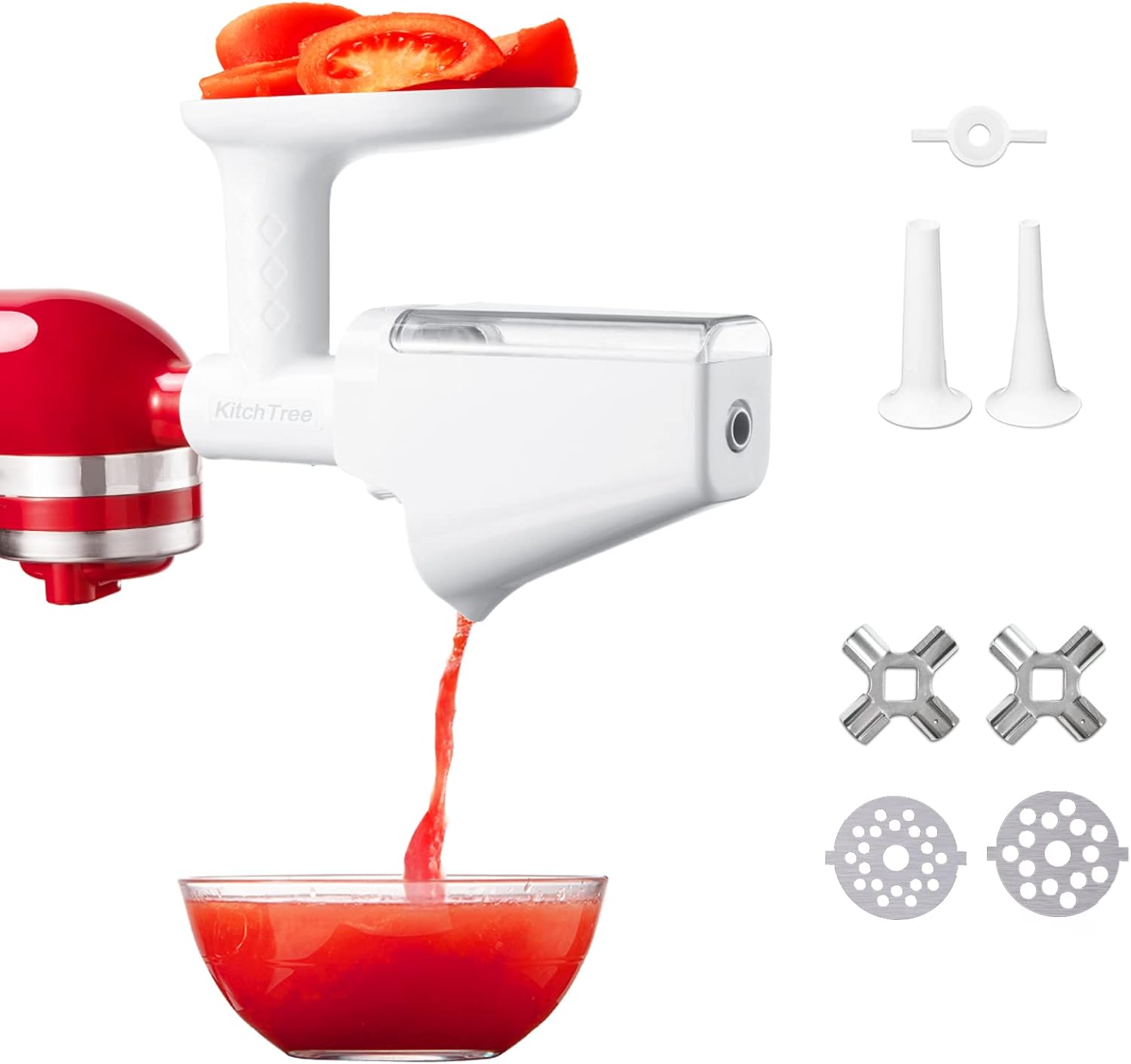
Transforming your countertop stand mixer into a versatile processing station is straightforward when you add a dedicated food mill attachment for kitchenaid. These multi-functional units combine traditional fruit and vegetable straining capabilities with standard meat grinding components, allowing home cooks to process fresh garden produce, soft fruits, and raw proteins efficiently using existing kitchen hardware.
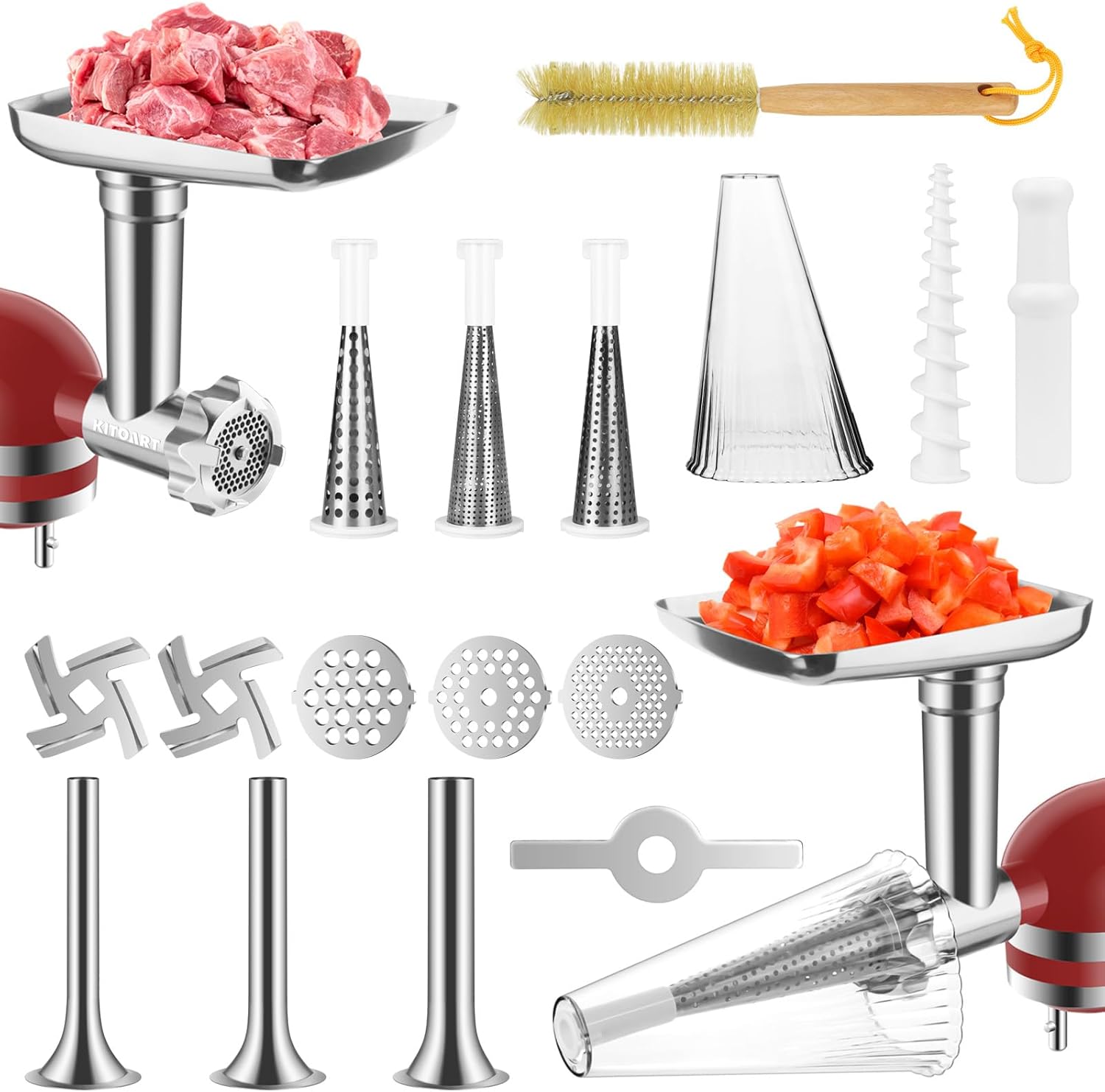
Choosing the right set involves understanding how different models handle various ingredients. By carefully evaluating included accessories like interchangeable metal grinding plates, plastic sausage stuffer tubes, and dedicated strainer screens, you can select an optimal configuration that matches your regular cooking routines, canning projects, and family meal preparation preferences without unnecessary mechanical complexity.
As an Amazon Associate, StacyLaughs earns from qualifying purchases.
Buying guide
Material Composition and Durability
Evaluating the material composition of a food mill attachment for kitchenaid is essential for ensuring reliable long-term kitchen performance. Many available options combine durable food-grade plastics with stainless steel cutting blades to successfully balance lightweight handling with everyday structural resilience. These plastic components significantly reduce overall unit weight, making them much easier to lift and mount securely onto your stand mixer hub.
However, buyers should carefully check whether these specific materials tolerate daily wear from dense raw meats or highly acidic tomato juices. Selecting robust food-grade plastics ensures safe, non-toxic food processing, while stainless steel cutting elements maintain sharp edges across multiple grinding and straining sessions without corroding prematurely under normal home kitchen operating conditions.
Cleaning and Maintenance Requirements
Understanding cleanup requirements helps prevent frustration after preparing messy foods like fresh ground sausage or rich tomato purees. Most attachments feature fully detachable sub-assemblies that simplify the washing process. Some manufacturers explicitly approve dishwasher cycles for specific plastic components, while others mandate strict hand-washing routines using warm water kept under specified maximum temperature thresholds.
Reviewing these maintenance instructions beforehand ensures you choose a model that fits your preferred kitchen cleanup habits. Attachments that bundle specialized cleaning brushes make clearing pulp from tiny strainer screen holes much faster, reducing the time spent scrubbing sticky residue from intricate internal channels and hard-to-reach corners.
Strainer Screen Variety and Sourcing
The range of included strainer screens directly impacts how effectively an attachment handles different types of garden produce. Standard configurations often excel at processing cooked tomatoes or soft apples, separating skins and seeds effortlessly. Advanced multi-screen sets provide specialized sizing options designed explicitly for smaller berries, fibrous squash, or thick pumpkin purees, expanding your seasonal canning capabilities significantly.
Assessing your typical cooking projects helps determine whether a single universal screen suffices or if a multi-screen package is necessary. Choosing a model with targeted hole diameters ensures you extract maximum juice and pulp without allowing unwanted coarse fragments to contaminate your homemade jams and salsas.
Grinding Plates and Sausage Accessories
Beyond fruit straining, many mixer attachments double as functional meat grinders equipped with interchangeable metal plates and plastic stuffer tubes. Coarse and fine grinding plates give you precise texture control when preparing fresh burger patties, savory meatloaf, or homemade breakfast sausages. Evaluating the number and size of included plates ensures the hardware accommodates your favorite family recipes.
Furthermore, checking for included sausage-stuffing fixing rings and multiple tube diameters simplifies the process of casing links at home. These extra components eliminate the need to purchase separate standalone appliances, consolidating your kitchen gear while expanding your culinary repertoire using your existing stand mixer motor.
Compatibility and Hub Integration
Verifying mechanical compatibility with your specific stand mixer model is a critical step prior to purchase. Most food mill attachments are engineered to attach directly to standard power attachment hubs found on household mixers. However, you must confirm that the mounting collar matches your appliance generation, as certain strainer parts remain incompatible with older grinder designs.
Proper hub integration ensures the internal feed screw engages smoothly with the motor drive shaft without slipping. This secure mechanical connection allows the stand mixer to drive the auger efficiently, processing tough fruits and raw meats consistently while minimizing operational vibration across the countertop during heavy tasks.
Storage Footprint and Component Storage
Considering the physical storage footprint of a multi-piece attachment set prevents cabinet clutter in crowded kitchens. Because these kits include numerous loose elements like cutting blades, grinding plates, sausage tubes, and pusher assemblies, finding an organized storage solution is vital. Compact designs take up minimal vertical and horizontal space inside standard kitchen cupboards.
Evaluating how easily all components nest together or fit into storage drawers helps maintain kitchen organization over time. Selecting a model with manageable dimensions ensures you can conveniently store the primary housing alongside its accessories without losing small parts between seasonal food preservation projects.
Frequently asked questions
Can I process raw fruits and vegetables directly through the strainer attachment?
Most manufacturers recommend cooking hard or firm fruits and vegetables before running them through the strainer cone. Cooking softens the flesh, allowing pulp to pass easily through the small holes while effectively separating tough skins, stems, and seeds. Attempting to process raw, hard produce without pre-cooking can strain the internal feed mechanism and reduce straining efficiency. Soft fruits like ripe berries can often be processed without prior cooking, but always check the specific manufacturer guidelines provided with your particular attachment set to ensure optimal results and prevent mechanical jams.
Are all food mill and grinder attachment parts dishwasher safe?
Dishwasher safety varies significantly depending on the specific manufacturer and model you purchase. While some attachment sets explicitly permit automated dishwasher cycles for their plastic components, others require strictly manual washing using warm water kept under specific temperature thresholds, such as one hundred twenty-two degrees Fahrenheit. Always review the cleaning instructions supplied with your product before placing any items into a dishwasher. Hand-washing with mild soap and the included cleaning brush is frequently recommended to preserve material integrity and extend the lifespan of delicate metal edges and plastic housings.
What is the difference between a fruit strainer and a meat grinder attachment?
A fruit and vegetable strainer utilizes an internal auger and a perforated screen cone to separate unwanted seeds, stems, and skins from soft pulp, making it ideal for smooth jams, sauces, and purees. In contrast, a meat grinder attachment features a solid metal housing, a cutting blade, and interchangeable flat grinding plates designed to mince raw meats, hard cheeses, and vegetables for burgers or sausages. Many attachment sets combine both functions into a single value pack by including interchangeable front-end components that mount onto the same basic motorized auger base.
How do I prevent clogging when making tomato sauce or fruit purees?
Preventing clogs begins with properly preparing your ingredients before feeding them into the hopper. Ensure that firm fruits and vegetables are thoroughly cooked and cut into appropriately sized pieces that fit easily down the chute without forcing. Removing overly thick rinds or tough outer skins beforehand also minimizes blockages. If the strainer cone begins to accumulate skins and slows down, pausing the mixer to clear the output end or switching to a coarser screen size can restore smooth, continuous pulp flow during your canning and sauce-making sessions.
Can I use these attachments on any brand of stand mixer?
These specific food mill and grinder attachments are designed exclusively to fit standard household stand mixers that feature a front attachment power hub. They are tailored to mount securely onto that specific hub interface, allowing the internal drive shaft to engage the auger properly. However, they are generally not universal across all appliance brands on the market, and certain strainer attachments may not be compatible with older standalone grinder models from the same brand. Always check compatibility specifications carefully to ensure the mounting collar matches your particular mixer model before purchasing.