Appliances · Buying Guide
Best Good Grips Can Openers for Effortless and Smooth Kitchen Prep
Finding the right manual can opener can significantly reduce hand strain during daily meal preparation in busy home kitchens. Various models feature specialized designs like large cushioned handles, oversized turning knobs, and sharp stainless steel cutting wheels tailored for practical everyday food tasks. Understanding these physical attributes helps shoppers choose wisely among available options on the market.
Whether you require standard edge piercing or smooth edge safety cutting, selecting the proper handheld tool depends heavily on your specific grip preferences and daily kitchen routines. Evaluating these options carefully helps match your cooking style with the right manual operation mode for reliable, long-lasting functionality without encountering unnecessary complications during use.
As an Amazon Associate, StacyLaughs earns from qualifying purchases.
Buying guide
Handle Ergonomics and Comfort
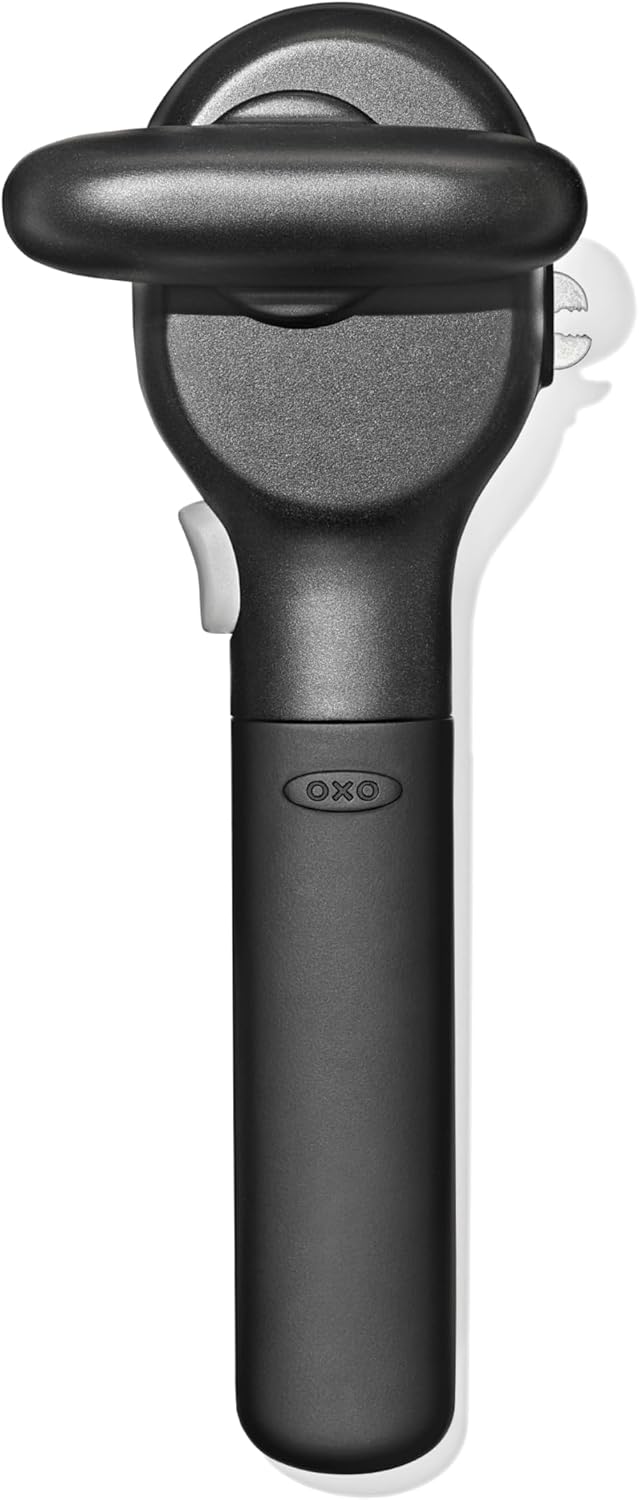
Choosing a manual can opener with ergonomic handles can drastically transform your daily kitchen experience. Large, cushioned grips absorb pressure and reduce hand strain during repetitive meal preparation tasks. Manufacturers often use soft-touch silicone or rubberized coatings to prevent slipping, especially when hands are wet or greasy. This design consideration is vital for maintaining a secure hold without causing physical discomfort over time.
When evaluating handle comfort, look closely at the overall width and contour of the grips. Models featuring oversized handles distribute tension evenly across your palms rather than concentrating force on your fingers. This physical attribute makes standard food preparation much more accessible for everyday users. Prioritizing proper handle design ensures long-term usability and reduces fatigue during frequent cooking sessions.
Cutting Mechanism Options
The choice between traditional top-cutting wheels and smooth-edge side-wind mechanisms impacts both safety and cleanup. Traditional stainless steel wheels pierce the top lid directly, creating a fast and reliable puncture but leaving sharp edges behind. Conversely, side-cutting models slice along the outer rim to eliminate sharp edges on both the container and the removed lid, significantly reducing the risk of accidental cuts during kitchen tasks.
Selecting the right cutting style depends entirely on your household safety priorities and personal operation preferences. Side-cutting wheels require a different turning action that keeps the blade away from food contents for improved hygiene. Traditional wheels offer straightforward familiarity and robust piercing power across various metal thicknesses. Assessing these mechanical differences helps align your purchase with your daily cooking habits.
Turning Knob Design and Leverage
An oversized turning knob plays a fundamental role in reducing the physical effort required to open cans. Smaller knobs often demand tight finger pinches that cause discomfort, whereas large, textured turning dials allow you to use your entire hand motion efficiently. This mechanical advantage translates into smoother revolutions and less muscular fatigue, making routine kitchen chores much easier to manage for cooks of all strength levels.
Inspecting the knob size and rotational smoothness helps determine how well a manual opener will perform on stubborn pantry items. Look for models featuring deep ridges or ergonomic shapes that prevent your fingers from slipping while turning. Proper leverage minimizes resistance against the cutting blade, ensuring a steady, continuous revolution from start to finish without unexpected catches or sudden jerks.
Material Durability and Maintenance
High-quality stainless steel construction ensures long-lasting durability and resistance against rust during frequent kitchen use. Selecting models built with robust metal components prevents bending or breaking when tackling tough, heavy-gauge food cans. However, buyers must pay close attention to manufacturer maintenance guidelines regarding cleaning. Many premium handheld openers specify hand washing only to protect their finishes and internal gears from moisture damage.
Balancing material strength with cleaning requirements is essential for maintaining your kitchen accessories over the years. While dishwasher-safe models offer convenient sanitation, hand-wash-only designs often feature specialized comfort grips or complex locking mechanisms that require careful manual care. Reviewing these upkeep instructions beforehand prevents accidental degradation and ensures your chosen tool remains reliable for countless meal preparations.
Integrated Multi-Tool Features
Many modern manual can openers incorporate secondary functions, such as built-in bottle openers or magnetic lid lifters, to maximize utility. A built-in bottle cap opener saves valuable drawer space by combining two essential beverage and food tools into a single handheld device. Similarly, integrated magnets help catch and remove sharp metal lids automatically, eliminating the need to fish around inside opened containers during cleanup.
Evaluating these extra features allows you to streamline your kitchen gadget collection without cluttering storage drawers. While simpler models focus exclusively on cutting performance, multifunctional options add everyday convenience for opening bottled beverages or managing discarded lids safely. Consider which supplementary tools genuinely fit your household routines before making a final purchasing decision.
Storage Size and Physical Dimensions
Physical dimensions and tool weight dictate how easily a manual can opener fits into your existing kitchen storage layout. Larger models featuring oversized handles and extended heights can occupy significant vertical space inside shallow utility drawers or tight gadget crocks. Reviewing product measurements helps ensure the tool slides comfortably into your designated storage areas without creating clutter or jamming drawer closures.
While larger dimensions often provide better leverage and more comfortable grips, they require adequate storage clearance. Compact alternatives might save drawer space but could offer smaller turning knobs or narrower handles. Weighing physical size against ergonomic benefits ensures your selected opener integrates smoothly into your kitchen workflow and storage space limitations.
Frequently asked questions
How do I maintain and clean my stainless steel manual can opener?
Maintaining and cleaning your stainless steel manual can opener properly depends heavily on the specific manufacturer guidelines provided for that model. Many premium ergonomic openers recommend hand washing with warm water and mild soap rather than using an automated dishwasher, which protects sensitive surface finishes and moving parts from harsh detergents. After washing, ensure you dry the entire tool thoroughly with a towel to prevent moisture buildup and protect the rust-resistant stainless steel cutting wheel and metal body from potential corrosion over extended periods of time.
What is the difference between traditional top-cutting and smooth-edge can openers?
Traditional top-cutting can openers use a sharp wheel to pierce the top lid directly, slicing horizontally across the inner rim. This creates a quick, reliable puncture but leaves a sharp, exposed edge on both the can and the removed lid. In contrast, smooth-edge models utilize a side-wind mechanism that cuts along the outer perimeter of the rim. This leaves completely smooth edges on the container and lid, significantly reducing accidental cuts during food preparation while utilizing built-in pliers or mechanisms for clean, contact-free disposal of the detached metal top.
Are manual can openers suitable for individuals with limited hand strength or arthritis?
Yes, many manual can openers are specifically engineered with ergonomic features to accommodate users with limited hand strength, weak grip, or arthritis. Models featuring oversized turning knobs provide superior leverage, allowing individuals to rotate the dial smoothly without requiring painful finger pinches. Additionally, large cushioned handles wrapped in slip-resistant silicone or rubberized materials absorb pressure and distribute tension evenly across the palm, providing a much more comfortable and secure hold during daily food prep tasks without excessive strain.
Do all manual can openers include a built-in bottle opener?
No, not all manual can openers include an integrated bottle opener, although it is a very common multi-purpose feature found on many popular kitchen models. Some specialized designs focus entirely on specific mechanisms like smooth-edge cutting or secure locking arms without adding extra hardware. If you frequently need to open bottled beverages and want to save valuable drawer space by combining two tools into one, check the product specifications and feature lists to confirm the presence of a built-in bottle cap opener before purchasing.
How do I choose the right size can opener for my kitchen drawer storage?
Choosing the right size can opener for your kitchen storage requires comparing the physical dimensions and weight listed for each model against your available drawer space or gadget caddies. Heavy-duty openers with oversized handles and extended heights often measure over seven or eight inches long, which might require deeper drawers or taller utensil holders to prevent closing obstructions. Reviewing the listed width and height measurements ensures that your selected tool fits neatly alongside your other kitchen accessories without creating clutter or storage difficulties.