Appliances · Buying Guide
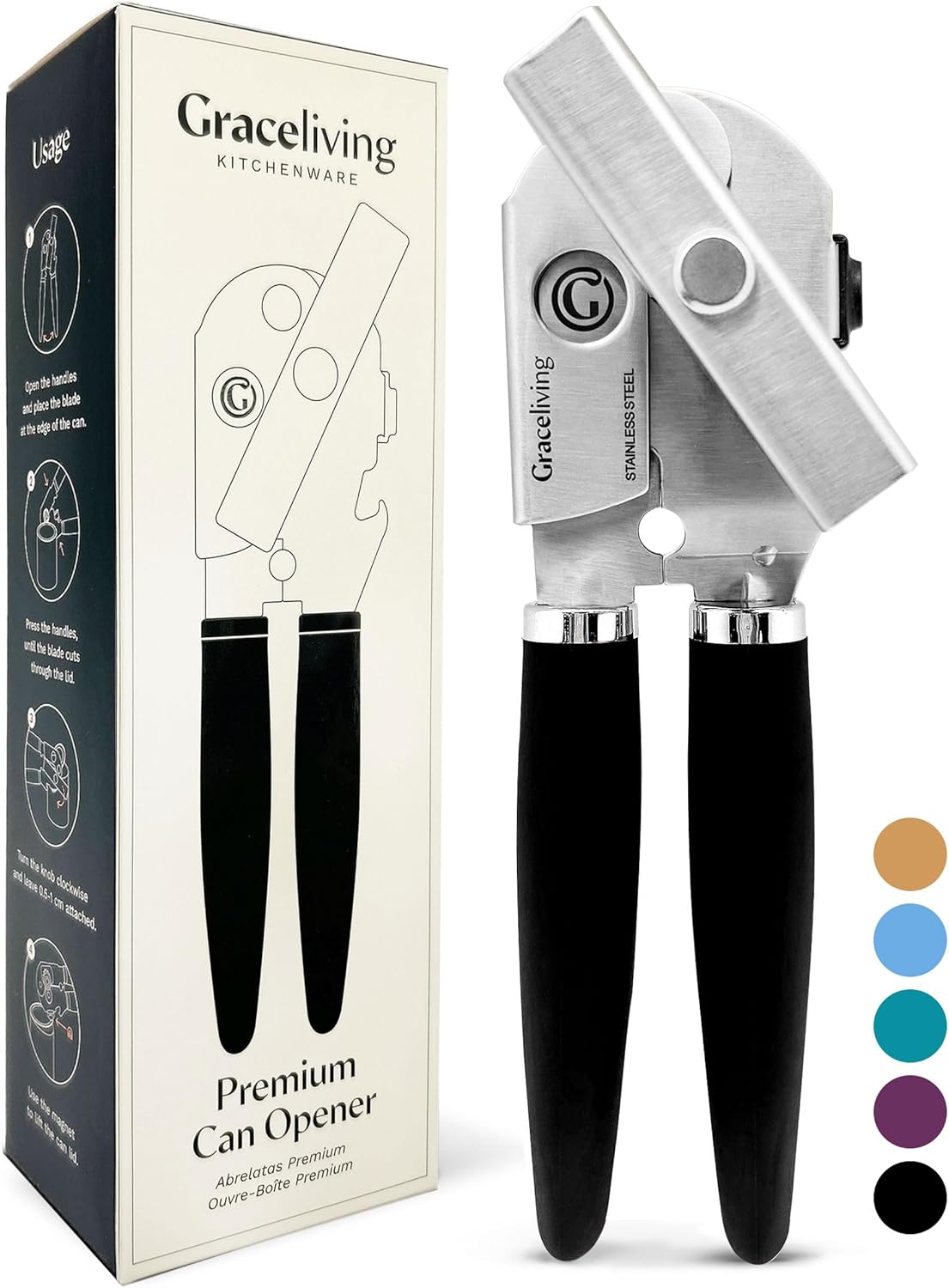
Best Good Quality Can Opener Choices for Reliable Kitchen Prep
Finding a reliable kitchen tool can significantly change how you prepare daily meals, especially when dealing with stubborn cans and tight lids. A good quality can opener should offer a comfortable grip, a sharp cutting wheel, and sturdy metal construction to handle frequent use without straining your hands or slipping during operation.
Selecting the right manual model involves looking closely at handle design, gear smoothness, and additional features like built-in bottle openers or magnetic lid lifters. This detailed overview explores several distinct manual options currently available, detailing their specific physical characteristics and practical suitability for various household cooking routines, drawer storage spaces, and daily kitchen setups.
As an Amazon Associate, StacyLaughs earns from qualifying purchases.
Buying guide
Evaluating Blade Sharpness and Cutting Quality
A sharp cutting wheel forms the fundamental foundation of any reliable manual opening tool. Stainless steel blades pierce container lids easily, slicing smoothly without leaving dangerous jagged metal edges behind. When preparing daily ingredients, clean cuts prevent accidental scrapes and make food removal much simpler. Look for reinforced cutting wheels designed to maintain their edge through frequent use over time.
Inferior wheels often slip or catch midway, requiring extra physical force and frustrating your meal preparation routine. Premium models utilize hardened high-carbon or stainless steel components to ensure consistent cutting performance across various shapes. Evaluating how the blade engages container lips helps you choose a tool that delivers smooth, continuous motion from start to finish.
Understanding Handle Comfort and Ergonomics
Comfortable handles significantly reduce hand strain during repetitive food preparation tasks. Oversized grips distribute pressure evenly across your fingers and palm, allowing you to apply steady physical force without discomfort. If you experience limited hand strength or prepare multiple dishes daily, cushioned, slip-resistant surfaces provide crucial stability and control during operation.
Rigid metal handles without proper cushioning can dig into your skin, turning simple kitchen chores into painful experiences. Ergonomically shaped designs conform naturally to your hand posture and overall working style. Prioritizing handle comfort ensures you can maintain a secure hold even when dealing with stubborn container lids or damp kitchen environments during busy cooking sessions.
Assessing Gear Mechanisms and Turning Force
Gear mechanisms dictate how smoothly a manual tool rotates around a container rim. Precision-aligned gears translate your hand movements into efficient cutting action, minimizing the physical effort required to break through metal seals. An oversized turning knob further enhances this mechanical advantage, offering a larger surface area for your hand to grip securely.
Low-quality gears often slip, jam, or grind during rotation, making the opening process tedious and physically demanding. Smooth, gear-driven operation allows the cutting wheel to glide effortlessly around circular, square, or large containers. Evaluating the knob size and gear alignment ensures you select a model that makes daily food prep seamless and fast.
Managing Maintenance and Cleaning Requirements
Proper maintenance extends the functional lifespan of metal kitchen tools significantly. Many stainless steel models require dedicated hand washing and thorough drying to prevent moisture accumulation and preserve sharp cutting edges. Avoiding prolonged soaking in standing water protects precision gears and blade assemblies from unnecessary rust or physical degradation over time.
Following manufacturer cleaning instructions ensures your utensil remains hygienic and safe for daily food preparation sessions. Although hand washing takes a little extra time, it protects delicate metal coatings, magnetic components, and soft-touch handle materials from harsh automated dishwasher detergents. Factoring in these daily care habits helps you choose a tool that fits your personal kitchen routine.
Considering Additional Features and Storage Space
Modern manual tools frequently incorporate extra utilities like built-in bottle openers or magnetic lid lifters. Integrated bottle openers save drawer space by combining two essential functions into a single device. Magnetic lifters securely attach to cut lids, keeping sharp metal pieces away from your fingers and food contents for cleaner, safer disposal.
While these extra features add daily convenience, they can also increase the overall physical dimensions and weight of the tool. Heavy-duty frames and magnetic mechanisms require more storage space in kitchen drawers or utensil organizers. Balancing feature richness against your available storage capacity helps you find an option that matches your kitchen setup.
Selecting Materials for Long Term Durability
Material selection directly dictates how well a utensil withstands the physical stresses of daily opening tasks. Stainless steel and high-carbon alloys provide exceptional resistance to bending, rust, and everyday wear. Investing in robust metal components ensures your tool remains dependable over hundreds of uses without requiring premature replacement or unexpected repairs.
Tools crafted from flimsy metals often warp under heavy pressure, rendering the internal gears misaligned and completely useless. Examining material specifications helps you identify products built for heavy-duty performance. Selecting high-grade steel construction gives you confidence that your kitchen utensil can handle demanding meal prep schedules efficiently and reliably over the years.
Frequently asked questions
How do I properly clean and maintain my manual can opener?
Proper maintenance requires hand washing your utensil with mild soap and warm water immediately after each use. Avoid soaking the tool in water for extended periods to protect internal gears and stainless steel components from moisture damage. Always dry the tool thoroughly with a clean towel before storing it in a dry drawer. Never place stainless steel manual openers in an automated dishwasher unless the manufacturer explicitly permits it, as harsh detergents can degrade blade sharpness and handle finishes over time.
Why is a magnetic lid lifter useful on a hand opener?
A built-in magnetic lid lifter secures cut container lids immediately after opening, preventing them from falling directly into your food contents. This feature keeps sharp metal edges away from your fingers and kitchen countertops, ensuring a more hygienic and touch-free operation. While magnets add a small amount of bulk to the utensil, they eliminate the need to use separate knives or fingers to fish lids out of canned goods, making food preparation cleaner and much safer for everyday home cooks.
What is the difference between standard and heavy-duty manual openers?
Standard manual openers are typically designed for everyday household containers like soup or vegetable cans, featuring comfortable handles and standard cutting wheels suitable for casual cooking. Heavy-duty models utilize reinforced stainless steel components, high-carbon blades, and larger frames engineered to withstand hundreds of continuous uses or handle oversized containers such as industrial number ten cans. While heavy-duty options offer superior durability and leverage, they often feature larger dimensions and heavier weights that require more storage space in your kitchen drawers.
Can manual openers be used for square or unconventional container shapes?
Many modern manual openers feature sharp stainless steel cutting wheels and secure latching mechanisms that accommodate round cans, square containers, and rectangular tins effectively. The cutting wheel latches securely onto the rim, allowing the gear-driven mechanism to follow unconventional contours smoothly. However, users should always verify specific model capabilities, as certain commercial or industrial variants are specifically optimized for large cylindrical containers and may struggle with exceptionally small or uniquely tapered specialty canned goods.
How do ergonomic handles help when opening difficult food cans?
Ergonomic handles are designed with oversized, slip-resistant grips that distribute hand pressure evenly across your palms and fingers during operation. This cushioning helps reduce hand strain and fatigue, making it much easier to apply steady turning force when tackling stubborn or tightly sealed container rims. For users with limited hand strength or those preparing multiple dishes in a single session, slip-resistant ergonomic handles provide the necessary leverage and control to operate manual opening tools comfortably without experiencing discomfort.