Appliances · Buying Guide
Best Hand Crank Potato Peeler Options for Fast Kitchen Prep
Preparing large batches of potatoes for family meals or baking projects often requires reliable mechanical assistance to reduce repetitive wrist strain. A hand crank potato peeler brings mechanical leverage to routine kitchen tasks, transforming a tedious chore into a fast, manageable process. These devices use manual operation modes, allowing users to control the speed of the peeling mechanism completely without relying on electrical outlets.
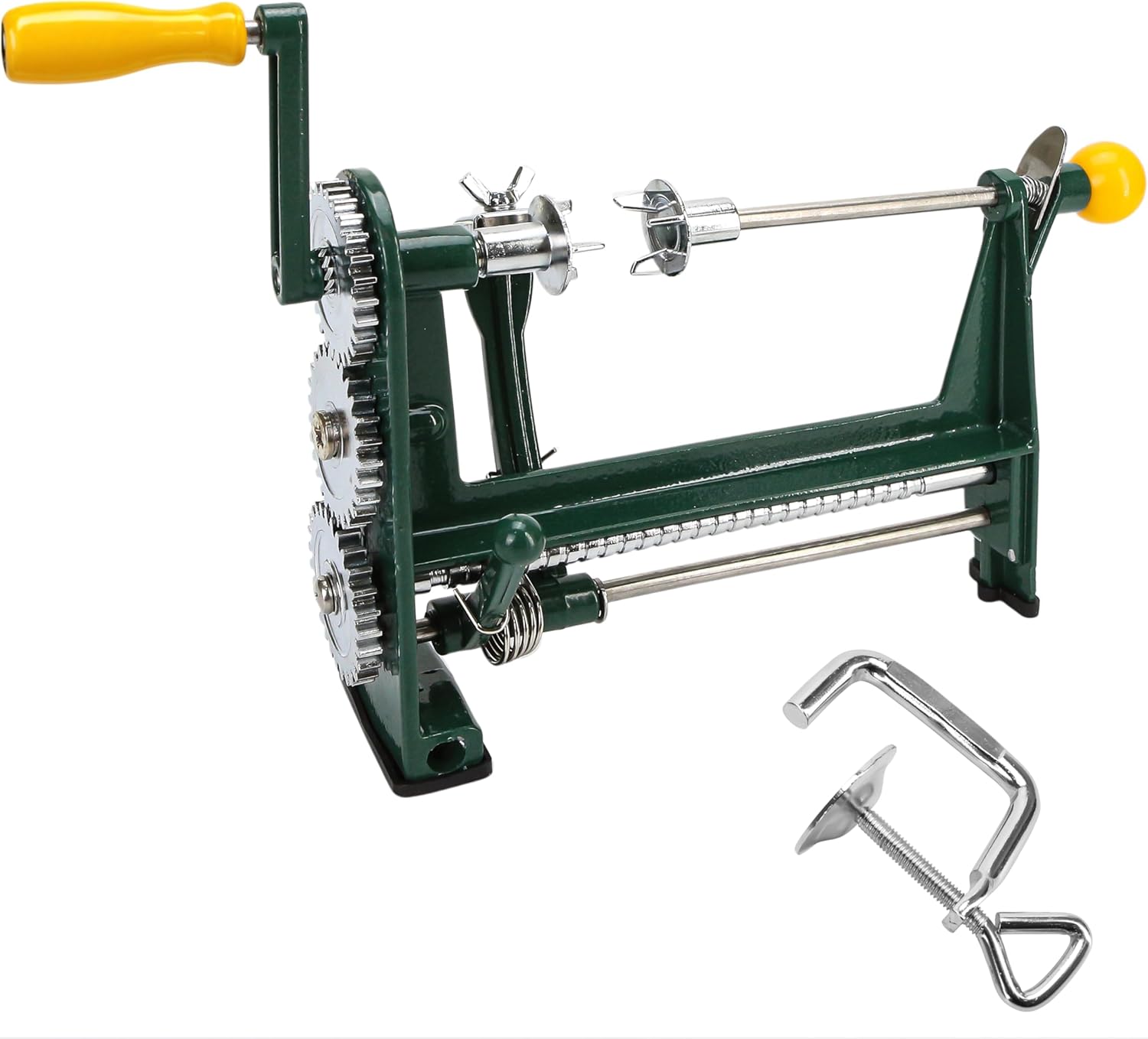
Different models offer distinct mounting methods, such as suction bases or secure edge clamps, designed to keep the unit stable during operation. Selecting the right tool depends on your available counter space, the types of produce you frequently prepare, and whether you need multi-function capabilities like coring and slicing alongside standard paring. Understanding these physical attributes helps match a hand-cranked device to your specific food preparation habits.
As an Amazon Associate, StacyLaughs earns from qualifying purchases.
Buying guide
Understanding Manual Operation Modes
Manual operation modes give users complete physical control over peeling speed and force during food preparation tasks. Without relying on electrical cords or motorized components, a hand crank potato peeler allows you to adjust your turning pace based on the exact firmness, shape, and size of each individual potato. This hands-on approach ensures you can slow down for irregular surfaces or speed up through uniform sections.
This direct mechanical interaction reduces the risk of accidental slips caused by sudden motor action or unexpected jams. By turning the handle yourself, you maintain steady momentum, ensuring consistent skin removal across large batches of produce with varying densities. Understanding how manual cranking fits into your daily routine helps determine whether you prefer a smooth rotary motion or a traditional wooden handle setup for your kitchen tasks.
Evaluating Base Stability and Mounting Options
Base stability is essential for safe and efficient food preparation when using manual crank peelers. Models equipped with strong suction cup bases adhere firmly to smooth, clean countertops, allowing for rapid turning without shifting across the surface. However, these suction mechanisms require completely flat, non-porous surfaces to maintain their strong grip during extended kitchen tasks and repetitive motions.
Alternatively, clamp-on designs secure directly to table edges or desk surfaces using physical tightening screws. This method provides an exceptionally rigid connection that resists heavy pulling forces, making it ideal for robust cast iron or stainless steel machines processing dense produce. Assessing your kitchen counter texture and table edge availability ensures you select a mounting style that remains entirely stationary during operation.
Material Composition and Durability Factors
Material selection directly influences the longevity, weight, and general maintenance requirements of your chosen hand crank peeler. Heavy-duty cast iron bodies offer exceptional structural rigidity and long-lasting durability for frequent baking and large-scale meal preparation projects. Meanwhile, chrome cast magnesium alloy options provide sturdy mechanical performance while maintaining a lighter overall physical profile for convenient countertop placement.
Plastic models often feature lightweight construction that simplifies handling and storage between uses, though they may require careful hand washing to preserve surface quality. Stainless steel blades remain a universal standard across these devices, offering rustproof cutting edges that slice cleanly through tough potato skins and fruit flesh. Reviewing these material attributes helps you balance rugged structural strength with everyday cleaning convenience.
Blade Adjustments and Multi-Function Features
Many hand-cranked peeling devices offer adjustable blades and removable components to accommodate vastly different types of produce. When preparing potatoes, you can often remove the coring and slicing blade entirely, allowing the machine to focus exclusively on paring away outer skins without making unwanted internal cuts. Other models feature adjustable blade thickness settings for customizing thin or thick cuts on various fruits.
This multi-function capability transforms a single-purpose tool into a versatile kitchen assistant capable of handling apples, citrus, and root vegetables efficiently. Understanding whether a model allows blade removal or thickness adjustment ensures the device adapts seamlessly to your specific cooking and baking habits without introducing unnecessary mechanical complications or wasted preparation time.
Physical Dimensions and Storage Considerations
Physical dimensions play a major role in determining where and how you store your hand crank peeler. Compact units measuring around three by three inches occupy minimal counter space, making them easy to tuck into crowded kitchen cabinets. Larger models spanning twelve inches in length require dedicated storage footprints and sufficient clearance space during operation.
Weight is another vital consideration, especially if you plan to move the device frequently between pantry shelves and prep tables. Heavier cast iron units stay firmly planted during cranking but require more lifting effort, while lighter plastic or magnesium models offer greater portability. Matching the physical size to your available storage space prevents clutter.
Cleaning and Maintenance Best Practices
Proper cleaning and routine maintenance keep your hand crank peeler functioning smoothly over years of regular kitchen use. Following specific manufacturer guidelines, hand washing is frequently recommended for plastic and metal components to preserve delicate blade sharpness and prevent surface degradation over time. Thoroughly drying stainless steel blades and moving metal parts immediately after washing helps prevent unwanted moisture buildup or friction issues.
Storing spare blades in designated compartments, such as beneath the base structure, keeps sharp edges safely tucked away and prevents accidental loss in crowded drawers. Regular maintenance ensures that hand-cranking mechanisms turn freely and suction cups or edge clamps retain their secure grip strength, providing reliable mechanical performance whenever you tackle large potato preparation tasks.
Frequently asked questions
Can a hand crank potato peeler remove only the skin without coring?
Many hand-cranked peeling models feature removable coring and slicing blades specifically designed to accommodate standard potato preparation. By detaching these extra cutting components, the machine focuses exclusively on paring away the outer skin cleanly. This functional flexibility allows users to process whole potatoes for boiling, mashing, or roasting without making unwanted internal cuts or hollow center cores. Always review the specific product design to confirm whether the coring attachment detaches easily before use.
How do suction base peelers stay stable during operation?
Suction base peelers rely on a strong suction cup underneath the unit that adheres firmly to smooth, non-porous countertop surfaces. When you press the base down and engage the mechanism, it creates a tight seal that resists the lateral pulling forces of manual cranking. However, this stability depends entirely on having a clean, flat surface free of debris or texture. If your countertops are porous or textured, a clamp-on model may provide better stability.
What is the advantage of an adjustable peeling blade?
An adjustable peeling blade lets you control the thickness of the skin being removed from your fruits and vegetables. When working with thick-skinned produce or dense potatoes, adjusting the blade allows you to take off precisely as much material as needed. This customization minimizes food waste and ensures smooth operation across different produce types. Whether you prefer ultra-thin peelings or slightly thicker cuts, an adjustable mechanism adapts the tool to your exact cooking requirements.
Are hand crank peelers difficult to clean after use?
Cleaning a hand crank peeler is generally straightforward, though specific requirements depend on the materials used. Many manufacturers recommend hand washing to preserve the sharpness of stainless steel blades and maintain the integrity of plastic or metal bodies. Because these tools feature exposed gears, prongs, and blades, wiping them down promptly with warm water and mild soap prevents food residue from drying on the surfaces, ensuring quick maintenance after every cooking session.
What is the difference between suction and clamp mounting styles?
Suction and clamp mounting styles offer different ways to anchor your peeler during manual operation. Suction bases use vacuum adherence to stick securely to flat, smooth countertops without requiring edge access, making them ideal for island prep. Clamp-on designs use physical tightening screws to grip table edges or desk surfaces tightly, providing a rigid connection that resists heavy pulling forces from dense produce. Your choice depends on your available counter texture and workspace layout.