Appliances · Buying Guide
Best Hand Held Cheese Slicers for Even Blocks and Boards
Finding the right tool to portion block cheese can transform how you prepare sandwiches, burgers, and charcuterie boards at home. A hand held cheese slicer offers direct manual control over every pass, turning firm cheddar or soft mozzarella into clean, uniform slices without uneven chunks or crumbling edges. Choosing a proper model ensures consistent results every single time you cook.
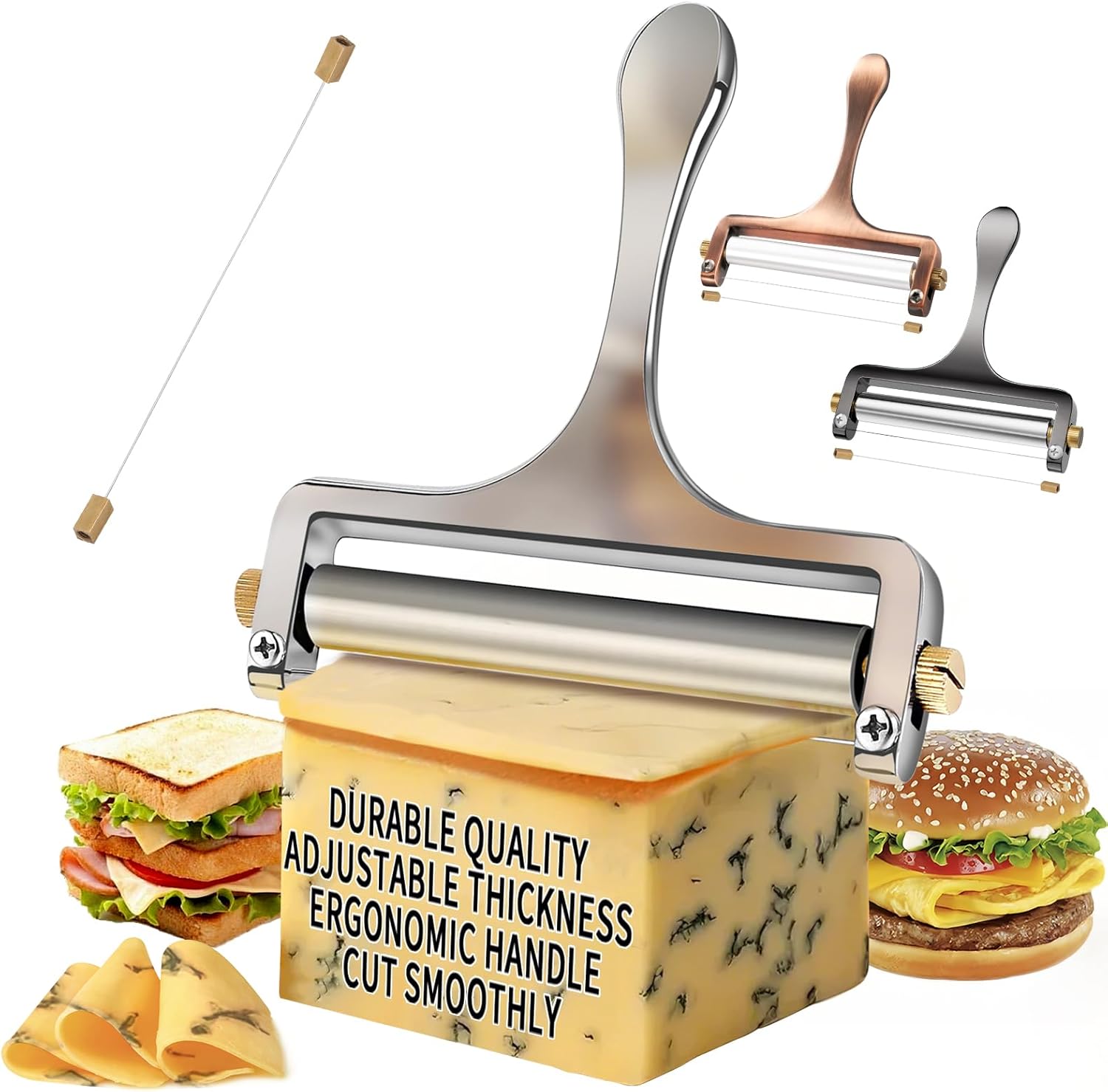
These compact utensils rely on durable stainless steel wires and sturdy alloy frames to glide smoothly through various cheeses. By understanding the specific design differences, handle shapes, and adjustment mechanisms available, you can select a reliable cutter that fits your kitchen routine and culinary preferences seamlessly for years of daily use.
As an Amazon Associate, StacyLaughs earns from qualifying purchases.
Buying guide
Frame Materials and Durability
Selecting a reliable hand held cheese slicer begins with examining its primary frame construction. Zinc-aluminum alloys, alloy steel, and cast aluminum provide robust structural support that resists bending under normal downward cutting pressure during food preparation routines. A sturdy metal chassis prevents the cutting wire from misaligning when pushing through firm cheddar, swiss, or gouda blocks, ensuring straight and consistent passes every time you prepare a snack or meal for guests.
These metals offer a solid feel in the hand while remaining lightweight enough for comfortable everyday kitchen tasks. Choosing a durable frame ensures your utensil withstands frequent slicing sessions across various semi-hard cheeses without structural fatigue or premature wear over extended periods. Evaluating metal quality upfront helps you invest in a kitchen accessory that remains dependable through countless charcuterie board setups and sandwich-making afternoons.
Wire Strength and Replacements
Stainless steel wire serves as the primary cutting edge on these manual utensils, dictating how cleanly your food separates. High-quality 304 stainless wire glides smoothly through soft mozzarella and firm cheddar blocks without snapping under standard user tension. A fine wire diameter reduces drag, producing paper-thin shavings or thick slices with minimal crumbly edges, which elevates the presentation of your homemade sandwiches and party platters.
Because cutting wires experience natural friction and wear over extended use, choosing a model that includes replacement wires provides exceptional long-term value. Having spare lines ready in your drawer prevents you from needing a brand new tool when a wire eventually snaps under heavy pressure. Reviewing package contents for included spare wires ensures continuous slicing capability without unexpected interruptions during your meal preparation workflow.
Thickness Adjustment Mechanisms
Controlling slice thickness is essential for adapting your ingredients to different recipes, from delicate sandwich layers to substantial burger toppings. Various handheld models utilize manual knobs, twist dials, or tool-based adjustment screws to change the gap between the wire and the roller guide. These mechanical adjustments let you transition smoothly from paper-thin cheese sheets to quarter-inch blocks depending on your immediate culinary requirements.
Alternatively, some traditional European designs rely entirely on changing the tilt angle of your hand to alter slice dimensions dynamically during each cut. Assessing which adjustment style matches your personal preference ensures a more intuitive, frustration-free slicing experience in your kitchen. Whether you prefer a physical dial or angle control, understanding this mechanism prevents unexpected thickness variations.
Cleaning and Maintenance Care
Proper maintenance preserves the metallic finish and structural integrity of your cheese cutter over years of regular home use. Many models specify hand-washing instructions to protect moving parts, rollers, and fine stainless steel wires from abrasive dishwasher detergents. Rinsing the unit immediately under warm tap water prevents dairy fats and oils from hardening on the metal frame or accumulating around the roller mechanism.
Other units offer certified dishwasher-safe compatibility for simplified cleanup after preparing large charcuterie boards or sticky snack spreads. Regardless of the cleaning method, drying the slicer completely before storage protects the metal and wire from moisture-related issues. Always follow specific manufacturer care guidelines to maintain smooth operation and extend the usable lifespan of your kitchen tool.
Ergonomics and Handle Comfort
A comfortable handle design significantly reduces hand strain when slicing multiple blocks of firm cheddar or Swiss for a large family gathering. Ergonomic grips fit naturally in your palm, offering better control, traction, and leverage during every downward pass through resistant cheese blocks. A well-designed handle distributes pressure evenly across your fingers, preventing hand fatigue during food preparation sessions that require numerous uniform slices.
Compact handheld frames also require minimal drawer storage space compared to bulky wooden board slicers or tabletop machines. Evaluating grip shape, weight distribution, and overall physical balance helps you choose a utensil that feels secure and comfortable during repetitive cutting tasks. Prioritizing handle comfort ensures that preparing snacks or assembling party platters remains an easy, pleasant part of your routine.
Cheese Type Compatibility
Not all dairy products respond well to wire cutting tools due to significant variations in hardness, texture, and moisture content. Soft and semi-hard varieties like fresh mozzarella, creamy brie, Gouda, Edam, and mild cheddar slice effortlessly under a taut stainless steel wire. The wire passes cleanly through these textures without crushing the interior or creating jagged chunks, resulting in professional-looking slices for burgers and sandwiches.
Conversely, extremely hard aged cheeses like Parmigiano Reggiano, Grana Padano, and Pecorino Romano require dedicated heavy-duty graters or specialized knives rather than standard wire cutters. Forcing a wire through hard, crystalline blocks will quickly snap the line and damage the frame. Knowing these material limits protects your handheld tool from accidental breakage and ensures you always select the right utensil for every cheese type.
Frequently asked questions
Can a hand held cheese slicer cut through extra hard cheeses like parmesan?
Most handheld wire cheese slicers are specifically engineered for soft and semi-hard cheeses such as cheddar, mozzarella, gouda, and brie. Manufacturers explicitly advise against using standard wire cutters on extremely hard cheeses like parmigiano reggiano, grana padano, or pecorino romano. The dense and crystalline structure of aged hard cheeses creates excessive resistance that can snap the stainless steel cutting wire or bend the metal frame. For hard cheese blocks, you should rely on specialized knives or graters designed to handle dense textures safely.
How do I adjust the slice thickness on these handheld cutters?
Adjustment methods vary depending on the specific model design you choose. Many modern handheld slicers feature a manual roller or twist dial located near the wire, allowing you to loosen the mechanism and change the gap for thin, medium, or quarter-inch slices. Some traditional units require a small tool like a screwdriver, coin, or key to adjust the wire position. Other classic European models do not use mechanical dials at all; instead, you modify the cutting thickness dynamically by changing the tilt angle of your hand.
What should I do if the stainless steel cutting wire snaps?
Many popular hand held cheese slicer models include one or more replacement stainless steel wires packaged directly with the tool to address normal wear and tear. When a wire eventually snaps during use, you can remove the broken line from the frame and install a spare wire following the manufacturer design structure. If your specific model did not include extra wires, check the product specifications or contact customer support to find compatible replacement lines. Proper handling and avoiding hard cheeses will also extend wire lifespan.
Is it better to hand wash or put a cheese slicer in the dishwasher?
Cleaning preferences depend entirely on the specific product specifications provided by the manufacturer. Several zinc-aluminum alloy and polished metal slicers recommend hand washing only to protect the finish, moving dials, and delicate wires from harsh automatic dishwasher detergents and high heat cycles. However, certain stainless steel models explicitly state they are dishwasher safe for convenient cleanup. Always review the care instructions for your exact tool to prevent surface discoloration, corrosion, or mechanical wear over extended periods of kitchen use.
What is the maximum block width these handheld slicers can accommodate?
Most standard handheld wire cheese slicers are designed to handle block widths ranging from approximately 3.5 inches up to 3.8 inches wide, depending on the physical frame dimensions. This capacity comfortably accommodates standard grocery store cheese blocks for everyday meal preparation, sandwich making, and charcuterie board assemblies. If you frequently purchase oversized blocks of cheese, you may need to cut the block down to fit within the width limit of the roller guide before beginning your slicing routine.