Appliances · Buying Guide
Best Handheld Can Opener Options for Effortless Kitchen Food Preparation
Finding the best handheld can opener simplifies daily meal preparation, whether you are opening canned vegetables, soups, or bottled beverages. Selecting the right tool depends heavily on your kitchen setup, physical comfort preferences, and whether you prefer traditional manual turning mechanisms or battery-operated automated designs for hands-free convenience during busy cooking sessions throughout the week.
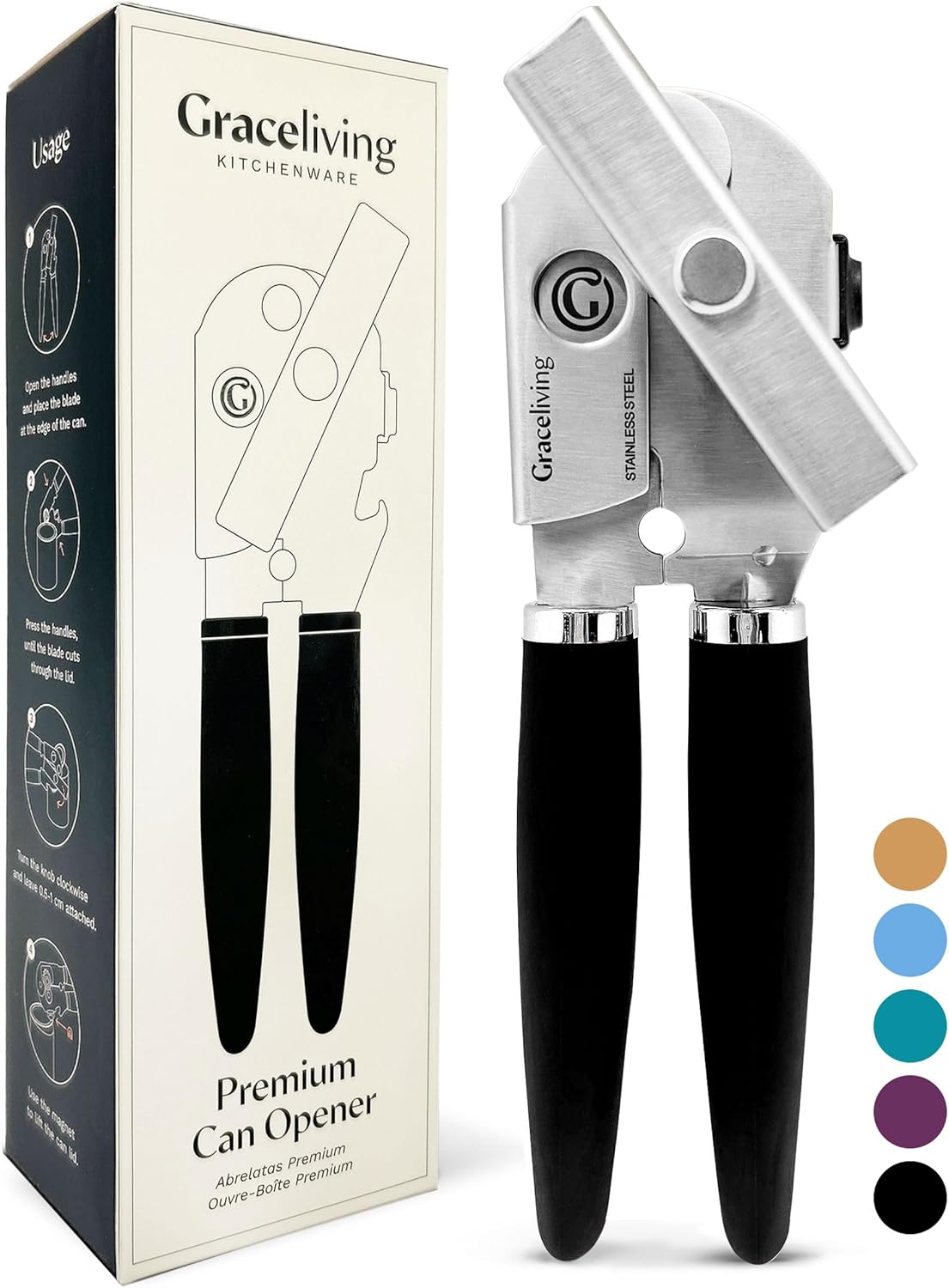
Manufacturers offer various structural materials, including durable stainless steel blades and ergonomic soft-touch handles designed to minimize hand strain during repeated use. Reviewing specific physical dimensions, grip styles, and secondary features like integrated bottle openers helps match a particular opener to your everyday cooking habits and kitchen drawer storage space constraints.
As an Amazon Associate, StacyLaughs earns from qualifying purchases.
Buying guide
Manual Versus Automatic Operation Mechanisms
Choosing between manual and automatic can openers depends significantly on your physical comfort and daily kitchen habits. Traditional manual models require you to grip handles firmly and rotate an external turning knob, giving you direct mechanical control over the cutting speed and pressure applied to different container thicknesses. Users can easily pause or reverse direction instantly when needed.
Automatic battery-operated openers take over the physical turning motion entirely. These cordless devices travel around the container rim independently, making them extremely practical for individuals with limited hand strength, joint discomfort, or arthritis. However, they rely on internal motors and active battery power rather than pure human leverage, introducing a need for periodic battery replacements over time.
Blade Materials and Cutting Edge Quality
The cutting blade serves as the primary functional component of any reliable kitchen can opener tool. High-grade stainless steel blades resist corrosion and maintain their razor-sharp profiles through hundreds of cutting cycles, ensuring clean punctures on standard tin cans without excessive metal tearing or jagged edges during daily meal preparation tasks.
Modern specialized designs feature innovative side-cutting blades that separate the lid along the outer rim rather than punching downward directly into the food compartment. This alternative cutting style leaves smooth, touch-safe edges on both the opened can and the removed lid, significantly reducing accidental finger cuts in busy family kitchen environments.
Handle Ergonomics and Grip Comfort
Handle design heavily influences how comfortable a manual can opener feels during extended daily kitchen use. Oversized handles constructed with soft silicone or slip-resistant rubber coatings absorb physical pressure and tension, distributing force evenly across your palm to prevent hand cramps and muscle fatigue while opening multiple large food containers consecutively.
When evaluating handle options, you should consider your personal grip preferences and hand size carefully. Traditional slim metal handles take up less drawer space but can press uncomfortably into skin under heavy pressure, whereas cushioned, oversized handles offer superior ergonomic comfort at the expense of maintaining a slightly larger storage footprint in crowded kitchen drawers.
Integrated Multifunctional Features
Many modern handheld can openers incorporate additional practical tools directly into their metal chassis to maximize overall utility during daily food preparation tasks. Built-in bottle openers are common secondary features, allowing you to pop open beverage caps easily without needing a separate standalone opener taking up extra drawer space in your kitchen cabinets.
Advanced manual models may also include powerful magnetic lid lifters that secure cut container lids automatically, preventing them from falling downward into your food or cutting your fingers during disposal. Choosing a tool with these integrated features streamlines kitchen utensil collections while adding practical everyday convenience to routine food preparation tasks throughout the week.
Storage Footprint and Physical Dimensions
Physical dimensions and overall weight play a critical role in how a can opener fits into your kitchen storage setup. Standard manual openers often measure between seven and eight inches in length, requiring adequate drawer length to close properly without jamming surrounding utensils and kitchen gadgets during daily storage routines across the week.
Heavy-duty metal models featuring solid metal construction add noticeable weight to utility drawers, whereas compact battery-operated units offer lightweight portability for small spaces or outdoor travel. Carefully assessing your available drawer or cabinet space helps determine whether a bulkier ergonomic model or a slimmer design suits your personal kitchen organization strategy best over the long term today.
Maintenance and Cleaning Requirements
Proper maintenance ensures your handheld can opener performs reliably over years of regular culinary use. Most manual stainless steel models require strict hand washing and thorough drying immediately after each cleaning session to prevent moisture accumulation and protect sensitive metal components from rust or corrosion over time in your busy home kitchen.
Avoiding prolonged soaking in standing water preserves the structural integrity of internal precision gears, cutting blades, and soft-touch handle grips. Following manufacturer cleaning guidance helps maintain optimal cutting efficiency and keeps your kitchen utensils hygienic for daily food preparation without risking premature mechanical wear or component failure during busy weekly cooking cycles.
Frequently asked questions
How do I choose between a manual and an automatic can opener?
Choosing between a manual and an automatic can opener depends entirely on your physical needs and convenience preferences. Manual openers give you direct physical control through a hand-cranked turning knob and comfortable grips, making them durable and straightforward. However, they require sufficient hand strength and continuous motion. Automatic battery-operated openers provide hands-free operation that travels around container rims automatically, which is particularly beneficial for individuals with arthritis or limited upper body strength, though they require periodic battery replacements.
Why is hand washing recommended for stainless steel can openers?
Hand washing is strongly recommended for most manual stainless steel can openers to preserve the structural integrity of their blades, gears, and soft-touch handle grips. Prolonged exposure to harsh dishwasher detergents and soaking water can cause moisture accumulation, dull cutting wheels, and degrade slip-resistant silicone or rubber exterior coatings over time. Washing by hand with mild soap and drying thoroughly immediately after use ensures your cutting wheel remains rust-resistant and sharp for future food preparation tasks.
What are the benefits of a side-cutting can opener design?
A side-cutting can opener design slices along the outer rim of a container rather than punching downward through the top lid. This specialized mechanism prevents the blade from coming into direct contact with the food inside, keeping the cutting wheel cleaner during operation. Additionally, side-cutting technology creates smooth, touch-safe edges on both the opened can and the removed lid, significantly reducing the risk of accidental finger cuts in busy kitchen environments.
Do handheld can openers include extra features like bottle openers?
Many popular handheld can openers incorporate a built-in bottle opener directly into their top or handle design, providing convenient 2-in-1 functionality. This integrated feature allows you to pop open beverage caps without needing a separate standalone tool, saving valuable space inside crowded kitchen drawers. Advanced manual models may also include magnetic lid lifters that automatically secure cut lids away from your hands, adding an extra layer of safety and hygiene during meal preparation.
How does handle design impact comfort during use?
Handle design plays a crucial role in reducing hand strain and muscle fatigue when opening multiple cans. Oversized handles featuring soft-touch silicone, rubberized coatings, or ergonomic contours absorb pressure and tension, distributing force evenly across your palm. While slim metal handles take up less storage space in utility drawers, cushioned and oversized grip designs provide superior comfort for users who process large food containers or experience hand discomfort during routine kitchen tasks.