Appliances · Buying Guide
Best Heavy Duty Kitchen Shears for Cutting Bone and Meat
Finding reliable cutting tools for dense ingredients and everyday meal preparation requires looking closely at blade thickness, handle ergonomics, and locking mechanisms. Heavy duty kitchen shears handle tough tasks like spatchcocking poultry, trimming ribs, and snipping tough packaging without bending under pressure. Selecting the correct pair transforms how you approach raw meats, seafood shells, and fibrous vegetables during busy cooking sessions.
Evaluating these options means balancing robust blade materials, such as high-carbon German steel or corrosion-resistant stainless steel, with comfort features like spring-loaded handles and textured non-slip grips. This guide examines five prominent models based on their stated construction attributes to help you choose the ideal cutting instrument for your daily culinary routines and holiday meal preparations.
As an Amazon Associate, StacyLaughs earns from qualifying purchases.
Buying guide
Blade Material and Hardness
Choosing heavy-duty kitchen shears starts with carefully examining the metal composition and manufacturing quality of the cutting blades. High-carbon stainless steel and specialized molybdenum-vanadium alloys offer superior corrosion resistance, structural strength, and reliable edge retention under heavy loads. Hardness ratings, frequently measured on the Rockwell scale, indicate how well a specific blade resists dulling and chipping when slicing through dense ingredients, cartilage, and bone during intense cooking sessions.
Selecting premium steel prevents premature degradation and rust formation during frequent exposure to natural moisture, dishwasher cycles, and corrosive food acids. While softer stainless steels can sometimes be sharpened more easily at home, harder specialty alloy steels maintain a razor-sharp cutting edge significantly longer through demanding daily meal preparation tasks and holiday turkey carving routines, reducing overall replacement frequency.
Blade Thickness and Cutting Power
Blade thickness directly dictates the cutting power and structural rigidity of heavy-duty kitchen shears. Standard household scissors usually feature thin profiles, but dedicated poultry shears utilize thick blades ranging from 3.5mm up to 8mm to prevent bending. Extra thickness provides the necessary leverage to power through tough chicken joints, turkey backbones, and dense ribs without compromising the alignment of the cutting edges.
However, increased blade thickness naturally adds physical weight to the tool, altering how it feels during extended handling. Buyers must weigh their typical menu requirements against hand fatigue factors. If your cooking routine involves daily bone demolition, a thicker blade profile delivers undeniable mechanical advantages, whereas lighter tasks benefit from nimble, standard-thickness utility scissors.
Handle Ergonomics and Grip Comfort
Comfortable handle design is essential for maintaining control and reducing hand strain during prolonged food preparation sessions. Look for ergonomic shapes that accommodate both left and right hands comfortably, especially if multiple family members share the kitchen. Textured non-slip surfaces, rubberized coatings, and integrated thumb rests prevent slipping when handling greasy or wet ingredients during fast-paced cooking.
Metal handles provide robust durability for high-pressure cutting, but they can feel rigid or cold during extended use. Synthetic grips made from ABS or aluminum alloy balance tactile comfort with structural rigidity. Evaluating how a handle fits your grip style ensures you can apply maximum downward force safely without developing hand cramps or losing control of the cutting path.
Spring-Loaded Mechanisms and Locks
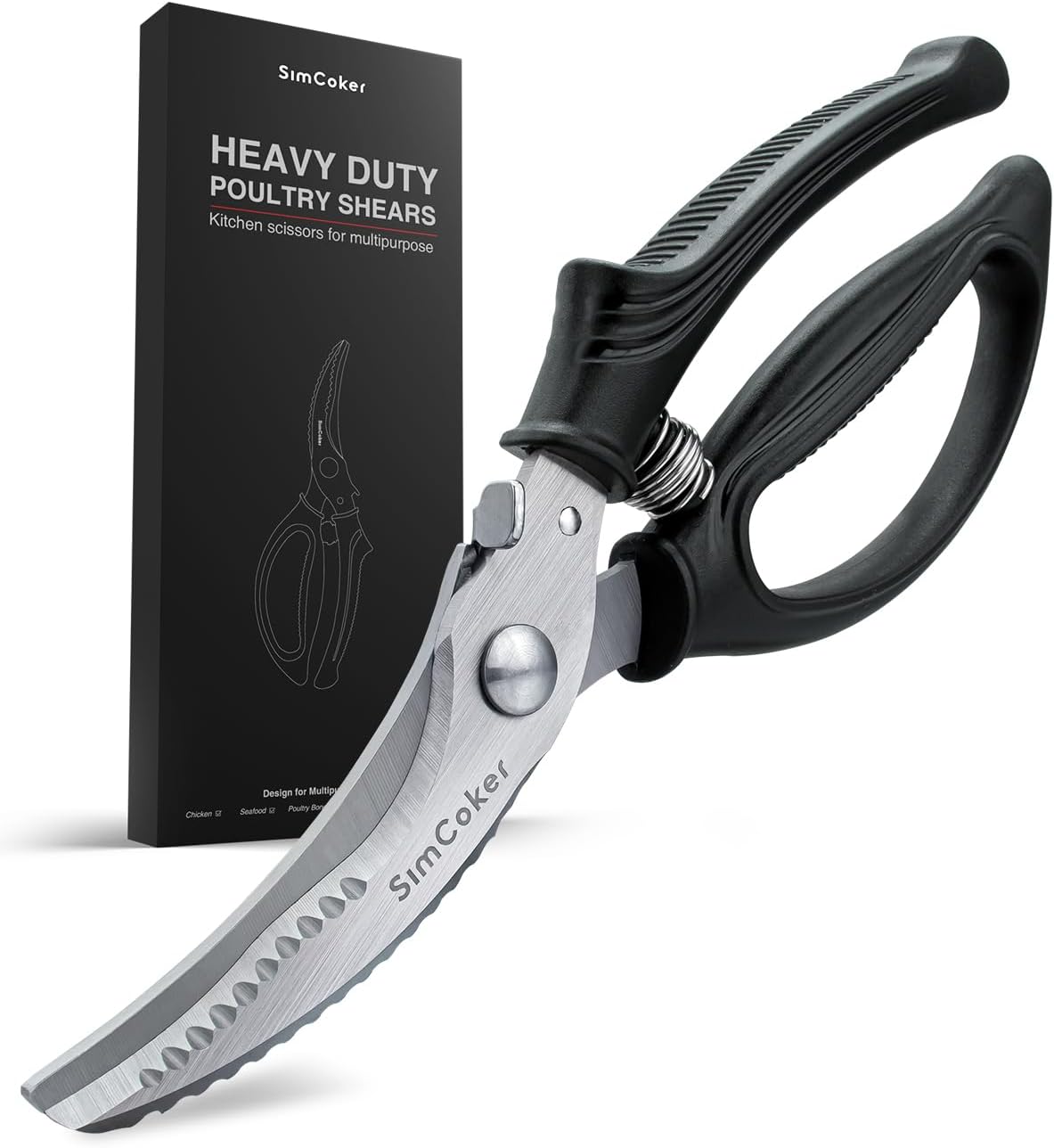
Spring-loaded mechanisms transform heavy-duty kitchen shears by automatically rebounding the blades after every single cut. This built-in mechanical assistance dramatically reduces hand fatigue when breaking down whole poultry, trimming ribs, or cutting through thick packaging. Paired with a secure safety lock, the spring mechanism keeps the sharp tips closed safely during storage in kitchen drawers or knife blocks.
Thumb-activated locks allow for rapid one-handed engagement, saving valuable time when moving between different food prep stations. While spring-loaded designs offer exceptional utility for repetitive cutting, they introduce moving parts that require occasional maintenance or spring replacements. Consider whether you prefer the effortless rebound of a spring-loaded tool or the simplicity of a traditional fixed hinge.
Maintenance and Cleaning Options
Proper maintenance ensures your kitchen shears remain hygienic and functional over years of regular use. Many models feature dishwasher-safe construction for convenient cleanup, though hand washing is frequently recommended to preserve fine edge sharpness. Removable hinge designs allow the two blade halves to separate completely, facilitating a deep and thorough sanitizing wash after cutting raw meats and poultry.
Detachable hinges and replaceable springs extend the operational lifespan of the cutting tool significantly. When evaluating cleaning options, check whether the manufacturer provides spare parts or clear disassembly instructions. Choosing a design that matches your preferred sanitation routine prevents cross-contamination risks and keeps your shears performing at their absolute best.
Multi-Purpose Utility Features
Modern heavy-duty kitchen shears often incorporate additional utility features designed to reduce the need for specialized countertop tools. Built-in fish scaler edges, nutcrackers nestled inside the handle grips, and notches for opening cans or trimming pastry dough expand the versatility of a single pair of scissors. These integrated functions streamline meal prep by handling diverse kitchen challenges without requiring constant tool swaps.
While extra features add undeniable convenience, they can also increase handle bulk or alter the balance of the tool. Buyers should assess which secondary functions align with their actual cooking habits rather than accumulating unused gimmicks. Selecting a model with purposeful multi-tasking capabilities ensures your shears remain a frequently reached-for staple in your culinary toolkit.
Frequently asked questions
Can heavy-duty kitchen shears cut through raw chicken bones?
Yes, heavy-duty kitchen shears designed specifically for poultry feature thick stainless steel or high-carbon alloy blades that easily slice through raw chicken bones, turkey joints, and ribs. Models with blade thicknesses ranging from 3.5mm to 8mm and micro-serrated edges provide the necessary leverage and grip to prevent slipping on wet skin. However, attempting to cut through very large frozen bones or dense beef joints can damage the blade alignment, so these shears are best reserved for raw or cooked poultry and general meat preparation tasks.
Are heavy-duty kitchen shears safe to put in the dishwasher?
Many heavy-duty kitchen shears are advertised as dishwasher safe for easy cleanup, but manufacturer recommendations often suggest hand washing to maintain long-term blade sharpness and corrosion resistance. High heat and harsh detergents inside dishwashers can degrade fine cutting edges and affect synthetic handle components over time. If you choose to use a dishwasher, separating detachable blades or removing spring mechanisms beforehand can help ensure a thorough clean while protecting the mechanical parts from mineral buildup and excessive wear.
What is the benefit of a spring-loaded kitchen shear?
A spring-loaded mechanism automatically pushes the handles apart after every single cut, which significantly reduces hand fatigue and physical effort during repetitive tasks like spatchcocking a whole turkey or trimming numerous ribs. This rebound action allows for faster, more efficient food preparation, especially when working with tough ingredients. Additionally, spring-loaded shears usually feature a thumb-activated safety lock to keep the sharp blades securely closed during storage, preventing accidental injuries when reaching into a kitchen drawer or storage block.
How do I maintain and sharpen my kitchen shears?
Maintaining kitchen shears involves regular cleaning, drying, and occasional edge sharpening depending on the blade material and usage frequency. For models with detachable hinges, separating the blades allows you to clean food residue thoroughly from the pivot area. If your shears include a replaceable spring, keep backups handy in case of wear. When sharpening, follow the manufacturer's bevel angle using a suitable sharpening stone or tool, ensuring the micro-serrated edges are respected so you do not accidentally grind away the specialized grip teeth.
Why do some kitchen shears feature micro-serrated blades?
Micro-serrated blades feature tiny, teeth-like grooves along the cutting edge that grip slippery food surfaces, such as raw poultry skin, fish scales, and tough vegetable peels, preventing the shears from sliding off during a cut. This enhanced traction ensures cleaner, more precise cuts through difficult materials without requiring excessive downward pressure. While micro-serrations make slicing smooth items slightly different from straight-edge blades, they provide exceptional stability when handling wet or fibrous ingredients during intensive meal preparation routines.