Appliances · Buying Guide
Best ikea koncis garlic press alternatives for daily cooking
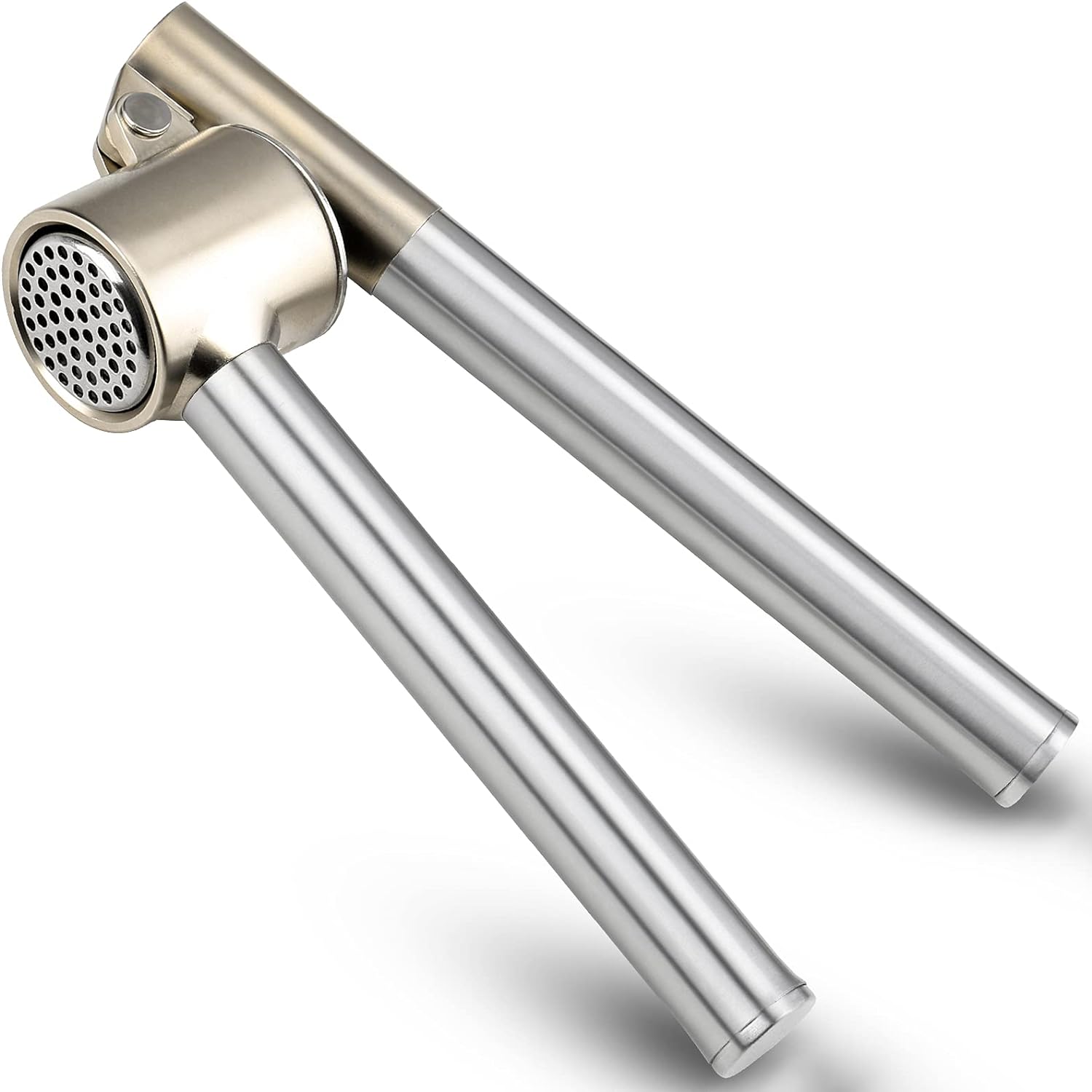
Finding the right kitchen tool for mincing garlic efficiently changes how home cooks approach meal preparation every single day. While many shoppers look for specific models like an ikea koncis garlic press, exploring alternative stainless steel and zinc alloy options opens up a variety of ergonomic designs, unique chamber capacities, and specialized cleaning mechanisms built for different hand strengths and cooking styles.
Different crushers feature built-in cleaning tools, detachable liners, or specialized stud patterns designed to handle unpeeled cloves without direct hand contact. Reviewing these distinct structural attributes helps match a preferred pressing style to everyday kitchen routines, ensuring that food preparation remains smooth, manageable, and straightforward across various recipes requiring fresh garlic paste or finely minced cloves.
As an Amazon Associate, StacyLaughs earns from qualifying purchases.
Buying guide
Material Selection and Durability
Choosing the right material for a garlic press impacts both longevity and daily maintenance. Models constructed from 304 stainless steel offer strong rust resistance and a bright finish that holds up well against moisture and regular washing routines.
Zinc alloy alternatives provide sturdy die-cast frames capable of handling firm pressure during frequent meal preparation. Understanding how each metal reacts to natural food acids helps ensure long-term reliability in busy kitchens.
Chamber Capacity and Size
The internal dimensions of the garlic chamber dictate how many cloves you can process in a single squeeze. Larger chambers accommodate multiple unpeeled cloves simultaneously, speeding up prep work for larger family recipes.
Compact chambers limit batch size but keep the overall tool lightweight and easy to store in crowded kitchen drawers. Matching chamber dimensions to your typical cooking volume prevents unnecessary repetition during meal prep.
Cleaning Mechanisms and Maintenance
Cleanup is often the most tedious part of using a garlic press, making built-in cleaning features highly valuable. Some designs feature built-in studs or flip-top handles that push out leftover pulp and skins automatically.
Other models use detachable liners or hinge-free separations to let pieces come apart entirely for thorough washing. Following manufacturer guidelines regarding dishwasher safety or immediate rinsing prevents sticky fibers from hardening.
Ergonomics and Handle Comfort
Hand comfort directly influences how easily you can operate a garlic press during extended cooking sessions. Ergonomic handles designed with soft, nonslip grips absorb pressure and reduce strain on wrists and fingers.
Streamlined metal handles offer a sleek profile but require attention to leverage and grip friction. Selecting a handle style that suits your hand strength prevents fatigue when pressing tough cloves or fibrous ginger.
Leverage and Pressing Efficiency
Handle length and pivot placement determine the mechanical advantage available when crushing unpeeled cloves. Longer frames provide greater leverage, allowing users to apply less physical force to push garlic through fine holes.
Specialized hole patterns and internal spikes maximize extraction, turning raw cloves into a smooth paste without wasting material. Evaluating leverage specifications ensures your press performs efficiently with minimal physical effort.
Bundled Accessories and Storage
Certain garlic press packages include helpful auxiliary items such as silicone peelers and specialized cleaning brushes. These extra tools assist in prepping cloves and clearing stubborn pulp from tiny grid holes without scratching metal surfaces.
Consider how these accessories fit into your existing kitchen organization scheme. While bundled tools add convenience, they also require dedicated storage space alongside your main garlic crusher.
Frequently asked questions
Can I put these garlic presses in the dishwasher?
Many stainless steel and zinc garlic presses are designated as dishwasher safe by their manufacturers. However, checking specific product care instructions is always recommended. Immediate rinsing under running water right after use often helps prevent tiny garlic fibers from drying and hardening inside the small holes, regardless of whether you choose hand washing or machine cleaning.
Do I need to peel garlic cloves before using these presses?
Most modern garlic presses are specifically designed to crush unpeeled cloves while trapping the skin inside the inner chamber. This feature saves time during meal preparation and keeps sticky garlic oils off your hands. While you can still use peeled cloves if desired, leaving the skin on works effectively with efficient hole patterns and internal spike designs.
What is the difference between stainless steel and zinc alloy presses?
Stainless steel models typically offer excellent rust resistance and a bright metallic finish that withstands heavy daily use. Zinc alloy presses allow for sturdy die-cast construction with ergonomic shapes, providing durability and comfortable weight distribution. Both materials perform well in kitchen environments when cleaned and maintained according to manufacturer guidelines.
How do built-in cleaning tools work on garlic presses?
Built-in cleaning tools usually feature matching pins or studs on the upper handle that align precisely with the holes of the pressing chamber. When you flip or close the top handle fully after pressing, these pins push out leftover pulp and skins automatically, making it much easier to rinse away remaining food particles under running water.
Can I use a garlic press for other ingredients like ginger?
Yes, many garlic presses are versatile enough to handle other fibrous foods such as fresh ginger, chilies, soft nuts, or leafy herbs. When processing ginger or fibrous roots, cutting them into appropriately sized pieces helps the press chamber close smoothly and ensures the resulting paste extracts efficiently through the grid holes.