Appliances · Buying Guide
Best Kitchen Aid Food Mill Attachments for Home Cooking
Finding the right kitchen aid food mill attachment can completely transform how you process fresh seasonal produce, grind custom meats, and prepare delicious homemade sauces right in your own kitchen. These specialized processing tools mount directly onto your stand mixer power hub to automate demanding food preparation tasks, saving you both time and physical effort during heavy cooking sessions.
Whether you want to strain unwanted seeds and skins from berries, mill cooked tomatoes for smooth pasta sauces, or grind fresh cuts for custom burger blends, multiple accessory sets offer dedicated components. Carefully reviewing the included plates, cleaning requirements, and physical dimensions helps you select the ideal pairing for your specific countertop routines and storage limitations.
As an Amazon Associate, StacyLaughs earns from qualifying purchases.
Buying guide
Hub Compatibility and Mixer Integration
Ensuring your chosen food mill or strainer attachment fits your specific stand mixer model is the foundational step in selecting the right accessory for your kitchen. Most third-party attachments mount directly onto the universal power hub found on standard kitchen appliances. Verifying this connection point allows you to harness the motor power of your machine seamlessly without requiring separate electrical cords or standalone countertop motors.
Reviewing the physical interface and connection mechanism prevents frustrating compatibility issues before you begin processing large batches of fresh ingredients. Confirming that the internal drive shaft engages properly with your mixer motor protects both the primary appliance and the accessory during active operation. Always check the manufacturer guidelines to verify that the attachment collar secures tightly against the housing before turning on the motor.
Material Construction and Durability
Evaluating the materials used in your food mill attachment helps determine its long-term resilience and how it handles demanding daily food preparation tasks. Many options combine food-grade plastic components with stainless steel internal parts to balance overall weight and structural strength. Plastic housings keep the assembly lightweight and easy to mount, while metal cutting blades and plates manage tough grinding duties reliably.
Assessing the physical build also gives you insight into how well the unit resists wear from frequent use and vibrant food pigments. While robust plastics withstand regular pressure during fruit straining, they may require prompt cleaning to prevent staining from ingredients like cooked tomatoes. Selecting a construction style that matches your cooking frequency ensures your equipment remains dependable season after season.
Cleaning Requirements and Maintenance
Understanding the cleanup process for your food mill attachment is essential for maintaining hygiene and extending the lifespan of your kitchen tools. Some accessory sets feature fully detachable parts that are rated dishwasher safe, allowing for effortless end-of-meal sanitation. Other models explicitly require hand washing using warm water kept under specific temperature limits, such as 122 degrees Fahrenheit, to protect plastic components.
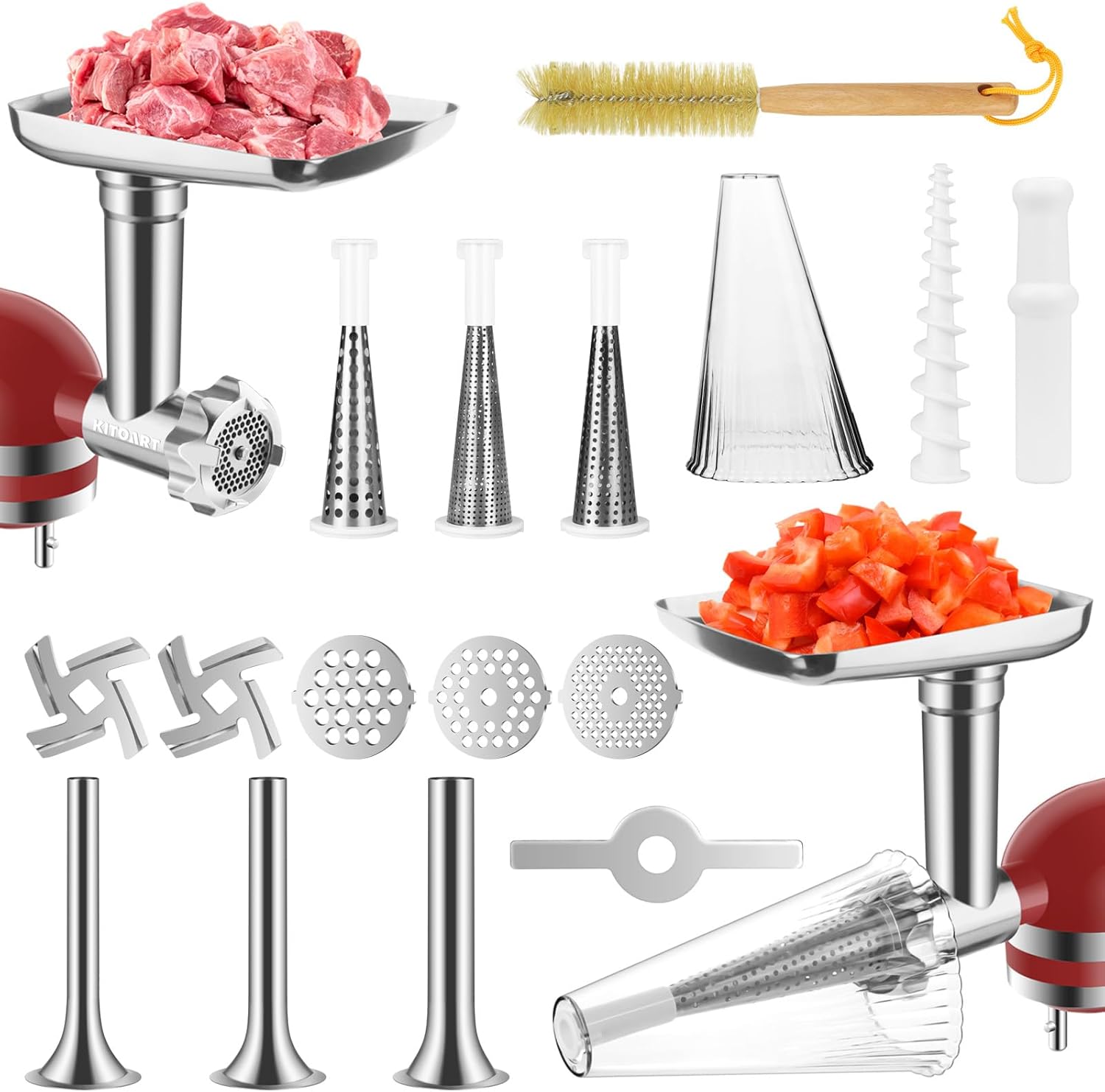
Reviewing these maintenance instructions helps you plan your post-cooking routine and decide whether manual washing fits your daily lifestyle. Included cleaning brushes often assist in clearing pulp and tiny seeds from hard-to-reach holes in strainer cones and grinding plates. Properly drying all metal elements immediately after washing prevents unwanted water spots and preserves the sharpness of cutting blades over time.
Included Accessories and Attachments
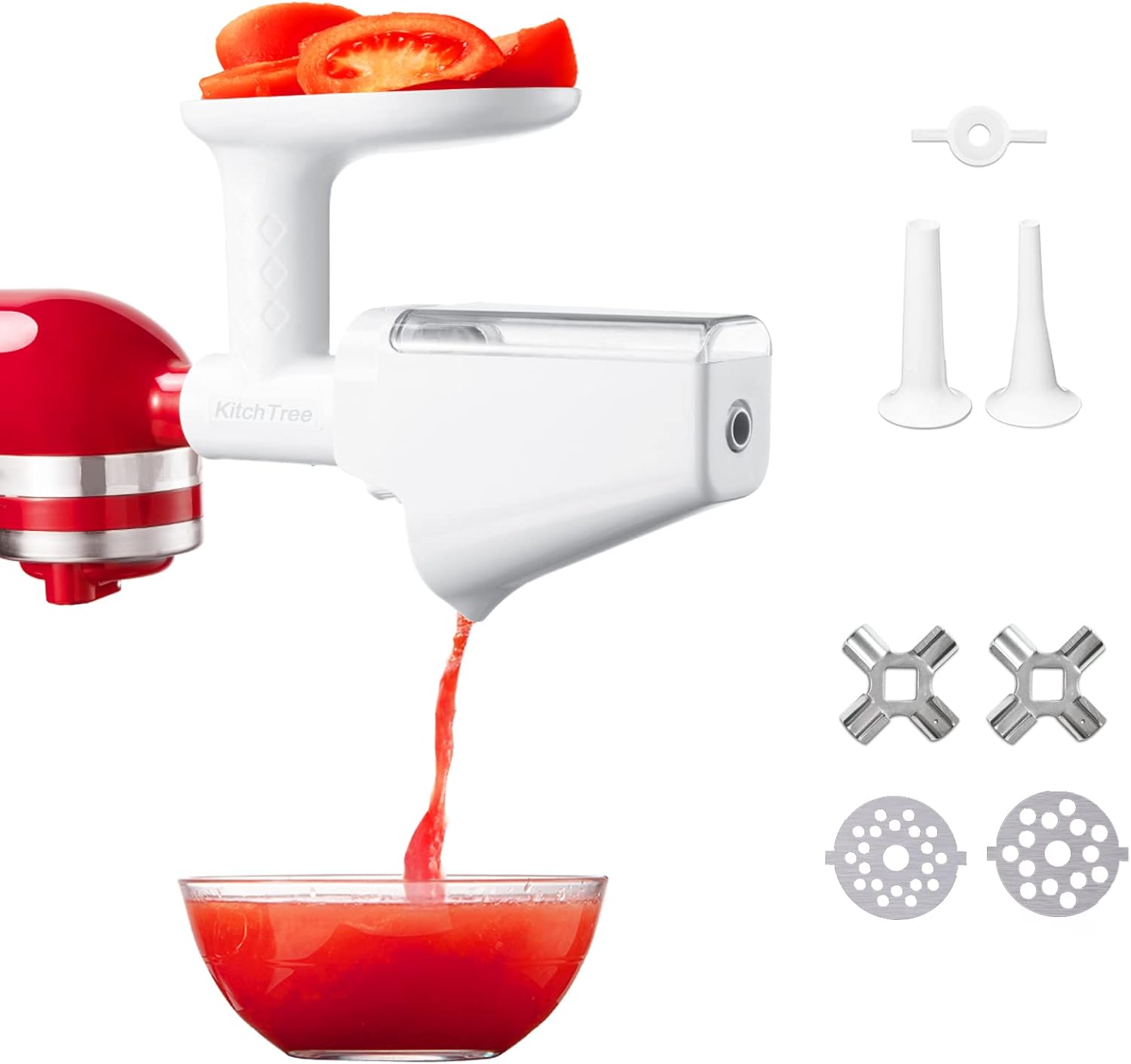
The variety of included components directly influences the versatility of your food mill package for different recipes and cooking projects. Many sets combine a fruit and vegetable strainer with a complete meat grinder, providing multiple grinding plates, cutting blades, and sausage stuffer tubes. These extra parts allow you to transition easily from pressing smooth tomato sauces to grinding fresh beef for burgers.
Some specialized packages also supply multiple strainer screens with varying hole sizes tailored for specific ingredients like berries, salsas, or squash. Examining what comes in the box ensures you have the right tools for your favorite seasonal canning and preserving tasks. Choosing a kit with a diverse accessory assortment expands your culinary capabilities without requiring separate purchases for individual prep jobs.
Food Prep and Processing Capabilities
Different food mill attachments excel at specific preparation tasks depending on whether they utilize an auger design or a traditional milling screw. Strainer attachments are specifically engineered to separate unwanted seeds, stems, and tough skins from cooked fruits and vegetables like apples and tomatoes. This functionality creates silky purees and smooth jams without requiring you to manually peel or seed every single item beforehand.
Meanwhile, integrated meat grinder functions handle raw cuts of meat, hard cheeses, and dry breadcrumbs to support custom recipe creation at home. Knowing whether an attachment emphasizes juice extraction, seed separation, or meat texture control helps you match the tool to your regular cooking habits. Reviewing these functional capabilities ensures the hardware aligns with your intended meal preparation workflows.
Storage Footprint and Dimensions
Considering the physical dimensions and overall weight of your food mill attachment helps ensure it fits comfortably within your kitchen storage spaces. Package sizes typically range around ten to twelve inches, with weights varying based on the proportion of metal versus plastic components. Knowing these measurements lets you plan adequate cabinet or drawer room so your accessories remain neatly organized when not in active use.
Evaluating the bulk of the assembly also impacts how easily you can mount and stabilize the unit during busy food processing sessions. Heavier models offer solid stability on the countertop but may require two hands to attach securely to your mixer hub. Balancing physical size with your available storage capacity ensures your equipment remains convenient to deploy whenever fresh ingredients arrive.
Frequently asked questions
Can I put my food mill attachment in the dishwasher?
Dishwasher compatibility depends entirely on the specific manufacturer guidelines provided for your chosen attachment set. While certain models feature fully dishwasher-safe components for effortless cleanup, many accessory sets explicitly require manual hand washing in warm water kept under 122 degrees Fahrenheit. Always check the user instructions included with your specific product before placing any parts into a dishwasher cycle. Washing delicate plastic housings or specialized strainer cones incorrectly can warp components or degrade materials over time, making adherence to official maintenance instructions vital for longevity.
Do I need to cook fruits and vegetables before straining them?
Most fruit and vegetable strainer attachments work best when you cook hard or firm produce first to soften the flesh before processing. Cooking items such as apples, tomatoes, or squash softens the pulp so it easily passes through the strainer holes while separating stems, seeds, and tough skins. Attempting to strain raw, rigid vegetables without prior cooking can strain the mechanism and prevent effective puree separation. Following recommended preparation steps ensures smooth results and protects your attachment from excessive mechanical resistance during food processing.
What additional tasks can these attachments perform besides straining fruit?
Many food mill attachment sets include integrated meat grinder components that significantly expand your appliance's functionality beyond simple produce straining. These secondary features typically include multiple grinding plates, cutting blades, and sausage stuffer tubes. With these extra parts, you can grind fresh cuts of meat for custom burger patties, process vegetables for salsas, shred hard cheeses, and prepare fresh breadcrumbs for recipes. This multi-functional design allows you to transition smoothly between making fruit jams and preparing savory dinner ingredients using the same mixer hub.
How do I prevent staining when processing tomatoes or colorful produce?
Processing deeply pigmented foods like tomatoes can sometimes leave color marks on plastic attachment components if they are left unwashed for extended periods. To minimize potential staining, dismantle the unit immediately after use and rinse all parts promptly with warm water and soap. Using a dedicated cleaning brush helps remove residue from tight corners and tiny screen holes before pigments can settle. Storing your clean components in a dry location once thoroughly dried also helps maintain their appearance during regular seasonal cooking routines.
Are these attachments compatible with all stand mixer brands?
These specific attachments are designed primarily to mount directly onto standard KitchenAid stand mixer power hubs. They utilize the rotational power of the mixer motor to drive internal augers, grinders, and milling screws without requiring separate electrical connections. However, they are generally not cross-compatible with other brand appliances or certain proprietary manufacturer sub-models, such as specific older food grinder iterations. Always verify your specific stand mixer model and review manufacturer compatibility notes to ensure a secure, safe hub connection before purchasing.