Appliances · Buying Guide
Best Large Brass Mortar and Pestle Sets for Traditional Spice Grinding
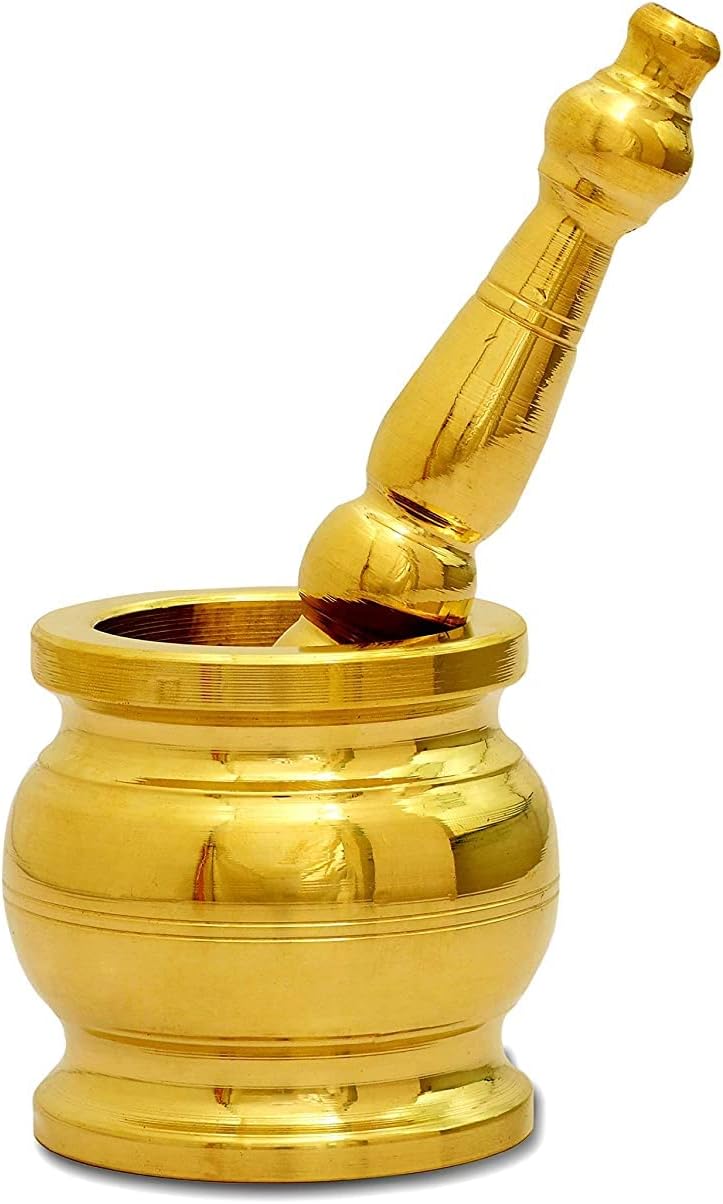
Choosing a large brass mortar and pestle brings traditional spice grinding directly into a modern kitchen setting. These solid metal tools rely on hefty construction and enduring brass materials to crush whole seeds, fresh herbs, and dried roots into fine powders or coarse textures for authentic recipes.
Because brass offers a unique blend of structural resilience and classic golden aesthetics, these grinding sets double as functional kitchenware and attractive countertop decor. Whether you prefer a compact bowl for daily seasoning tasks or a heavier variant for dense roots and Ayurvedic preparations, understanding physical dimensions, mouth diameter, and total weight helps match the right tool to your specific cooking routine.
As an Amazon Associate, StacyLaughs earns from qualifying purchases.
Buying guide
Material Composition and Metal Alloy Ratios
When selecting a brass mortar and pestle, understanding the underlying metal composition is essential for long-term kitchen durability. Many traditional options incorporate high copper percentages to increase structural strength and resistance to daily wear. Pure brass variants provide a classic golden aesthetic while maintaining the density needed to withstand repeated impact from heavy pestles during intense spice-crushing routines.
Buyers should review whether the metal is solid throughout or features specific alloy blends suited for food preparation. Solid brass and copper-blend models offer natural resilience against corrosion when exposed to damp herbs and oily spices. Selecting the right alloy ensures your tool maintains structural integrity over years of regular cooking and herbal compounding without warping or cracking.
Bowl Capacity and Internal Diameter Dimensions
Evaluating bowl capacity helps ensure the mortar accommodates your typical cooking batch sizes without spilling ingredients over the rim. Models with wider mouth diameters allow for easier stirring and the addition of multiple bulky items like garlic cloves and fresh ginger roots at the same time. Compact bowls work well for single-portion seasonings or small quantities of whole seeds.
Consider how deep the interior chamber is relative to its width to prevent contents from escaping during vigorous grinding motions. Deeper bowls contain flying particles effectively, while shallower wide bowls offer better visibility and easier spoon access when removing finished ground powders. Matching the dimensions to your recipes prevents frequent batch splitting.
Weight and Countertop Stability Factors
Weight plays a crucial role in how stable the mortar remains when you apply heavy downward force with the pestle. Heavier models exceeding one kilogram stay firmly anchored on kitchen countertops, reducing the need to hold the base steady with your non-dominant hand. This stability is particularly helpful when crushing hard roots or unground peppercorns.
Lighter sets offer the advantage of effortless portability and easier storage inside crowded lower cabinets. However, very light mortars may slide across slick surfaces during aggressive grinding sessions unless placed on a textured mat. Assessing your counter surface and physical strength helps determine the ideal weight for your kitchen workspace.
Pestle Ergonomics and Grip Comfort
The design of the pestle directly impacts hand comfort and grinding efficiency during extended culinary preparation sessions. A well-balanced pestle features a comfortable grip contour that fits naturally in your palm, distributing pressure evenly as you crush and grind. Longer pestle shafts prevent your knuckles from knocking against the interior rim of the mortar bowl.
Look closely at the striking end of the pestle to ensure it matches the interior contour of the grinding bowl for maximum contact area. Proper alignment speeds up the powder-making process by crushing more material with every single rotation. Uncomfortable or poorly shaped handles can cause hand fatigue during heavy tasks.
Surface Finish and Maintenance Requirements
Surface finishes dictate both the initial visual appeal and the ongoing maintenance routine required to keep your brass set looking pristine. Polished gold finishes offer a brilliant, reflective appearance that looks striking on display, though they show fingerprints and water spots readily. Unfinished or matte brass develops a natural patina over time.
Smooth interior surfaces simplify daily cleaning routines by preventing sticky herbal residues and essential oils from clinging tightly to the metal walls. Reviewing manufacturer care guidelines ensures you wash the brass correctly without employing harsh chemical cleaners or abrasive pads that could damage exterior coatings. Simple hand washing with warm water preserves the metal safely.
Storage Footprint and Kitchen Integration
Accounting for the physical storage footprint ensures your new brass mortar and pestle fits comfortably inside your existing kitchen cabinetry or display shelves. Taller vertical models require adequate vertical clearance on shelves, whereas squat, wide bowls slide easily into shallow drawers or tight pantry corners. Measuring your available storage space beforehand prevents placement issues.
Because these tools often double as decorative kitchen accents, consider whether you plan to store them out of sight or leave them on permanent countertop display. Matching the exterior finish and golden tone to your kitchen decor enhances overall visual harmony. Choosing a balanced size ensures practical utility without cluttering your workspace.
Frequently asked questions
How do I clean and maintain a brass mortar and pestle?
Cleaning a brass mortar and pestle requires simple hand washing with mild dish soap and warm water immediately after each use to remove leftover spice oils and residues. Dry the metal thoroughly with a soft cloth to prevent water spots and tarnishing. Avoid putting brass kitchenware in automatic dishwashers, as harsh detergents and prolonged moisture exposure can damage the polished or unfinished metal surface. If your brass develops a natural patina or darkens over time, you can use specialized brass cleaners approved for kitchen utensils to restore its golden shine.
Can I grind wet ingredients like garlic and ginger in a brass mortar?
Yes, you can effectively grind wet ingredients like garlic, ginger, fresh herbs, and damp roots using a solid brass mortar and pestle set. Brass is durable enough to crush fibrous plant materials, and the heavy pestle helps release natural oils and juices to create smooth pastes or marinades. However, because brass can react with acidic foods over extended periods, you should clean and dry the bowl promptly after processing wet mixtures to protect the metal finish and prevent unwanted metallic taste transfer in future recipes.
Why does heavy weight matter in a brass mortar and pestle?
A heavy-duty build is crucial because weight provides stability on the countertop while you apply downward force and grinding pressure with the pestle. When you crush hard whole spices, unground peppercorns, or tough roots, a lightweight bowl tends to slide or rock across slick surfaces, making the task frustrating and difficult. Mortars weighing upwards of seven hundred grams or more stay firmly planted in place, allowing you to focus your energy entirely on breaking down the ingredients rather than stabilizing the base.
Will a brass mortar and pestle leave a metallic taste in food?
High-quality solid brass and copper-blend mortar sets generally do not impart a metallic taste to dry spices and herbs under normal use. However, leaving wet, highly acidic ingredients sitting inside the metal bowl for extended periods can cause minor surface reactions. To keep your food tasting fresh and pure, always empty, wash, and dry the mortar promptly after preparing wet pastes, garlic purees, or citrus-based herb mixtures, ensuring optimal flavor profiles for all your culinary creations.
What is the difference between polished and unfinished brass finishes?
Polished brass finishes feature a bright, reflective golden sheen that enhances the decorative appeal of the tool, making it attractive for countertop display when not in use. However, polished surfaces tend to show fingerprints and water marks easily, requiring regular wiping. Unfinished brass lacks this high-gloss coating, often featuring a more rustic industrial look that naturally develops an antique patina over time through regular handling and exposure to air, appealing to buyers who prefer a traditional aesthetic without shiny coatings.